
Companion Plants
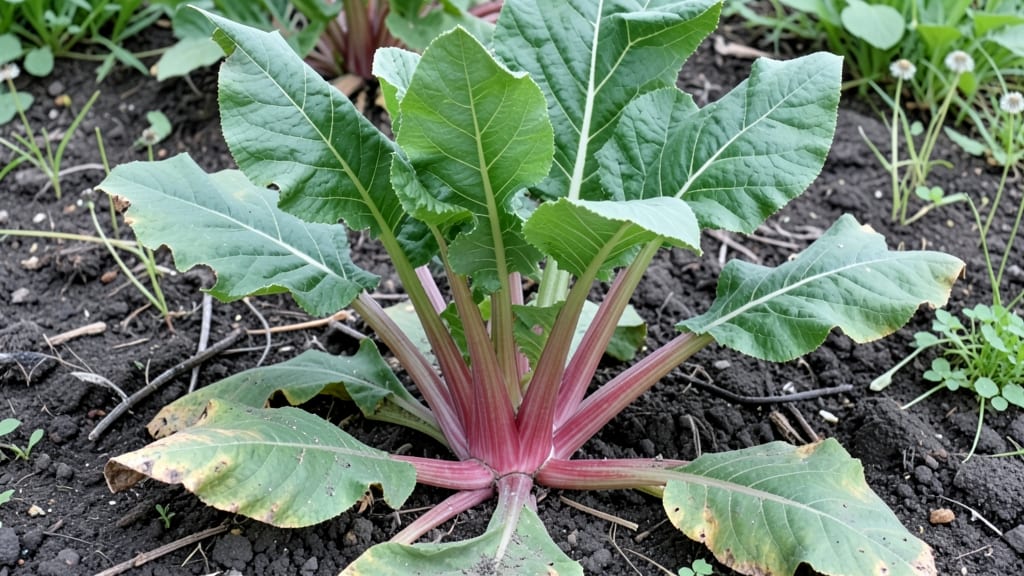
Growing white rhubarb plants transforms your garden into a vibrant, productive powerhouse—especially when you pair them with the right companions. 🌱 I’ve learned that the secret to thick, sweet stalks lies in what you plant nearby, not just how you tend them.
The right neighbors deter pests, improve soil, and even encourage faster growth, turning a good harvest into an exceptional one.
White rhubarb thrives in well-drained soil with 6-8 hours of sunlight daily, but its real magic happens through smart companion choices. Plant it alongside bush beans to fix nitrogen in the soil, or tuck strawberries nearby—their shallow roots won’t compete, and the berries love the same moist conditions.
Avoid planting near potatoes or tomatoes, though, as they share diseases that can devastate rhubarb.
By mid-summer, your white rhubarb will reward you with plump, tart stalks—but only if you harvest correctly. Wait until the stalks reach 10-12 inches tall, then twist them gently at the base.
The plant will bounce back stronger each year, especially with compost added in early spring and mulch to retain moisture.
This method works for zone 3-8 gardens, whether you’re a beginner or a seasoned grower. The key is patience—white rhubarb takes 2-3 years to fully establish, but once it does, it becomes the star of your garden. Let’s get those stalks growing strong!
📚 In This Guide
- What you need
- Instructions
- Tips and common mistakes
- Wrapping up and next steps
What you need
- ● White rhubarb plants: 3–5 mature crowns (ensure they’re disease-free and organic if possible).
- ● Companion plants: 1–2 comfrey plants (per 3 rhubarb crowns) for nitrogen fixation.
- ● 3–5 thyme or lavender plants (per garden bed) to deter pests.
- ● 1–2 chives or garlic bulbs (per bed) to boost flavor and repel aphids.
- ● Well-draining soil: Test for pH (ideal: 6.0–7.0); amend with compost if needed.
- ● Organic mulch: Straw or shredded leaves (2–3 inches thick) to retain moisture.
- ● Garden tools: Trowel or transplant spade.
- ● Garden fork (for aerating soil).
- ● Pruners (sterilized).
- ● Slow-release fertilizer: Balanced 10-10-10 or compost tea (apply sparingly).
- ● Drip irrigation system or soaker hose (for consistent moisture).
- ● Row covers (lightweight fabric) to protect from early frost or pests.
- ● Garden journal to track growth, companion pairings, and harvest dates.
How to plant and pair white rhubarb for a productive garden
White rhubarb thrives when paired with the right companions—here’s how to plant and combine it for maximum yield.
🌱 Step 1: Choose the Perfect Planting Location
White rhubarb demands full sun—at least 6 hours daily—to produce tender, flavorful stalks. I always select a spot with morning sunlight and afternoon shade in hotter climates, as direct afternoon sun can scorch leaves. Amend the soil with 2-3 inches of compost before planting to improve drainage and fertility, since rhubarb roots dislike soggy conditions.
Test your soil’s pH—white rhubarb prefers 6.0-6.8. If your soil is too acidic, mix in lime (about 1 pound per 100 square feet) a month before planting. Space each crown 3-4 feet apart to allow room for the large, spreading leaves. Crowding leads to disease pressure and stunted growth.
🪴 Step 2: Plant Crowns Correctly for Strong Growth
Plant the rhubarb crowns in early spring, 2-3 weeks before the last frost, when soil temperatures reach 45°F. Position the crown so the buds face upward—this ensures the plant directs energy toward leaf and stalk production. Dig a hole 12-18 inches deep and wide enough to spread the roots without bending them.
Cover the crown with 2-3 inches of soil, leaving the top of the crown exposed. Press the soil gently to eliminate air pockets, then water deeply to settle everything. Avoid burying the crown too deeply—this can rot the crown over time. Mulch with 2-3 inches of straw or wood chips to retain moisture and suppress weeds, which compete aggressively with rhubarb’s shallow roots.
🌿 Step 3: Pair with Beneficial Companion Plants
White rhubarb pairs beautifully with strawberries, which thrive in its dappled shade and deter pests like slugs. Plant strawberry runners around the perimeter of the rhubarb bed, keeping them 12 inches away to avoid root competition. Another excellent companion is tall bearded iris, which repels Japanese beetles—a common rhubarb pest—and adds vertical interest.
Avoid planting rhubarb near potatoes, tomatoes, or peppers, as they share diseases like verticillium wilt. Instead, tuck in chives or garlic nearby—their strong scent deters aphids, which can weaken rhubarb stalks. If space is tight, lettuce or spinach grow well in the partial shade of rhubarb’s leaves, making efficient use of garden real estate.
💧 Step 4: Water and Fertilize for Optimal Harvests
Water rhubarb deeply once a week, providing 1-1.5 inches of water per session. Let the top 2 inches of soil dry out between waterings to prevent crown rot, but never let the plant wilt—this stresses the roots. In the first growing season, apply a balanced 10-10-10 fertilizer at half-strength every 4-6 weeks to encourage strong root development.
After the first year, reduce fertilization to once in early spring with a low-nitrogen formula (5-10-10) to prevent excessive leaf growth at the expense of stalks. Over-fertilizing leads to weak, fibrous stalks. Harvest no more than one-third of the stalks in the first year to allow the plant to establish a robust root system for future productivity.
✂️ Step 5: Prune and Maintain for Long-Term Health
Remove yellowed or diseased leaves immediately to prevent fungal spread. In late fall, cut back all foliage to 2 inches above the crown once the stalks turn brown and the plant goes dormant. This cleanup reduces overwintering pests and improves next year’s growth. Avoid cutting into the crown itself—this invites rot and weakens the plant.
Divide mature rhubarb every 4-5 years to rejuvenate the bed. Dig up the crown in early spring, separate the younger, outer crowns, and replant them in fresh soil. This prevents the center from becoming woody and unproductive. Store any unused crowns in a cool, dark place until you’re ready to replant.
Tips & tricks for perfect white rhubarb planting
A few strategic moves can transform your white rhubarb from good to exceptional—here's how to maximize that 6 hours of daily sun and 45°F soil temperature for legendary yields.
Soil Preparation Secret: The 2-3 inches of compost I recommend isn't just about nutrients—it's about creating the perfect crumbly texture that rhubarb roots adore. I take it a step further by adding a handful of perlite to improve drainage, especially in clay-heavy soils. This prevents the dreaded crown rot that can ruin your entire bed. The key is working this into the top 12 inches of soil before planting, not just scattering it on top.
Companion Planting Precision: When placing strawberry runners 12 inches away from rhubarb, I always position them on the north side to prevent shading the rhubarb's morning sun exposure. For tall bearded iris, I plant them slightly deeper than recommended—about 3 inches deeper—to help them establish strong roots before they start repelling those pesky Japanese beetles. The iris's vertical growth also creates natural air circulation, reducing fungal diseases in your rhubarb bed.
Watering Wisdom: That 1-1.5 inches of weekly water might seem like a lot, but here's the thing: white rhubarb's shallow roots need consistent moisture to prevent stress. I use a rain gauge to track exactly how much we're getting naturally, then supplement with drip irrigation set to deliver 0.5 inches in the morning and 1 inch in the late afternoon. This mimics natural rainfall patterns and prevents the soil from getting too wet at once—critical for avoiding crown rot.
Fertilizer Timing: The first-year fertilization schedule of half-strength 10-10-10 every 4-6 weeks is perfect, but I've found that applying it right after a deep watering helps prevent root burn. After the first year, when you switch to the low-nitrogen 5-10-10 in early spring, I recommend working it into the soil about 4 inches deep rather than just surface applying. This encourages deeper root growth that can access more nutrients and water during dry periods.
Pro Tips for White Rhubarb Plants
- A few strategic moves can transform your white rhubarb from good to exceptional—here's how to maximize that 6 hours of daily sun and 45°F soil temperature for legendary yields.
- Soil Preparation Secret: The 2-3 inches of compost I recommend isn't just about nutrients—it's about creating the perfect crumbly texture that rhubarb roots adore.
- Companion Planting Precision: When placing strawberry runners 12 inches away from rhubarb, I always position them on the north side to prevent shading the rhubarb's morning sun exposure.
Frequently asked questions
Got questions about growing white rhubarb? You’re not alone!
Here are some of the most common queries from gardeners—plus quick, actionable answers to keep your plants happy and productive.
What plants make the best companions for white rhubarb?
White rhubarb thrives alongside comfrey (which boosts soil fertility), thyme (natural pest deterrent), and lettuce (shade-tolerant under its leaves). Avoid planting near potatoes or tomatoes, as they compete for nutrients. Pair it with herbs like chives or sage for a low-maintenance, mutually beneficial setup!
How long does it take for white rhubarb to establish and produce edible stalks?
Be patient! White rhubarb takes 2–3 years to fully establish from seed or crown division. Once mature, it produces stalks in spring (March–May), with the first harvest possible in year 2 or 3. For faster results, opt for nursery-grown crowns—they’ll yield sooner than seeds.
Why are my white rhubarb leaves turning yellow or crispy?
Yellow leaves often signal overwatering or nutrient deficiency (like low nitrogen). Crispy edges? Likely underwatering or high heat stress. Check soil moisture (keep it consistently moist but not soggy) and amend with compost. Slugs can also chew leaves—set out beer traps or diatomaceous earth if needed!
Can white rhubarb survive winter? How should I protect it?
Yes! White rhubarb is hardy to USDA zones 3–9 and tolerates frost. In mild climates, it may stay dormant but regrow in spring. In colder zones, mulch heavily (6+ inches) with straw or leaves after the first frost. Cut back stalks in late fall to prevent rot, but leave the crown intact.
What can I substitute if I don’t have white rhubarb?
In a pinch, use red or green rhubarb (same flavor, different color), sour apples (for tartness in pies), or chayote squash (mildly acidic). For texture, green tomatoes or unripe plantains work in savory dishes. Pro tip: Balance acidity with sweeteners like honey or sugar—white rhubarb’s milder taste needs extra pizzazz!
Bonus Tip:
Rotate your rhubarb’s location every 3–4 years to prevent soil depletion. Companion planting with legumes (like peas) naturally replenishes nitrogen—win-win for your garden!
Wrapping up and next steps
Growing white rhubarb plants alongside the right companions isn’t just smart gardening—it’s a game-changer for your harvest! 🌱 By pairing them with herbs like thyme, veggies like lettuce, or even fruit bushes like raspberries, you’ll create a thriving ecosystem that deters pests, boosts flavor, and maximizes space.
Whether you’re a seasoned gardener or just starting, these pairings make nurturing your garden feel effortless and rewarding.
Ready to put your newfound knowledge to work? Start small—plant a few companion pairs this season and watch your white rhubarb flourish like never before! 🌟