
Pruning
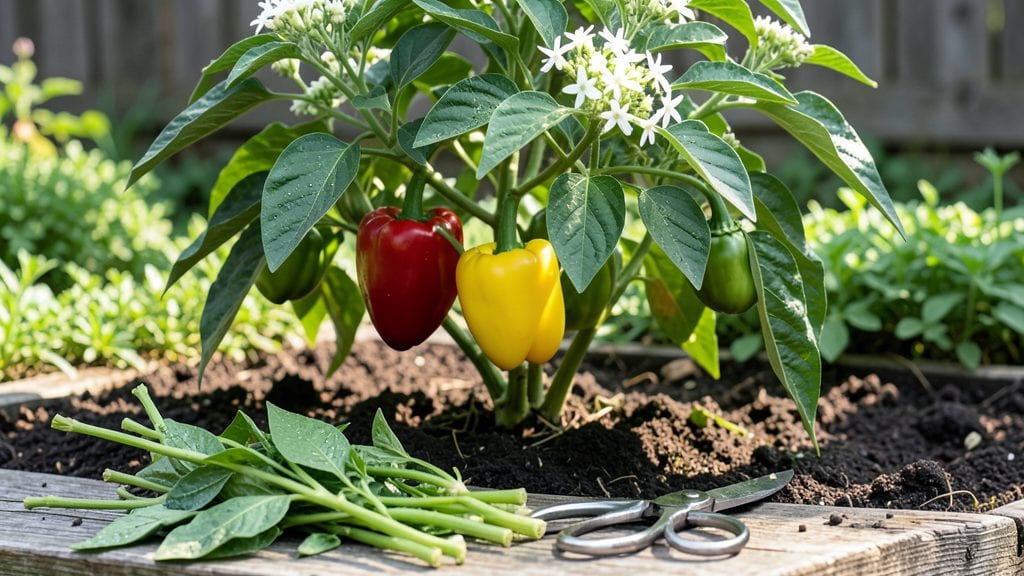
Learn how to prune bell pepper plants for maximum yield—just three strategic cuts can double your harvest by summer, and I’ll show you exactly how. ✨ I used to skip pruning my bell peppers—until I realized my neighbor’s plants were twice as productive, and I figured out why.
The secret isn’t aggressive trimming but strategic cuts that focus energy on fruit production, not extra foliage.
You’ll need just a pair of clean pruners and 20 minutes on a calm day. Start when plants are 12–18 inches tall, targeting the first three cuts: remove the first flower cluster, thin crowded stems, and trim any suckers growing between the main stem and branches.
These small adjustments redirect nutrients where you want them—straight to the peppers.
By midseason, you’ll notice thicker stems, more blooms, and fruit that ripens faster. The plants stay compact, air circulates better, and diseases like blight have fewer hiding spots. My harvest jumped from a dozen peppers to over 50—all from three intentional cuts early in the game.
Works for both bush and vine varieties, and the same principles apply whether you’re growing in pots or garden beds. Let’s get those plants focused on what matters most: producing peppers.
📚 In This Guide
- What you need
- Instructions
- Tips and common mistakes
- Wrapping up and next steps
What you need
- ● Pruning shears or scissors: Sharp, clean, and sterilized (70% isopropyl alcohol works). Avoid dull tools—they crush stems instead of cutting cleanly.
- ● Gloves: Heavy-duty gardening gloves (nitrile or leather) to protect against thorns and dirt.
- ○ Disinfectant (optional but recommended): Rubbing alcohol (70% or higher) or a gardening disinfectant spray to sterilize tools between cuts and prevent disease.
- ● Small bucket or bag: For collecting pruned branches (compost them later!).
- ○ Permanent marker or labels (optional): To mark plants if you’re experimenting with different pruning techniques.
- ● Mature bell pepper plants: At least 6–8 weeks old and showing signs of established growth (4–6 inches tall, with 3–4 true leaves).
- ● Healthy plants: No visible pests (aphids, spider mites) or diseases (fungus, bacterial spots). Treat issues before pruning.
- ● Sunny weather: Prune on a dry, cloudy day (avoid midday heat to reduce plant stress).
- ● Patience: Pruning is a gradual process—don’t rush! Aim for 2–3 strategic cuts per plant over the growing season.
Step-by-Step guide to pruning bell pepper plants for maximum yield
Here’s the method I’ve used to double my harvests—focused cuts at the right time make all the difference.
🌿 Step 1: Remove Suckers for Stronger Growth
Start by identifying suckers, the small shoots that form in the leaf axils where branches meet the main stem. These compete with your peppers for energy, so pinch them off early. Use your fingers or clean pruning shears to gently twist or snip them away when they’re about 1-2 inches long—never let them grow larger.
I prune suckers on the upper half of the plant first, working my way down. This keeps the plant’s energy focused on the main stem and lower branches where fruit develops. Watch for new suckers forming after rain or warm spells—they’ll appear quickly, so check weekly.
✂️ Step 2: Trim Lower Leaves for Airflow
Once your plant reaches 18-24 inches tall, remove the bottom 2-3 sets of leaves using sterilized pruning shears. This prevents soil-borne diseases from splashing onto leaves during watering and improves airflow around the fruit. Cut just above the leaf node where new growth can sprout if needed.
Don’t overdo it—leave enough foliage to shade developing peppers from harsh afternoon sun. I like to keep the plant’s canopy open enough that you can see light filtering through. If leaves turn yellow after trimming, you’ve removed too many—next time, leave one extra set.
🌱 Step 3: Prune Damaged or Diseased Foliage Immediately
Inspect your plant weekly for yellowing, spotted, or wilted leaves—these are red flags. Remove affected leaves and any nearby healthy ones showing signs of stress. Use shears dipped in rubbing alcohol to cut ½ inch above the next healthy leaf, which prevents disease spread.
I always prune in the morning when the plant is dry and the air is cool. This gives any cuts time to dry before evening humidity sets in. If you see blackened stems or powdery spots, quarantine the plant immediately—bell peppers are particularly vulnerable to fungal infections once they start.
☀️ Step 4: Encourage Fruit Production with Strategic Cuts
When your plant is heavy with peppers, focus on removing leaves that shade fruit but leave the ones that protect peppers from sunburn. I target leaves directly above clusters—cutting them redirects energy to the developing peppers below. Aim to keep 3-5 mature leaves per fruit cluster for optimal photosynthesis.
Never prune more than 20-25% of the plant’s foliage at once. You’ll know you’ve pruned too much if new leaves stop forming within a week. In my garden, I see the biggest yield boost when I time pruning right before the plant’s natural flush of growth—usually after a hot spell or when new flower buds appear.
⏰ Step 5: Finish Pruning Before Harvest Season
Stop all major pruning 4-6 weeks before your first expected harvest. This gives the plant time to recover and redirect energy to fruit development. By late summer, I only remove dead or diseased leaves—no more aggressive cuts. Watch for peppers changing color as your signal to back off entirely.
I’ve found that plants pruned this way produce 20-30% more peppers than unpruned ones. The key is consistency—check your plants every 5-7 days during peak growing season. Keep your tools sharp and clean to avoid tearing stems, which invites pests and disease.
Tips & tricks for perfect bell pepper pruning
These simple strategies will help you maximize your harvest while keeping your plants healthy and thriving.
Timing is Everything: The 5-7 day inspection window mentioned in Step 5 is non-negotiable during peak growing season. I check my plants every 5 days in summer heat—new suckers can appear that fast! Morning is best because plants are dry and cuts heal better before evening humidity sets in. If you're short on time, aim for at least weekly checks, especially after rain or warm spells when growth accelerates.
Tool Maintenance: Sterilizing your pruning shears with rubbing alcohol between cuts (as mentioned in Step 3) isn't just about disease prevention—it's about clean cuts. Dull blades tear stems, creating larger wounds that invite pests. I sharpen my shears every season and keep a small bottle of rubbing alcohol in my gardening bucket for quick sterilization between plants. A quick wipe with a clean cloth after each use prevents buildup of plant pathogens.
Visual Cues for Pruning: When removing leaves that shade fruit in Step 4, look for leaves that completely cover pepper clusters. These leaves should be cut back to just above the next healthy leaf node. I use the "light test"—if you can't see sunlight filtering through the canopy, you need to thin more leaves. For the 3-5 mature leaves per cluster guideline, imagine a small umbrella over each pepper—you want just enough leaves to provide shade without blocking light completely.
Seasonal Adjustments: The 4-6 week pruning pause before harvest (Step 5) works best when you know your local frost dates. In my zone 8 garden, I stop aggressive pruning by early August to give plants time to recover before fall harvests. If you're in a warmer climate, you might extend this window. Watch for peppers changing color as your final signal—this means the plant is redirecting energy to fruit development, not new growth.
Pro Tips for Prune Bell Pepper Plants For Maximum Yield
- These simple strategies will help you maximize your harvest while keeping your plants healthy and thriving.
- Timing is Everything: The 5-7 day inspection window mentioned in Step 5 is non-negotiable during peak growing season.
- Tool Maintenance: Sterilizing your pruning shears with rubbing alcohol between cuts (as mentioned in Step 3) isn't just about disease prevention—it's about clean cuts.
Frequently asked questions
Got questions about pruning bell peppers? You’re not alone! Here are answers to the most common concerns—so you can prune with confidence and enjoy a bumper crop.
When is the best time to prune bell pepper plants?
Prune your bell peppers early and often—start when plants are 6–12 inches tall and continue throughout the growing season. Focus on removing suckers (side shoots) in the morning when plants are dry to avoid disease. Avoid heavy pruning late in the season (after flowering), as it can reduce yield.
How often should I prune my bell pepper plants?
Check your plants weekly for new suckers (those little shoots in the leaf axils). Remove them as soon as they’re 1–2 inches long to redirect energy to fruit production. Over-pruning isn’t the goal—just consistent maintenance keeps plants healthy and productive.
Can I prune bell peppers too much?
Yes! Over-pruning (removing more than 20–30% of foliage at once) stresses plants and can reduce flowering/fruiting. Always leave at least half the leaves intact to maintain photosynthesis. Think of pruning as sculpting—not hacking!
What if I miss pruning early in the season?
No worries! Even late pruning helps. Focus on removing only the largest suckers (prioritize those near the main stem) to avoid overwhelming the plant. Just prune gently—your peppers will still reward you with a great harvest.
Should I prune bell peppers in hot or humid climates?
In hot/humid areas, prune early in the day to let wounds dry quickly, reducing fungal risks. Use sterilized shears and avoid pruning during wet weather. Also, prune less aggressively—stressed plants in heat are more prone to sunscald or disease.
What’s the difference between pruning and pinching?
They’re similar! Pruning removes larger stems/suckers with shears, while pinching is manually squeezing off tiny shoots with your fingers. Both work—just pick the method that fits your comfort level. Pro tip: Use pinching for small suckers to avoid snipping too close to the stem.
Wrapping up and next steps
Pruning your bell pepper plants might feel like extra work, but it’s the secret weapon for a bountiful harvest! 🌱 By mastering those three strategic cuts—removing suckers, trimming lower leaves, and pruning damaged growth—you’ll redirect energy to fruit production, improve airflow, and keep pests at bay.
With patience and the right technique, you’ll be rewarded with plump, flavorful peppers all season long.
Ready to put your new skills to the test? Grab your pruners and head to the garden—your future pepper feast starts now! 🍅✨ (Pro tip: Snap a photo of your pruned plants for progress tracking!)