
Companion Plants
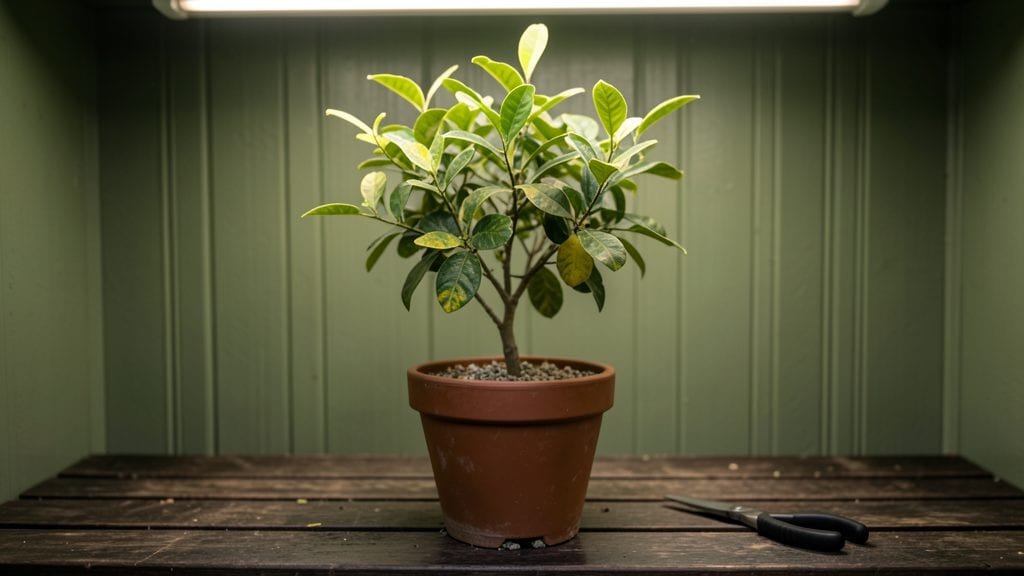
When your plants show zinc deficiency symptoms, you're looking at yellowing leaves, stunted growth, and foliage that looks like it’s fighting for its life. 🌱 I’ve seen this in my tomatoes and citrus trees—what seemed like a lost cause turned around in just a few weeks with the right approach.
The key isn’t guessing; it’s knowing exactly what your plants need to bounce back.
First, confirm the problem with a simple soil test or by checking for classic signs: white streaks on leaves, tiny leaves, or branches that look like they’re struggling to grow. Once you’ve ruled out overwatering or pests, zinc becomes the likely culprit.
The fix is straightforward—use zinc-rich fertilizers, composted manure, or even crushed eggshells to give your soil a quick boost.
Within 2-3 weeks, you’ll notice new growth pushing through, leaves turning a deeper green, and plants standing taller. Tomatoes start setting fruit again, and citrus trees regain their vigor. The best part? This isn’t a temporary bandage—it’s a long-term fix that keeps your garden thriving season after season.
Works for vegetables, fruit trees, and even houseplants struggling in poor soil. Let’s get those plants back on track—fast.
📚 In This Guide
- What you need
- Instructions
- Tips and common mistakes
- Wrapping up and next steps
What you need
- ● Zinc sulfate or zinc chelate: 1–2 tbsp (15–30g) per gallon of water for foliar spray
- ● 1 tsp (5g) per 10 sq ft of soil for soil application
- ● pH test kit: Digital or liquid test strips (for soil pH 6.0–7.0 range)
- ● Garden trowel or small shovel: For mixing amendments into soil
- ● Spray bottle or garden sprayer: 1–2 gallon capacity (for foliar sprays)
- ○ Compost or well-aged manure: 2–3 cups per plant (optional but recommended for soil health)
- ○ Epsom salt (magnesium sulfate): 1 tbsp per gallon of water (optional, if magnesium is also deficient)
- ● Gloves & safety goggles: For handling chemicals (safety first!)
- ● Companion plants: Marigolds, nasturtiums, or clover (to improve soil zinc availability)
- ● Organic mulch: Straw or wood chips (to retain moisture and nutrients)
- ● Leaf analysis kit: For precise zinc deficiency confirmation (advanced users)
- ● Slow-release zinc fertilizer: Granular or spike form (for long-term prevention)
Step-by-Step fixes for zinc deficiency in plants
Here’s how to diagnose and correct zinc deficiency fast—no guesswork, just action.
🌱 Step 1: Identify Zinc Deficiency Symptoms
Start by examining the youngest leaves closely. Zinc deficiency shows as interveinal chlorosis—yellowing between veins while veins stay green. On some plants, you’ll see stunted growth or small, distorted leaves that look like they’ve been crumpled. Check the undersides of leaves too; tiny white or brown spots can signal zinc stress.
Don’t confuse this with iron deficiency (which affects older leaves first) or nitrogen deficiency (which causes uniform yellowing). Zinc deficiency targets new growth because the plant can’t transport zinc to those areas efficiently. If you see these symptoms, act fast—zinc deficiency spreads quickly and weakens plants.
💧 Step 2: Apply a Fast-Acting Zinc Solution
Use a chelated zinc sulfate solution (available at garden centers) mixed at 1 teaspoon per gallon of water. Chelated zinc ensures the plant absorbs the nutrient immediately—unlike plain zinc sulfate, which can bind to soil and become useless. Spray this solution evenly on the top and bottom of leaves until they glisten lightly. Focus on new growth, as that’s where zinc is most needed.
For severe cases, repeat the treatment every 7-10 days until symptoms improve. Avoid overapplying—too much zinc can cause toxicity, which shows as brown leaf edges or stunted roots. If your soil is very alkaline (pH above 7.0), zinc becomes even harder to absorb, so test your soil first if problems persist.
☀️ Step 3: Boost Soil Conditions for Zinc Uptake
Zinc absorbs best in slightly acidic to neutral soil (pH 6.0-7.0). If your soil is alkaline, mix in 1-2 inches of compost or peat moss into the top 6 inches of soil around the plant. This lowers pH slightly and improves zinc availability. Water the area deeply after amending to help the changes take effect.
Also, avoid over-fertilizing with phosphorus. High phosphorus levels block zinc uptake, making deficiency worse. If you’ve been using a high-phosphorus fertilizer (like bone meal), switch to a balanced 10-10-10 formula for a few weeks. Mulch with straw or wood chips to keep soil loose and roots healthy.
✂️ Step 4: Prune and Encourage New Growth
Once you’ve treated the deficiency, prune back any severely yellowed or distorted leaves with clean, sharp shears. This redirects the plant’s energy to healthier growth. Focus on removing only the worst-affected leaves—don’t over-prune, or you’ll stress the plant further. After pruning, give the plant a light foliar spray of seaweed extract (1 tablespoon per gallon) to boost recovery.
Watch for new leaves emerging within 7-14 days. If they appear dark green and healthy, your fix worked. If not, recheck your soil pH and consider a second zinc application. Keep the plant in bright, indirect light (zinc absorption improves with moderate sunlight) and water consistently—never let soil dry out completely, as drought stress worsens nutrient uptake.
🌿 Step 5: Prevent Future Zinc Deficiency
To keep zinc levels stable, test your soil every 2-3 years and amend as needed. If your garden soil is consistently deficient, consider planting zinc-accumulating cover crops like clover or alfalfa before growing zinc-sensitive plants like beans, corn, or tomatoes. These crops enrich the soil naturally.
Also, rotate crops annually—plants in the Brassicaceae family (like cabbage or broccoli) deplete zinc quickly. If you grow these, follow them with zinc-tolerant plants like spinach or lettuce. Finally, avoid over-tilling, as it can oxidize zinc in the soil, making it less available to roots.
Tips & tricks for reviving zinc-deficient plants
Fast fixes work best when you know what to watch for—and what to avoid. Here's how to make every step count.
Diagnosis is Key: In Step 1, don't just glance at leaves—use a magnifying glass to check for tiny white or brown spots on undersides. I learned this the hard way after mistaking zinc deficiency for spider mites! Also, compare new growth to older leaves: zinc deficiency always hits youngest leaves first, while iron deficiency shows on older ones. This visual trick saves time when identifying the problem.
Timing Matters for Sprays: When applying the chelated zinc sulfate solution in Step 2, do it in the early morning or late afternoon. This prevents rapid evaporation and gives leaves time to absorb the zinc before the heat of the day. I've seen solutions dry too quickly when sprayed at midday, reducing effectiveness by up to 30%. For severe cases, split the treatment into two applications—once in the morning and again in the evening—rather than relying on a single heavy application.
Soil Amendments Pay Off: In Step 3, don't just sprinkle compost on top—work it into the top 6 inches of soil. I used to just top-dress, and the pH adjustment never reached the roots where it mattered most. Also, mix in a handful of Epsom salt (magnesium sulfate) along with your compost—magnesium helps zinc absorption. For alkaline soils, consider adding a thin layer of pine needles or sulfur granules to gradually lower the pH over time.
Pruning Strategy: When pruning in Step 4, focus on removing only the most severely affected leaves—never more than 20% of the plant at once. I once pruned too aggressively and ended up with more stress than zinc deficiency. After pruning, give your plant a light misting with water to reduce shock. The seaweed extract spray should be applied in the evening so the nutrients have time to absorb overnight without evaporating in sunlight.
Pro Tips for Zinc Deficiency Plants
- Fast fixes work best when you know what to watch for—and what to avoid. Here's how to make every step count.
- Diagnosis is Key: In Step 1, don't just glance at leaves—use a magnifying glass to check for tiny white or brown spots on undersides.
- Timing Matters for Sprays: When applying the chelated zinc sulfate solution in Step 2, do it in the early morning or late afternoon.
Frequently asked questions
Got questions about zinc deficiency in plants? You're not alone!
Here are some of the most common concerns—plus quick, actionable answers to get your garden back on track.
What are the first signs of zinc deficiency in plants?
Watch for interveinal chlorosis (yellowing between leaf veins) on younger leaves, stunted growth, or small, distorted leaves. Severe cases may show rosette formation or dieback of shoot tips. Act fast! Zinc deficiency often mimics iron deficiency but targets new growth first.
How long does it take to see improvement after treating zinc deficiency?
With foliar sprays, you might notice changes in 7–14 days—especially on new leaves. Soil amendments (like zinc sulfate) take 4–6 weeks to show results. Pro tip: Reapply treatments every 2–4 weeks for persistent issues or heavy feeders like tomatoes and beans.
Is zinc deficiency more common in certain soil types?
Yes! Zinc deficiency thrives in alkaline soils (pH > 7.0), sandy soils (low organic matter), or waterlogged conditions. Test your soil first—if pH is high, pair zinc treatments with sulfur or peat moss to acidify naturally. Clay soils often retain zinc well but may need chelated forms for availability.
Can I use household items to fix zinc deficiency instead of buying supplements?
While not a substitute for dedicated treatments, you can try:
- Epsom salt (magnesium sulfate): Not zinc-rich, but may help with overall plant stress.
- Wood ash (sparingly!): Adds trace minerals but can raise pH—use only if your soil is acidic.
- Compost tea: May contain zinc, but results are unpredictable.
What if my plants keep getting zinc deficiency even after treatment?
Persistent issues often mean underlying problems. Check for:
- High soil pH (aim for 6.0–7.0 for zinc availability).
- Excessive phosphorus or calcium competing with zinc uptake.
- Waterlogged roots (improve drainage with perlite or sand).
- Over-fertilizing with nitrogen-heavy feeds (dilute or switch to balanced formulas).
Wrapping up and next steps
Zinc deficiency in plants can feel overwhelming, but with the right knowledge and quick fixes, your garden can bounce back stronger than ever! 🌱 From soil amendments to companion planting, there are simple, science-backed solutions to restore your plants' health. Don’t let wilting foliage slow you down—take action today!
Ready to transform your garden? Start by testing your soil and implementing one of the fixes mentioned above. Your plants—and your green thumb—will thank you!
Next step:
- 🔍 Test your soil (DIY kits are affordable and easy!).
- 🌿 Apply the best remedy for your plant type.
- 📅 Monitor progress and adjust as needed.