
Planting
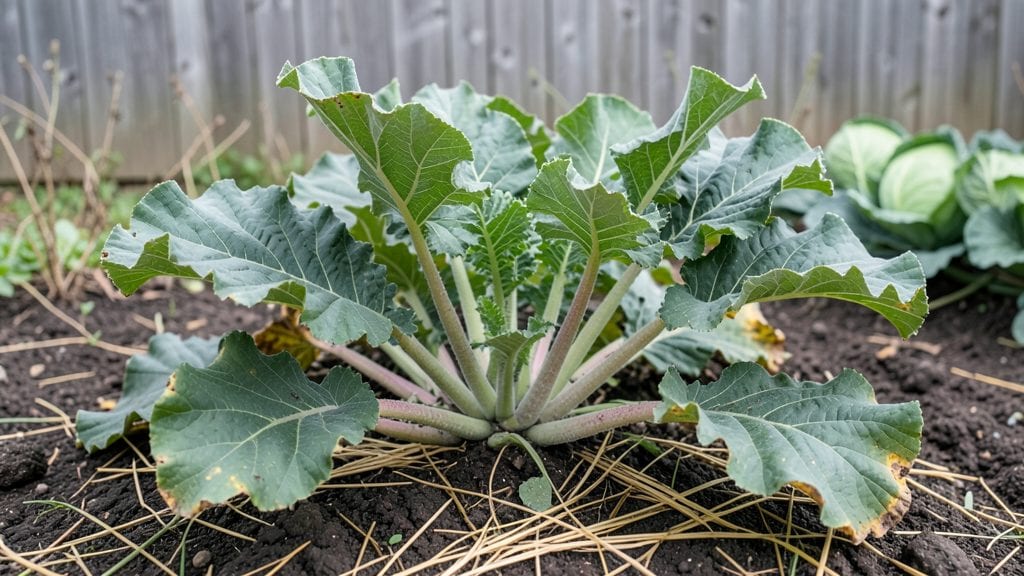
A large rhubarb plant thrives when you treat it like the long-term investment it is—imagine harvesting crisp, tart stalks for decades with minimal effort.
I’ve grown mine for eight years now, and the secret isn’t just patience but understanding its quirks: the way it spreads underground like a stubborn (but welcome) weed, how it rewards good soil with foot-long stalks, and how it forgives neglect almost as much as it rewards care.
The key starts with soil—rhubarb loves rich, well-draining earth mixed with compost, and it needs 12-18 inches of depth to spread its roots comfortably.
Space plants 3-4 feet apart to give them room to bulk up, and plant in full sun where they’ll soak up at least 6-8 hours of light daily.
Water deeply once a week, more in summer, but never let it sit in soggy soil—root rot is the silent killer of these giants.
By year three, your rhubarb will start sending up those iconic red stalks, and the harvest gets better every season. Prune old leaves in early spring to encourage new growth, and resist the urge to harvest too early—wait until stalks are 10 inches tall for the sweetest flavor.
The first year might feel slow, but stick with it: a well-established rhubarb plant can produce 5-10 pounds of harvest per season for years.
Here’s the best part: rhubarb is one of those plants that gets easier with age. Once established, it handles drought better, spreads to fill empty garden corners, and even tolerates light frosts.
My oldest crown now sends up shoots in early spring before the snow’s even melted—proof that a little upfront effort pays off in decades of harvests.
📚 In This Guide
- What you need
- Instructions
- Tips and common mistakes
- Wrapping up and next steps
What you need
- ● Rhubarb crowns: 1–3 mature, disease-free crowns (choose varieties like 'Victoria' or 'Strawberry' for robust growth).
- ● Well-draining soil: Amend with compost (5–10 lbs per planting hole) for nutrient-rich, slightly acidic soil (pH 6.0–6.5).
- ● Organic mulch: 2–3 inches of straw or wood chips to retain moisture and suppress weeds.
- ● Balanced fertilizer: 10-10-10 or 5-10-10 (1–2 lbs per plant) applied in early spring.
- ● Watering can or hose: With a gentle spray nozzle for consistent moisture.
- ● Garden trowel or spade (for digging).
- ● Garden fork (to loosen soil).
- ● Measuring tape (to space plants 3–4 feet apart).
- ● Pruners (for trimming dead leaves or overgrowth).
- ● Gloves (to protect hands from thorns and soil).
- ● Soil test kit (to check pH and nutrient levels).
- ● Drip irrigation system (for automated watering).
- ● Plant support stakes (if stems need extra stability).
- ● Compost tea (for a nutrient boost).
Step-by-Step guide to growing a large rhubarb plant
Here's how to cultivate a robust, sun-loving rhubarb plant that will reward you with decades of harvests.
Choose the Right Location and Prepare the Soil
Rhubarb thrives in full sun to partial shade—select a spot that gets at least 6 hours of sunlight daily. The plant’s large leaves and thick stems need space, so choose a location with at least 3 feet of clearance on all sides to prevent overcrowding. I always pick a spot where the soil drains well but retains moisture, as soggy roots lead to rot.
Before planting, loosen the soil to a depth of 12 inches using a garden fork. Work in 2-3 inches of well-rotted compost or aged manure to enrich the soil with nutrients. Rhubarb prefers slightly acidic to neutral soil (pH 6.0-7.0), so test your soil if possible. If your soil is heavy clay, mix in 1 part sand for every 3 parts soil to improve drainage.
Plant the Rhubarb Crown Correctly
Purchase a rhubarb crown (the thick, fleshy base of the plant) from a reputable nursery. Plant it in early spring, about 2-3 weeks before your last frost date. Dig a hole twice as wide as the crown but only as deep as the crown itself. Place the crown in the hole with the buds facing upward—these are the small, firm growth points you’ll see on the crown.
Spread the roots out gently and cover them with soil, pressing lightly to remove air pockets. Leave the crown just above the soil line—burying it too deep can cause rot. Water deeply right after planting to settle the soil and encourage root establishment. Mulch around the base with 2-3 inches of organic mulch (like straw or shredded leaves) to retain moisture and suppress weeds.
Water and Fertilize for Strong Growth
Rhubarb is drought-tolerant once established, but young plants need consistent moisture to develop strong roots. Water deeply once a week during the first growing season, ensuring the soil stays evenly moist but not waterlogged. You’ll know it’s time to water when the top 1-2 inches of soil feel dry to the touch. Avoid overhead watering to prevent fungal diseases.
In early spring, apply a balanced, slow-release fertilizer (like 10-10-10) around the base of the plant. Use about 1 tablespoon per square foot of soil. Rhubarb is a heavy feeder, so fertilize again in mid-summer with a low-nitrogen, high-phosphorus fertilizer (like 5-10-10) to encourage robust root and stalk growth. Avoid high-nitrogen fertilizers, which promote leafy growth at the expense of edible stalks.
Prune and Maintain for Long-Term Health
Rhubarb is a perennial that can live for decades, but it needs proper care to thrive. In early spring, remove any dead or damaged leaves to encourage new growth. Cut back old leaves as they yellow or die back naturally—this redirects the plant’s energy to producing new stalks. Never cut into the crown itself, as this can harm the plant’s ability to regenerate.
Harvest only from mature plants (those at least 2 years old). Cut stalks at the base with a clean, sharp knife, leaving the leaves intact to protect the crown. Harvest no more than one-third of the stalks in a season to avoid weakening the plant. After harvesting, water deeply to replenish moisture lost during cutting. In late fall, cut back all foliage to 2 inches above the ground to prepare the plant for dormancy.
Protect and Overwinter for Next Year’s Harvest
Rhubarb is hardy in USDA zones 3-9, but young plants benefit from winter protection in colder climates. In late fall, apply a 4-6 inch layer of mulch (like straw or leaves) around the base of the plant to insulate the crown from freezing temperatures. This helps prevent heaving, where the soil freezes and thaws, pushing the crown out of the ground.
In early spring, remove the mulch and check for signs of pests or diseases. If you notice yellowing leaves, stunted growth, or unusual spots, treat with a copper fungicide or neem oil as needed. Rhubarb is generally pest-resistant, but slugs and aphids can occasionally be an issue. Handpick slugs or use beer traps to keep them at bay. With proper care, your rhubarb plant will reward you with harvests for years to come.
Tips & tricks for perfect large rhubarb plant growth
A few key strategies will help your rhubarb thrive and produce bountiful harvests for decades.
Location and Soil Preparation: When selecting your planting spot in Step 1, consider microclimates within your garden. A south-facing location gets the most sunlight, but even partial shade works if it receives at least 6 hours of sun daily. For soil preparation, I've found that adding a handful of wood ash to the 2-3 inches of compost helps adjust the pH toward that ideal 6.0-7.0 range naturally. The 12-inch deep soil loosening is crucial—it prevents water pooling around the roots, which can cause rot during those critical first growing seasons.
Planting the Crown: In Step 2, the positioning of the crown is often overlooked but makes all the difference. When placing the buds upward, look for the small, firm growth points—they should be clearly visible on the crown. I've learned that planting just before the last frost date gives the roots time to establish before summer heat arrives. The 2-3 inches of mulch around the base isn't just for moisture retention—it also helps regulate soil temperature, keeping roots from overheating during summer months.
Watering Strategy: The once-weekly deep watering in Step 3 requires attention to detail. I've found that watering in the early morning allows excess moisture to evaporate during the day, reducing fungal risks. For the first growing season, I recommend checking soil moisture every 2-3 days—if the top 1-2 inches feel dry, it's time to water. The key is maintaining that even moisture without creating soggy conditions, which can lead to crown rot.
Fertilization Timing: The early spring and mid-summer fertilization schedule in Step 3 is perfect for rhubarb's growth cycle. I've had the best results using a 10-10-10 fertilizer in spring to support overall growth, then switching to 5-10-10 in summer to boost root and stalk development. The 1 tablespoon per square foot measurement is precise—too much nitrogen can lead to excessive leaf growth at the expense of those delicious stalks we're after.
Pro Tips for Large Rhubarb Plant
- A few key strategies will help your rhubarb thrive and produce bountiful harvests for decades.
- Location and Soil Preparation: When selecting your planting spot in Step 1, consider microclimates within your garden.
- Planting the Crown: In Step 2, the positioning of the crown is often overlooked but makes all the difference.
Frequently asked questions
Got questions about growing a large rhubarb plant?
You’re not alone! Here are answers to the most common queries—from spacing tips to troubleshooting—so you can cultivate a thriving, long-lived crop with confidence.
How much space does a large rhubarb plant need?
A mature rhubarb plant spreads 3–4 feet wide and grows 2–3 feet tall. Space plants 3 feet apart in rows 4–5 feet apart to allow airflow and easy harvesting. Overcrowding leads to smaller stalks and disease risk—give them room to shine!
When is the best time to harvest rhubarb stalks?
Wait until the plant is at least 2 years old before harvesting. In early spring, cut stalks 1–2 inches above the ground, leaving the leaves (they feed the plant!). Avoid harvesting after mid-summer—it stresses the plant and reduces next year’s yield.
Can I grow rhubarb in containers or small gardens?
Yes! Rhubarb thrives in large containers (at least 18–24 inches deep) with well-draining soil. Choose a dwarf variety like ‘Little Gem’ for smaller spaces. Just ensure the pot gets full sun and overwinters in a sheltered spot—containers dry out faster and may need winter protection.
Why are my rhubarb leaves turning yellow or curling?
Yellow leaves often signal overwatering, nutrient deficiency, or pests. Check for:
- Root rot: Ensure soil drains well and avoid soggy conditions.
- Magnesium deficiency: Add Epsom salt (1 tbsp/gal of water) every 2 weeks.
- Japanese beetles or slugs: Handpick pests or use organic sprays like neem oil.
If leaves curl, it could also mean too much sun—try light afternoon shade in hot climates.
How long does a large rhubarb plant live, and how do I extend its lifespan?
A healthy rhubarb plant can live 20+ years! To maximize its life:
- Divide clumps every 5–6 years to rejuvenate growth.
- Avoid harvesting more than 1/3 of the stalks in a season.
- Mulch heavily in winter to protect roots from freeze-thaw cycles.
- Fertilize lightly in early spring with balanced 10-10-10.
With care, your rhubarb will reward you with decades of harvests!
Wrapping up and next steps
Growing a large rhubarb plant is a rewarding journey that pays off with decades of vibrant harvests and minimal effort—once you’ve mastered the basics! With the right sunlight, soil, and patience, this hardy perennial becomes a staple in your garden, offering tart-sweet rewards year after year. 🌱
Ready to dive in? Start by choosing a sunny spot and prepping your soil—then watch your rhubarb thrive. Next, consider expanding your garden with other low-maintenance perennials to create a bountiful, long-term edible landscape. Happy planting!