
Plants
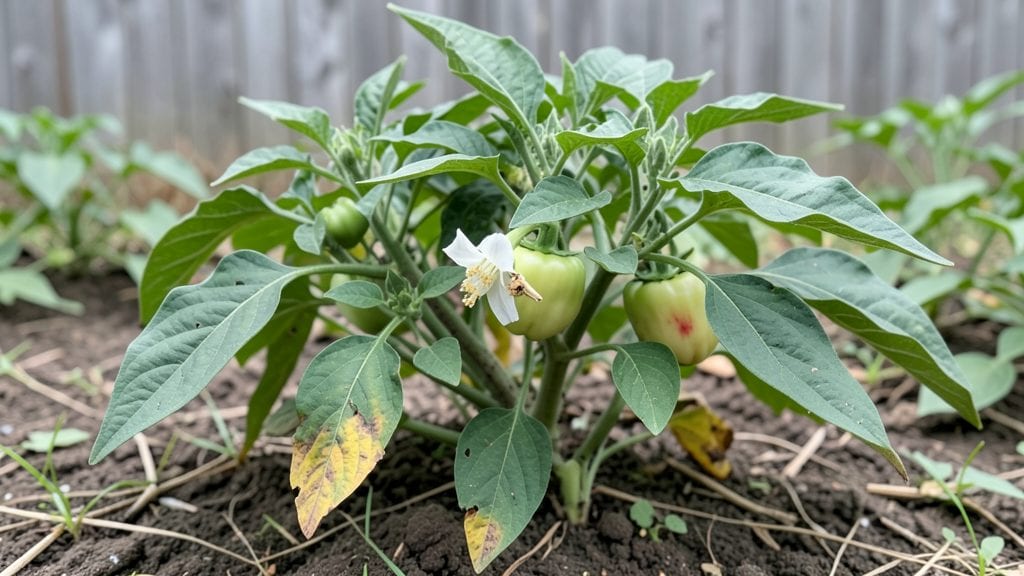
Identifying pepper plants starts with their leaves—serrated edges and a slightly waxy surface give them away. 🌱 I’ve spent years telling bell peppers apart from jalapeños just by looking at the stems, and once you know the tricks, you’ll spot them instantly.
The key is paying attention to leaf shape, stem hairiness, and even the way the plant branches.
Bell peppers have broad, rounded leaves with smooth edges, while jalapeños and habaneros grow narrower, more pointed leaves with tiny teeth. The stems tell another story: bell peppers often have smooth, hairless stems, whereas hot peppers like habaneros might have fine hairs.
And don’t overlook the growth habit—pepper plants tend to bush out rather than vine like tomatoes or eggplants.
You’ll avoid common mix-ups with tomatoes or eggplants by checking these details early. A quick look at the seed packet or a plant database can confirm your guess, but your eyes will learn faster than any app.
By the end, you’ll recognize a pepper plant just by its posture—no fruit needed.
Works for seedlings, mature plants, or even mystery garden surprises. Here’s how to nail the ID every time—no more guessing games in your garden.
Root Causes Of Misidentification
Understanding why pepper plants can be mistaken for other species—or even struggle to thrive—starts with recognizing the underlying factors. Here’s a breakdown of the most common reasons why gardeners and plant enthusiasts face challenges in identifying pepper plants accurately, along with the science behind them.
Pepper plants (Capsicum annuum and relatives) share striking similarities with other nightshades, leading to confusion. Tomato, eggplant, and even some ornamental peppers can look alarmingly alike, especially when young or stressed.
- Leaf Shape Confusion: Many nightshades have lobed or serrated leaves. For example, tomato leaves can resemble those of pepper plants, particularly in varieties like Capsicum annuum ‘Jalapeño’ or ‘Bell Pepper.’ The key difference?
Pepper leaves are usually smoother-edged and more oval-shaped, while tomato leaves often have deeper serrations and a slightly hairier texture. - Stem and Growth Habits: Pepper plants tend to have hairless, upright stems with a slightly woody texture as they mature.
In contrast, eggplant stems may appear more angular or ridged, and tomato stems can be more succulent and prone to hairiness. - Flower and Fruit Clues: Pepper flowers are small, white, or purple, often growing in clusters near the stem.
Tomato flowers, however, are larger, yellow, and solitary. Fruits also differ: peppers are smooth or slightly waxy, while tomatoes are softer and more rounded.
💡 Pro Tip: If you’re unsure, check the flowers and early fruit development—this is where peppers reveal their true identity!
Pepper plants under stress—whether from heat, cold, or poor soil conditions—can develop leaf discoloration, curling, or stunted growth, making them look unhealthy or even diseased. This often leads gardeners to assume they’ve planted the wrong species.
- Heat Stress (Sun Scorch): In high temperatures (above 90°F/32°C), pepper leaves may develop yellowing edges (scorch) or bleached patches.
This mimics nutrient deficiencies (like potassium lack) but is purely environmental. - Cold Damage: If exposed to temperatures below 50°F (10°C), pepper leaves can turn black or mushy, resembling fungal infections.
However, the damage is uniform across the plant, not patchy like disease. - Poor Drainage or Overwatering: Waterlogged soil causes yellowing leaves and wilting, which can be mistaken for root rot in other plants.
Peppers, however, often recover quickly once drainage improves, whereas true root rot spreads faster.
🔥 Actionable Fix: If your plant looks sick but no pests or spots are present, check soil moisture and temperature—adjusting these can revive a pepper plant in days!
Pepper plants are susceptible to pests like aphids, spider mites, and hornworms, which can distort leaves and stems, making identification harder. However, some damage is normal growth, not a pest issue.
- Hornworm Feeding: These caterpillars strip leaves, leaving large, irregular holes. While damaging, the pattern is distinct—chewed edges, not clean cuts. - Aphid Infestations: These tiny bugs cause curling leaves and sticky residue (honeydew), which can be confused with fungal issues.
However, aphids cluster on new growth, while fungi spread randomly. - Natural Leaf Drop: Pepper plants shed lower leaves as they mature, especially in low-light conditions. This is normal, not a sign of disease.
✨ Quick Test: Run a soapy water spray on suspected pest areas—if bugs appear, it’s an infestation. If not, it’s likely environmental stress or natural pruning.
Not all peppers look alike—some varieties are bred to resemble other plants for marketing or ornamental purposes.
For example: - ‘Black Pearl’ Peppers have dark, almost eggplant-like fruits, confusing beginners. - ‘Shishito’ Peppers grow in long, slender clusters, mimicking green beans when young. - ‘Decorative Peppers’ (like Capsicum annuum ‘Frisée’) have ruffled leaves, resembling ornamental plants.
📊 Key Identifier: Check the fruit shape and plant habit:
- Bell peppers = Blocky, smooth fruits.
- Chili peppers = Tapering, often with bumps or ridges.
- Ornamental peppers = Colorful, glossy, and often not edible.
Even experienced gardeners mislabel plants—whether due to weak seed packets, nursery mistakes, or accidental cross-pollination.
If your pepper plant doesn’t match its label, consider: - Seed Mix-Ups: Some pepper seeds look identical (e.g., ‘Anaheim’ vs. ‘Jalapeño’). - Grafting Confusion: Grafted pepper plants (common in commercial farming) may have unusual rootstock traits, making them look different from seed-grown varieties. - Hybridization: If planted near tomatoes or eggplants, peppers can cross-pollinate, leading to unexpected traits.
🎯 Solution: Take photos at each growth stage and compare them to reliable plant databases (like the USDA Plants Database or Pepper Scale).
The best way to accurately identify a pepper plant is to combine leaf shape, stem texture, flower structure, and fruit development. When in doubt, consult a local extension office or plant forum—many gardeners have faced the same confusion!
Would you like a visual comparison chart for common pepper vs. non-pepper plants? Let us know in the comments!
Fixing Common Pepper Plant Issues
Now that you’ve identified your pepper plant’s symptoms, let’s tackle the fixes—whether it’s wilted leaves, pests, or stunted growth. Below are practical, step-by-step solutions tailored to the most common problems, plus prevention tips to keep your peppers thriving.
Cause: Overwatering, underwatering, nutrient deficiency, or disease (like bacterial spot or fusarium wilt).
Step 1: Check the Roots 🔍
- Gently dig around the base (1–2 inches deep) to inspect roots.
- Healthy roots are firm and white. Rotten roots (mushy, brown) mean overwatering. Dry, brittle roots signal underwatering.
Step 2: Adjust Watering Habits 💧
- Overwatered? Let the soil dry out completely between waterings. Use a moisture meter or stick your finger in—if the top 2 inches are damp, wait.
- Underwatered? Water deeply until it drains from the bottom. Mulch with straw to retain moisture.
Step 3: Boost Nutrition 🍃
- Yellow leaves? Add balanced fertilizer (like 10-10-10) or Epsom salt (1 tbsp per gallon of water) for magnesium.
- Weak stems? Use a phosphorus-rich fertilizer (5-10-10) to strengthen roots.
Prevention Tips:
✅ Water at the base (not leaves) to prevent fungal diseases. ✅ Use well-draining soil (mix in perlite or coconut coir). ✅ Rotate plants yearly to avoid soil depletion.
Cause: Aphids, spider mites, or whiteflies sucking sap, leading to stunted growth and leaf curl.
Step 1: Isolate the Plant 🛡️
- Move infested plants away from healthy ones to prevent spread.
Step 2: Blast Off Pests 💦
- For aphids/spider mites: Spray with soapy water (1 tsp mild dish soap + 1 quart water) or neem oil (1 tbsp per quart).
- For whiteflies: Use yellow sticky traps or horticultural oil.
Step 3: Encourage Beneficial Bugs 🐞
- Release ladybugs or lacewings (available at garden centers) to eat pests naturally.
Prevention Tips:
💡 Inspect leaves daily—catch pests early! 🌿 Plant companion crops like basil or marigolds to repel pests. 🌡️ Avoid over-fertilizing with nitrogen—it attracts soft-bodied pests.
Cause: Poor lighting, nutrient deficiency, or overcrowding.
Step 1: Optimize Light 🌞
- Indoor plants? Move to a south-facing window or use grow lights (12–16 hours/day).
- Outdoor plants? Ensure 6+ hours of direct sunlight daily.
Step 2: Prune for Strength 🌿
- Trim long, leggy stems to encourage bushier growth.
- Remove yellow or damaged leaves to redirect energy.
Step 3: Fertilize Correctly 🌱
- Use a low-nitrogen, high-phosphorus fertilizer (like 5-10-10) to promote flowering/fruiting.
- Avoid over-fertilizing—peppers prefer lean soil.
Prevention Tips:
✨ Thin seedlings to 12–18 inches apart for airflow. ✨ Rotate pots weekly if indoors to prevent uneven growth.
Cause: Powdery mildew, bacterial spot, or blight from excess moisture or poor airflow.
Step 1: Remove Affected Parts ⚔️
- Snip off yellowed or spotted leaves with clean scissors.
Step 2: Apply Fungicide 🛡️
- Preventative: Spray with copper fungicide or baking soda mix (1 tbsp baking soda + 1 quart water + drop of soap).
- Severe cases: Use neem oil or hydrogen peroxide (1 tsp per cup of water).
Prevention Tips:
🌡️ Water in the morning so leaves dry quickly. 🌬️ Space plants 18+ inches apart for airflow. 🌿 Avoid overhead watering—use drip irrigation instead.
If your plant is completely wilted or blackened:
- Trim dead growth down to healthy green stems.
- Repot in fresh, sterile soil (sterilize with baking soda or hydrogen peroxide).
- Reduce watering for 1–2 weeks to let roots recover.
- Move to bright, indirect light until new growth appears.
Pro Tip: 🌟 Keep a plant journal! Note watering, sunlight, and issues to spot patterns and adjust care faster next time. Happy growing! 🌶️
Frequently asked questions
How can I tell the difference between bell peppers and hot peppers just by looking at the leaves?
Bell pepper leaves are typically broader and smoother with fewer serrations, while hot pepper varieties like jalapeños or habaneros have narrower, more pointed leaves with tiny teeth along the edges. The stems also differ—bell peppers often have hairless stems, whereas hot peppers may show fine hairs.
What should I do if my pepper plant looks like a tomato plant but isn't producing flowers?
Check the leaf shape first—pepper leaves are usually smoother and more oval, while tomato leaves have deeper serrations. If it’s still unclear, examine the flowers: pepper flowers are small and cluster near stems, while tomato flowers are larger, yellow, and solitary. If no flowers appear, it might need more sunlight or fertilizer.
Can I identify a pepper plant without seeing any fruit?
Yes! Focus on the leaves, stems, and growth habit. Pepper plants have a bushy, upright growth pattern with serrated leaves and small white or purple flowers. If it’s a seedling, compare it to a reference photo—young pepper plants often resemble other nightshades, but the leaf texture and stem thickness are key clues.
Why does my pepper plant look like an eggplant but isn’t producing edible fruit?
Some ornamental pepper varieties (like 'Frisée') have ruffled leaves and dark, glossy fruits that resemble eggplants. Check the flowers—pepper flowers are small and clustered, while eggplant flowers are larger and solitary. If the fruits are colorful and not edible, it’s likely a decorative pepper, not an eggplant.
How can I confirm my pepper plant’s variety if it’s not labeled?
Use a plant database like the USDA Plants Database or Pepper Scale to compare leaf shape, stem texture, and fruit characteristics. Take photos at different growth stages and check for unique traits—like fruit shape (blocky for bells, tapering for chilies) or leaf color (dark green for hot peppers, lighter for bells).