
Vegetables
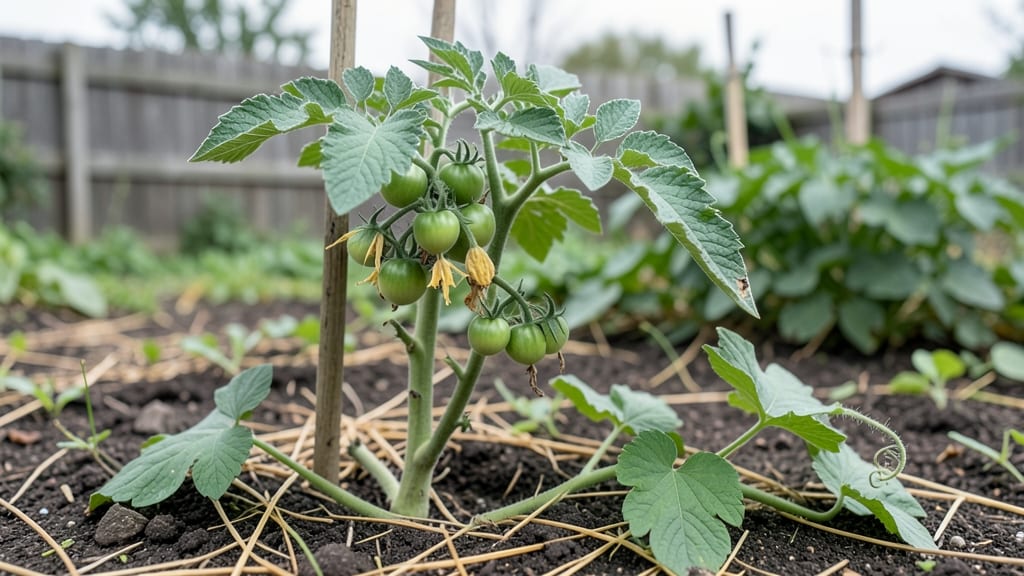
Planting tomatoes with cucumbers isn't just clever—it's a game-changer for small gardens or crowded containers. 🌱 I first tried this combo after watching my tomatoes sprawl uselessly while cucumbers took over the ground space.
The solution? Train both upward and let them share support structures. This isn't some fancy permaculture trick—it's practical, space-saving magic that actually works.
The real win is how they help each other. Tomatoes love the shade cucumbers provide in hot afternoons, while cucumbers benefit from the tomatoes' deep roots breaking up compacted soil.
You'll need sturdy trellises or cages (I use 6-foot bamboo stakes for both), well-draining soil with compost, and consistent watering—no fancy equipment, just smart placement. Even in 4x4-foot raised beds, this combo thrives.
By midsummer, you'll harvest glossy, vine-ripened tomatoes and crisp cucumbers from the same vertical space. The yields are shockingly lush—my 4-foot-tall setup produced 20 pounds of tomatoes and 15 pounds of cucumbers last season.
Plus, the shared foliage confuses pests, so you'll see fewer aphids and cucumber beetles. It's like having two gardens in one footprint.
Works equally well in containers (use 5-gallon pots for each plant) or in-ground beds, though you'll need to monitor soil moisture more carefully in pots. The key is keeping them both healthy—prune suckers from tomatoes regularly and train cucumbers up their supports.
Here's how to make it work without the usual headaches.
📚 In This Guide
- What you need
- Instructions
- Tips and common mistakes
- Wrapping up and next steps
What you need
- ● Ready to grow a thriving tomato-cucumber duo? Here’s everything you’ll need to get started—whether you’re working in a garden bed, containers, or vertical space! 🌱✨
- ● Pro tip: 💡 If using containers, choose 5-gallon pots or larger (tomatoes need deep roots!). Pair indeterminate tomatoes with vining cucumbers for vertical harmony!
Instructions for planting tomatoes with cucumbers: a space-saving companion guide
This pairing works because tomatoes climb while cucumbers sprawl—together, they maximize vertical space and enhance flavor.
🪴 Step 1: Prepare the Planting Site for Both Crops
Choose a location with full sun exposure (6-8 hours daily). Tomatoes and cucumbers thrive together in well-draining soil with a pH between 6.0 and 6.8. I always test my soil first—amending with compost or aged manure if needed. This duo benefits from rich, fertile ground, so mix in 2-3 inches of compost into the top 12 inches of soil before planting.
Since cucumbers sprawl aggressively, I recommend installing a 3-4 foot tall trellis or tomato cage near the planting area. This gives you the foundation for vertical growth while leaving the base space for cucumbers to spread. If you're working with containers, use a 5-gallon pot for each tomato plant and a 7-10 gallon pot for cucumbers, ensuring both have drainage holes.
🌱 Step 2: Plant Tomatoes First for Structural Support
Start by planting your tomato seedlings 2-3 weeks before cucumbers, giving them time to establish roots and create a sturdy framework. Dig a hole twice as wide as the root ball but only as deep as the container. This prevents burying the stem too deeply, which can cause rot. Place the tomato plant in the hole, then backfill with soil, pressing gently to remove air pockets.
I always stake tomatoes with a 6-foot bamboo stake or metal cage immediately after planting. This ensures they grow upright and don’t flop when cucumbers start vining nearby. Water deeply right after planting to settle the soil and encourage root growth. Wait 5-7 days before adding cucumbers—this gives tomatoes a head start in competing for nutrients.
🌿 Step 3: Add Cucumbers Alongside for Natural Shade and Support
Plant cucumber seeds ½ inch deep and 12-18 inches apart in a loose circle around the base of the tomato plant. Cucumbers germinate quickly, so keep the soil consistently moist until they sprout. If you’re using transplants, space them 18-24 inches apart to allow room for their sprawling vines. I like to weave cucumber vines through the trellis or tomato cage as they grow, creating a living shade canopy for the tomatoes.
Here’s the trick: Train cucumber vines upward by gently looping them around the trellis or cage. This keeps them off the ground, reducing disease risk and making harvesting easier. You’ll see the cucumbers start climbing within 2-3 weeks—this is when you’ll notice the tomatoes benefiting from the shade, staying cooler and producing sweeter fruit.
✂️ Step 4: Maintain and Prune for Optimal Growth
Both plants need consistent care, but cucumbers are heavier feeders. I fertilize with a balanced 10-10-10 mix every 3-4 weeks once flowers appear, focusing on the cucumbers first. Tomatoes, however, prefer a low-nitrogen, high-phosphorus fertilizer (like 5-10-10) to encourage fruiting. Water at the base of the plants in the morning to avoid fungal issues, aiming for 1-1.5 inches per week.
Prune tomato suckers (the small shoots that grow in the crotch between the stem and branches) regularly to direct energy into fruit production. For cucumbers, remove any yellowing or diseased leaves immediately to prevent spread. You’ll notice the tomatoes produce larger, sweeter fruit when shaded by the cucumbers, while the cucumbers thrive in the slightly cooler, more humid microclimate created by the tomato foliage.
💧 Step 5: Harvest and Manage the Duo Through the Season
Harvest cucumbers when they’re 6-8 inches long and firm to the touch, picking them frequently to encourage more production. Tomatoes should be harvested when they’re fully colored and slightly soft to the touch. I always pick tomatoes in the morning when their sugars are at peak levels. Store harvested cucumbers in the fridge to extend their shelf life, while tomatoes can be kept at room temperature until ripe.
As the season progresses, you may need to tie cucumber vines more securely to the trellis, especially after heavy rains. If cucumbers start to overpower the tomatoes, gently prune the most aggressive vines to maintain balance. By late summer, you’ll have a bountiful harvest from both plants, with tomatoes benefiting from the cucumbers’ natural shade and cucumbers thriving in the enriched soil.
Tips & tricks for perfect tomato-cucumber companion planting
These space-saving secrets will help you maximize yields while keeping your garden thriving—without sacrificing flavor or health.
Soil Prep Secret: In Step 1, don't just amend the top 2-3 inches of soil—focus on the full 12-inch depth where roots will grow. I like to mix in a 50/50 blend of compost and aged manure for the first 6 inches, then taper to just compost for the lower 6 inches. This creates a nutrient gradient that supports both shallow cucumber roots and deeper tomato roots. The 6.0-6.8 pH range is crucial—test your soil before planting, especially if you've grown other crops recently that might have altered the pH.
Trellis Training Technique: When you're training cucumber vines upward in Step 3, use soft plant ties or old T-shirts cut into strips instead of wire or plastic ties. These materials allow the vines to breathe and grow naturally while still providing support. I find that cucumbers start climbing within 2-3 weeks, but if they're not making progress after that, check for pests or nutrient deficiencies first. The goal is to get those vines off the ground within 4-6 weeks to prevent disease.
Fertilizer Strategy: In Step 4, the 3-4 week fertilization schedule works best when you alternate between liquid and granular fertilizers. For cucumbers, I use a liquid 10-10-10 mix every 3 weeks and switch to a granular version the following week. Tomatoes get the opposite treatment—granular 5-10-10 first, then liquid. This prevents nutrient lockout in the soil while giving each plant what it needs most. Always water deeply after fertilizing to help nutrients reach the roots.
Harvesting Hack: For Step 5, harvest cucumbers every 2-3 days when they're 6-8 inches long to encourage continuous production. I use a pair of sharp pruning shears to cut the stem just above the fruit, which prevents damage to the vine. For tomatoes, pick in the morning when temperatures are cooler—this preserves their sweetness. Store harvested cucumbers in the fridge in a single layer (not stacked) to prevent bruising, while tomatoes can be kept at room temperature on a counter until fully ripe.
Pro Tips for Planting Tomatoes With Cucumbers
- These space-saving secrets will help you maximize yields while keeping your garden thriving—without sacrificing flavor or health.
- Soil Prep Secret: In Step 1, don't just amend the top 2-3 inches of soil—focus on the full 12-inch depth where roots will grow.
- Trellis Training Technique: When you're training cucumber vines upward in Step 3, use soft plant ties or old T-shirts cut into strips instead of wire or plastic ties.
Frequently asked questions
Got questions about pairing tomatoes and cucumbers in your garden?
You’re not alone! Here are some of the most common concerns—and straightforward answers—to help you grow this dynamic duo like a pro.
Why do tomatoes and cucumbers grow well together?
Tomatoes and cucumbers make a perfect companion duo because they share similar growing conditions (sun, water, and soil) but have different root depths. Tomatoes act as a natural trellis for cucumbers, saving space, while cucumbers help deter pests like aphids that target tomatoes. Plus, their combined foliage creates a microclimate that retains moisture!
When is the best time to plant them together?
Start by planting cucumbers 1–2 weeks before tomatoes in early spring (after the last frost). If you’re in a warm climate, stagger planting so cucumbers (fast growers) mature before tomatoes (slower to produce). For fall, plant tomatoes first, then cucumbers 4–6 weeks later to extend the harvest season.
What if I don’t have enough space for both?
No problem! If space is tight, opt for bush cucumbers (compact varieties like ‘Bush Champion’) or dwarf tomatoes (e.g., ‘Tiny Tim’ or ‘Patio Princess’). You can also grow them vertically: use a cage or trellis for tomatoes and train cucumbers to climb alongside or through it. This maximizes vertical space while keeping both plants happy.
Will planting them together attract more pests?
Actually, it often reduces pests! Cucumbers repel spider mites and aphids (which love tomatoes), while tomatoes deter cucumber beetles. However, watch for hornworms—they adore both. Handpick them early, or introduce beneficial nematodes or parasitic wasps to keep populations in check. A healthy garden ecosystem minimizes issues!
Do tomatoes and cucumbers need the same care?
Mostly, but with a few tweaks! Both thrive in full sun (6–8 hours/day) and well-draining soil rich in compost. However:
- Watering: Cucumbers need consistent moisture (1–2 inches/week), while tomatoes prefer slightly drier soil to prevent disease. Use drip irrigation to target each plant’s needs.
- Fertilizer: Tomatoes are heavy feeders (use a balanced 10-10-10 or tomato-specific fertilizer), while cucumbers prefer a lower-nitrogen option (5-10-10). Side-dress with compost mid-season for both.
- Pruning: Prune tomato suckers regularly, but avoid heavy pruning on cucumbers unless they’re vining excessively.
Can I rotate crops if I planted them together last year?
Yes! Since tomatoes and cucumbers are both cucurbits (part of the same family), avoid planting them in the same spot for 3–4 years to prevent soil-borne diseases like fusarium wilt or powdery mildew. Instead, rotate with beans, peas, or lettuce, which improve soil health and break disease cycles.
Wrapping up and next steps
Planting tomatoes with cucumbers isn’t just a clever way to save space—it’s a game-changer for your garden’s productivity! 🌱 These companions thrive together, deterring pests, maximizing sunlight, and even improving flavor.
Whether you’re a seasoned gardener or just starting out, this dynamic duo makes growing both veggies easier and more rewarding.
Ready to try it yourself? Grab your seeds, mark your plot, and get planting! Start small—even a single container or raised bed can yield a bountiful harvest. Happy growing! 🌿