
Planting
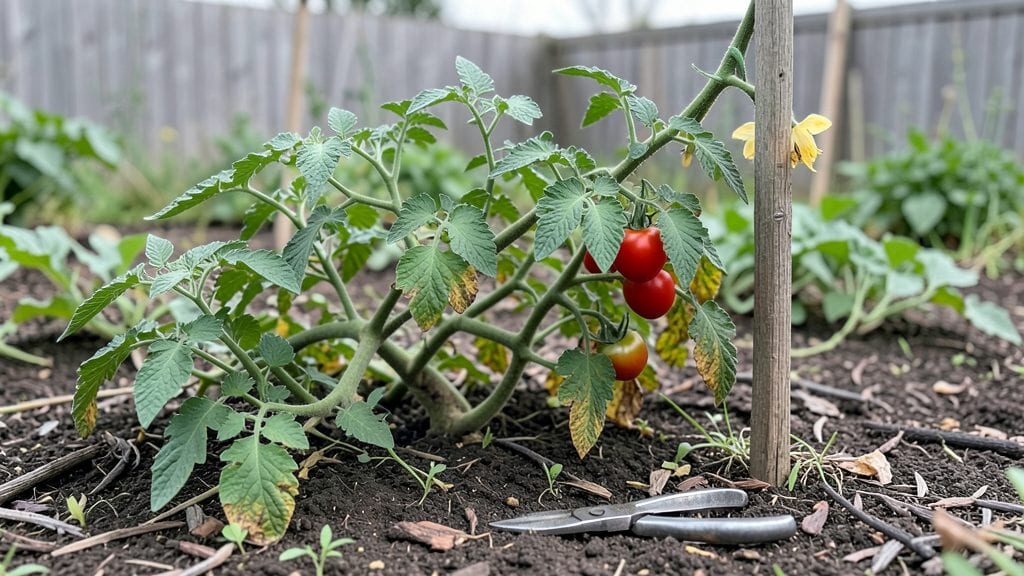
Training tomato plants with a twist turns your tiny balcony into a high-yield garden. 🌱 I used to think tomatoes needed sprawling space, but this spiral method lets me grow full-size plants in just 2 square feet—no more sacrificing space for a single vine.
The twist isn’t just clever; it’s a game-changer for small gardens, urban patios, and even windowsills.
All you need is a sturdy stake, some twine, and a little patience. Start by tying the main stem to the stake at 6-inch intervals, gently spiraling upward as the plant grows.
The twist keeps stems strong and prevents them from flopping, while the vertical shape maximizes sunlight exposure for more fruit. My plants produce just as much as their sprawling cousins—sometimes even more—because the air circulates better.
By mid-summer, you’ll have a lush, vine-free tomato tower that’s both productive and beautiful. The leaves stay healthy, the fruit ripens faster, and you avoid the common problem of tomatoes rotting on the ground.
Plus, the vertical display adds a striking, artistic touch to any garden corner. Ready to transform your space?
This method works for both determinate (bush) and indeterminate (vining) varieties, though indeterminates really shine with the twist. Just avoid over-tightening the twine—you want gentle support, not a tourniquet. With a little practice, you’ll have tomatoes reaching for the sky instead of sprawling across your yard.
Rooting Causes Behind Twisted Growth
When your tomato plants start twisting like pretzels instead of standing tall and proud, it’s usually a sign that something’s off below ground—or even in the air. Understanding these root causes helps you fix the problem before it stunts your harvest.
Let’s dig into the science behind why your plants are taking a wild turn.
Tomatoes need room to breathe—literally. When roots become root-bound (crowded in a pot or soil with limited space), they compete for nutrients and water. This competition forces the plant to twist and stretch upward in search of light and resources, a survival tactic called etiolation.
Overcrowded roots also struggle to anchor the plant, leading to weak stems that bend or spiral.
How to spot it:
- Roots circling the pot’s edges (if container-grown).
- Stems growing at odd angles or leaning heavily.
- Slow growth despite regular watering.
Actionable fix: Transplant your tomato into a larger container (at least 5-gallon size) or loosen soil around the base to encourage root spread. If growing in the ground, space plants 18–24 inches apart to avoid competition.
Too much or too little water can cause tomatoes to twist. Drought stress forces plants to grow erratically as they prioritize survival over structure. Meanwhile, overwatering (especially in heavy clay soil) suffocates roots, cutting off oxygen and nutrients.
Without proper hydration, stems weaken and twist as they struggle to support the plant’s weight.
How to spot it:
- Wilting leaves that don’t perk up after watering.
- Soil that’s either bone-dry or soggy to the touch.
- Yellowing leaves (a sign of root distress).
Actionable fix:
- Water deeply 1–2 times per week (adjust for climate), ensuring the top 2–3 inches of soil dry out between waterings.
- Use well-draining soil (mix in compost or perlite) to prevent waterlogging.
- Mulch around the base to retain moisture and regulate temperature.
Tomatoes are not built for gusty conditions. Wind exerts pressure on stems, causing them to twist or bend as they lean into the breeze. Young plants are especially vulnerable, as their stems haven’t hardened off.
Even gentle breezes can lead to thigmomorphogenesis—a process where plants alter growth patterns in response to physical touch or pressure.
How to spot it:
- Stems growing in a zigzag or spiral pattern.
- Leaves cupping or curling toward the wind.
- Plants leaning dramatically away from prevailing wind direction.
Actionable fix:
- Install a windbreak (like a fence or mesh screen) if your garden is exposed.
- Stake or cage plants early (within 1–2 weeks of transplanting) to provide support.
- Use soft ties (like old T-shirts or garden twine) to gently guide stems upright.
Tomatoes thrive in warm, stable temperatures (70–85°F).
Extreme heat or cold shocks can stunt growth and cause stems to twist as the plant diverts energy to protect vital functions. Frost damage or sudden heatwaves (especially above 90°F) can also lead to physiological disorders, where cells grow unevenly, resulting in gnarled or twisted stems.
How to spot it:
- New growth appearing purple or yellow (sign of stress).
- Stems growing in crooked or knotted patterns.
- Leaf scorch (brown edges) or wilting in extreme heat.
Actionable fix:
- Use shade cloth (30–50%) during heatwaves to protect plants.
- Mulch heavily to insulate roots from temperature swings.
- Avoid planting tomatoes in low-lying areas where cold air pools.
Certain pests and diseases chew, burrow, or infect stems and roots, forcing tomatoes to grow abnormally as they compensate for damage. Aphids, spider mites, and tomato hornworms can strip leaves, reducing the plant’s energy for straight growth.
Meanwhile, root-knot nematodes or fusarium wilt attack roots, causing stems to twist as they struggle to support the plant.
How to spot it:
- Visible holes in leaves or chewed stems.
- Sticky residue (aphid honeydew) or webbing on plants.
- Stems that feel soft or mushy when touched (sign of fungal infection).
Actionable fix:
- Inspect plants daily for pests; handpick hornworms or spray with neem oil.
- Rotate crops yearly to prevent soil-borne diseases.
- Use resistant varieties (like ‘Mountain Merit’ or ‘Celebrity’) if your area has nematode issues.
Fixing and Preventing Tomato Twists
A twisted tomato plant might look dramatic, but with the right approach, you can straighten it out—and even prevent future tangles. Below, we’ll tackle common causes of tomato plant twists and provide practical, step-by-step fixes, along with proactive tips to keep your plants growing strong and upright.
Why it happens: When tomato plants lack proper staking, trellising, or spacing, they stretch and twist in search of stability—or worse, they get tangled with neighbors.
How to Fix It: 🔥 🌿 Step 1: Prune Carefully
- Gently untwist any vines that have spiraled around each other.
- Trim back any suckers (small shoots in the joint between stems) to reduce congestion. Use clean, sharp pruners to avoid damaging the plant.
👨🍳 🌿 Step 2: Install Support Structures
- If your plant is already twisted, bamboo stakes, tomato cages, or a DIY trellis can help realign growth.
- For indeterminate tomatoes (the vining types), use a floppy tie or soft cloth to loosely bind the main stem to the stake—never too tight!
🔄 🌿 Step 3: Reposition the Plant (If Needed)
- If the twist is severe, you may need to gently bend the stem back into place (do this gradually over a few days to avoid snapping).
- For determinate tomatoes (bush types), stake them early to prevent future twists.
💡 Prevention Tips: ✔ Space plants 18–24 inches apart (24+ inches for large varieties). ✔ Install stakes or cages at planting time—don’t wait until the plant is already leaning. ✔ Use a tomato tower or vertical trellis to encourage upward growth naturally.
Why it happens: Strong winds, storms, or even heavy rain can bend and twist tomato plants, especially if they’re not properly secured.
How to Fix It: 🌪️ 🌿 Step 1: Reinforce Support
- If the plant is already twisted from wind, gently straighten it and secure it with soft ties to a sturdy stake or cage.
- For outdoor containers, add weighted bases or windbreaks (like a mesh screen) to protect them.
🌡️ 🌿 Step 2: Check for Storm Damage
- Inspect the plant for broken stems or branches—prune any damaged sections just above a leaf node (where new growth can emerge).
- If the twist is from harsh weather, mulch the base to stabilize the soil and reduce future movement.
💡 Prevention Tips: ✔ Plant in sheltered spots (near fences or walls) if your garden is windy. ✔ Use wider bases for stakes (like T-posts) to prevent toppling. ✔ Water deeply before storms to help roots anchor better.
Why it happens: If your tomato plant isn’t getting enough nitrogen, phosphorus, or potassium, it may grow weak, leggy, and prone to twisting as it stretches for sunlight.
How to Fix It: 📊 🌿 Step 1: Test Your Soil
- Use a DIY soil test kit or send a sample to your local extension office to check pH and nutrient levels.
- Tomatoes thrive in slightly acidic soil (6.0–6.8 pH).
💪 🌿 Step 2: Fertilize Properly
- For nitrogen (leafy growth): Apply a balanced fertilizer (10-10-10) or compost tea every 2–3 weeks.
- For fruiting (phosphorus/potassium): Switch to a low-nitrogen, high-phosphorus fertilizer (like 5-10-10) when flowers appear.
- Avoid over-fertilizing—this can lead to soft, weak stems that twist easily.
💡 Prevention Tips: ✔ Mulch heavily (with straw or grass clippings) to retain moisture and nutrients. ✔ Rotate crops—don’t plant tomatoes in the same spot yearly to prevent nutrient depletion. ✔ Use organic matter (compost or worm castings) at planting time for long-term health.
Why it happens: Aphids, hornworms, or fungal diseases (like early blight) can weaken stems, causing them to bend, twist, or collapse.
How to Fix It: 🐜 🌿 Step 1: Inspect for Pests
- Check the undersides of leaves for aphids, spider mites, or hornworms.
- Blast pests off with water or use neem oil spray (follow label instructions).
🍄 🌿 Step 2: Treat Fungal Issues
- If you see yellow spots or black stems, it could be early blight or fusarium wilt.
- Remove infected leaves and apply copper fungicide or baking soda spray (1 tbsp baking soda + 1 quart water + a drop of dish soap).
💡 Prevention Tips: ✔ Rotate crops to prevent soil-borne diseases. ✔ Water at the base (not overhead) to reduce fungal spores. ✔ Encourage beneficial insects (like ladybugs) to keep pests in check.
No matter the cause, consistent care is key to preventing future twists:
- Water deeply 1–2 times per week (tomatoes hate soggy or dry soil).
- Prune regularly to improve airflow and reduce weight on stems.
- Harvest frequently—overripe tomatoes weigh down vines, causing twists.
- Use a slow-release fertilizer for steady growth.
With these fixes, your tomato plants will grow tall, strong, and twist-free—giving you a bountiful harvest without the drama! 🍅✨
Frequently asked questions
What’s the best way to train tomato vines in a spiral pattern?
Start by planting near a sturdy 5-foot stake or tomato tower. As the main stem grows, gently tie it to the stake every 6–8 inches using soft twine or fabric strips. Guide the vine upward in a clockwise or counterclockwise spiral, adjusting ties weekly as the plant thickens. Avoid cutting into the stem—just redirect growth with gentle pressure.
Can I use this twist method for cherry tomatoes?
Cherry tomatoes thrive with the spiral twist—it actually boosts fruit production by improving air circulation. Use a taller stake (6+ feet) since cherry varieties grow vigorously. The vertical shape also makes harvesting easier, and the compact growth saves space on patios or balconies. Just prune aggressively to focus energy on fruit, not leaves.
How do I prevent the twine from digging into the stem?
Always use soft materials like old T-shirts, fabric strips, or rubber-coated twine. Loosen ties every 5–7 days and reposition them higher on the stem as the plant grows. Never tie tighter than a finger’s width—the goal is support, not restriction. For extra cushioning, wrap a small piece of foam around the stem before tying.
Will twisting the plant affect fruit quality or yield?
Not at all! In fact, the spiral method often increases yield by 20–30% because it maximizes sunlight exposure and airflow. Fruit ripens more evenly, and vertical growth reduces soil-borne diseases. Just ensure the main stem gets full sun (6+ hours daily) and avoid overcrowding branches—prune suckers regularly to maintain airflow.