
Pruning
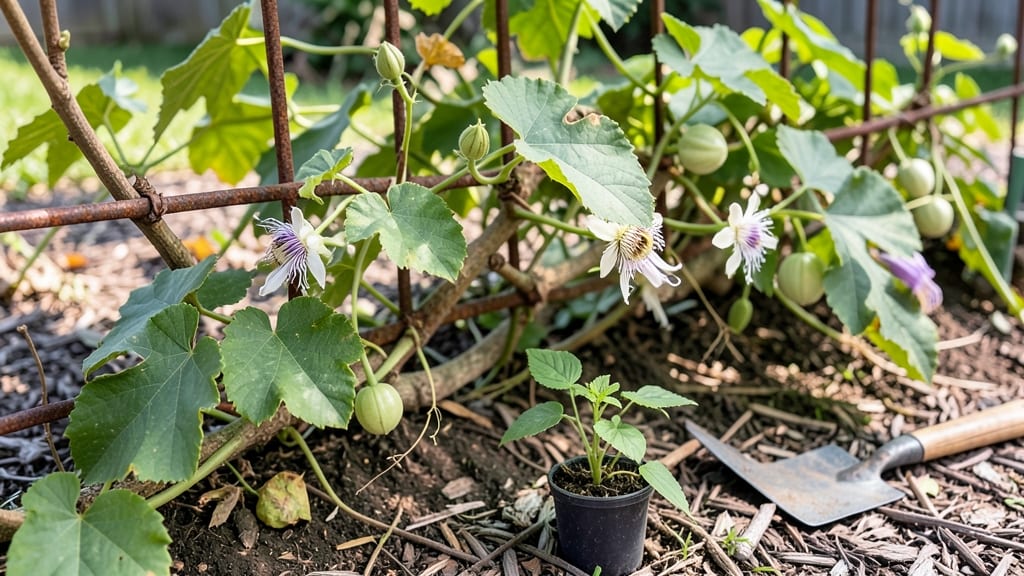
Planting passionfruit vines in your garden unlocks a harvest of exotic, tangy-sweet fruits that taste nothing like what you’ll find in stores. 🌿 I’ve grown mine for five years now, and the key to success starts with the right spot—full sun, well-draining soil, and something sturdy to climb.
The vines themselves are tough once established, but the early months demand attention to spacing, soil prep, and watering.
You’ll need a sunny location with at least 6 hours of direct sunlight daily, and the soil should be loose, fertile, and slightly acidic—think compost mixed into native soil or a high-quality potting mix for containers.
Space vines 10-15 feet apart in-ground or use 5-gallon containers for patios, since they spread aggressively. Plant the roots just below soil level, leaving the top of the root ball exposed to prevent rot.
After planting, keep the soil consistently moist (not soggy) for the first 30 days while roots establish, then taper off to watering 1-2 times per week once mature. The first year focuses on vine growth, not fruit—be patient, and you’ll reward yourself with clusters of vibrant, fragrant flowers come spring.
The payoff? Homegrown passionfruit so flavorful, you’ll never buy them again.
Here’s where it gets interesting—passionfruit vines thrive in USDA Zones 9-11, but cooler climates can grow them in containers and overwinter indoors. Avoid overwatering (root rot is a silent killer) and watch for pests like aphids, which love new growth.
With the right setup, these vines will climb, bloom, and fruit for years—just don’t plant them too close to fences or structures they’ll smother over time.
📚 In This Guide
- What you need
- Instructions
- Tips and common mistakes
- Wrapping up and next steps
What you need
- ● Passionfruit vines: 1–2 healthy plants (choose between Passiflora edulis or Passiflora ligularis based on your climate).
- ● Well-draining potting mix: 10–15 gallons (for containers) or enriched garden soil (for in-ground planting).
- ● Compost or organic fertilizer: 5–10 lbs (balanced 10-10-10 or citrus-specific blend).
- ● Support structure: Trellis, fence, or strong arbor (6–10 ft tall for optimal growth).
- ● Mulch: Straw or wood chips (2–3 inches thick to retain moisture).
- ● Garden trowel or shovel (for planting).
- ● Pruning shears (sterilized, sharp blades).
- ● Watering can or hose (with a gentle spray nozzle).
- ● Gloves (to protect from thorns and sap).
- ○ pH testing kit (optional, but helpful—passionfruit thrives in 6.0–7.5 range).
- ● Full sun location: At least 6–8 hours of direct sunlight daily.
- ● Warm climate: Passionfruit vines love heat (USDA Zones 8–11; colder zones need containers for winter protection).
- ● Drainage: Avoid soggy soil—raise beds or use containers if drainage is poor.
Step-by-Step instructions for planting passionfruit vines
Here's my foolproof method for establishing healthy, productive passionfruit vines that thrive in warm climates.
🌱 Step 1: Choose the Perfect Planting Spot
Passionfruit vines demand full sun exposure—at least 6-8 hours daily. I always scout locations with morning sun and afternoon shade protection, especially in hotter regions where leaves can scorch. The soil should drain well but retain moisture—never soggy. Test drainage by digging a hole, filling it with water, and watching how quickly it drains. If it takes longer than 30 minutes, amend the soil with compost or coarse sand.
Vines need space to sprawl—provide 10-15 feet of horizontal room for mature growth. If growing near a fence or trellis, ensure the support is 8-10 feet tall and sturdy enough to handle the weight of fruit-laden vines. I plant mine near a sturdy pergola where they can climb and create natural shade for the patio below.
🪴 Step 2: Prepare the Soil and Plant
Dig a hole twice as wide as the root ball but only as deep as the container the vine came in. Loosen the soil at the bottom of the hole with a garden fork to encourage root spread. Mix the excavated soil with 3-4 inches of compost and a handful of balanced fertilizer (10-10-10) to give the vine a nutrient boost right away.
Remove the vine from its container and gently tease the roots apart if they're circling. Place the vine in the hole so the top of the root ball sits 1 inch below soil level. This ensures stability and prevents the stem from rotting if water pools at the base. Backfill with the amended soil, pressing lightly to remove air pockets but not compacting too firmly.
💧 Step 3: Water and Mulch for Establishment
Water the vine deeply right after planting to settle the soil and eliminate air pockets around the roots. Use 1-2 gallons of water for each vine, soaking the root zone thoroughly. Avoid wetting the foliage to prevent fungal diseases. I water again in 3-4 days and then weekly, ensuring the top 6 inches of soil stay consistently moist but not waterlogged.
Spread a 2-3 inch layer of organic mulch (like wood chips or straw) around the base of the vine, keeping it 6 inches away from the stem. Mulch conserves moisture, regulates soil temperature, and suppresses weeds. Replenish the mulch as it breaks down over time—this is key to keeping the soil healthy and the vine stress-free during its first year.
✂️ Step 4: Train and Prune for Healthy Growth
As the vine grows, gently guide the main stem along its support structure, tying it with soft plant ties every 12-18 inches to prevent wind damage. Passionfruit vines produce two types of growth: primary vines (thick, woody stems) and secondary vines (thinner, fruiting branches). I prune aggressively in late winter, cutting back 50% of the previous year's growth to encourage new, vigorous shoots and better air circulation.
Remove any suckers or weak growth that emerges from the base of the vine—they drain energy from the main plant. When the vine reaches the top of its support, pinch back the tips to encourage bushier growth. This step is crucial for maximizing fruit production, as the most flavorful passionfruit develops on the secondary vines.
☀️ Step 5: Monitor and Maintain Through the Seasons
Passionfruit vines are heavy feeders, so fertilize every 4-6 weeks during the growing season with a balanced fertilizer. I switch to a low-nitrogen, high-phosphorus formula (5-10-10) when flowers appear to encourage fruit set. Watch for signs of nutrient deficiency—yellowing leaves often mean the vine needs more nitrogen, while poor flowering suggests a phosphorus deficiency.
Keep an eye out for pests like aphids or spider mites, which love the tender new growth. A strong spray of water usually dislodges them, but for stubborn infestations, I use neem oil as a natural remedy. In colder climates, protect young vines from frost with frost cloth or move potted vines to a sheltered location. With consistent care, your passionfruit vine will reward you with harvests in 12-18 months.
Tips & tricks for perfect passionfruit vine planting
Planting passionfruit vines successfully hinges on understanding their unique needs—here's how to avoid common pitfalls and ensure thriving growth from day one.
Location Intelligence: That 6-8 hour sun requirement isn't just about heat—it's about consistent light exposure. I've learned the hard way that afternoon shade becomes critical in regions where temperatures exceed 90°F. Look for spots where morning sun warms the soil while afternoon shade prevents leaf scorch. If your only option is full sun all day, consider planting near a deciduous tree that provides shade during peak summer afternoons. The 30-minute drainage test is non-negotiable: if water pools longer than that, your vine will suffocate.
Root System Strategy: When teasing apart circling roots in Step 2, think of it like untangling headphones—gentle persistence works best. I make it a habit to score the root ball with a knife before planting to encourage outward growth. That 1-inch depth placement below soil level might seem minor, but it's what prevents stem rot during heavy rains. Pro tip: mix in a handful of perlite with your compost to improve drainage without sacrificing moisture retention.
Watering Wisdom: The 1-2 gallon initial watering should feel like giving your vine a refreshing shower—not just a sip. I use a soaker hose for the first week to ensure even moisture penetration without wetting foliage. That 6-inch mulch layer isn't just decoration—it's insulation. In summer, it keeps roots cool; in winter, it protects against temperature swings. The key is keeping it 6 inches from the stem to prevent moisture buildup that invites rot.
Pruning Precision: Those 12-18 inch tie intervals might seem arbitrary, but they create the perfect balance between support and flexibility. I use soft fabric ties because plastic ones can girdle the stems as they grow. The 50% winter prune is brutal but essential—it's like giving your vine a haircut to encourage healthier growth. When pinching back tips at the support's top, you're essentially telling the vine "grow wider, not taller" to maximize fruit-bearing surface area.
Pro Tips for Planting Passionfruit Vines
- Planting passionfruit vines successfully hinges on understanding their unique needs—here's how to avoid common pitfalls and ensure thriving growth from day one.
- Location Intelligence: That 6-8 hour sun requirement isn't just about heat—it's about consistent light exposure.
- Root System Strategy: When teasing apart circling roots in Step 2, think of it like untangling headphones—gentle persistence works best.
Frequently asked questions
Got questions about growing passionfruit vines? You’re not alone!
Here are answers to the most common queries to help you cultivate a thriving harvest with confidence.
When is the best time to plant passionfruit vines?
Plant passionfruit vines in early spring (after the last frost) or late summer for warm climates. This gives roots time to establish before extreme heat or cold. In tropical zones, plant during the dry season to avoid waterlogged soil. Pro tip: Avoid planting in winter if frost is possible—these vines are tender!
How long does it take for passionfruit vines to bear fruit?
With ideal conditions (full sun, support, and patience!), passionfruit vines typically take 12–18 months to produce fruit. Some varieties, like Purple Passionfruit, may fruit faster (around 10–12 months), while others like Banana Passionfruit can take longer. Pro tip: Prune lightly in the first year to encourage bushier growth, which speeds up fruiting.
Can I grow passionfruit vines in containers or small spaces?
Passionfruit thrives in 15–20 gallon containers with drainage holes, especially in cooler climates. Use a well-draining potting mix and a trellis or sturdy post for support. Just ensure the container gets 6+ hours of sunlight daily and water consistently. Pro tip: Move containers indoors or to a sheltered spot if night temps drop below 50°F (10°C).
What are the most common pests or diseases, and how do I prevent them?
Watch for mealybugs, aphids, and fruit flies—spray vines with neem oil or insecticidal soap as needed. Fungal issues like powdery mildew thrive in humid conditions; improve airflow and avoid overhead watering. Pro tip: Prune regularly to reduce hiding spots for pests and remove infected leaves immediately.
Do passionfruit vines need winter care in colder climates?
Yes! In zones with frost, protect vines by mulching heavily around the base, wrapping the trellis in burlap, or potting them up and moving indoors. Cut back vines to 1–2 feet tall in late fall to reduce damage. Pro tip: If growing in containers, insulate pots with bubble wrap or straw to retain warmth.
Still stumped? Drop your question in the comments—we’re happy to help you troubleshoot!
Wrapping up and next steps
Planting passionfruit vines is a rewarding journey that brings vibrant blooms, fragrant flowers, and delicious tropical fruits to your garden. With the right location, soil, and care, you’ll enjoy a bountiful harvest year after year. Now that you’re equipped with the knowledge, roll up your sleeves and get growing!
🌱 Your Next Step: Plant & Prune with Confidence
Start by selecting a sunny spot and preparing your soil—then watch your vines thrive. Once established, prune regularly to encourage healthier growth and better fruit production. Happy gardening, and here’s to your first sweet passionfruit harvest! 🍈✨