Picking
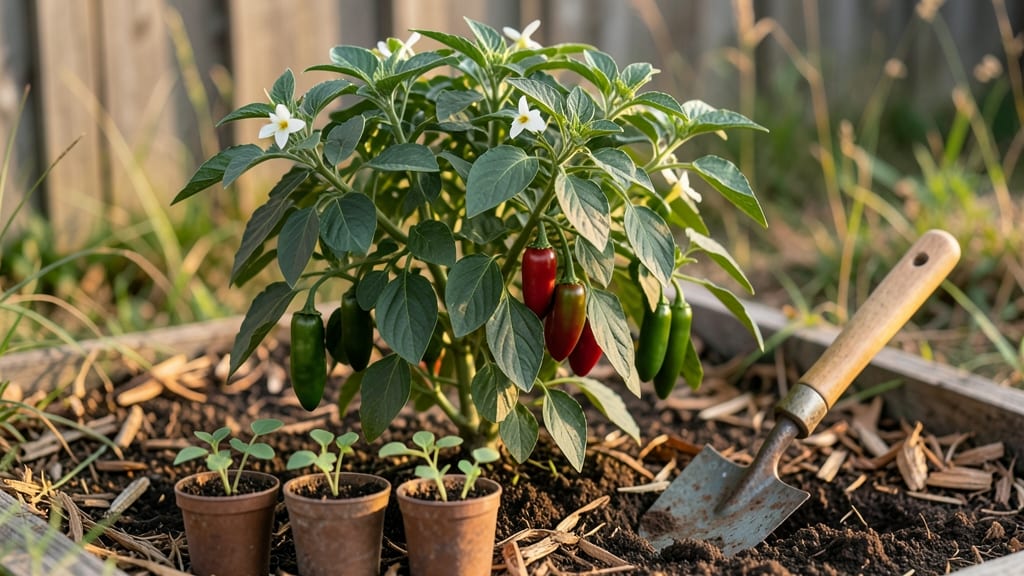
Planting pimento peppers transforms your garden into a spice factory—imagine jars of homemade roasted red peppers waiting to be canned. 🌱 I’ve grown these sweet, smoky peppers for years, and the key is getting them off to the right start.
They’re fussier than jalapeños but reward patience with thick, glossy fruits that keep producing until frost.
The trick begins with warm soil—pimento peppers hate cold feet. Start seeds indoors 8-10 weeks before your last frost, or buy sturdy transplants after all danger of frost has passed. They need full sun (6+ hours daily) and well-draining soil with a pH between 6.0 and 6.8.
Too much nitrogen? Forget peppers—you’ll get leafy monsters instead. Amend your soil with compost and a balanced fertilizer (like 10-10-10) to keep them happy.
Once planted, space them 18-24 inches apart—they’re bushy growers. Water at the base (not overhead) to prevent fungal diseases, and mulch heavily to retain moisture. Within 6-8 weeks, you’ll see those telltale white flowers, followed by peppers that start green and ripen to deep red.
The first harvest arrives around 80-90 days, but they keep producing until frost if you keep them pruned and fed.
Here’s the secret weapon: companion planting. Basil and marigolds repel pests, while onions deter aphids. Avoid planting near fennel or dill—they’ll stunt your peppers. And if your peppers turn bitter?
You’re likely dealing with uneven watering or too much heat. Stick to the routine, and you’ll have enough peppers to roast, stuff, or freeze for next year’s salsa.
📚 In This Guide
- What you need
- Instructions
- Tips and common mistakes
- Wrapping up and next steps
What you need
- ● Pimento Pepper Seeds or Seedlings: Quantity: 3–5 seeds per plant (or 1–2 healthy seedlings per pot/spot).
- ● Specs: Choose disease-resistant varieties like ‘Cherokee Purple’ or ‘Hungarian Wax’ for bold flavor.
- ● Well-Draining Soil: Type: Mix of potting soil (60%) + perlite or vermiculite (30%) + compost (10%).
- ● pH Level: Aim for 6.0–6.8 (test with a soil pH kit if unsure).
- ● Containers or Garden Bed: For containers: 5–10 gallon pots (minimum 12" deep) with drainage holes.
- ● For in-ground planting: Full sun (6+ hours daily) and loose, fertile soil.
- ● Watering Can or Hose: With a gentle spray nozzle to avoid disturbing seedlings.
- ● Fertilizer: Balanced 10-10-10 or organic options like fish emulsion or compost tea.
- ● Apply every 4–6 weeks during growing season.
- ● Gloves: Protect your hands from thorny stems (pimento peppers can be prickly!).
- ● Pruning Shears: For trimming dead leaves or shaping plants.
- ● Mulch (Straw or Pine Needles): Retains moisture and regulates soil temp.
- ○ Shade Cloth: Optional for seedlings if temps exceed 90°F (32°C).
- ● Row Covers: Protects against early pests like aphids.
- ● Last Frost Date: Wait until after the last frost in your area (pimento peppers hate cold!).
- ● Warm Soil: Ideal soil temp for germination is 70–90°F (21–32°C).
- ● Sunlight: Confirm your planting spot gets 6+ hours of direct sun daily.
- ● Time Commitment: Pimento peppers take 70–90 days to mature—plan ahead!
How to plant pimento peppers for a spicy, flavorful harvest
Here's my battle-tested method for growing pimento peppers—bold, flavorful, and packed with heat.
🌱 Step 1: Start Seeds Indoors 8-10 Weeks Before Last Frost
Fill your 4-inch seedling trays with 2 gallons of seed-starting mix, keeping it light and fluffy. Press it down gently—just enough to remove air pockets, but don’t compact it. Pimento peppers need good drainage, so I always add a handful of perlite to the mix before planting.
Drop 2-3 seeds per cell, about ¼ inch deep—they’re small, so use a toothpick to place them precisely. Cover lightly with more mix, then mist the surface with a spray bottle until evenly damp. Place the tray in a warm spot (75-85°F) and cover it with plastic wrap to trap moisture. Check daily for condensation—wipe it off to prevent fungal issues.
☀️ Step 2: Provide Bright Light and Prevent Leggy Growth
Once sprouts appear (5-10 days), remove the plastic and move them to a south-facing window or under grow lights. Pimento peppers need 12-14 hours of light daily—without it, they’ll stretch toward the light with weak stems. If your seedlings start looking leggy (thin, pale, and stretched), raise the lights or move them closer to the window.
Water gently from the bottom of the tray to avoid disturbing the soil. Keep the mix consistently moist but not soggy—pimento peppers hate wet feet. After 4-6 weeks, when seedlings have 2-3 true leaves, it’s time to transplant them into larger pots.
🪴 Step 3: Transplant into Individual Pots with Well-Draining Soil
Fill your 5-gallon containers with a mix of 3 gallons of potting soil and 1 gallon of compost—this gives them the nutrients they’ll need to thrive. Gently remove seedlings from the tray, keeping the root ball intact, and place them 1 inch deeper than they were in the tray. This encourages stronger root growth.
Space them 12-18 inches apart—pimento peppers need room to grow bushy and productive. Water deeply after transplanting to settle the soil and remove air pockets. Place them in a spot with full sun (6-8 hours daily)—they’ll reward you with glossy, healthy foliage and plenty of blooms.
✂️ Step 4: Support and Prune for Maximum Yield
As plants grow, they’ll need stakes or cages to support their weight—pimento peppers can get top-heavy with fruit. Install supports early and gently tie stems to them as they grow. Prune any suckers (side shoots) that form in the leaf axils—this directs energy to fruit production instead of extra foliage.
Water at the base of the plant in the morning to prevent fungal diseases. Pimento peppers are drought-tolerant once established, but they’ll produce more fruit if kept evenly moist. Fertilize every 2-3 weeks with a balanced, water-soluble fertilizer (10-10-10) to keep them thriving.
🌿 Step 5: Harvest and Encourage Continuous Production
Pimento peppers are ready to harvest when they’re 3-4 inches long and firm to the touch. Use pruning shears to snip them at the stem—this prevents damage to the plant. The more you harvest, the more your plant will produce. If you leave peppers on the vine too long, they’ll turn red and lose their signature mild heat.
After harvesting, give your plants a light feeding to keep them producing. If temperatures drop below 50°F, move them indoors or protect them with row covers—pimento peppers are tender and won’t survive frost. With proper care, you’ll have a steady supply of peppers all season long!
Tips & tricks for perfect pimento pepper planting
These battle-tested tips will help you avoid common pitfalls and maximize your pimento pepper harvest.
Seedling Warmth: The 75-85°F temperature range in Step 1 is crucial for germination. If your home runs cooler, consider using a seedling heat mat underneath the trays. I've seen germination rates drop dramatically when seeds sit in temperatures below 70°F. Place a thermometer near the trays to monitor—consistent warmth makes all the difference.
Lighting Strategy: Those 12-14 hours of light daily in Step 2 are non-negotiable. If your south-facing window doesn't provide enough light, supplement with LED grow lights positioned 6 inches above the seedlings. I use a timer to automate the light cycle—this prevents leggy growth and ensures strong, stocky plants ready for transplanting after 4-6 weeks.
Transplanting Technique: When transplanting in Step 3, the 1-inch deeper placement might seem counterintuitive, but it encourages stronger root development. Gently loosen the root ball before placing it in the pot to prevent circling roots. The 3 gallons of potting soil to 1 gallon of compost ratio gives your plants the perfect balance of nutrients without overwhelming them.
Harvesting Hack: For continuous production, harvest peppers when they're 3-4 inches long but still green—this preserves their signature mild heat. I've found that using pruning shears (not fingers) prevents stem damage, which keeps the plant healthy for future harvests. After each harvest, give your plants a light feeding to encourage more blooms and fruit.
Pro Tips for Planting Pimento Peppers
- These battle-tested tips will help you avoid common pitfalls and maximize your pimento pepper harvest.
- Seedling Warmth: The 75-85°F temperature range in Step 1 is crucial for germination. If your home runs cooler, consid...
- Lighting Strategy: Those 12-14 hours of light daily in Step 2 are non-negotiable. If your south-facing window doesn't...
Frequently asked questions
Got questions about growing your own fiery pimento peppers? You’re not alone! Here are some of the most common queries from bold gardeners just like you—plus quick, practical answers to keep your plants thriving.
When is the best time to plant pimento peppers?
Start seeds indoors 8–10 weeks before your last frost date (typically February–March in most climates). Transplant seedlings outdoors only after soil temps hit 60°F (15°C) or warmer—pimentos are heat-lovers and hate cold snaps. If you’re in a short-season zone, opt for fast-maturing varieties like ‘Cherokee Purple’ or ‘Sweet Banana.’
How long does it take for pimento peppers to mature?
Patience pays off! From transplanting, expect 70–90 days for fruit to ripen, depending on the variety and growing conditions. Pro tip: Harvest when peppers turn deep red (or your preferred color) for the best flavor and heat. Late-season plants may need a black plastic mulch to extend warmth.
Can I grow pimento peppers in containers?
Use a 5-gallon pot or larger with well-draining soil and place it in full sun (6+ hours daily). Dwarf varieties like ‘Pimento’ or ‘Lunchbox’ are ideal. Just ensure pots have drainage holes and fertilize weekly with a balanced 10-10-10 mix once flowers appear.
Why aren’t my pimento peppers producing fruit?
Common culprits include poor pollination (shake plants gently or hand-pollinate with a paintbrush), overwatering (let soil dry slightly between waterings), or nutrient deficiencies. Yellow leaves? Boost nitrogen. No flowers? Try a phosphorus-rich fertilizer (like 5-10-10). Bonus: Pimentos thrive in 70–85°F (21–29°C)—heat stress can stall fruit.
What can I substitute if pimento peppers fail?
No pimentos? Try these flavorful swaps:
- Poblano peppers: Mild, meaty, and great for stuffing (roast first to mellow heat).
- Ancho chiles (dried poblano): Add smoky depth to sauces.
- Sweet bell peppers: For a non-spicy base (remove seeds/membranes).
- Smoked paprika: A pantry backup for that unmistakable pimento kick.
For canning or pickling, jalapeños or serranos work too—just adjust seasoning!
Wrapping up and next steps
Growing pimento peppers is a rewarding adventure that brings bold flavors and vibrant colors to your garden—and your kitchen! 🌱 With the right soil, sunlight, and care, you’ll soon be harvesting sweet, spicy, or tangy peppers perfect for stuffing, sauces, or pickling. Now’s the time to roll up your sleeves and get planting!
Ready to take the next step? Start small—whether it’s a single pot or a full garden bed—and watch your confidence (and harvest) grow. Happy planting, and may your pimentos be plentiful! 🌶️✨