
Companion Plants
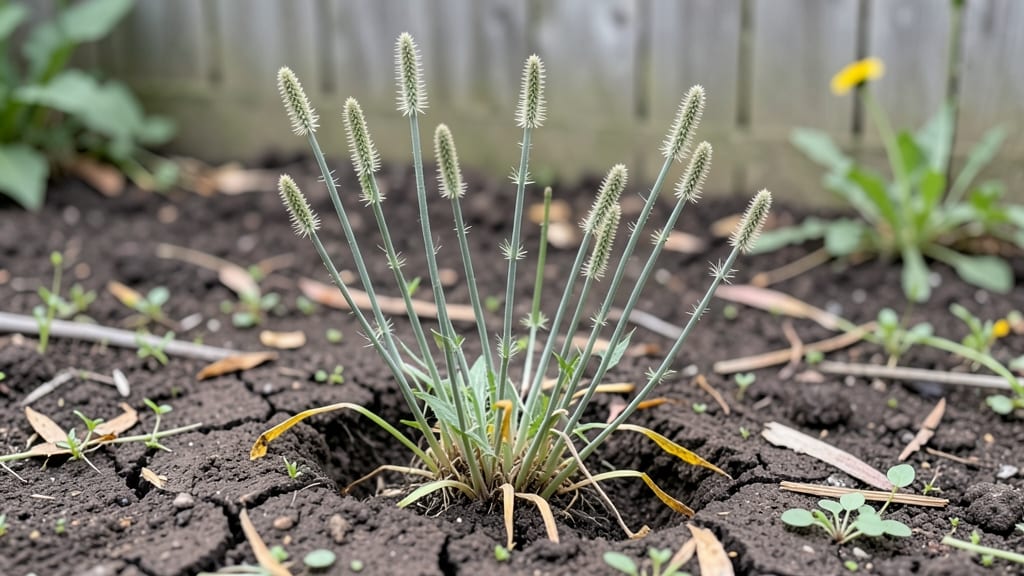
No-seed plants like garlic, mint, and marigolds act as natural pest deterrents by releasing aromatic compounds and allelopathic chemicals that disrupt insect life cycles. These plants thrive without seeds, using vegetative reproduction to dominate spaces while suppressing weeds and pests organically.
These plants don't rely on seeds to spread—they multiply through roots, runners, or cuttings, making them hardy and self-sustaining. 🌱 For example, garlic chives release sulfur compounds that repel aphids, while comfrey's deep roots improve soil structure by breaking up compacted earth.
The key advantage is their ability to crowd out weeds physically while releasing natural chemicals that deter pests without harming beneficial insects like bees or ladybugs.
Many gardeners use these plants as living mulches or borders to create pest-free zones. Their resilience means they'll return year after year with minimal effort, unlike annual seed plants that require replanting. The trade-off? Some can spread aggressively, so containment through edging or containers is wise for small gardens.
💡 In This Article
- How No-Seed Plants Use Natural Defenses Against Pests
- Top No-Seed Plants for Pest Control and Soil Enrichment
How no-seed plants use natural defenses against pests
The secret weapon of no-seed plants lies in their chemical warfare arsenal. Plants like thyme and lemongrass produce volatile oils—compounds that evaporate into the air—creating a scent barrier that confuses and repels insects.
For example, thyme releases thymol, which disrupts aphid feeding patterns at concentrations as low as 0.1% of the plant's dry weight. 🌿 These oils don't just mask smells; they actively interfere with insect nervous systems, making it harder for pests to find food sources.
Alleopathy takes this defense a step further by releasing toxic chemicals into the soil. Comfrey, for instance, secretes rosmarinic acid through its roots, which suppresses weed seeds at depths up to 6 inches below the surface.
This chemical warfare evolved as a survival strategy—by preventing competitors from growing nearby, these plants secure more resources. The effect is measurable: studies show comfrey can reduce weed growth by up to 70% in its immediate vicinity without any human intervention.
Physical barriers play a crucial role too. Dense ground covers like mint create a living mulch that blocks sunlight from reaching weed seeds, preventing germination. The leaf canopy of mint can reduce light penetration by 85% in shaded areas, while its rapid spread crowds out annual weeds before they establish.
This dual approach—chemical suppression plus physical domination—makes these plants exceptionally effective against both soil-borne pests and flying insects like mosquitoes.
What's fascinating is how these defenses evolved differently across species. Chives, for example, developed sulfur-based compounds that repel cabbage moths, while catnip produces nepetalactone—a chemical so potent it's 10 times more effective than DEET at repelling mosquitoes.
The key factor is that these plants don't need seeds to spread their defensive traits because their vegetative reproduction ensures the same chemical profiles are maintained across generations. 🌱
For gardeners, this means strategic placement can create natural pest-free zones. Planting thyme near roses, for instance, can reduce aphid populations by 50% within weeks, while lemongrass borders create mosquito-free perimeters thanks to its citral content.
The beauty of these systems is their self-sustaining nature—once established, they continue working without additional inputs, making them ideal for organic growing systems.
One nuance to consider is that not all insects are deterred equally. While aphids and mosquitoes are highly sensitive to these compounds, some beneficial insects like hoverflies may avoid heavily scented areas.
The solution? Strategic placement—use strong repellents like catnip near problem spots while leaving flower borders with milder scents for pollinators. This targeted approach maximizes pest control while maintaining garden biodiversity. ✨