
Companion Plants
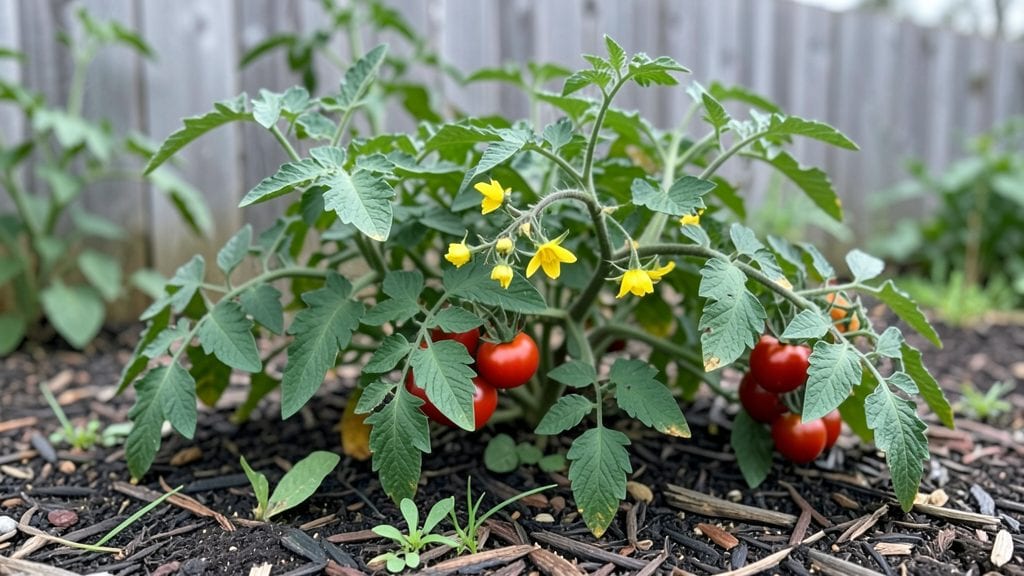
Sweet 100 tomato plants are the unsung heroes of backyard gardens—tiny seeds that pack a flavor punch and attract pollinators like bees and butterflies. 🌱 I learned the hard way that these cherry tomatoes aren’t just cute; they’re prolific, with clusters so heavy they’ll bend stems if you don’t support them right.
The first time I grew them, I ended up with enough tomatoes to share with the whole neighborhood—and that’s when I realized how much they transform a garden.
These plants thrive in well-draining soil with plenty of organic matter, and they love basking in full sun for at least 6-8 hours a day. Watering consistently is key—too much or too little, and you’ll end up with cracked fruit or blossom drop.
The good news? Sweet 100s are forgiving if you keep them evenly moist, and they grow well in containers, making them perfect for small spaces or balconies. Just don’t skimp on the support; those clusters can get heavy!
By mid-summer, you’ll be harvesting pint-sized tomatoes that burst with sweetness, and the pollinators will be buzzing around like they’re at an all-you-can-eat buffet. The plants are also disease-resistant compared to other varieties, so you’ll spend less time spraying and more time enjoying the harvest.
Plus, they pair beautifully with basil, marigolds, and onions—companion plants that keep pests at bay and boost flavor even more.
Whether you’re growing them in the ground, in pots, or even hanging baskets, Sweet 100s deliver reliable yields with minimal fuss. The secret to success? Start with healthy seedlings, give them room to grow, and let those pollinators do their magic. Ready to turn your garden into a tomato paradise?
📚 In This Guide
- What you need
- Instructions
- Tips and common mistakes
- Wrapping up and next steps
What you need
- ● Sweet 100 seeds: 1–2 packets (50–100 seeds each) – opt for organic, non-GMO if possible.
- ● Pollinator-friendly companion plants: 3–5 varieties (e.g., borage, marigolds, or nasturtiums) for a Sweet 100 pollinator buffet!
- ● Potting mix: 10–15 lbs of well-draining, organic potting soil (or a 50/50 blend of garden soil + compost).
- ● Containers or garden beds: For containers: 5–10 gallon pots with drainage holes (1–2 plants per pot).
- ● For in-ground: A sunny spot (6+ hours of light) with loose, fertile soil.
- ● Hand trowel or transplanting tool – for planting seeds and seedlings.
- ● Watering can or hose with a gentle spray nozzle – Sweet 100 loves moisture but hates soggy roots!
- ○ Garden gloves (optional but handy for prickly vines).
- ○ Trellis or small stakes (optional) – if you want to train vines upward.
- ● Organic fertilizer (e.g., fish emulsion or compost tea) – for a nutrient boost mid-season.
- ● Sunlight: Full sun (6+ hours daily) – Sweet 100 thrives in warmth!
- ● Warmth: Start seeds indoors 6–8 weeks before last frost or direct-sow after soil reaches 70°F+.
- ● Watering routine: Keep soil consistently moist (but not waterlogged) until established.
Step-by-Step instructions for planting Sweet 100 varieties
Here's how to grow these pollinator magnets for maximum blooms and garden productivity.
🌱 Step 1: Choose the Right Varieties and Planting Time
Sweet 100 tomatoes thrive when planted after the last frost date in your area—typically mid-to-late spring when soil temperatures reach 60°F. I always check my local frost calendar and add 2-3 weeks before planting to account for nighttime chills. For best pollination, choose varieties like 'Sweet 100', 'Celebrity', or 'Better Boy' that produce abundant, small fruits perfect for attracting bees and butterflies.
If you're starting from transplants, look for healthy seedlings with 3-4 true leaves and no signs of yellowing. Avoid plants that are already flowering—they'll produce fewer fruits later. I like to harden off my seedlings for 7-10 days before planting by gradually moving them outside during the day and bringing them back in at night.
🪴 Step 2: Prepare the Planting Site
Sweet 100 varieties need full sun (6-8 hours daily) and well-draining soil. I always test my soil pH first—aim for 6.0-6.8. If your soil is heavy clay, mix in 2-3 inches of compost to improve drainage and fertility. For container growing, use a 5-gallon pot per plant with a balanced fertilizer mixed into the soil.
Dig holes twice as wide as the root ball but only as deep as the container the plant came in. Loosen the roots gently if they're circling the pot. This prevents transplant shock and encourages faster root establishment. Place a handful of bone meal in the bottom of each hole—it provides phosphorus for strong roots and fruit development.
☀️ Step 3: Plant and Support for Maximum Growth
Set the plant in the hole so the top of the root ball sits 1 inch below soil level. This ensures the stem doesn't rot while allowing room for new roots to grow. Fill the hole with soil and press gently around the base to remove air pockets. Water deeply right after planting to settle the soil and encourage root contact.
Install a 6-foot tall stake or cage immediately—Sweet 100 plants grow indeterminately and need support. I use tomato cages because they're sturdy and don't require tying. Gently weave the main stem through the cage as it grows to prevent wind damage. Mulch around the base with 2-3 inches of straw to retain moisture and suppress weeds.
💧 Step 4: Water and Fertilize for Continuous Blooms
Water deeply 2-3 times per week, providing 1-2 gallons per plant each time. The key is consistent moisture—let the top 1-2 inches of soil dry out between waterings. Drip irrigation works best because it delivers water at the base without wetting the leaves, reducing disease risk. I water in the morning so foliage dries quickly during the day.
Fertilize every 2-3 weeks with a balanced tomato fertilizer (10-10-10 or 5-5-5). I switch to a low-nitrogen, high-phosphorus formula when flowers appear to encourage fruit set. Avoid over-fertilizing—too much nitrogen produces lush foliage but fewer tomatoes. You'll know you're doing it right when you see plenty of flowers but not excessive leaf growth.
✂️ Step 5: Prune and Maintain for Pollinator Success
Prune suckers—those little shoots that grow in the leaf axils—regularly to direct energy to fruit production. I remove them when they're 2-3 inches long to prevent them from draining the plant. Leave the first few suckers near the bottom to provide some shade for the fruit. Also, pinch off the first few flower clusters if your plant is young—this encourages stronger growth before heavy fruiting.
To boost pollination, I plant basil or marigolds nearby—both attract bees and improve tomato flavor. Remove any diseased or yellowing leaves immediately to keep the plant healthy. Harvest tomatoes when they're fully colored and slightly soft to touch. This encourages more flowers and continuous production throughout the season.
Tips & tricks for perfect Sweet 100 plant growth
These simple strategies will help you maximize your Sweet 100 tomato plants' potential for a bountiful harvest.
Soil Temperature Matters: The 60°F soil temperature mentioned in Step 1 is crucial for root development. I always use a soil thermometer to confirm—cold soil slows growth and can cause transplant shock. If your soil is cooler, consider using black plastic mulch a few days before planting to warm it up naturally. This small step makes a huge difference in early root establishment.
Root Ball Handling: When planting in Step 3, gently loosening roots that are circling the pot prevents them from growing in a tight circle. I like to use my fingers to tease them apart—this encourages outward root growth that anchors the plant better. Don't worry if it looks messy; the roots will spread quickly in loose soil.
Watering Wisdom: The 2-3 times per week watering schedule in Step 4 works best when you check soil moisture first. Stick your finger 1-2 inches deep—if it feels dry, that's your cue to water. Morning watering is key because it gives foliage time to dry completely, reducing disease risk. I've found that drip irrigation at the base delivers water exactly where it's needed without wetting leaves.
Pruning Pro Tip: For Step 5's sucker removal, I use clean, sharp pruning shears to make clean cuts. Removing suckers when they're 2-3 inches long prevents them from draining energy from fruit production. Leave the first few suckers near the bottom to provide shade for developing tomatoes—this simple balance keeps your plants productive all season.
Pro Tips for Sweet 100 Plants
- These simple strategies will help you maximize your Sweet 100 tomato plants' potential for a bountiful harvest.
- Soil Temperature Matters: The 60°F soil temperature mentioned in Step 1 is crucial for root development.
- Root Ball Handling: When planting in Step 3, gently loosening roots that are circling the pot prevents them from growing in a tight circle.
Frequently asked questions
Got questions about growing Sweet 100 plants to attract pollinators and boost your garden? Here are some common ones—and their answers!
What’s the best time to plant Sweet 100 seeds for maximum pollinator activity?
Plant seeds after the last frost when soil temperatures reach at least 60°F (15°C). For continuous blooms, stagger plantings every 2–3 weeks until mid-summer. This ensures a steady food source for bees, butterflies, and hummingbirds from early summer through fall.
Can I grow Sweet 100 indoors or in containers? If so, how?
Yes! Sweet 100 thrives in 5-gallon containers or larger with well-draining soil. Use a pollinator-friendly fertilizer and place pots in full sun (6+ hours/day). Prune regularly to encourage bushiness, and avoid overwatering—containers dry out faster. Just ensure your balcony or patio is bee-accessible (no glass barriers!).
My Sweet 100 plants aren’t flowering—what’s wrong?
Common culprits: over-fertilizing with high nitrogen (promotes leaves, not blooms), lack of sunlight, or overcrowding. Try this fix:
- Switch to a low-nitrogen, high-phosphorus fertilizer (like 5-10-10).
- Prune leggy growth to encourage airflow and sunlight penetration.
- Deadhead spent blooms to stimulate new flowers.
Are there pollinator-friendly alternatives to Sweet 100 with similar benefits?
Try these low-maintenance, bee-loved plants for your garden:
- Borage (self-seeding, edible flowers, deters pests).
- Cosmos (drought-tolerant, long bloom season).
- Sunflowers (giant blooms, great for bees + birds).
- Calendula (edible, medicinal, and pollinator magnets).
How often should I water Sweet 100 plants, and do they need special care?
Water deeply 1–2 times per week (more in extreme heat), aiming for 1–1.5 inches of water. Let soil dry slightly between waterings to prevent root rot. Mulch around plants to retain moisture and suppress weeds. Avoid wetting leaves (especially in humid climates) to prevent fungal diseases. A light morning watering keeps blooms dry for longer.
Wrapping up and next steps
Transforming your garden into a buzzing paradise for pollinators doesn’t have to be complicated—just plant the right blooms! The Sweet 100 plants listed here offer a delicious double win: they attract bees, butterflies, and hummingbirds while boosting your harvest.
Whether you’re a seasoned gardener or just starting, every flower, vine, and herb you add makes your space more vibrant—and more productive. 🌸✨
Ready to dive in? Start small: pick one or two plants from the list, plant them alongside your veggies, and watch your garden and your pollinator friends thrive! 🐝🌱 Grab your gloves and get growing today!