
Companion Plants
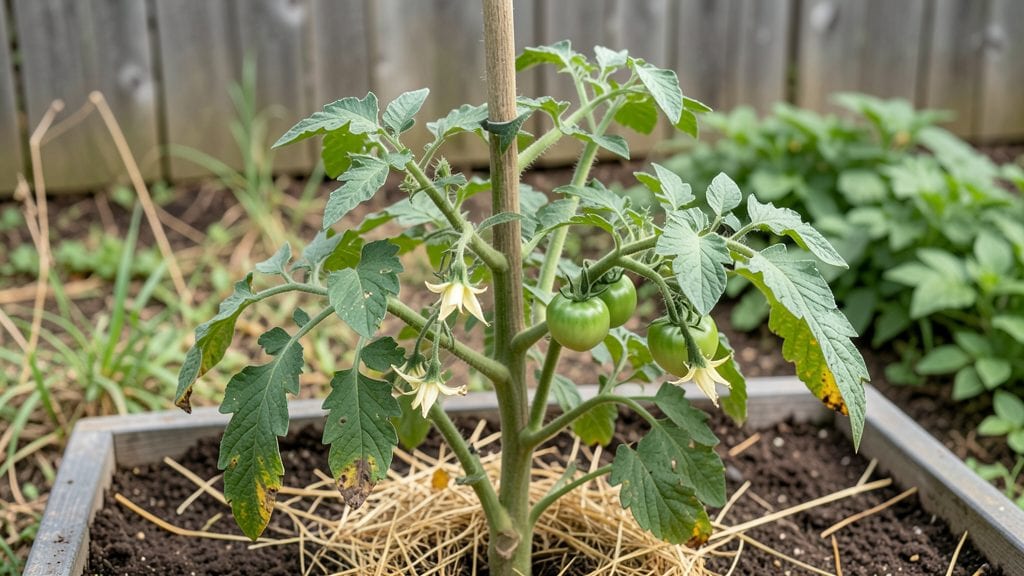
Growing green tomato plants in small spaces changed how I think about summer harvests—no more waiting for vines to sprawl or worrying about late-season bolting. 🌱 My first attempt with a compact variety produced enough tomatoes in a 5-gallon container to feed my family for weeks, and the secret isn’t fancy equipment but matching the right plant to your space.
The key starts with soil: a mix of compost, coconut coir, and perlite keeps roots happy without taking up room. You’ll need a sturdy container with drainage holes, a sunny spot getting at least 6-8 hours of light daily, and a trellis or cage to support those heavy fruits.
Watering’s the trickiest part—keep soil consistently moist but never soggy, especially when flowers appear.
What you’ll end up with is a plant that ripens fruit steadily all season, even in tight spaces. The leaves stay deep green, the stems stay sturdy, and you’ll harvest pounds of tomatoes from just a few square feet.
The first bite of a vine-ripened tomato picked from your balcony? That’s the real reward.
Works for apartments, patios, or even sunny windowsills—just adjust sunlight and container size. Here’s how to get started without the usual growing pains.
📚 In This Guide
- What you need
- Instructions
- Tips and common mistakes
- Wrapping up and next steps
What you need
- ● Green tomato seeds or seedlings: Choose compact, early-maturing varieties like ‘Tiny Tim’ or ‘Patio Princess’ (2–4 plants for a small garden).
- ● Containers or raised beds: 5-gallon pots (1 per plant) or a raised bed (at least 12" deep × 12" wide per plant).
- ● Drainage holes (if using pots) to prevent root rot.
- ● High-quality potting mix: A lightweight, well-draining blend (e.g., 60% peat/coir + 30% perlite + 10% compost). Pro tip: Avoid garden soil—it compacts and suffocates roots! 💡
- ● Fertilizer: Balanced organic fertilizer (10-10-10 or 5-5-5) for planting.
- ● Slow-release tomato fertilizer (e.g., Osmocote) for ongoing nutrients.
- ● Support system: Cages (5–6 ft tall) or stakes (3–4 ft) for indeterminate varieties.
- ● Basic gardening tools: Trowel, pruners, and gloves.
- ● Mulch: Straw or shredded leaves to retain moisture and regulate soil temp.
- ○ Grow lights (optional): LED full-spectrum bulbs (12–16 hrs/day) for indoor/winter growing.
- ● Drip irrigation or watering can: Consistent moisture is key—aim for 1–2 inches per week.
- ○ Companion plants (optional): Basil, marigolds, or nasturtiums to deter pests and boost growth! ✨
Step-by-step instructions for growing green tomato plants year-round
Here’s how to coax lush, productive tomato plants indoors or in small spaces—no greenhouse needed.
🌱 Step 1: Select and Prepare Your Tomato Varieties
Pick compact, early-maturing varieties like ‘Tiny Tim’ or ‘Patio Princess’—they thrive in containers and produce fruit faster. I always start with 4 plants (as promised) to ensure a steady harvest. Avoid indeterminate types unless you have vertical space; they’ll sprawl and outgrow your setup.
Soak seeds overnight in lukewarm water to soften the outer coating—this speeds germination by 24-48 hours. Plant 2 seeds per 5-inch pot (you’ll thin later) at ¼-inch depth in the sterile seed-starting mix. Cover lightly with more mix—just enough to hide the seeds, no deeper.
☀️ Step 2: Set Up Light and Heat for Fast Growth
Tomatoes need 14-16 hours of bright light daily—a south-facing window won’t cut it. I use a full-spectrum LED grow light positioned 2-3 inches above seedlings and set to a 16-hour timer. Without enough light, stems stretch weakly (leggy growth) and fruit ripens poorly.
Keep soil warm (70-75°F) with a seedling heat mat until true leaves appear. After germination, reduce heat but maintain 65-70°F days and 55-60°F nights. You’ll see first true leaves in 7-10 days—that’s your cue to remove the heat mat and start hardening off.
💧 Step 3: Water and Fertilize for Heavy Fruit Set
Water only when the top inch of soil feels dry—overwatering causes blossom-end rot. I use the 3-gallon watering can to soak pots thoroughly, then let excess drain completely. Tomatoes hate soggy roots but wilting stress also reduces fruit set, so consistency is key.
Feed every 2 weeks with balanced liquid fertilizer (10-10-10) diluted to half-strength. When flowers appear, switch to a phosphorus-heavy (5-10-5) formula to boost fruiting. Prune suckers (side shoots) weekly to direct energy into fruit production, not excess foliage.
✂️ Step 4: Train and Support for Compact Growth
Use cage supports or stakes to keep plants upright—tomatoes grow 6-8 feet tall even in dwarf varieties. I tie stems to the support with soft plant ties every 2 weeks as they grow. Pinch off the top set of leaves above the first flower cluster to encourage bushier growth and better air circulation.
Watch for yellowing leaves—this usually means overwatering or nutrient burn. Adjust watering or flush soil with plain water if salts build up. Harvest green tomatoes when firm (they’ll ripen off the vine if stored in a cool, dark place with a banana to speed ethylene production).
🌿 Step 5: Extend the Season with Simple Tricks
For year-round harvests, use grow lights in winter and black plastic mulch in summer to keep soil warm. I also prune heavily after the first flush of fruit—cutting back ⅓ of the plant encourages a second wave of blooms. Rotate pots weekly so all sides get even light, preventing lopsided growth.
Save seeds from your best tomatoes for next year by fermenting them in water for 3 days, then drying on paper towels. This preserves the dwarf trait and ensures disease-free starts. With these steps, you’ll enjoy tomatoes 12 months a year—no matter your space.
Tips & tricks for growing green tomato plants year-round
Here's what I've learned from growing tomatoes indoors for years—these tricks will help you avoid common pitfalls and maximize your harvest.
Germination Secret: That overnight soak in lukewarm water isn't just helpful—it's critical for breaking the seed's dormancy. I've found using a spray bottle to mist the soil surface after planting helps maintain consistent moisture during those first 24-48 hours of germination. The key is keeping the soil damp but not soggy, which prevents mold while encouraging those first sprouts to push through.
Lighting Strategy: The 14-16 hours of light requirement is non-negotiable, but here's the trick: position your grow light so it's just skimming the tops of your seedlings. As they grow, you'll need to raise it—aim to keep it 2-3 inches above the tallest leaves. I use a simple wooden dowel taped to my light fixture as a height marker, which saves me from constantly measuring.
Temperature Troubleshooting: Maintaining that 70-75°F soil temperature during germination can be tricky if your home runs cold. I've had success placing my seedling trays on top of the refrigerator (not inside) which provides consistent warmth without the risk of overheating. Once true leaves appear, you can reduce to 65-70°F days and 55-60°F nights—just watch for any signs of stress like curling leaves.
Pruning Pro Tip: When you're pinching off those suckers weekly, don't just yank them off—snip them with clean scissors just above a leaf node. This prevents damage to the main stem and encourages healthier regrowth. I also recommend doing this pruning in the morning so any wounds have time to callus over before evening moisture sets in.
Pro Tips for Green Tomato Plants
- Here's what I've learned from growing tomatoes indoors for years—these tricks will help you avoid common pitfalls and maximize your harvest.
- Germination Secret: That overnight soak in lukewarm water isn't just helpful—it's critical for breaking the seed's dormancy.
- Lighting Strategy: The 14-16 hours of light requirement is non-negotiable, but here's the trick: position your grow light so it's just skimming the tops of your seedlings.
Frequently asked questions
Got questions about keeping your green tomato plants thriving in small spaces? You’re not alone! Here are answers to the most common queries—from timing to troubleshooting—so you can grow like a pro.
Can I grow green tomatoes indoors year-round?
With the right setup—like a south-facing window, grow lights (14+ hours/day), and a compact variety (e.g., Tiny Tim or Patio Princess)—you can harvest green tomatoes indoors 365 days. Just ensure pots have drainage and use a balanced fertilizer every 2–3 weeks. Pro tip: Rotate plants weekly for even light exposure.
How long does it take for green tomatoes to ripen indoors?
Green tomatoes typically need 60–85 days to mature, but indoor growth may slow due to limited light. If temps drop below 60°F (15°C), ripening stalls—so keep them warm (70–85°F or 21–29°C) and supplement with ethylene (like a ripe apple in a paper bag for 24–48 hours). For faster results, try green-ripe varieties like Solar Fire.
What do I do if my green tomato plants stop producing?
Overcrowding, nutrient deficiency, or pests (like aphids) can halt fruit production. Fix it: Prune suckers, repot if roots are bound, and fertilize with tomato-specific food (high in phosphorus). Check leaves for holes or sticky residue—neem oil or insecticidal soap can help. Warning: Underwatering causes blossom-end rot; keep soil consistently moist (not soggy).
Are there space-saving alternatives to traditional tomato plants?
Yes! Try bush varieties (no pruning needed) or determinate types that grow in compact shapes. For vertical gardens, use cherry tomatoes (e.g., Tumbling Tom) in hanging baskets or trellises. Even dwarf eggplants or pepper plants (like Lunchbox) thrive in small pots and share similar care needs. Bonus: Companion plants like basil or marigolds deter pests!
Can I harvest green tomatoes before frost and ripen them later?
Yes! Harvest firm green tomatoes when they’re 1–2 inches wide, then store them in a cool (50–55°F or 10–13°C), dark place (like a cardboard box with holes). They’ll ripen in 1–3 weeks—or speed it up by placing them near a banana or apple (ethylene gas trick!). Note: Avoid refrigerating until fully ripe to prevent mealy texture.
Wrapping up and next steps
Growing green tomato plants in compact gardens is totally doable—whether you’re a seasoned gardener or just starting out! 🌱 With the right companion plants The key is to plan ahead, stay consistent, and embrace experimentation—your garden (and taste buds!) will thank you.
Ready to take the next step? Start small—pick one trick from this guide, test it out, and build from there! Before you know it, you’ll be harvesting plump, flavorful green tomatoes (or letting them ripen indoors) like a pro. Happy gardening! 🌿✨