
Watering
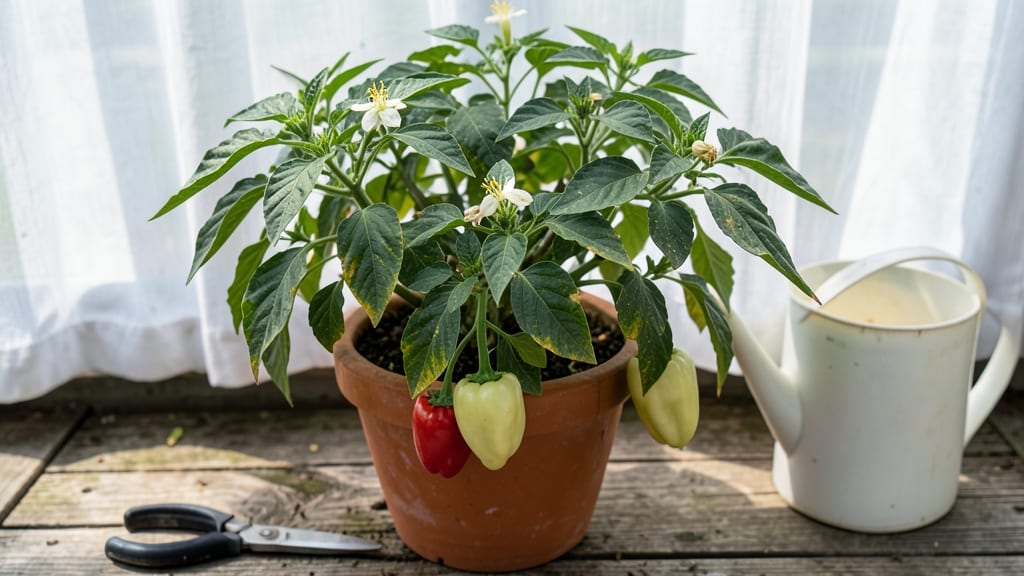
Over-watering pepper plants isn't just possible—it's the secret to lush, stress-free growth without soil. ✨ I learned this after drowning my first batch of peppers in traditional pots and watching them wilt despite my best efforts.
The solution? Moving them to a water-based system where roots thrive in oxygen-rich water, not suffocating soil.
This method requires just three key components: a clean water reservoir, a stable pH balance (5.5-6.5), and a nutrient solution tailored for peppers. No more guessing about moisture levels—just consistent hydration that mimics their natural tropical environment.
Even my blackest thumb peppers have thrived using this approach, producing heavier yields than soil-grown plants.
You'll see vibrant green foliage within days and plump, disease-resistant peppers by harvest time. The system also cuts down on weeds, soil-borne diseases, and the back-breaking work of tilling. Best of all, it works in small spaces—no backyard required.
Whether you're using a simple bucket setup or a full aquaponic system, the principles stay the same. Let's dive into how to set up your own thriving water garden for peppers—no soil stress included.
Root Causes Of Overwatering
If your pepper plants are struggling despite being submerged in water, the issue likely stems from a few key factors. Understanding these root causes will help you adjust your hydroponic or deep-water culture (DWC) setup to ensure healthy, thriving plants. Let’s break down why this happens—and how to fix it.
Pepper plants need oxygen at their roots just as much as they need water. When roots are fully submerged for too long, they suffocate because water displaces the air pockets in the medium. This leads to:
- Root rot: Fungal and bacterial infections thrive in oxygen-deprived environments, causing roots to turn mushy and black.
- Stunted growth: Without oxygen, roots can’t absorb nutrients efficiently, even if the water is nutrient-rich.
- Leaf discoloration: Yellowing or wilting leaves signal stress as the plant struggles to transport water and nutrients upward.
Why it happens: Most hydroponic systems rely on active aeration (air pumps, diffusers, or splashing water) to keep roots oxygenated. If your setup lacks this, roots drown in stagnant water.
Overwatering isn’t just about excess water—it’s often paired with nutrient overload or pH imbalances. Pepper plants in water cultures are sensitive to:
- High salt levels: Concentrated fertilizers left unchecked can burn roots, especially in recirculating systems.
- Incorrect pH (below 5.5 or above 6.5): Locks out essential nutrients like phosphorus and iron, causing deficiency symptoms despite "plenty of water."
- Algae or bacterial blooms: Cloudy or foul-smelling water indicates microbial imbalances, which compete with roots for oxygen.
Why it happens: Water-soluble fertilizers accumulate faster in hydroponics than in soil. Without regular water changes or pH testing, toxicity builds up, mimicking overwatering symptoms.
Pepper plants prefer consistent warmth (ideal root-zone temps: 65–75°F). Extreme heat or cold in the water disrupts:
- Oxygen solubility: Warmer water holds less oxygen, accelerating root suffocation.
- Microbiome activity: Beneficial bacteria and fungi (which aid nutrient uptake) become inactive in cold water.
- Transpiration slowdown: Cool roots reduce the plant’s ability to pull water upward, leading to wilting despite submerged conditions.
Why it happens: Hydroponic reservoirs near drafty windows, AC vents, or direct sunlight can swing temps drastically. Even a 10°F drop can stress roots within hours.
Even in water-based systems, passive drainage matters. If your pepper plants are in:
- Clogged net pots: Roots can’t escape stagnant water, leading to anaerobic pockets.
- Improperly sized containers: Too-small pots trap excess moisture, while oversized ones fail to regulate humidity.
- Stagnant deep-water culture (DWC) setups: Without an air stone or circulation, water becomes a root prison.
Why it happens: Fabric pots or plastic containers can degrade over time, trapping water. Meanwhile, DWC systems without surface agitation create a "dead zone" where roots drown.
To diagnose oxygen deprivation fast: Place a small object (like a ping-pong ball) in the water. If it sinks slowly, your water lacks aeration. Fix it by:
- Adding an air pump with a fine diffuser stone.
- Increasing water movement (e.g., a small water wheel in DWC).
- Switching to a Kratky method (static water with pre-charged nutrients) if aeration is unreliable.
Revive Your Over-Watered Peppers
Overwatering can turn your thriving pepper plants into a soggy mess, but don’t panic—these solutions will help you rescue them while keeping future growth strong. Below, we’ve mapped common symptoms to practical fixes, along with prevention tips to avoid repeat stress.
Cause: Saturated soil (or growing medium) cuts off oxygen, suffocating roots and causing rot.
Fix It: 🔥 Step 1: Pause Watering Immediately Stop adding water until the top 1–2 inches of soil feel dry to the touch (stick your finger in—it’s the easiest test!). If you’re using hydroponics or a deep-water culture system, drain excess water and let the reservoir settle.
🍳 Step 2: Improve Drainage - For soil-grown plants: Mix in perlite, coarse sand, or orchid bark (20–30%) to loosen the medium. Avoid compacting soil when repotting. - For hydroponics: Check your system’s drainage holes and ensure the reservoir isn’t overfilled.
Consider switching to a DWC (Deep Water Culture) system with an air stone to oxygenate roots. - For coco coir or peat: Flush with pH-balanced water (5.5–6.5) to remove salt buildup, which worsens root stress.
👨🍳 Step 3: Trim Damaged Roots (If Repotting)
- Gently remove the plant and rinse roots in lukewarm water to dislodge excess medium.
- Snip black, mushy roots with sterilized scissors (healthy roots are firm and white).
- Repot in fresh, well-draining mix (see prevention tips below).
⏰ Step 4: Monitor Recovery
- Resume watering only when the top inch is dry.
- Watch for new growth in 7–14 days. If leaves stay yellow, your plant may need fertilizer (use a low-nitrogen, high-phosphorus feed like 5-10-10 to encourage root regrowth).
Cause: Overwatering + nutrient imbalance or fungal/bacterial infections (like Phytophthora).
Fix It: 🔥 Step 1: Check for Pests/Disease
- Fungal infection? Look for dark spots, mold, or a foul smell. Treat with neem oil spray or hydrogen peroxide (3%) (1 tsp per quart of water, spray foliage).
- Bacterial soft rot? Remove affected leaves immediately and sterilize pruners with rubbing alcohol. Avoid wetting leaves when watering.
🥘 Step 2: Adjust Watering Schedule
- Soil-grown: Water deeply 2–3 times per week (not daily!). Use the "finger test"—if the first 2 inches are dry, it’s time.
- Hydroponics: Reduce nutrient concentration by half for a week to avoid burn. Use an air pump to keep roots oxygenated.
💡 Pro Tip: If your peppers are drooping but roots feel firm, they might be thirsty (paradoxically!). Overwatering can dehydrate plants by blocking nutrient uptake—flush the system with plain water to reset.
Cause: Excess moisture + poor airflow creates the perfect mold party.
Fix It: 🔪 Step 1: Remove Moldy Top Layer Scoop out the top 1–2 inches of contaminated soil and discard it. Avoid composting—mold spreads easily.
🌡️ Step 2: Sterilize the Pot
- Wash the pot with hot, soapy water or bleach solution (1:10 ratio).
- Rinse thoroughly and let dry in the sun for 10+ minutes (UV light kills spores).
🎯 Step 3: Refresh the Growing Medium
- Replace the top layer with sterilized potting mix (bake soil at 200°F for 30 mins to kill pathogens).
- Add diatomaceous earth (food-grade) to deter future mold.
✨ Prevent It:
- Space plants 12–18 inches apart for airflow.
- Use terracotta pots (they wick away moisture faster than plastic).
- Water in the morning so foliage dries by night.
| Problem | Solution |
|---|---|
| Compacted soil | Mix in vermiculite or coconut coir before planting. |
| No drainage holes | Drill holes in pots or elevate containers on saucers. |
| Overzealous watering | Use a moisture meter or self-watering pots with timers. |
| Weeds blocking roots | Mulch with straw or wood chips to reduce evaporation and competition. |
| High humidity | Place a fan on low speed near plants to improve airflow. |
Final Reminder: Peppers hate soggy feet—think of them like a desert cactus in disguise. They’ll bounce back faster if you cut back on water, improve drainage, and give their roots a breath of fresh air. 🌵💦
Frequently asked questions about growing peppers over water
Can I grow pepper plants directly in water without any medium?
Yes! Peppers thrive in deep water culture (DWC) systems where roots grow directly in nutrient-rich water. Use a 5-gallon bucket with a net pot holding the plant above the water line. Add an air stone to oxygenate roots—this prevents suffocation and promotes faster growth than soil. Just ensure the water stays at 65–75°F for optimal root health.
What nutrient mix should I use for water-grown peppers?
Start with a balanced hydroponic fertilizer (like 7-9-5 or 5-10-10 NPK ratio) diluted to half-strength for young plants. Peppers need more phosphorus and potassium as they fruit, so switch to a 3-9-6 or 2-4-6 mix during flowering. Always check pH (5.5–6.5) and EC (1.2–2.0) weekly—water cultures change chemistry faster than soil!
How often should I change the water in a pepper hydroponic system?
Replace 20–30% of the water every 3–5 days to prevent nutrient buildup and algae. For deep water culture, a full change every 2 weeks works if you maintain proper aeration. Cloudy or smelly water means it’s time to refresh—never let it sit stagnant longer than 7 days, or roots will suffocate from microbial overgrowth.
Will peppers grown over water taste different from soil-grown?
Not noticeably! The flavor comes from the plant’s genetics and sunlight exposure, not the growing medium. However, water-grown peppers often have faster growth and higher yields because roots access nutrients directly. Some gardeners report slightly firmer textures due to consistent hydration, but the heat and sweetness remain identical to soil-grown varieties.
What’s the biggest mistake beginners make with water-grown peppers?
Overlooking oxygenation. Many assume water = hydration, but roots drown without airflow. Skip the air pump, and you’ll see black, mushy roots and wilting leaves within days. Always use an air stone or water wheel to keep roots oxygenated—even a simple fishing pump works in a pinch. Test your setup by dropping a ping-pong ball in the water; if it sinks slowly, your system needs more aeration!