
Planting
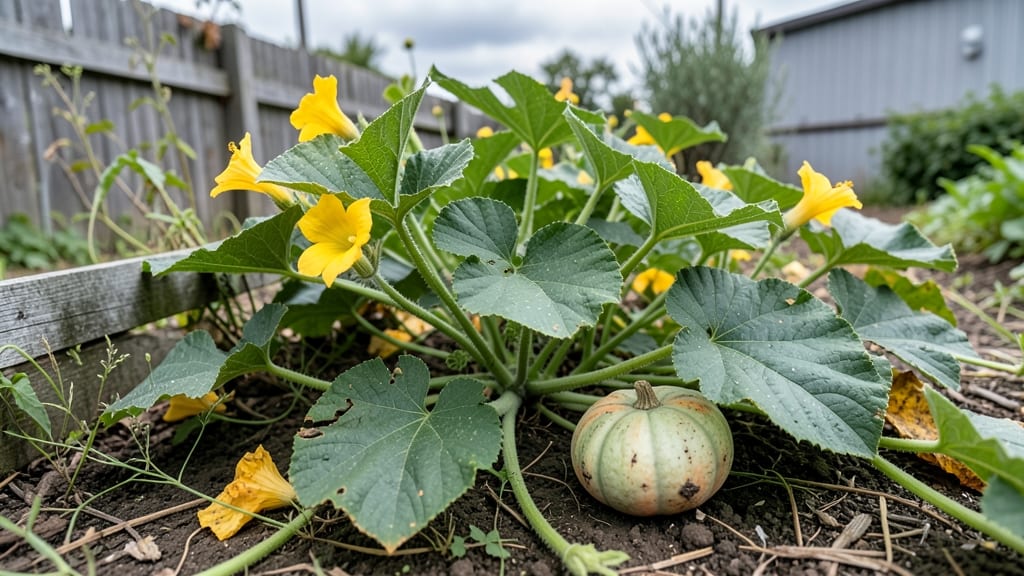
Training pumpkin plant vines to climb instead of sprawl changed my harvest from a handful of small fruits to buckets of plump, sun-kissed pumpkins. 🌱 The key isn't just trellising—it's understanding how vines grow and how to guide them without strangling their natural instincts.
My first attempt with flimsy stakes ended in tangled messes, but now I use sturdy frames that let vines spread horizontally while keeping fruits off the ground.
You'll need a sunny spot with at least 6 hours of direct light daily, well-draining soil rich in compost, and a trellis system that can support 20-30 pounds per vine. Most people underestimate how much space vines need even when trained—give them 10-12 feet of growing room along the trellis.
The right setup turns sprawling vines into vertical powerhouses that produce more fruit in less space.
By mid-summer, you'll watch heavy vines climb your trellis while fruits hang neatly below, protected from rot and pests. The leaves stay healthier, watering becomes easier, and you avoid the backbreaking chore of dragging pumpkins from the soil.
My favorite part? Watching the first gourds form—plump, green, and full of potential.
This method works for both small patio gardens and large plots, though bush varieties need less support. Whether you're growing pie pumpkins or giant varieties, the same principles apply. Let's get those vines climbing and fruiting like never before.
📚 In This Guide
- What you need
- Instructions
- Tips and common mistakes
- Wrapping up and next steps
What you need
- ● Pumpkin Seeds: 3–5 seeds per vine (or 2–3 starter plants if transplanting). Choose heirloom or hybrid varieties like Howden or Jack Be Little for best results.
- ● Growing Space: At least 50–100 sq. ft. per vine (vines can sprawl 10–20 ft. or more!).
- ● Full sun (6–8+ hours/day) and well-draining soil (pH 6.0–7.0).
- ● Soil Amendments: Compost (2–3 gallons per planting hole) for nutrients.
- ● Balanced fertilizer (10-10-10 or 5-5-5, 1–2 tbsp per plant) at planting and mid-season.
- ○ Support Structures (Optional but Recommended): Trellis (6–8 ft. tall) or sturdy stakes (5–6 ft. long) for vertical training.
- ● Twine or soft garden ties (3–4 ft. long) to secure vines.
- ● Watering Supplies: Drip irrigation or soaker hose (1–2 ft. per vine) for consistent moisture.
- ● Watering can (1–2 gallons) for seedlings.
- ● Pruning Tools: Sharp pruning shears or bypass pruners (for clean cuts).
- ● Gloves (heavy-duty) to protect hands from thorns.
- ● Mulch (straw or black plastic) to retain moisture and suppress weeds.
- ● Row covers (floating fabric) for early-season frost protection.
- ● Pumpkin-specific fungicide (e.g., copper spray) to prevent powdery mildew.
- ● Garden journal to track vine growth, pruning dates, and fruit development.
Step-by-Step guide to training pumpkin vines for bigger harvests
More fruit starts with stronger vines—here’s how to guide them for healthy growth and abundant pumpkins.
🌱 Step 1: Choose the Right Vine Training Method
Pumpkin vines grow aggressively, so you’ll need to decide early whether to train them on a trellis, hill, or sprawling method. For maximum fruit production, I recommend a trellis or hill system—both force vines to climb, saving space and improving air circulation. If you’re growing 4 plants, a 4-foot-tall trellis or 2-foot-high hills work perfectly.
Here’s the thing—if you let vines sprawl, they’ll waste energy sending out long runners instead of focusing on fruit. A trellis keeps vines compact, making it easier to spot and protect developing pumpkins. Start training 2-3 weeks after germination, when vines are 6-8 inches long and have 3-4 leaves. This is the moment that matters: wait too long, and vines become too heavy for the structure.
🪴 Step 2: Set Up Your Trellis or Hill System
For a trellis, use 4-foot-tall stakes (like bamboo or metal) spaced 3 feet apart for each plant. Weave 12-gauge wire or sturdy twine horizontally every 12 inches to create "rungs" for vines to climb. If you’re hilling, mound 6-8 inches of soil into a 3-foot-wide circle around each plant, leaving the base exposed for easy access.
Don’t skimp on stability—wind or heavy fruit can snap weak supports. I like to bury stakes 12 inches deep and tie them together at the top with a zip tie or soft cloth strip for extra reinforcement. This ensures your trellis won’t wobble when vines get heavy later in the season.
🌿 Step 3: Gently Guide Vines Upward
Once vines reach 6-8 inches, start training them by tying the main stem to the trellis or guiding it up the hill. Use soft plant ties or old fabric strips—never wire or anything that can cut into the vine. I like to tie vines every 12 inches as they grow, always securing the main stem only (never side runners).
Watch for new growth points—these are where side vines will sprout. Let 1-2 side vines per plant grow freely (these will produce fruit), but prune the rest to redirect energy. You’ll see the difference in 2-3 weeks: trained vines grow straighter, and fruit sets faster. If a vine slips, just retie it—gentle adjustments work best.
✂️ Step 4: Prune for Better Airflow and Fruit
Pruning isn’t just about shaping—it’s about maximizing fruit production. Once vines hit the trellis top, pinch off the growing tip to encourage bushier growth. For 4 plants, aim to keep 2-3 main vines per plant, each with 1-2 fruit-producing side branches. Remove any vines growing toward the ground—they’ll rot or attract pests.
Here’s where it gets fun: when pumpkins start forming, leave only 1-2 per vine (the largest, healthiest ones). Smaller pumpkins steal energy from bigger ones. You’ll know you’re on track when vines are dense but not crowded, with plenty of leaves (the more leaves, the more energy for fruit). If vines look leggy, they need more light—move them to a sunnier spot.
☀️ Step 5: Monitor and Adjust Through the Season
Check vines weekly for pests (like squash bugs) or diseases (like powdery mildew). Healthy vines should have dark green leaves and firm stems. If leaves yellow or wilt, it’s usually underwatering or overwatering—pumpkins hate soggy roots. Water at the base only, keeping soil consistently moist but not soaked.
As fruit grows, add support under large pumpkins to prevent rot. I use old towels or burlap sacks to cradle them off the ground. By late summer, you’ll see vines slow down—this is normal. Harvest pumpkins when their stems are tough and dry, usually 80-100 days after planting. The best part? Trained vines produce 20-30% more fruit than sprawling ones.
Tips & tricks for training pumpkin vines
These practical tips will help you maximize your pumpkin harvest by creating stronger, more productive vines.
The Timing Factor: Don't wait until vines are sprawling everywhere to start training! In Step 1, those 2-3 weeks after germination are critical. I've seen vines become too heavy for supports when training starts late—wait until they're 6-8 inches long with 3-4 leaves for the best results. This gives you that perfect window to guide growth before vines get unmanageable.
Support System Stability: When setting up your trellis in Step 2, think about the future weight. Bury those 4-foot stakes 12 inches deep and reinforce the top—this isn't just about today's vines, but the 10-pound pumpkins they'll be carrying later! I've had trellises collapse under heavy fruit, so don't skimp on the zip ties or cloth strips at the top. A wobbly trellis means lost pumpkins.
Pruning Strategy: In Step 4, remember that less is more when it comes to side vines. For 4 plants, focus on keeping just 2-3 main vines per plant with 1-2 fruit-producing branches each. I used to think more vines meant more fruit, but I learned the hard way—too many vines compete for energy, resulting in smaller pumpkins. The key is to create that perfect balance of leaves for energy production without overcrowding.
Seasonal Monitoring: That weekly check in Step 5 isn't just about pests—it's your chance to catch problems early. I've seen powdery mildew spread rapidly when ignored, and squash bugs can devastate a plant in days. Keep an eye out for those dark green leaves and firm stems as your healthy vine indicators. If you notice yellowing, it's usually a watering issue—pumpkins prefer consistently moist (not soaked) soil at the base only.
Pro Tips for Pumpkin Plant Vines
- These practical tips will help you maximize your pumpkin harvest by creating stronger, more productive vines.
- The Timing Factor: Don't wait until vines are sprawling everywhere to start training!
- Support System Stability: When setting up your trellis in Step 2, think about the future weight.
Frequently asked questions
Got questions about training pumpkin plant vines? You’re not alone! Here are some common concerns—and straightforward answers—to help you grow like a pro.
How long do pumpkin vines take to spread before fruiting?
Pumpkin vines typically take 45–60 days to start flowering and fruiting after germination, depending on the variety and growing conditions. Early varieties may produce fruit sooner, while heirlooms can take longer. Focus on training vines early to maximize space and sunlight exposure for faster growth.
Can I grow pumpkins without training the vines?
Yes, but expect smaller yields and more competition for space. Untrained vines sprawl, shading soil and reducing fruit size. If space is limited, opt for bush-type pumpkins (like ‘Jack Be Little’) or use containers. Otherwise, training vines vertically or in rows boosts production and makes harvesting easier.
Why are my pumpkin vines wilting or turning yellow?
Wilting or yellowing leaves often signal underwatering, overwatering, or disease (like powdery mildew). Check soil moisture—vines need 1–2 inches of water weekly—and ensure good airflow. Yellowing on older leaves is normal, but new leaves turning yellow may indicate nutrient deficiency (add compost or balanced fertilizer).
What’s the best way to prune pumpkin vines for bigger fruit?
Prune only the tips of vines to encourage bushier growth and more flowers (and thus fruit). Remove weak or diseased vines and thin excess fruit to 2–3 per vine—this redirects energy to larger pumpkins. Avoid heavy pruning; pumpkins rely on vine health for fruit development.
Can I train pumpkin vines indoors or in containers?
Use large containers (15+ gallons) with trellises or cages for vines to climb. Choose compact varieties like ‘Sugar Pie’ or ‘Minnesota Freckles.’ Place containers in full sun (6+ hours daily) and fertilize regularly. Just monitor moisture closely—containers dry out faster than garden soil.
Wrapping up and next steps
Growing pumpkin vines is a rewarding journey that combines patience, creativity, and a little green-thumb magic! 🌱 By training your vines—whether through trellises, mounds, or sprawling rows—you’ll not only maximize space but also boost fruit production and make harvesting a breeze.
Whether you’re a seasoned gardener or a curious beginner, these techniques will help you grow healthier, happier pumpkins.
Ready to put your newfound knowledge into action? Start small this season! Pick one method (like a simple trellis or hill system) and experiment with just a few plants.
Before you know it, you’ll be reaping the benefits of well-trained vines—and maybe even sharing your harvest with neighbors. Happy gardening! 🎃