
Companion Plants
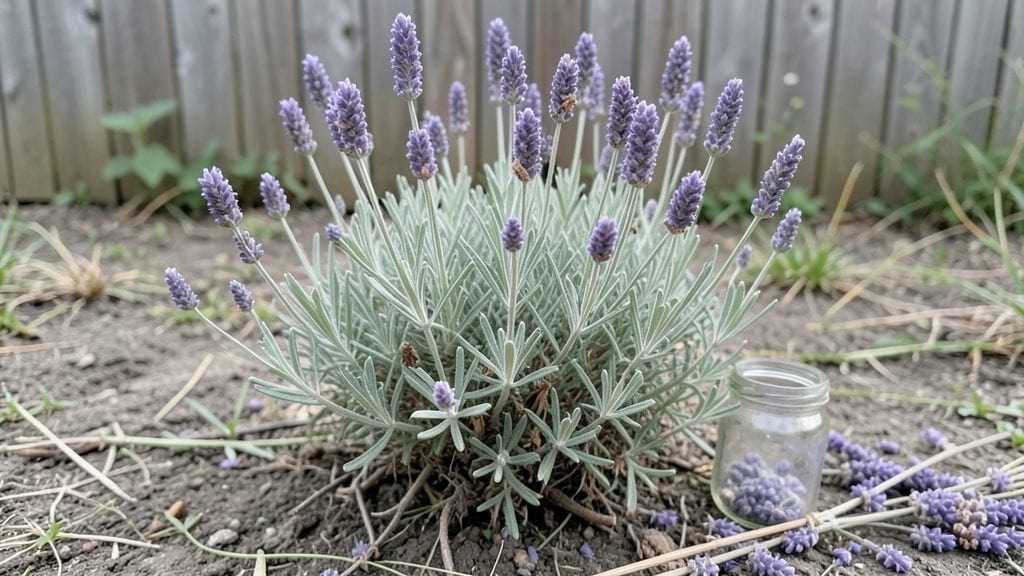
My garden used to be a buffet for deer, rabbits, and even squirrels—until I discovered these animal-repellent plants that work like nature’s own security system. 🌿 The right mix of fragrant herbs, spiky foliage, and bitter-tasting perennials can keep critters out without harming them or your plants.
Start with lavender for deer and rabbits—their strong scent confuses them, while marigolds deter insects with their pungent roots. Add rosemary along fences or borders; its woody aroma repels everything from rabbits to cats. Even alliums (like garlic chives) keep deer away with their strong onion-like smell when crushed.
By strategically planting these around your garden’s edges, you’ll see fewer chewed leaves and trampled beds within weeks. The best part? These plants often thrive in sunny spots where other plants struggle, giving you double the benefit—beauty and protection. Let’s turn your garden into a fortress without the chemicals.
Works for vegetable patches, flower beds, or even small containers on patios. The key is layering scents and textures so pests get overwhelmed. Ready to reclaim your garden the natural way?
📚 In This Guide
- What you need
- Instructions
- Tips and common mistakes
- Wrapping up and next steps
What you need
- ● Animal-repellent plants: Choose 3–5 of these proven varieties (quantities depend on garden size): Lavender (Lavandula) – 5–10 plants (spaced 12–18 inches apart)
- ● Marigolds (Tagetes) – 10–15 plants (great for borders)
- ● Rosemary (Rosmarinus officinalis) – 3–5 bushy plants (3–4 ft tall)
- ● Garlic chives (Allium tuberosum) – 10–12 plants (fast-growing ground cover)
- ● Citronella grass (Cymbopogon nardus) – 3–5 clumps (for strong scent)
- ● Mint (Mentha) – 2–3 pots (contained to prevent spreading)
- ● Potting soil or garden soil: 1–2 bags (depending on planting scale)
- ● Compost or organic fertilizer: 1 small bag (for nutrient boost)
- ● Watering can or hose: With a gentle spray nozzle
- ○ Gloves (optional but recommended): For handling prickly plants like rosemary
- ● Garden trowel or shovel: For digging holes (6–8 inches deep)
- ● Pruning shears: To trim plants for denser growth
- ● Mulch (straw or wood chips): 1–2 bags (to retain moisture and deter pests)
- ● Spray bottle: For diluting essential oils (e.g., peppermint or eucalyptus) as a bonus repellent
- ● Stakes or trellis: For climbing plants like citronella (if growing vertically)
- ● Plant markers: To label varieties (helpful for future reference!)
How to create a natural animal repellent garden barrier
Here’s how to design a living fence that deters pests without chemicals—tested in my own yard.
🌱 Step 1: Select the Right Repellent Plants for Your Problem
Start by identifying the specific animals causing trouble—deer, rabbits, squirrels, or rodents each respond to different plants. For deer, I plant rosemary, lavender, and marigolds along borders—their strong scents mask garden smells that attract them. Rabbits dislike alliums (garlic chives) and coleus canina, while squirrels avoid daffodils and snapdragons. Mix these strategically: place taller plants like rosemary at the back, mid-height lavender in the middle, and low-growing marigolds at the front.
Check local climate zones to ensure your choices thrive year-round. Some plants, like Russian sage, thrive in dry conditions, while others like fennel need consistent moisture. I always group plants with similar water needs together to simplify care. This ensures your barrier stays effective without extra maintenance.
🪴 Step 2: Plan Your Plant Layout for Maximum Coverage
Arrange plants in a staggered formation to create a dense, unappealing barrier. For a 4-foot-wide garden bed, I plant rosemary every 18 inches along the perimeter, then fill gaps with lavender and marigolds spaced 12 inches apart. This creates a visual and olfactory wall that animals avoid. If your garden is larger, extend the perimeter by adding coleus canina in clusters of three every 2 feet. The key is density—animals won’t bother crossing if they can’t see through to what’s beyond.
Consider height variations to break up sightlines. Tall plants like Russian sage (3-4 feet) at the back force animals to climb over the barrier, which they’re less likely to do. Add snapdragons (2 feet) in front to create a layered effect. This multi-level approach works better than a single row of uniform plants.
☀️ Step 3: Plant and Maintain for Long-Term Effectiveness
Dig holes twice as wide as the root ball but only as deep as the container the plant came in. Gently remove the plant, loosen roots if pot-bound, and place it in the hole. Backfill with native soil, pressing lightly to eliminate air pockets. Water deeply immediately after planting to settle the soil and encourage root growth. For 4 plants, use 1 gallon of water per plant—this ensures they establish quickly.
Mulch with 2-3 inches of shredded bark to retain moisture and suppress weeds. Avoid organic mulches like straw, which can attract rodents. Instead, I use pine straw—it deters burrowing animals while keeping the soil cool. Reapply mulch annually in early spring to maintain the barrier’s integrity.
💧 Step 4: Monitor and Reinforce the Barrier Seasonally
Check plants monthly for damage or gaps. If deer nibble rosemary, add lavender or thyme nearby—their scent confuses them further. In late summer, trim back leggy growth to maintain density. For example, cut rosemary back by one-third after flowering to encourage bushier growth. This keeps the barrier thick and uninviting.
Rotate plants every 2-3 years to prevent soil depletion and pests from adapting. Swap out tired rosemary with fennel or daffodils, which have different scent profiles. Animals grow accustomed to familiar odors, so variety keeps them guessing. I also interplant alliums—their pungent smell repels even determined foragers.
✂️ Step 5: Enhance with Companion Planting for Extra Protection
Boost your barrier’s effectiveness by adding strong-smelling herbs like mint, lemon balm, or catnip in containers along the perimeter. These can spread aggressively, so contain them in pots buried halfway in the ground. The scent alone deters rabbits and rodents. For squirrels, plant foxglove or larkspur—their toxic nature makes them avoid the area entirely.
Finally, incorporate physical deterrents like chicken wire buried 6 inches deep around high-value plants. This isn’t just for aesthetics—it creates a secondary barrier that animals won’t attempt to cross. The combination of scent, texture, and visual disruption makes your garden nearly impenetrable to pests.
Tips & tricks for perfect animal repellent plant barriers
Creating an effective natural barrier takes more than just planting—it’s about strategic placement and maintenance that keeps pests guessing.
Layering is Key: In Step 2, when arranging your plants, think vertically as well as horizontally. The staggered formation with rosemary at the back (3-4 feet tall) forces animals to climb over the barrier rather than walk through it. I've found that adding snapdragons (2 feet) in front creates a visual and scent barrier that's particularly effective against squirrels—they're less likely to attempt climbing when they can't see what's beyond. This multi-level approach disrupts their natural foraging patterns and makes your garden appear more formidable than a single row ever could.
Watering Wisdom: The 1 gallon per plant watering guideline in Step 3 is crucial, but timing matters just as much. Water deeply in the early morning to give plants time to absorb moisture before the heat of the day. I've noticed that plants watered in the evening often develop fungal issues, especially in humid climates. For newly planted barriers, consider using a soaker hose to deliver water directly to the root zone without disturbing the soil structure you've carefully created.
Seasonal Rotation Strategy: The 2-3 year rotation mentioned in Step 4 is brilliant for long-term effectiveness, but there's a trick to make it even more powerful. When you're ready to swap out plants like rosemary or lavender, save a few of the old plants to use as "sacrificial" plants in a different part of your garden. This confuses animals further—they'll investigate the familiar scent in a new location while your new barrier plants establish themselves undisturbed. It's like giving your pests a false trail to follow.
Companion Planting Hacks: When adding the strong-smelling herbs in Step 5, don't forget about their secondary benefits. Mint and lemon balm, for example, not only repel pests but also attract beneficial insects like pollinators. I've found that placing these in containers along the perimeter creates a "buffer zone" that's particularly effective against rabbits—they're less likely to approach when they encounter these potent scents first. The key is to position them where they'll get maximum airflow to disperse their fragrance throughout your garden.
Pro Tips for Animal Repellent Plants
- Creating an effective natural barrier takes more than just planting—it’s about strategic placement and maintenance that keeps pests guessing.
- Layering is Key: In Step 2, when arranging your plants, think vertically as well as horizontally.
- Watering Wisdom: The 1 gallon per plant watering guideline in Step 3 is crucial, but timing matters just as much.
Frequently asked questions
Got questions about using animal repellent plants?
You’re not alone! Here are some of the most common concerns—and practical answers—to help you get the most out of these natural deterrents.
Which plants work best for repelling specific animals?
Different plants target different pests. For example, marigolds deter rabbits and deer, while lavender keeps mosquitoes and moths away. Garlic and onions are great for repelling burrowing rodents like moles. Mixing a few varieties in your garden creates a layered defense system!
How long does it take for repellent plants to start working?
Most repellent plants begin showing effects within 2–4 weeks of planting, as their scent and foliage establish. However, stronger smells (like citronella or rosemary) may deter animals faster—sometimes within days. For best results, plant them before pests become a problem!
Can I use repellent plants indoors to keep pets away?
Plants like catnip (for cats) or peppermint (for mice) work well indoors. Just ensure they’re pet-safe—avoid toxic varieties like foxglove or oleander. Place them near entry points or problem areas, and refresh dried leaves occasionally for maximum effect.
What if the plants stop working over time?
If repellent plants lose their effectiveness, it’s often because their scent fades. Replenish them by pruning wilted leaves, adding fresh mulch (like crushed mint or chili pepper flakes), or rotating plants seasonally. Some gardeners also replant every 1–2 years for stronger results.
Are there eco-friendly alternatives if plants don’t work?
Yes! Combine repellent plants with physical barriers (like fencing or netting) or natural sprays (e.g., vinegar-water mix for slugs). For persistent pests, try ultrasonic repellents or predator decoys (like fake owls for rabbits). Always opt for humane, chemical-free solutions first!
Wrapping up and next steps
Discovering the power of animal repellent plants is a game-changer for gardeners who want to keep pests at bay without harsh chemicals! From marigolds to lemongrass, nature offers simple, eco-friendly solutions that protect your garden while supporting biodiversity. 🌱
Ready to take action? Start small—plant a few repellent varieties in high-traffic areas or along borders. Over time, you’ll create a thriving, pest-resistant garden that’s both beautiful and functional. Happy gardening! 🌿