
Companion Plants
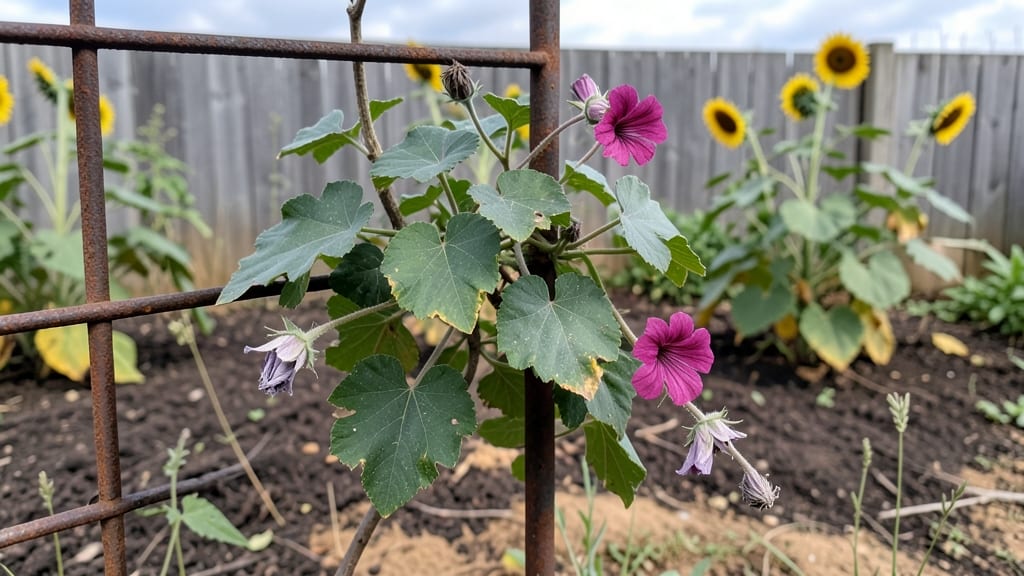
These climbing geranium plants turn dull walls into vibrant, fragrant vines that outshine most annuals—lush, blooming, and packed with pest-deterring scent. 🌿 I’ve grown them for years, and they never fail to deliver. The key is matching their bold habits to the right support and sunlight.
These sun-loving climbers thrive in well-draining soil with 6+ hours of direct light daily, and they’ll cling to trellises, fences, or even old wooden ladders. Start with healthy cuttings in spring or buy established plants—just avoid soggy roots, and you’ll see vigorous growth within weeks.
Prune after flowering to encourage bushier vines and more blooms next season.
By midsummer, your climbing geraniums will be a magnet for pollinators and a deterrent for pests like cabbage moths. The flowers range from deep red to soft pink, and the foliage stays glossy all season long.
Even in containers, they’ll spill over edges beautifully, creating a cascading display that’s impossible to ignore.
Works in zones 10-11 year-round, but in cooler climates, treat them as annuals or overwinter indoors. The best part? They’re foolproof once you get the basics right—no fancy tricks required. Let’s get those vines growing!
📚 In This Guide
- What you need
- Instructions
- Tips and common mistakes
- Wrapping up and next steps
What you need
- ● Climbing geranium plants: 3–5 healthy nursery-grown plants (choose varieties like Geranium macrorrhizum or Geranium sanguineum for best climbing results).
- ● Well-draining potting mix: 1–2 bags (look for a blend labeled for herbaceous perennials or cactus/succulents if planting in containers).
- ● Container or garden bed: Containers: 12–15-inch pots (1–2 per plant) with drainage holes.
- ● Garden beds: Full-sun spot (6+ hours of sunlight daily) with loose, rocky soil (geraniums hate soggy roots!).
- ● Support structure: Trellis, fence, or obelisk (3–6 feet tall, depending on desired height).
- ○ Optional: Twine or soft garden ties to secure vines initially.
- ● Garden trowel or small shovel (for transplanting).
- ● Pruning shears (sterilized with rubbing alcohol).
- ● Watering can or hose with a gentle spray nozzle (geraniums prefer bottom watering to avoid fungal issues).
- ● Organic mulch: 1–2 inches of gravel or pebbles (to improve drainage and suppress weeds).
- ○ Fertilizer (optional but helpful): Balanced, slow-release granular fertilizer (10-10-10 ratio) or compost (apply sparingly in spring).
- ● Pro tip: Over-fertilizing can reduce pest-repelling properties—go light!
- ● Pest control (preventative): Neem oil spray (diluted as directed) for early pest deterrence.
- ● Companion plants like lavender or rosemary (plant nearby to boost natural pest resistance).
Step-by-Step guide to growing climbing Geranium vines
Here's how to cultivate these fragrant, pest-repelling vines that thrive in full sun.
🌱 Step 1: Select the Right Location and Prepare the Soil
Climbing geraniums demand full sun exposure (6+ hours daily) and well-draining soil. I choose a south-facing wall or trellis where they’ll receive unfiltered sunlight. The 6 inches of compost-amended garden soil I mix in ensures proper drainage while retaining moisture—these plants hate soggy roots.
Loosen the soil to a depth of 12 inches with a garden fork, breaking up any compacted layers. Work in 1-2 inches of organic matter like compost or aged manure. The goal is loose, aerated soil that mimics their natural Mediterranean habitat. Test the soil pH—climbing geraniums prefer a slightly acidic to neutral range of 6.0-7.0.
🪴 Step 2: Plant at the Correct Depth and Spacing
Dig holes twice as wide as the root ball but only as deep as the container's base. This prevents burying the crown, which can cause rot. I plant each vine 18-24 inches apart—close enough for a lush display but far enough to allow airflow and reduce fungal risks.
Remove the plant from its container and gently tease the roots if they're circling. Place it in the hole so the top of the root ball sits level with the surrounding soil. Backfill with native soil mixed with compost, tamping lightly to eliminate air pockets. Water immediately to settle the soil and encourage root contact.
☀️ Step 3: Establish a Support Structure and Watering Routine
Install a trellis, fence, or sturdy arbor within 3-4 feet of the planting site. Climbing geraniums use their tendrils to cling, so I weave the vines through the structure as they grow. Avoid metal trellises—opt for wood or plastic to prevent leaf scorch in intense afternoon sun.
Water deeply once weekly during the first growing season, allowing 1-2 inches of water to penetrate the soil. You'll know it's enough when water drains through to 6 inches deep. Mulch with 2-3 inches of shredded bark to retain moisture and suppress weeds. Reduce watering once established—these drought-tolerant vines prefer slightly dry conditions.
✂️ Step 4: Prune for Bushier Growth and Pest Prevention
Pinch back the tips of new growth when stems reach 6-8 inches tall to encourage branching. This creates a fuller, more compact plant with more blooms. I also remove any leggy stems that grow toward the sun—these won't produce flowers and weaken the plant's structure.
Deadhead spent blooms regularly to redirect energy into new flowers. The more you prune, the more fragrant the foliage becomes—a natural pest deterrent. In late fall, cut back all growth by one-third to prepare for winter dormancy. The woody stems will regrow vigorously in spring.
💧 Step 5: Maintain Through Seasons for Year-Round Beauty
Fertilize lightly in early spring with a balanced 10-10-10 formula to support new growth. Avoid high-nitrogen feeds—these promote leafy growth at the expense of flowers. I apply ½ teaspoon per plant and water it in immediately to prevent root burn.
Monitor for aphids or spider mites, which occasionally target stressed plants. A strong blast of water usually removes them, but severe infestations may require neem oil. The natural fragrance of climbing geraniums deters most pests, but proper care keeps them at bay entirely. With minimal effort, these vines will reward you with vibrant blooms and pest-free foliage for years.
Tips & tricks for perfect climbing Geranium vines
These essential insights will help you cultivate thriving, fragrant climbing geraniums that flourish in your garden.
Soil Preparation Secret: In Step 1, when amending your soil with 6 inches of compost, consider adding a handful of perlite to the mix. This ensures even better drainage while maintaining moisture retention—critical for preventing root rot in these Mediterranean natives. The goal is soil that feels like a well-drained cake mix: light yet capable of holding just enough moisture.
Planting Depth Technique: The instructions emphasize planting at container depth, but I've found that adding a thin layer (about ¼ inch) of coarse sand to the bottom of the planting hole creates a natural drainage layer. This prevents water pooling around the crown, which can lead to fungal issues. Think of it as creating a mini root buffer zone.
Watering Wisdom: For the weekly watering routine in Step 3, I recommend using a rain gauge or tuna can to measure your 1-2 inches of water. This ensures consistency—especially important when you're just starting out. The soil should feel moist but not soggy 2-3 inches below the surface after watering. Overwatering is the #1 cause of failed geraniums.
Pruning Pro Tip: When pinching back growth at 6-8 inches in Step 4, look for stems with at least 3-4 leaf sets below your pinch point. This ensures you're cutting above a leaf node where new growth will emerge. The more aggressive you are with pruning, the bushier your plant will become—but never remove more than one-third of the plant's total foliage at once.
Pro Tips for Climbing Geranium Plants
- These essential insights will help you cultivate thriving, fragrant climbing geraniums that flourish in your garden.
- Soil Preparation Secret: In Step 1, when amending your soil with 6 inches of compost, consider adding a handful of perlite to the mix.
- Planting Depth Technique: The instructions emphasize planting at container depth, but I've found that adding a thin layer (about ¼ inch) of coarse sand to the bottom of the planting hole creates a natural drainage layer.
Frequently asked questions
Got questions about growing climbing geraniums? You’re not alone! Here are answers to the most common queries to help you cultivate these sun-loving, pest-repelling vines with confidence.
How fast do climbing geraniums grow, and how tall can they get?
Climbing geraniums (like Geranium macrorrhizum) grow at a moderate pace—about 6–12 inches per year. With ideal conditions (full sun and well-draining soil), they can reach 2–3 feet tall and spread 3–4 feet wide. For faster growth, prune them lightly in spring to encourage bushier, more vigorous vines.
When is the best time to plant climbing geraniums?
The ideal planting window is early spring (after the last frost) or early fall (4–6 weeks before the first frost). Avoid planting in hot summer months, as the soil may be too dry, and the plants could struggle to establish roots. If you’re using bare-root plants, soak them in water for 1–2 hours before planting!
Do climbing geraniums really repel pests, and which bugs do they deter?
Yes! These geraniums are natural pest deterrents thanks to their geraniol scent. They repel aphids, whiteflies, Japanese beetles, and even rabbits (when planted near edibles like roses or veggies). For best results, plant them within 3 feet of vulnerable plants—their fragrance will keep pests at bay!
How often should I water climbing geraniums, and do they need special soil?
Water them deeply 1–2 times per week (more in extreme heat), but avoid soggy soil—they prefer well-draining, slightly alkaline soil (pH 6.0–7.0). Mix in compost or sand if your soil is heavy clay. Once established, they’re drought-tolerant, but young plants need consistent moisture.
Are climbing geraniums perennial, or do they die back in winter?
In USDA Zones 3–8, they’re hardy perennials and will regrow in spring. In colder zones (below 3), treat them as tender perennials—mulch heavily in fall or dig up and overwinter indoors. In warmer climates (Zones 9–10), they may die back in summer heat but bounce back with cooler weather.
What can I plant alongside climbing geraniums for a pest-free garden?
Pair them with companion plants like lavender, rosemary, or catnip to amplify pest control. They also play well with roses, grapes, and strawberries. Avoid planting near mint or comfrey, as their aggressive roots can compete. For a low-maintenance combo, try them with sedum or ornamental grasses!
Wrapping up and next steps
Climbing geraniums are a fantastic choice for gardeners who love vibrant blooms, pest-resistant plants, and low-maintenance vines! 🌿 Whether you’re adding them to trellises, fences, or arbors, their sun-loving nature and natural repellent properties make them a must-have for any garden.
With the right care—like well-draining soil, plenty of sunlight, and occasional pruning—you’ll enjoy their beauty and benefits all season long.
Ready to transform your space? Start by picking a sunny spot, gathering your supplies, and giving these hardy plants the love they deserve. Your garden (and pollinators!) will thank you. 🌸