Vegetables
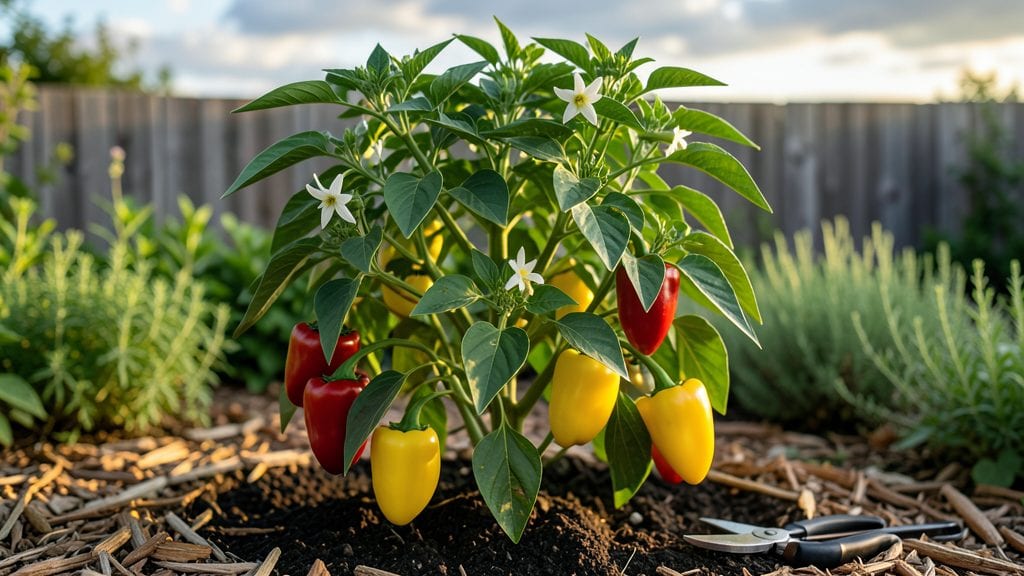
The Lesya pepper plant packs a punch with its sweet-fruited heat in a space-saving package. I fell for this variety after my first taste—juicy, slightly sweet, with a slow-building heat that lingers without overpowering.
It’s the kind of pepper that makes you want to grow more just to share (or eat more yourself).
This compact plant thrives in containers or small garden plots, making it perfect for urban gardeners or those with limited space. You’ll need well-draining soil mixed with compost, 6+ hours of sunlight daily, and consistent moisture—though it can’t handle soggy roots.
The key is keeping the soil warm (around 70°F) and feeding lightly with balanced fertilizer every 4-6 weeks once flowers appear.
By midsummer, you’ll see clusters of glossy green peppers ripening from red to deep purple-black. The heat comes later in the season, so don’t judge too soon—early fruits are sweeter and milder.
Harvest regularly to encourage more production, and save a few to dry or ferment for winter flavors. Every bite reminds you why growing your own peppers beats the store variety.
Watch for aphids and spider mites, which love pepper plants, but a strong spray of water usually does the trick. If you’re in a cooler climate, start seeds indoors 8-10 weeks before last frost—Lesya’s slow start means patience pays off.
Once established, it’s one of the most rewarding peppers to grow, whether you’re making hot sauce, salsas, or just snacking straight from the vine.
📚 In This Guide
- What you need
- Instructions
- Tips and common mistakes
- Wrapping up and next steps
What you need
- ● Lesya pepper seeds – 1–2 seeds per pot (or 5–10 seeds if planting in the ground). Look for organic, non-GMO seeds for the best results!
- ● Seed-starting mix – 1–2 cups of high-quality, sterile potting soil (avoid garden soil—it can harbor diseases).
- ● Growing containers – 4–6 inch pots for seedlings, or a 12+ inch pot if planting directly outdoors. Ensure they have drainage holes!
- ● Watering can or spray bottle – Keep soil consistently moist but not soggy.
- ● Fertilizer – A balanced, water-soluble fertilizer (e.g., 10-10-10) or organic options like compost tea or worm castings.
- ○ Grow lights (optional but helpful) – A full-spectrum LED grow light if starting indoors before the last frost.
- ● Small hand trowel – For transplanting seedlings.
- ● Pruning shears – To trim dead leaves or encourage bushier growth.
- ● Support stakes or cages – 1–2 per plant (Lesya peppers can get heavy!).
- ○ Mulch (optional) – Straw or shredded leaves to retain moisture and suppress weeds.
- ○ pH testing kit (optional) – To ensure soil pH is between 6.0–6.8 (peppers love slightly acidic soil!).
- ● Warmth – Lesya peppers thrive in temperatures between 70–85°F (21–29°C). Start seeds indoors 8–10 weeks before the last frost.
- ● Sunlight – 6–8 hours of direct sunlight daily (indoors or outdoors).
- ● Space – 18–24 inches between plants if growing multiple Lesya peppers.
- ● Patience – Lesya peppers take 70–90 days to mature, so plan accordingly!
Step-by-step instructions for growing the Lesya pepper plant
This compact yet powerful pepper thrives with the right balance of patience and precision.
Choose the Perfect Location and Pot Size
The Lesya pepper loves warmth and needs a pot that won’t outgrow its space too quickly. Select a container with drainage holes that’s at least 12 inches deep and 12 inches wide—this gives its roots room to spread while keeping the plant manageable. If you’re growing outdoors, place it in full sun (6-8 hours daily) where temperatures stay above 65°F. I always opt for terracotta pots because they breathe better and help prevent root rot, which is a common issue with peppers.
If you’re growing in cooler climates, wait until after the last frost date to transplant outdoors. The Lesya is sensitive to cold soil, so I recommend using a heat mat if you’re starting seeds indoors early. Watch for the soil to stay consistently warm—you’ll know it’s ready when the ground feels comfortably warm to the touch, like a sunny afternoon.
Prepare and Plant with Well-Draining Soil
Fill your pot with a lightweight potting mix that drains well—Lesya peppers hate soggy roots. Mix in a handful of perlite or vermiculite to improve aeration, and add a slow-release fertilizer to give it a nutrient boost right from the start. I like to pre-moisten the soil before planting to help the roots settle in without shock. Dig a hole just deep enough to bury the plant up to its first set of leaves, then gently pat the soil around the base to remove air pockets.
If you’re transplanting a young Lesya, handle the roots carefully—don’t tease them out unless they’re tightly bound. Water deeply right after planting to help the soil settle and eliminate any gaps. You’ll see the soil darken slightly as it absorbs moisture, which is your signal that watering was effective. Avoid overhead watering at this stage to prevent fungal diseases from taking hold.
Maintain Consistent Watering and Fertilization
Lesya peppers need even moisture—never let the soil dry out completely, but avoid keeping it soggy. Water when the top inch of soil feels dry to the touch, which usually means every 2-3 days in warm weather. I like to water at the base in the morning so the foliage has time to dry out during the day, reducing the risk of mildew. Mulching with straw helps retain moisture and keeps the soil temperature stable, which is especially important in fluctuating climates.
Feed your Lesya every 4-6 weeks with a balanced fertilizer (10-10-10 or similar) to encourage both fruit production and plant health. You’ll notice new leaves emerging with a deeper green color—this is your cue that the plant is thriving. If the leaves start yellowing, it’s often a sign of overwatering or nutrient deficiency, so adjust accordingly.
Prune and Support for Optimal Growth
Lesya peppers benefit from light pruning to improve airflow and direct energy toward fruit production. Remove any yellow or diseased leaves immediately, and pinch off the first few flowers if your plant is young—this encourages a bushier growth habit. I also tie the stems to a small stake or cage as they grow to prevent them from toppling over under the weight of peppers. You’ll see the plant stand taller and more stable once supported.
As the peppers begin to form, watch for signs of stress like curled leaves or blossom end rot (a common issue with peppers). If you notice calcium deficiencies, add a bit of crushed eggshell or a calcium supplement to the soil. Harvest peppers when they reach their mature color—Lesya peppers can stay on the plant for weeks, so don’t rush it. The flavor intensifies as they ripen, so patience pays off.
Overwintering and Long-Term Care
If you’re growing Lesya peppers in a cooler climate, bring them indoors before the first frost. Place them in a sunny window or under grow lights for 12-14 hours of light daily to keep them producing. Reduce watering slightly in the winter months since growth slows down, but keep the soil lightly moist. You’ll notice the plant’s growth slow significantly, but it won’t go dormant like some other peppers.
Prune back any dead or overgrown branches in early spring to encourage new growth. With proper care, your Lesya pepper can live for years, producing bold heat and sweetness season after season. Keep an eye out for pests like aphids or spider mites—treat them early with neem oil or insecticidal soap to avoid an infestation. A healthy Lesya pepper is a rewarding one!
Tips & tricks for perfect Lesya pepper plant growth
These practical tips will help you nurture your Lesya pepper into a thriving, productive plant that delivers bold heat and sweetness season after season.
Location and Temperature Matters: The 6-8 hours of full sun requirement is non-negotiable for Lesya peppers. If your outdoor space doesn't get this much direct sunlight, consider growing in containers that you can move to sunnier spots throughout the day. I've found that placing the pot on a rolling cart makes repositioning effortless. The 65°F minimum temperature is crucial—any cooler and the plant's growth will stall. In cooler climates, I always use a heat mat during early growth stages to maintain this ideal temperature range.
Soil Preparation Secret: When mixing your lightweight potting soil, I recommend adding a 20% perlite-to-soil ratio rather than just a "handful." This improves aeration significantly and prevents that dreaded soggy soil condition Lesya peppers hate. For the initial planting, pre-moistening the soil is a game-changer—it helps the roots establish without shock. I like to water the soil until it's damp but not dripping, then let it sit for 10 minutes before planting to ensure even moisture distribution throughout the pot.
Watering Wisdom: The top inch soil dryness test works perfectly, but I've learned to adjust my timing based on weather conditions. During heatwaves, I water every 2 days instead of waiting the full 2-3 days. The morning watering routine is essential—it gives foliage plenty of time to dry before evening, which dramatically reduces mildew risk. I've seen cases where afternoon watering led to fungal issues within days, so timing really matters here.
Fertilizer Timing: The 4-6 week feeding schedule is ideal, but I've found that adding a liquid fertilizer boost midway between scheduled feedings gives the Lesya an extra energy kick. Look for a fertilizer with slightly higher phosphorus content (like 5-10-5) during flowering and fruiting stages to encourage better pepper development. Always water thoroughly after fertilizing to prevent salt buildup in the soil.
Pro Tips for Lesya Pepper Plant
- These practical tips will help you nurture your Lesya pepper into a thriving, productive plant that delivers bold heat and sweetness season after season.
- Location and Temperature Matters: The 6-8 hours of full sun requirement is non-negotiable for Lesya peppers.
- Soil Preparation Secret: When mixing your lightweight potting soil, I recommend adding a 20% perlite-to-soil ratio rather than just a "handful."
Frequently asked questions
Got questions about growing your Lesya pepper plant? You’re not alone! Here are some of the most common queries—plus quick, actionable answers to keep your peppers thriving.
How long does it take for Lesya peppers to mature and produce fruit?
The Lesya pepper plant typically takes 80–90 days from transplanting to harvest, depending on your climate. Start seeds indoors 8–10 weeks before the last frost for a head start. Patience pays off—these beauties are worth the wait!
Can Lesya peppers grow in containers, and what size pot do I need?
Lesya peppers thrive in 5-gallon containers or larger (at least 12–18 inches deep). Ensure pots have drainage holes and use a well-draining potting mix. Place them in a sunny spot (6+ hours of light daily) for best results.
Why aren’t my Lesya peppers fruiting? Troubleshooting tips?
If your plant is flowering but not fruiting, check these fixes:
- Pollination: Gently shake the plant or use a small brush to transfer pollen.
- Nutrients: Feed with a balanced fertilizer (10-10-10) every 4–6 weeks.
- Stress: Avoid overwatering or extreme temps (below 50°F or above 95°F).
- Light: Supplement with grow lights if natural light is insufficient.
Are Lesya peppers self-pollinating, or do I need to hand-pollinate?
Lesya peppers are self-pollinating, but they benefit from a little help, especially in containers or low-wind areas. On calm days, give the flowers a gentle tap to encourage pollen transfer.
How do I know when Lesya peppers are ripe and ready to harvest?
Harvest Lesya peppers when they’re firm, glossy, and fully colored (red, orange, or yellow, depending on the variety). For sweetness, pick them when they’re plump but still slightly firm. Use scissors or pruners to avoid damaging the plant.
Pro Tip: Extend your harvest by picking peppers early—this encourages the plant to produce more! Just avoid harvesting when they’re still green if you prefer fully ripe flavor.
Wrapping up and next steps
Growing a Lesya pepper plant is a rewarding journey that blends bold flavors with minimal space—perfect for both novice and seasoned gardeners! 🌱 Whether you crave sweet, smoky, or fiery peppers, this versatile variety delivers big taste in a small package.
With the right care, you’ll enjoy a bountiful harvest in just a few months.
Ready to spice up your garden? Start by gathering your supplies, then plant with confidence—your first Lesya pepper harvest is just around the corner! 🌶️💚