Propagation
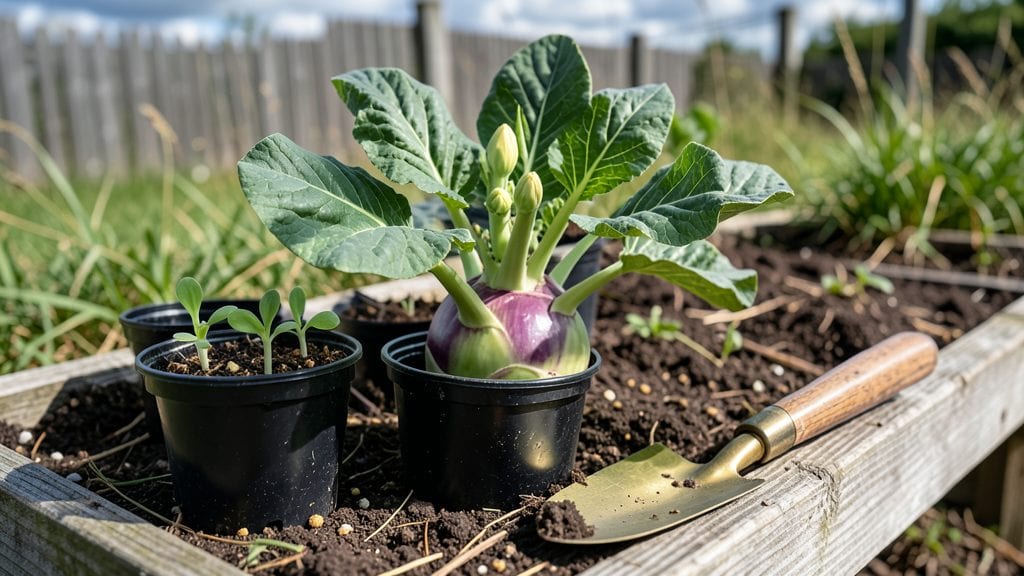
Planting kohlrabi seeds gives you a fast-growing harvest that tastes like a cross between broccoli and a turnip—crisp, sweet, and ready in just 45 days. 🌱 I’ve grown kohlrabi for years, and the secret to success lies in timing, soil prep, and a little patience during germination.
The first time I tried, I nearly gave up when the seeds took two weeks to sprout, but once they break through, they grow like crazy.
You’ll need well-draining soil, a sunny spot with at least 6 hours of sunlight daily, and seeds planted ¼ inch deep, spaced 2 inches apart. Kohlrabi thrives in cooler weather, so aim for early spring or late summer plantings.
A 5-foot row gives enough space for 12-15 plants, and they’ll be ready to harvest before the heat sets in. The key is keeping the soil consistently moist—never soggy—until the plants establish.
By midseason, you’ll have glossy green leaves and those bulbous stems ready to eat raw, roasted, or in salads. The plants stay productive for weeks, and if you let a few go to flower, you’ll get delicate white blooms that attract pollinators.
The best part? No fancy equipment—just a trowel, some seeds, and a little attention to watering.
Fair warning: kohlrabi bolts quickly in hot weather, so time your planting right. Pair them with cabbage or lettuce to slow bolting, and avoid planting near tomatoes or peppers, which can compete for nutrients.
Once you master this, you’ll have a steady supply of homegrown veggies that outshine anything from the store.
📚 In This Guide
- What you need
- Instructions
- Tips and common mistakes
- Wrapping up and next steps
What you need
- ● Kohlrabi seeds: 1–2 oz (about 30–50 seeds, depending on spacing). Opt for varieties like 'Purple Vienna' or 'White Vienna' for classic flavor.
- ● Well-draining potting mix or garden soil: 1–2 cubic feet per plant (or a 10" pot for container gardening). Mix in compost for nutrients.
- ● Sunlight access: 5–6 hours of direct sunlight daily (partial shade in hot climates).
- ● Water source: Hose or watering can with a gentle spray nozzle to avoid disturbing seedlings.
- ○ Plant markers: Small stakes or labels to track varieties (optional but helpful!).
- ● Hand trowel: For digging shallow seed trenches (1/4" deep).
- ○ Gloves: Optional but recommended for messy soil or thorny plants.
- ● Row cover or shade cloth: Lightweight fabric to protect seedlings from pests or intense sun (especially in early stages).
- ● Organic fertilizer: Balanced 10-10-10 or veggie-specific blend (apply at planting and mid-growth).
- ● Last frost date: Plant seeds 2–3 weeks after the last frost in spring or 8–10 weeks before the first fall frost.
- ● Soil temperature: Ideal germination range is 50–85°F. Use a soil thermometer if unsure!
- ● Spacing plan: Kohlrabi needs 12–18 inches between plants (or 6–8 inches in containers).
Step-by-Step instructions for planting kohlrabi seeds
Here's how to grow this speedy vegetable from seed to harvest in just 45 days.
🌱 Step 1: Prepare the Soil and Plant Seeds
Kohlrabi thrives in loose, fertile soil with good drainage. Work the 2 gallons of compost into the top 6 inches of your planting area until it's dark and crumbly. Kohlrabi hates soggy roots, so if your soil stays wet for more than a day after rain, mix in 1 gallon of perlite to improve aeration.
Sow seeds ¼ inch deep in rows spaced 18 inches apart. I plant mine in early spring, about 2-3 weeks before your last frost date, when soil temperatures reach at least 45°F. You'll see tiny green shoots emerge in 5-10 days—that's your signal everything is working.
💧 Step 2: Water and Thin Seedlings
Keep the soil consistently moist but never soggy during germination. Water gently with a fine spray nozzle to avoid disturbing the seeds. Once seedlings reach 2 inches tall (about 3-4 weeks after sowing), thin them to stand 4-6 inches apart in rows.
Here's the thing—I always thin to the strongest seedling in each spot. Pull weaker ones at the base to avoid damaging roots of the plants you're keeping. You'll end up with 4-6 plants per 10-foot row, giving you plenty of harvests.
☀️ Step 3: Provide Sun and Monitor Growth
Kohlrabi needs full sun (6+ hours daily) to develop properly. If your garden gets afternoon shade, plant in the north end of a sunny bed to maximize morning light. You'll notice the bulbs starting to form about 30 days after sowing—this is when they need consistent moisture to prevent cracking.
Water at the base when the top 1 inch of soil feels dry. Avoid overhead watering, especially in the evening, to prevent fungal diseases. The bulbs will swell rapidly in the last 2 weeks before harvest, so keep soil evenly moist during this critical period.
✂️ Step 4: Harvest at Peak Maturity
Harvest when bulbs reach 2-3 inches in diameter—they're ready about 45 days after sowing. I always check by gently squeezing the bulb; it should feel firm but yield slightly like a ripe avocado. If left too long, the bulbs become woody and bitter.
Cut stems with a sharp knife about 1 inch above the bulb to avoid damaging the plant. You'll get 4-6 harvests per plant if you pick regularly. Kohlrabi keeps well in the fridge for 1-2 weeks, so you can enjoy this fast crop all season long.
Tips & tricks for planting kohlrabi seeds
Growing kohlrabi is one of my favorite fast crops—here's how to make the most of that 45-day harvest window.
Soil Prep Tip: Don't rush the soil preparation in Step 1. The 2 gallons of compost should be worked into the top 6 inches thoroughly—think "dark and crumbly" like cake batter. I like to add a handful of worm castings too (optional) for extra nutrients. The perlite isn't just for drainage—it also helps prevent soil compaction, which is crucial since kohlrabi bulbs need room to swell.
Timing Secret: Those 5-10 days for germination can feel like forever, but patience pays off. If your soil stays below 45°F, germination slows dramatically. I've found that covering seeds with a light row cover speeds things up by 2-3 days without overheating. Once you see those first green shoots, mark your calendar—you'll want to harvest in exactly 45 days!
Thinning Strategy: The 4-6 inches between plants in Step 2 might seem generous, but trust me on this. Kohlrabi bulbs need space to grow properly—crowded plants develop odd shapes and bitter flavors. When thinning, use small scissors to snip at soil level rather than pulling. This prevents disturbing the roots of your remaining plants and gives you edible microgreens to use in salads!
Harvest Hack: In Step 4, that 1-inch stem cut is crucial—it prevents the plant from regrowing and lets you get multiple harvests per plant. I harvest every 3-4 days during peak season, always cutting with a sharp knife. The bulbs will keep growing slightly after cutting, so you're always getting fresh, tender kohlrabi. Store harvested bulbs in the crisper drawer—they'll stay crisp for 1-2 weeks.
Pro Tips for Planting Kohlrabi Seeds
- Growing kohlrabi is one of my favorite fast crops—here's how to make the most of that 45-day harvest window.
- Soil Prep Tip: Don't rush the soil preparation in Step 1.
- Timing Secret: Those 5-10 days for germination can feel like forever, but patience pays off.
Frequently asked questions
Got questions about growing kohlrabi from seeds? You’re not alone—this fast-growing veggie has a few quirks! Here are answers to the most common ones to help you grow a thriving harvest.
When is the best time to plant kohlrabi seeds?
Kohlrabi thrives in cool weather, so plant seeds 4–6 weeks before your last frost date in spring (around March–April in most zones). For a fall harvest, sow seeds 8–10 weeks before your first frost (August–September). Avoid planting in scorching summer heat—it’ll bolt (go to seed) quickly!
How long does it take for kohlrabi seeds to germinate?
Kohlrabi seeds typically sprout in 5–10 days in warm, moist soil (60–70°F). Keep the soil consistently damp but not soggy, and place a clear plastic dome or row cover over seedlings to speed up germination. Pro tip: Soak seeds overnight before planting for even faster results!
Can I grow kohlrabi in containers or small spaces?
Kohlrabi is perfect for containers—just use a 5–7 gallon pot with at least 6–8 inches of depth. Space plants 6–8 inches apart and place in full sun. For small gardens, try ‘Purple Vienna’ or ‘Early White Vienna’—compact varieties that mature quickly.
What pests or diseases should I watch for when growing kohlrabi?
Kohlrabi is relatively low-maintenance, but keep an eye out for cabbage worms, aphids, and flea beetles. Use row covers early to deter pests, or spray with neem oil if needed. Rotate crops yearly to prevent clubroot disease, and avoid waterlogging soil to reduce fungal issues.
What can I plant with kohlrabi to improve growth?
Kohlrabi is a great companion plant! Pair it with beans, celery, onions, or tomatoes to deter pests naturally. Avoid planting near cabbage family members (like broccoli or Brussels sprouts), as they compete for nutrients. Bonus: Interplanting with herbs like dill can repel cabbage moths!
Wrapping up and next steps
Planting kohlrabi seeds is a rewarding journey that delivers a fast, flavorful harvest in just 45 days! Whether you're a seasoned gardener or a beginner, these versatile bulbs are easy to grow and packed with nutrients.
Now that you’re armed with the right techniques, grab those seeds and get planting—your garden (and taste buds) will thank you!
Ready to take the next step? Start small—try a few seeds in containers or a sunny patch of soil—and soon, you’ll be enjoying fresh, homegrown kohlrabi straight from your garden. Happy growing! 🌱✨