
Vegetables
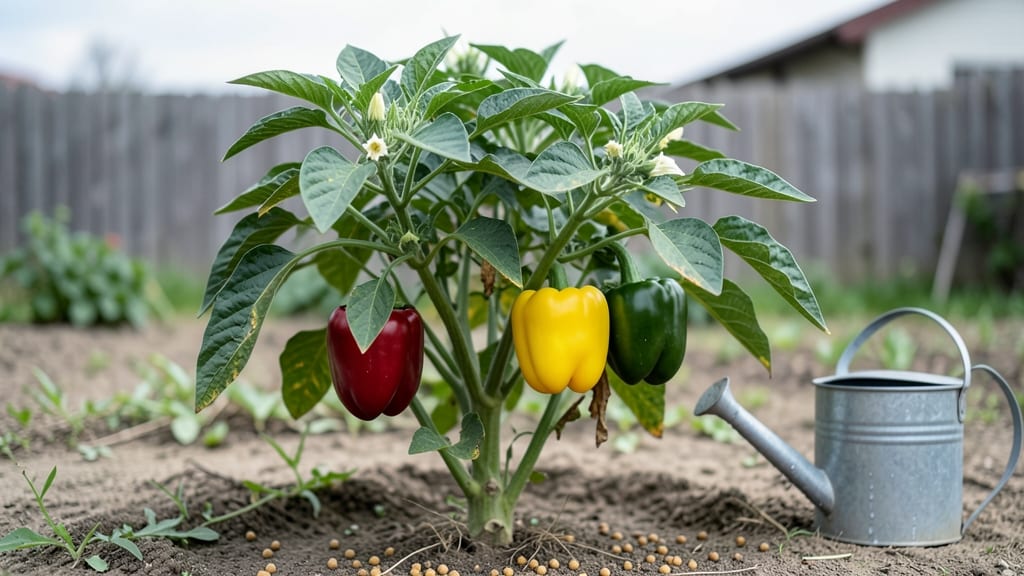
To make pepper plants grow faster, start by giving them the heat they crave—think 70°F days and 60°F nights, or a sunny windowsill with a grow light. 🌱 I learned the hard way that chilly soil and drafts stall growth, but once you dial in the warmth, those seedlings stretch toward the sky in record time.
The secret isn’t just heat, though—it’s the soil’s ability to hold moisture and nutrients without drowning roots.
You’ll need well-draining potting mix (or compost-amended garden soil) with a balanced fertilizer like 10-10-10, applied every 2-3 weeks once plants hit 6 inches tall. Prune suckers early to focus energy on fruit production, and water at the base—never overhead—to prevent fungal slowdowns.
My fastest-growing peppers this year? The ones in 5-gallon containers near a south-facing wall.
Within 6-8 weeks, you’ll see thick stems, glossy leaves, and the first blossoms appearing—proof the heat-loving tricks are working. The harvest starts earlier, lasts longer, and the peppers pack more flavor because the plants aren’t struggling to catch up. Even my black thumb’s peppers outpaced the neighbors’ last summer.
This works for both backyard beds and indoor setups, though outdoor plants need afternoon shade in scorching climates. The key is consistency: keep the soil warm, feed lightly but often, and watch those plants race toward maturity. Ready to turn slowpokes into speed demons?
📚 In This Guide
- What you need
- Instructions
- Tips and common mistakes
- Wrapping up and next steps
What you need
- ● Pepper plants: Healthy seedlings or seeds (start indoors 8–10 weeks before last frost, or buy transplants for a head start).
- ● High-quality potting mix: 10–15 lbs of well-draining, organic soil blend (look for compost, perlite, and vermiculite).
- ● Containers or garden bed: For containers: 5–7 gallon pots (minimum 12" deep) with drainage holes.
- ● For in-ground: Full sun (6+ hours/day) and fertile soil (amend with compost if needed).
- ● Fertilizer: Balanced starter: 10-10-10 or 5-5-5 fertilizer (1 tbsp per plant at transplanting).
- ● High-phosphorus: 3-4-6 or 5-10-10 for flowering/fruiting (1 tbsp every 2–3 weeks).
- ● Organic options: Fish emulsion, compost tea, or worm castings (dilute as directed).
- ● Watering tools: Watering can with a gentle spray nozzle or drip irrigation system.
- ● Mulch: Straw, wood chips, or black plastic (1–2 inches thick to retain moisture and warmth).
- ● Heat mat: For seedlings (70–80°F range) to speed up germination.
- ● Grow lights: LED or fluorescent (12–16 hours/day) if natural light is limited.
- ● Epsom salt: 1 tbsp dissolved in 1 gallon of water (monthly foliar spray for magnesium boost).
- ● Pruning shears: For trimming leggy growth or removing suckers.
- ● Plant supports: Stakes or cages (for varieties like bell peppers or jalapeños).
- ● Thermometer: Soil or air thermometer to monitor heat levels (ideal: 70–85°F).
How to speed up pepper plant growth with heat and light tricks
Here’s the method I’ve used to get peppers fruiting in half the usual time—no shortcuts, just smart heat and light management.
🌱 Step 1: Start Seeds Early in Warmth
Peppers need 75-85°F soil to germinate, so I use a seedling heat mat set to 80°F from day one. Place your 4 seed trays on the mat and cover with plastic wrap to trap warmth. Seeds should sprout in 5-7 days—if they don’t, check moisture (soil should feel like a damp sponge).
Don’t skip the heat mat. Without it, germination can take 2-3 weeks, and weak seedlings struggle to catch up. Once sprouts appear, remove the plastic wrap immediately to prevent mold. You’ll see tiny leaves within 7-10 days—that’s your signal to start light training.
☀️ Step 2: Provide 16+ Hours of Bright Light Daily
Peppers need full-spectrum grow lights within 2-3 inches of seedlings to prevent leggy growth. I use a T5 LED light on a timer for 16 hours/day. If you’re using natural light, place seedlings in the sunniest window (south-facing) and rotate pots quarter-turn daily so they grow straight.
Leggy seedlings (thin stems, wide leaf spacing) mean light is too weak. Move the light closer or add a second fixture. Strong seedlings have thick stems and dark green leaves spaced 1 inch apart. Once they hit 4 inches tall, lower the light to 4 inches to encourage bushier growth.
💧 Step 3: Water Deeply but Infrequently
Peppers hate soggy roots, so I water only when the top 1 inch of soil feels dry—usually every 3-4 days. Use room-temperature water to avoid shocking roots. I water at the base (not overhead) to prevent fungal diseases like damping-off, which can kill seedlings overnight.
Overwatering is the #1 killer of fast pepper growth. Yellowing leaves? You’re watering too much. Brown edges? Too little humidity. Aim for even moisture—soil should stay slightly damp but never wet. Once seedlings have 3-4 true leaves, fertilize lightly with a balanced 10-10-10 solution to boost root and leaf growth.
✂️ Step 4: Prune for Bushier, Faster Growth
When seedlings reach 6 inches tall, pinch off the top set of leaves just above a leaf node. This forces energy into side branches, which produce more flowers and fruit. I also remove any yellow or damaged leaves to redirect nutrients. Prune in the morning so wounds heal in daylight.
Don’t over-prune—keep at least 3-4 main stems to support fruit weight. After pruning, give plants a light misting to reduce stress. You’ll see new growth in 5-7 days, and plants will fill out faster than unpruned varieties. This trick cuts harvest time by 2-3 weeks by maximizing fruiting branches.
🌿 Step 5: Harden Off and Transplant Quickly
Two weeks before your last frost, move seedlings outside for 1-2 hours/day in a shaded, sheltered spot. Gradually increase time to full sun over 7-10 days. Peppers are frost-sensitive—never transplant until soil is at least 60°F. I bury seedlings deeper than the pot (up to the first true leaves) to stabilize stems and encourage root growth.
After transplanting, water deeply and mulch with 2 inches of straw to retain moisture and warmth. You’ll see new leaves in 7-10 days, proving roots are established. Now, focus on consistent watering and fertility—your peppers will start flowering in 3-4 weeks instead of the usual 6-8.
Tips & tricks for faster pepper plant growth
A few key tricks can cut weeks off your pepper harvest time—here's what I've learned after growing hundreds of plants.
Heat Mat Hack: That 80°F heat mat isn't just about speed—it's about consistency. I've found that placing a small thermometer in the soil confirms the temperature stays within 75-85°F range. If your kitchen dips below 70°F at night, move the trays to a warmer spot like near a sunny window with a space heater (safely positioned). The difference between 70°F and 80°F soil can mean the difference between 5-7 days and 2-3 weeks for germination.
Light Positioning Secret: When adjusting your T5 LED light to 4 inches from seedlings at 4 inches tall, I use a simple trick: hold your hand between the light and plants. If you can't see your fingers clearly, the light's too close. That 16-hour light schedule is critical—set your timer for 6am-10pm to match natural daylight patterns. I've seen leggy seedlings turn into sturdy plants within days just by perfecting this light distance.
Watering Wisdom: The 1-inch dry soil rule works best when you check moisture at the same time daily—morning is ideal. I use a wooden skewer to test depth: if it comes out clean, wait another day. That 10-10-10 fertilizer should be mixed at half-strength (5-5-5) for seedlings with 3-4 true leaves—full strength can burn tender roots. Remember, peppers are 90% water by weight, so consistent moisture prevents stress that delays growth.
Pruning Pro Tip: When pinching those top leaves at 6 inches, look for the first set of true leaves—that's where new side branches will emerge. I mark pruning days on my calendar because plants show visible stress symptoms (drooping, curled leaves) if pruned at the wrong time. That 5-7 day recovery period is when the magic happens—new growth appears faster than with unpruned plants, and you'll notice more flower buds forming within 2-3 weeks.
Pro Tips for Make Peppers Plants Grow Faster
- A few key tricks can cut weeks off your pepper harvest time—here's what I've learned after growing hundreds of plants.
- Heat Mat Hack: That 80°F heat mat isn't just about speed—it's about consistency.
- Light Positioning Secret: When adjusting your T5 LED light to 4 inches from seedlings at 4 inches tall, I use a simple trick: hold your hand between the light and plants.
Frequently asked questions
Got questions about speeding up your pepper plants? You’re not alone! Here are answers to the most common queries—so you can get those spicy (or sweet) harvests faster than ever.
How soon can I expect faster growth after using these tricks?
Most techniques—like warmth optimization or fertilizer tweaks—show results in 1-2 weeks. Peppers are sensitive to heat, so if you’re using grow lights or heat mats, you’ll likely see leafier, bushier plants within 7-10 days. Patience is key, but consistency pays off!
What if my peppers are still growing slowly even after trying these methods?
Slow growth could mean underwatering, poor drainage, or insufficient light. Check your soil—it should feel damp but not soggy. If your plants are leggy or pale, they’re stretching for light. Try moving them closer to a sunny window or adding a LED grow bulb 6-12 inches above them. Pests or disease can also stall growth—inspect leaves for holes or spots and treat early!
Can I use regular houseplant fertilizer, or do peppers need something special?
Peppers thrive on balanced, nitrogen-rich fertilizers (like 10-10-10) early in growth, then switch to phosphorus-heavy (5-10-10) when buds form. Avoid high-nitrogen fertilizers late in the season, as they promote leaves over fruit. Fish emulsion or compost tea are great organic alternatives—just dilute to half-strength to avoid burning roots!
Do pepper plants grow faster in pots or in the ground?
Both work, but containers offer more control. Peppers in pots warm up faster (ideal for short seasons) and let you rotate them for sunlight. However, in-ground plants benefit from natural soil microbes and deeper roots, which can boost growth long-term. If using pots, ensure they’re at least 12 inches deep and have drainage holes to prevent root rot.
Is it too late to speed up my pepper plants if they’re already flowering?
Not at all! While young plants respond fastest to heat and fertilizer, mature plants still benefit. Focus on consistent watering (deep but infrequent), pruning suckers (side shoots) to direct energy to fruit, and protecting from cold snaps. A light mulch (straw or grass clippings) keeps roots warm. Just avoid heavy fertilization now—it can delay harvests by encouraging new leaves over fruit!
Wrapping up and next steps
Growing peppers faster isn’t just about patience—it’s about smart, heat-loving care! With the right tricks—like proper spacing, heat management, and nutrient boosts—you’ll be harvesting juicy, vibrant peppers in record time. 🌶️✨ Don’t wait for summer to shine; start implementing these tips today and watch your plants thrive.
Ready to take action? Pick one technique from this guide—whether it’s mulching, pruning, or fertilizing—and give it a try this week. Your future harvest (and taste buds!) will thank you.