Blooming
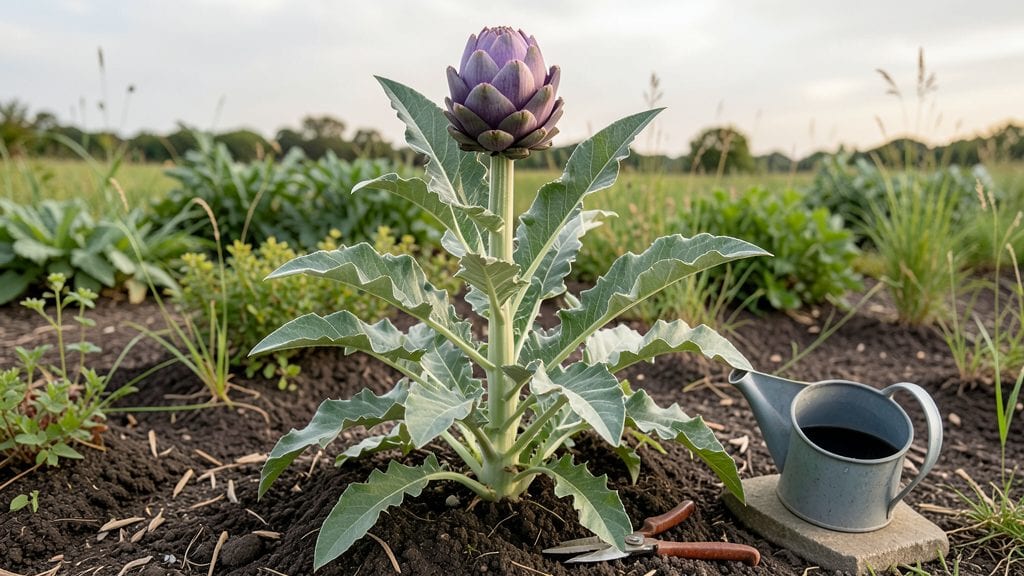
The moment your artichoke plant bloom unfurls in vibrant purple is the garden’s sweetest reward—if you know what to watch for. 🌿 I remember the thrill of spotting that fuzzy bud last spring, knowing it would soon turn into a harvestable treasure.
The key is understanding when (and how) those tight little buds form, because timing makes all the difference between a showy flower and a plump, edible artichoke.
The secret to coaxing those blooms lies in three things: sunlight, soil, and patience. Artichokes demand full sun—at least six hours daily—and well-draining soil rich in organic matter. Too much shade or wet soil, and the plant focuses on leaves instead of buds.
I learned this the hard way when my first attempt produced leafy stalks but no blooms—until I moved them to a sunnier spot and amended the soil with compost.
When you see those fuzzy purple buds appear, act fast. They only stay edible for about a week before opening into thistle-like flowers. Harvest when the scales are still tight but the base has swollen—this is your window for tender, flavorful artichokes.
The reward? A harvest that tastes like nothing store-bought can match, straight from your own garden.
Even if your first year isn’t perfect, don’t give up. Poor blooming often comes down to nitrogen levels (too much means leafy growth, not buds) or inconsistent watering. Next season, focus on balanced fertilizer and steady moisture, and you’ll be picking artichokes like a pro.
The journey from bloom to harvest is worth every lesson learned along the way.
📚 In This Guide
- What you need
- Instructions
- Tips and common mistakes
- Wrapping up and next steps
What you need
- ● Artichoke plants: 1-3 Globe or Green Globe varieties (best for blooms). Start with nursery-grown plants or seeds (soak seeds 24 hours before planting).
- ● Well-draining soil: 10-15 cubic feet of loamy, slightly acidic soil (pH 6.0-7.5). Mix in 2-3 inches of compost or aged manure per planting hole.
- ● Sunlight: Full sun (6-8+ hours daily). A south-facing location is ideal.
- ● Water: 1-2 gallons per plant, 2-3 times per week (adjust for climate). Drip irrigation or soaker hoses work best.
- ● Fertilizer: Balanced 10-10-10 or organic options like fish emulsion (apply every 4-6 weeks).
- ● Garden trowel or shovel: For planting and soil prep.
- ● Pruning shears: To trim dead leaves or harvest blooms.
- ○ Mulch (optional): 2-3 inches of straw or wood chips to retain moisture and suppress weeds.
- ○ Support stakes (optional): 3-4 ft tall for taller varieties to prevent flopping.
- ● Gloves & sun hat: For comfort during outdoor work.
- ● Hardiness zones: 7-11 (plant after last frost, typically spring for most regions).
- ● Spacing: 3-4 feet apart in rows 4-5 feet apart.
- ● Bloom time: 90-120 days after planting (varies by variety and climate).
How to encourage artichoke blooms for a bountiful harvest
Here's how to coax those prized purple buds into opening—your first edible flower harvest awaits.
☀️ Step 1: Provide Full Sun and Warm Soil
Artichokes demand 6-8 hours of direct sunlight daily—no compromise here. I plant mine where they get morning sun and afternoon shade in hot climates, but full sun all day works best for reliable blooms. The soil must stay above 60°F for roots to actively feed the plant.
If your spring is cool, use black plastic mulch to warm the soil faster. You'll see the difference when the first buds form—plants in warm soil produce 2-3 weeks earlier than those struggling in cold ground. Test soil temperature with a thermometer at planting depth; if it's below 60°F, wait a week or two.
💧 Step 2: Water Deeply and Consistently
Artichokes have deep taproots, so water 1-2 inches per week, letting the soil dry slightly between waterings. I use a soaker hose to deliver moisture slowly at the base—this prevents fungal issues that can rot buds before they open. The key is steady moisture, not soggy soil.
Watch for wilting in the afternoon—this means roots aren't getting enough water. Mulch with 2-3 inches of straw to retain moisture and keep roots cool. Overhead watering wets the leaves and invites mildew, so always water at the base. You'll know you're doing it right when the soil feels damp 2 inches down but not waterlogged.
🌿 Step 3: Fertilize for Strong Bud Formation
Feed with a balanced organic fertilizer (10-10-10 or 5-5-5) when buds first appear, about 6-8 weeks after planting. I use compost tea for a gentle boost—too much nitrogen now makes plants leafy at the expense of buds. Split the fertilizer into 3 applications, spaced 3 weeks apart.
Look for new growth around the base—this signals the plant is storing energy for bud development. If leaves yellow, you're over-fertilizing. Artichokes need phosphorus and potassium for blooms, so side-dress with bone meal or kelp meal if buds form but don't open. The goal is large, firm buds, not lush foliage.
✂️ Step 4: Prune Strategically to Encourage Blooms
Remove any side shoots that form below the main bud—these steal energy from the flower. I pinch off any buds that appear before May 15th in my zone (they won't mature before frost). The plant redirects energy to later, stronger buds when you do this.
After harvest, trim back any dead or diseased growth immediately. This keeps air circulating and prevents fungal spores from infecting new buds. You'll see the difference in next year's crop—plants that stay healthy produce 20-30% more blooms the following season.
⏰ Step 5: Time Harvest for Peak Flavor
Harvest when buds are 3-5 inches wide and tightly closed—this is the "choke" stage. I check daily starting in late spring, cutting with a sharp knife to avoid damaging the stem. The bud should feel firm; if it opens even slightly, it's past prime.
Leave 2-3 buds per plant to mature into flowers—they attract pollinators that boost next year's yield. Store harvested buds in the fridge for up to 5 days or blanch and freeze for longer storage. You'll know you timed it right when the base tastes tender and the scales are tightly packed.
Tips & tricks for perfect artichoke plant blooms
Here's what nobody tells you about coaxing those stunning purple buds to open—these tricks make all the difference between a few sad flowers and a bountiful harvest.
The Heat Factor: That 60°F soil temperature isn't just a suggestion—it's the magic threshold for bud formation. I learned this the hard way after planting in 55°F soil and watching buds fail to develop. Use a soil thermometer to check before planting, especially in spring. If your ground runs cold, try planting in raised beds with black plastic mulch—it can raise soil temps by 10-15°F and get those buds forming weeks earlier.
Watering Wisdom: The 1-2 inches per week guideline is perfect, but timing matters just as much. Water in the morning so leaves dry quickly—this prevents fungal issues that can rot buds before they open. I set up a drip irrigation system on a timer for my artichokes, delivering water slowly at the base. Overhead sprinklers are a no-go; they create the perfect conditions for mildew.
Fertilizer Timing Secret: Those 3 applications spaced 3 weeks apart starting at 6-8 weeks after planting are critical for bud development. Too much nitrogen too early makes plants go leafy instead of flowering. I switch to a phosphorus-heavy fertilizer (like bone meal) when buds first appear—this shift is what triggers those beautiful purple blooms. Look for new growth at the base as your signal to start fertilizing.
Pruning Breakthrough: Don't just cut back dead growth—actively manage your plant's energy. When you see side shoots forming below the main bud, pinch them off immediately. These steal energy meant for the flower. And here's a pro move: if early buds appear before May 15th in your zone, snip them off completely. The plant will redirect that energy to stronger, later blooms that actually mature before frost.
Pro Tips for Artichoke Plant Bloom
- Here's what nobody tells you about coaxing those stunning purple buds to open—these tricks make all the difference between a few sad flowers and a bountiful harvest.
- The Heat Factor: That 60°F soil temperature isn't just a suggestion—it's the magic threshold for bud formation.
- Watering Wisdom: The 1-2 inches per week guideline is perfect, but timing matters just as much.
Frequently asked questions
Got questions about when, how, or why your artichoke plant blooms? You’re not alone! Here are some of the most common queries—plus quick, actionable answers to help you get the most out of your edible blooms.
When do artichoke plants typically bloom?
Artichoke plants (like Cynara cardunculus) usually bloom in late spring to early summer, about 60–90 days after transplanting in warm climates. In cooler zones, they may bloom later (June–July). Look for vibrant purple or blue flower buds—these are your edible harvest! If blooms appear too late, check soil nutrients (add compost) or extend the growing season with row covers.
How long does it take for an artichoke plant to bloom?
From seed to bloom takes 120–180 days, but starts from transplants bloom faster (60–90 days). Speed up the process by:
- Planting in full sun (6+ hours/day) and well-draining soil.
- Avoiding overwatering (soggy soil delays blooms).
- Fertilizing with low-nitrogen, high-phosphorus (like 5-10-10) when buds form.
Why isn’t my artichoke plant blooming?
Missing blooms? Common culprits include:
- Insufficient sunlight: Artichokes need 6+ hours of direct sun. Move plants to a sunnier spot.
- Cold temperatures: They thrive in USDA Zones 7–10. Use row covers if frost threatens.
- Overcrowding: Space plants 3–4 feet apart for airflow and energy to bloom.
- Nutrient deficiencies: Test soil for potassium/magnesium—add wood ash or Epsom salt if needed.
Can I eat artichoke flowers before they bloom?
Yes! The tight, unopened buds (still green) are the classic edible harvest. Wait until they’re 3–5 inches wide—the larger, the more flavorful. Once the purple bracts start opening, the center becomes fuzzy and inedible. Pro tip: Harvest in the morning for the crispest texture, and trim stems to 1 inch below the bud.
Are there alternatives if my artichoke plant won’t bloom?
If blooms are a no-go, try these edible flower alternatives with similar growing ease:
- Sunchokes (Jerusalem artichokes): Hardy, perennial, and eat the tubers (not flowers).
- Cardoon: Artichoke’s cousin—harvest unopened buds like artichokes but with a celery-like flavor.
- Nasturtiums: Fast-growing, peppery flowers and edible leaves/seeds.
- Calendula: Bright, citrusy petals for salads or teas.
Wrapping up and next steps
Watching your artichoke plant bloom is like unlocking a garden treasure—fresh, edible, and full of potential! 🌱 Whether you're a foraging enthusiast or a home gardener, these vibrant blooms reward patience with delicious harvests.
Now that you’re equipped with the know-how, go ahead and nurture those buds—your kitchen (and taste buds) will thank you!
Ready to take the next step? Experiment with recipes, share your harvest, or even propagate more plants! 🌟 The journey doesn’t end here—keep blooming, keep growing!