
Companion Plants
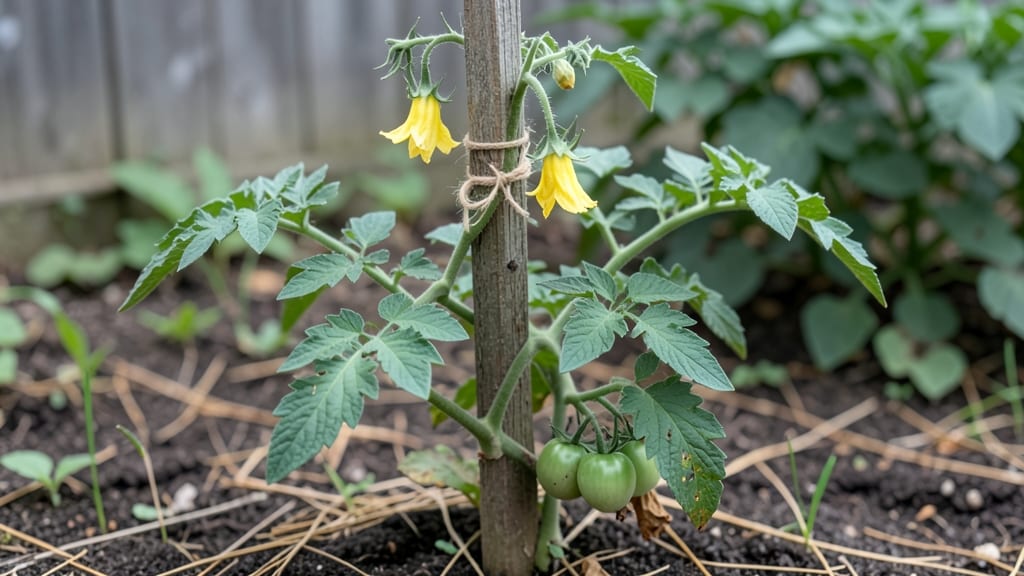
Training tomato plants to climb a trellis isn’t just about saving space—it’s the secret to doubling your harvest while keeping fruit cleaner and easier to pick. 🌱 After years of wrestling with sprawling vines, I finally cracked the system that turns floppy plants into sturdy, productive towers.
The right technique transforms your garden into a vertical fruit factory, where every inch of air and sunlight gets put to work.
You’ll need just three things: a strong trellis (bamboo stakes or metal cages work best), soft plant ties or strips of fabric, and a sharp pair of pruners.
The process takes about 20 minutes once you get the hang of it, and the payoff comes in bigger, riper tomatoes that stay off the ground where pests and rot can’t reach. No more buried fruit or tangled vines—just neat rows of climbing plants that keep producing all season.
What you’ll end up with is a neat, high-yielding tomato plant that looks like it belongs in a botanical garden, not your backyard. The fruit ripens more evenly, the plant stays healthier with better airflow, and you’ll actually be able to reach every tomato without bending over.
The key is consistency—train early, prune regularly, and don’t let the vines get too heavy for the support. Trust me, your tomatoes will thank you.
This method works for determinate (bush) and indeterminate (vining) varieties, though indeterminate types really shine when given vertical space. Whether you’re dealing with a single plant or a full row, the same principles apply. Let’s get those vines climbing!
📚 In This Guide
- What you need
- Instructions
- Tips and common mistakes
- Wrapping up and next steps
What you need
- ● Tomato seeds or seedlings: Choose disease-resistant varieties like 'Celebrity,' 'Roma,' or 'Sungold' (6–12 plants, depending on space).
- ● Trellis or support system: Stakes: 6–8 ft tall bamboo, wooden, or metal stakes (1 per plant).
- ● Cages: 5–6 ft tall wire tomato cages (1 per plant).
- ● Trellis nets: Heavy-duty netting (e.g., 1.5" mesh) for vertical gardens (span 6–10 ft).
- ● Florida weave: 1–2 ft wide strips (1–2 per plant for weaving).
- ● Garden soil or potting mix: Well-draining, nutrient-rich soil (amend with compost or aged manure).
- ● Fertilizer: Balanced fertilizer (10-10-10) or organic options like worm castings or fish emulsion.
- ● Slow-release tomato fertilizer (e.g., Osmocote) for long-term growth.
- ● Pruning tools: Bypass pruners (for clean cuts).
- ● Garden shears (for larger stems).
- ● Twine or soft plant ties: 3–4 ft lengths (1–2 per plant for securing).
- ● Watering can or hose with nozzle: For gentle, deep watering (avoid wetting leaves).
- ● Mulch: Straw or shredded leaves to retain moisture and suppress weeds.
- ● Plant clips: Plastic or metal clips for securing vines without damaging stems.
- ● Grow lights (for indoors): LED grow lights (12–16 hours/day) if starting seeds early.
- ● Companion plants: Basil, marigolds, or borage to deter pests and boost growth.
- ● Plant markers: Labels or stakes to track varieties and training progress.
Step-by-Step guide to training tomato plants on a trellis
Here’s how I’ve trained dozens of tomato plants to climb trellises—stronger stems, better airflow, and bigger yields every time.
🌱 Step 1: Choose the Right Trellis and Plant Stems Early
Start training the moment your tomato plants hit 6 inches tall—that’s when stems are strong enough to support their own weight. I use wooden A-frame trellises or sturdy bamboo stakes for support, positioned 12-18 inches away from the plant base. The trellis should be 6-8 feet tall to accommodate indeterminate varieties, which keep growing all season.
If you’re using a cage, skip this step—but for trellises, tie the main stem loosely to the support with soft plant ties (never wire or twine—it cuts into stems). Leave 2-3 inches of slack so the plant can grow without restriction. Watch for the first flower cluster to appear; this is your cue to start guiding the stem upward.
☀️ Step 2: Guide the Main Stem and Prune Strategically
Once the main stem reaches the trellis, weave it gently through the support every 12 inches to encourage upward growth. I pinch off suckers (those little shoots that form in the leaf axils) when they’re less than 2 inches long—they drain energy from fruit production. Keep only one strong sucker if you’re growing a bushier plant, but most gardeners skip this for indeterminate varieties.
Prune any leaves that grow below the first flower cluster—they’ll block airflow and invite disease. You’ll know you’re doing it right when the plant directs its energy upward instead of sprawling. Avoid cutting more than 1/3 of the foliage at once; tomatoes are sensitive to sudden defoliation.
🪴 Step 3: Secure the Plant as It Grows and Train Side Shoots
Every 4-6 inches of new growth, check the main stem and tie it again to the trellis. Use soft fabric ties (like old T-shirts cut into strips) to avoid damaging the stem. For indeterminate tomatoes, let side shoots (those that form above the first flower cluster) grow—these become future fruit-bearing branches. Tie these horizontally along the trellis to spread the plant’s weight.
If a branch gets too heavy, prop it up with a small stake or additional tie. You’ll see the difference in fruit set—plants on trellises produce more evenly ripened, cleaner tomatoes because they’re not touching the ground. Water at the base only to avoid wetting leaves, which reduces disease risk.
✂️ Step 4: Maintain Through Harvest and Prepare for Next Season
As tomatoes ripen, support heavy clusters with extra ties or small stakes. Harvest every 2-3 days to encourage more production—overripe tomatoes weigh down branches and can snap stems. I always leave 2-3 inches of stem when picking to prevent disease entry points.
At season’s end, cut the plant at ground level and compost the debris (unless disease was an issue—then toss it). Clean the trellis with a 10% bleach solution to kill any lingering pathogens. Store ties and tools in a dry place for next year’s even bigger harvest.
⏰ Step 5: Troubleshoot Common Issues Before They Start
If your plant stops growing, check for root-bound conditions or nutrient deficiencies (yellow leaves mean nitrogen; purple stems mean phosphorus). Leggy growth? Your trellis isn’t tall enough or the plant isn’t getting enough light—move it to a south-facing spot or extend the trellis. Wilting leaves? It’s probably blossom end rot—water consistently and add crushed eggshells to the soil for calcium.
I’ve trained tomatoes in windy conditions by securing the base with stakes buried 12 inches deep, and in small spaces by using wall-mounted trellises. The key is consistency—check your plants daily during early growth and every other day once established. With this method, you’ll get tomatoes higher, cleaner, and more abundant than ever before.
Tips & tricks for perfect tomato trellis training
Here's what I've learned after training dozens of tomato plants—these tricks make all the difference between a sprawling mess and a thriving vertical garden.
Tie Technique: When you first tie your 6-inch-tall plant to the trellis in Step 1, use a loose knot that allows the stem to grow without constriction. I've ruined stems with tight ties that cut into the plant—always leave that 2-3 inches of slack mentioned in the instructions. For extra security, I double-knot the ties every 4-6 inches of growth, but I make sure to check them weekly to prevent any tightening as the plant thickens.
Pruning Strategy: In Step 2, when you're pinching off suckers, focus on the ones that are less than 2 inches long. I've found that waiting until they're bigger just wastes energy the plant could be using for fruit production. For indeterminate varieties, let those side shoots grow above the first flower cluster—they'll become your future fruit-bearing branches. Just remember to tie them horizontally to spread their weight.
Equipment Upgrade: Don't settle for cheap twine or wire—it can damage delicate stems. I cut old T-shirts into strips for soft fabric ties, and they last all season without harming the plants. For extra stability in windy conditions, I bury stakes 12 inches deep and secure the base of the trellis. This prevents the whole plant from toppling over when heavy fruit clusters develop.
Harvest Hack: When tomatoes ripen in Step 4, I harvest every 2-3 days to keep production going. The key is leaving that 2-3 inches of stem when picking—it helps prevent disease from entering through the cut. I also use small stakes to support heavy clusters, which prevents stem snapping and keeps the fruit cleaner since it's not touching the ground.
Pro Tips for Training Tomato Plants
- Here's what I've learned after training dozens of tomato plants—these tricks make all the difference between a sprawling mess and a thriving vertical garden.
- Tie Technique: When you first tie your 6-inch-tall plant to the trellis in Step 1, use a loose knot that allows the stem to grow without constriction.
- Pruning Strategy: In Step 2, when you're pinching off suckers, focus on the ones that are less than 2 inches long.
Frequently asked questions
Got questions about training your tomato plants? You’re not alone! Here are answers to the most common concerns to help you grow like a pro.
How soon can I start training my tomato plants?
Start training your tomato plants as soon as they reach 12–18 inches tall and have a sturdy stem. For indeterminate varieties, begin early to encourage upward growth and prevent sprawling. Determinate types may need less support, but pruning early still helps airflow and fruit production.
What’s the difference between pruning and training tomato plants?
Training involves guiding vines along a trellis, cage, or stake to maximize space and sunlight. Pruning removes suckers (side shoots) and lower leaves to improve airflow and redirect energy to fruit production. Do both for healthier plants!
My tomato plants are wilting after training—what went wrong?
Wilt can happen if you prune too aggressively or damage the stem. Always use clean, sharp tools and avoid removing more than 1/3 of the foliage at once. Check for pests, overwatering, or root issues too. Give plants time to recover in shade if needed.
Can I train tomato plants without a trellis?
Use cages, stakes, or even a DIY frame made from bamboo or wire. For small spaces, try espalier (training along a wall) or a floral arch. Just ensure support is secure—tomatoes can get heavy!
Do I need to prune tomato flowers or fruit?
No, never prune flowers or fruit! However, you can thin clusters to leave 5–6 inches between fruits for better size and quality. Removing small, weak tomatoes early helps the plant focus energy on fewer, larger ones.
Wrapping up and next steps
Training your tomato plants with the right trellis techniques isn’t just about aesthetics—it’s a game-changer for healthier vines, better airflow, and bigger, juicier harvests! 🌱 Whether you’re a seasoned gardener or just starting, mastering these methods ensures your tomatoes thrive while saving you time and effort.
Now that you’re equipped with the best trellising strategies, it’s time to roll up your sleeves and get growing!
🌟 Your Next Step:
- Start small—try one trellis technique this season and track your progress.
- Experiment with companion plants (like basil or marigolds) to boost growth even more!
- Share your success (or ask questions!) in gardening communities for extra tips.
Happy gardening—your future harvests are waiting! 🍅✨