
Pruning
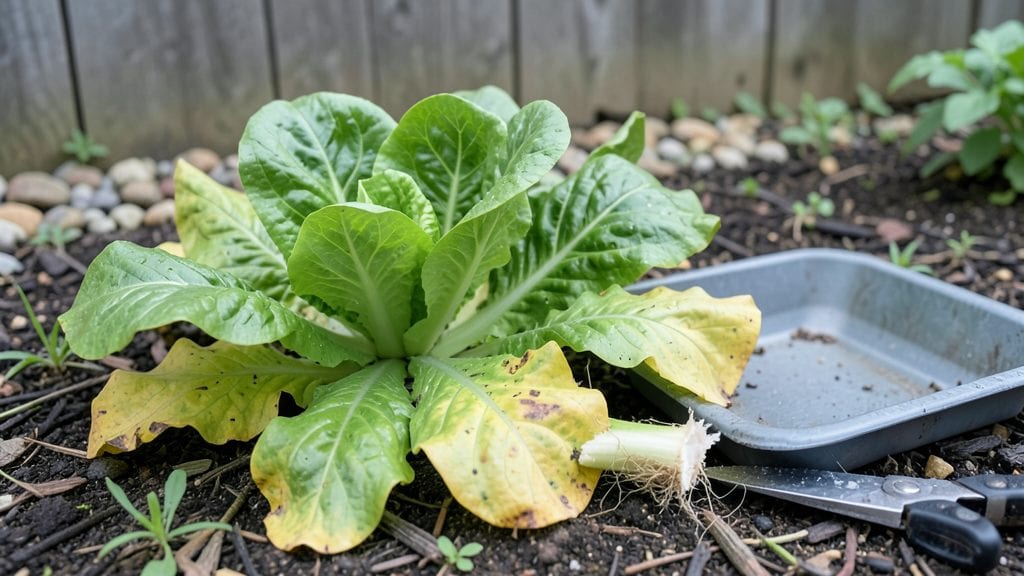
Trimming lettuce plants isn't just about harvesting—it's the secret to nonstop leafy abundance that keeps your garden productive all season. I learned this the hard way after snipping too much at once and watching my plants bolt before they could recover.
The right cuts encourage bushier regrowth, so you get more greens without sacrificing future harvests.
You only need sharp scissors or clean pruners, a sunny spot, and patience. Start by harvesting the outer leaves first—they're fully grown while the inner leaves stay tender.
Cut just above a set of leaves where new growth emerges, and avoid taking more than one-third of the plant at a time. This keeps the center healthy and ready to produce.
Within 5-7 days, you'll see fresh new leaves unfurling from the center, and the plant will look fuller than before. The flavor improves too—older outer leaves taste stronger, while the younger inner leaves stay sweet and crisp.
This method works for all leaf lettuces: romaine, butterhead, and loose-leaf varieties all respond the same way.
Fair warning: Over-trimming stresses plants, and cutting too close to the base can expose the stem to rot. If your lettuce starts looking leggy, it's a sign to slow down and let it recover.
With practice, you'll nail the balance between harvest and regrowth—producing more greens with less effort every time you visit the garden.
📚 In This Guide
- What you need
- Instructions
- Tips and common mistakes
- Wrapping up and next steps
What you need
- ● Sharp pruning shears or scissors: A pair of bypass pruners (4-6 inch blades) or clean kitchen scissors work best. Why sharp? Dull tools crush stems, inviting disease.
- ○ Clean gloves (optional but recommended): Nitrile or cotton gloves to protect your hands from dirt and potential thorns (like in romaine).
- ● Water spray bottle (8 oz): For misting leaves before trimming to reduce stress on the plant.
- ● Container for harvested leaves: A shallow tray, basket, or bowl to collect trimmed leaves without bruising them.
- ● Disinfectant (70% isopropyl alcohol or diluted bleach): To wipe down tools between cuts and prevent bacterial spread.
- ● Gardening journal or notepad: To track trimming dates and plant responses for future reference.
- ● Compost bin or bag: For disposing of larger stems or yellowed leaves.
- ● Plant markers: If you’re trimming multiple varieties, label them to avoid mix-ups!
- ● Sunhat and sunscreen: Because even lettuce-loving gardeners need shade breaks on sunny days. ☀️
Step-by-Step instructions for trimming lettuce plants
Precision cutting keeps your lettuce productive and prevents bolting—here’s how to do it right.
Identify the Right Leaves to Harvest
Lettuce grows in a rosette pattern, with outer leaves fully mature while inner leaves remain tender. Focus on harvesting the largest, most developed outer leaves first—they’re ready when they reach 4-6 inches long and show no signs of curling or browning. These leaves have already absorbed maximum nutrients and won’t affect the plant’s core growth.
Use your thumb and forefinger to gently cup the base of the leaf where it meets the stem. If the leaf pulls away cleanly with minimal resistance, it’s ready. Avoid cutting leaves that are still tightly wrapped around the center—they’re the plant’s future harvest. This selective approach encourages the lettuce to produce more leaves rather than forcing it into premature bolting.
Use the Proper Cutting Technique
Never rip leaves—always use a sharp pair of pruning shears or clean scissors to make a clean cut. Position the blade at a 45-degree angle, about ½ inch above the base of the leaf, where it meets the main stem. This angled cut prevents water from pooling on the stem, reducing the risk of rot or disease.
Apply gentle pressure and slice through the leaf stem in one smooth motion. If you’re hesitant about cutting so close to the base, leave ¼ inch of stem attached—this still allows light to reach the center while protecting the growing point. For loose-leaf varieties like buttercrunch or oakleaf, you can harvest up to ⅔ of the plant without harming it.
Maintain Plant Health After Trimming
After harvesting, inspect the plant for any damaged or yellowing leaves and remove them immediately. These leaves drain energy from the plant and can attract pests. Use the same 45-degree cutting technique to trim away any unsightly or wilted foliage at the base.
Water the lettuce deeply within 24 hours of trimming to replenish moisture lost during harvest. Aim for ½ inch of water per week, delivered directly to the soil—not the leaves—to prevent fungal issues. Mulch around the base with 1-2 inches of organic mulch to retain moisture and suppress weeds, which compete for nutrients the lettuce needs to regrow.
Monitor Growth and Repeat Harvests
Within 5-7 days, new leaves will begin to emerge from the center of the plant. This is your signal that the lettuce is actively regenerating. Watch for first true leaves—small, bright green growths pushing outward from the rosette. These indicate the plant is recovering and ready for another round of selective harvesting.
For head lettuce varieties like romaine or iceberg, avoid heavy trimming—they grow best when left intact until fully mature. Instead, focus on removing just the outer leaves to encourage a larger, tighter head. Repeat the trimming process every 7-10 days during the growing season, always cutting from the outside inward to maintain the plant’s balance.
Prevent Bolting and Prolong the Harvest
Lettuce bolts—sends up a flower stalk—when stressed by heat, drought, or over-maturity. To delay bolting, harvest frequently and keep the plant consistently moist. If temperatures rise above 75°F, provide afternoon shade with a lightweight row cover or shade cloth to protect the leaves.
For extended harvests, succession plant new lettuce every 2-3 weeks in cooler months. This ensures a continuous supply of fresh leaves while giving your trimmed plants time to recover. With proper care, a single lettuce plant can yield multiple harvests over 6-8 weeks, making it one of the most productive greens in the garden.
Tips & tricks for perfect lettuce trimming
A few precise techniques will transform your lettuce harvest from sporadic to abundant. The key lies in understanding plant physiology and timing—lettuce thrives on consistent care, not aggressive harvesting.
Leaf Selection Strategy: In Step 1, when identifying leaves to harvest, focus on the "sweet spot" of 4-6 inches—this is where leaves have fully matured but haven't yet begun to toughen or bolt. For buttercrunch varieties, I look for leaves with a slight curl at the edges as an additional maturity indicator. The outer leaves should pull away cleanly; if they resist, they need more time to develop.
Cutting Angle Precision: The 45-degree angle in Step 2 isn't just about aesthetics—it's a hydroponic principle. This angle creates a larger surface area for water runoff, preventing the classic lettuce disease called "bottom rot" that occurs when moisture pools at the stem base. For varieties with particularly thick stems like romaine, you might need to adjust to a 60-degree angle to achieve the same water-shedding effect while still maintaining the ½-inch clearance.
Post-Harvest Recovery Timeline: The 24-hour watering window in Step 3 is non-negotiable for plant recovery. Lettuce roots are shallow and delicate—immediate rehydration after trimming prevents osmotic shock. I've found that adding a tablespoon of liquid seaweed fertilizer to the water during this 24-hour period gives the plant an immediate nutrient boost to compensate for the energy expended during leaf production. This isn't required but makes a noticeable difference in regrowth speed.
Heat Management: When temperatures approach 75°F in Step 5, lettuce enters survival mode. The afternoon shade recommendation isn't just about temperature—it's about maintaining relative humidity. Lettuce leaves transpire rapidly in heat, which can cause them to wilt before bolting occurs. A lightweight row cover creates a microclimate that maintains 85-90% humidity around the plant, significantly delaying the bolting process while still allowing light penetration.
Pro Tips for Trim Lettuce Plants
- A few precise techniques will transform your lettuce harvest from sporadic to abundant.
- Leaf Selection Strategy: In Step 1, when identifying leaves to harvest, focus on the "sweet spot" of 4-6 inches—this is where leaves have fully matured but haven't yet begun to toughen or bolt.
- Cutting Angle Precision: The 45-degree angle in Step 2 isn't just about aesthetics—it's a hydroponic principle.
Frequently asked questions
Got questions about trimming lettuce plants? You’re not alone!
Here are answers to the most common queries—from timing to tools—to help you keep your greens thriving.
When is the best time to trim lettuce plants?
Trim lettuce in the morning after the dew has dried but before the heat of the day. This reduces stress on the plant and gives leaves time to recover. Avoid trimming during extreme heat or cold, as it can shock the plant.
Can I use regular scissors or do I need special pruning tools?
While clean scissors or pruners work, sharp, sterilized tools are ideal to prevent disease. Avoid dull blades—they crush stems and invite pests. A small pair of kitchen shears (washed with soapy water) can work in a pinch!
How much of the plant should I cut off at once?
Never remove more than 1/3 of the plant in a single trim. For loose-leaf varieties, snip outer leaves. For head lettuce, cut just above the lowest set of leaves (about 1–2 inches from the base) to encourage regrowth.
What should I do if my lettuce bolts after trimming?
Bolting (premature flowering) happens due to heat or age. If it occurs, harvest immediately—the leaves may still be tender. For future crops, plant heat-tolerant varieties (like romaine) or use shade cloth. Avoid over-trimming older plants, as stress accelerates bolting.
Can I regrow lettuce after trimming, or should I replant?
Most loose-leaf varieties (like buttercrunch or oakleaf) regrow well after trimming. Cut just above a set of leaves, keep soil moist, and provide partial shade. Head lettuce (like iceberg) rarely regrows—replace it with new seeds for better yields.
Why do my trimmed lettuce leaves turn yellow or wilt?
Yellowing or wilting can signal over-trimming, disease, or pests. Check for aphids or slugs, and ensure the plant gets enough water (but not soggy soil). If leaves are mushy, reduce trimming frequency and improve airflow around the plant.
Wrapping up and next steps
Trimming your lettuce plants is a simple yet powerful way to boost growth, improve flavor, and enjoy a steady harvest of fresh, crisp leaves.
By following the right techniques—like cutting from the base, using clean tools, and avoiding over-trimming—you’ll turn your garden into a leafy paradise. Now that you’re armed with the know-how, it’s time to roll up your sleeves and get pruning! 🌱
Ready to take it further? Try experimenting with different varieties—like buttercrunch or romaine—to see which thrives best in your space. Happy gardening!