Pruning
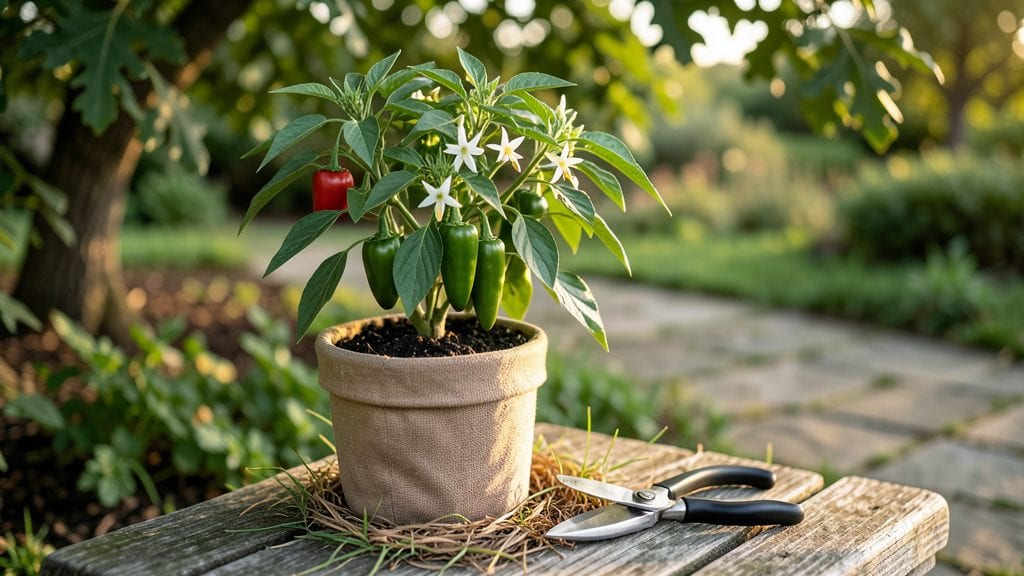
Trimming jalapeño plants isn’t just about keeping them tidy—it’s the secret to doubling your harvest while preventing disease. ✂️ I learned this the hard way after my first plants grew leggy and produced just a handful of peppers.
The right cuts encourage bushier growth, more flowers, and stronger stems that hold fruit better.
You’ll need sharp pruning shears (dull blades crush stems), a small bucket for clippings, and about 15 minutes per plant. The key is timing: trim in early spring to shape the plant, then again after harvest to prep for next season.
Avoid cutting too late—plants need energy to recover before winter.
After pruning, your plants will look like overgrown shrubs, but that’s exactly what you want. More leaves mean more photosynthesis, which translates to bigger, hotter peppers later in the season. Plus, better airflow keeps pests and fungal diseases at bay, so you spend less time fighting problems.
This method works for both container-grown and in-ground jalapeños, and it’s especially useful if you’re growing in hot climates where plants can get stressed. Once you see the difference, you’ll never let a jalapeño plant go untrimmed again.
📚 In This Guide
- What you need
- Instructions
- Tips and common mistakes
- Wrapping up and next steps
What you need
- ● Pruning shears: Bypass pruners (sharp, clean, and sterilized with rubbing alcohol to prevent disease). Quantity: 1 pair.
- ● Gloves: Heavy-duty gardening gloves (jalapeños can be spicy—protect those hands!). Material: Nitrile or leather.
- ● Disinfectant: 70% isopropyl alcohol or a 10% bleach solution (for sterilizing tools between cuts).
- ○ Garden twine or clips: For supporting heavy branches post-pruning (optional but helpful for overly top-heavy plants).
- ● Compost bin or bag: For collecting pruned debris (jalapeño stems compost well!).
- ● Healthy plant: Trim only established jalapeño plants (3+ months old) with no signs of disease (yellowing leaves, spots, or wilting).
- ● Timing: Prune in the morning on a cloudy day to reduce stress on the plant.
- ● Weather check: Avoid trimming if rain is forecasted within 24 hours (wet cuts invite fungal issues).
- ● Watering: Lightly water the plant 1–2 days before pruning (hydrated plants recover faster).
- ● Plant food: Balanced fertilizer (e.g., 10-10-10) to boost recovery after pruning.
- ● Plant markers: Labels to track trimmed sections (helpful for large-scale gardens).
- ● Spray bottle: With water to mist cuts and reduce shock (great for sensitive varieties).
Step-by-Step instructions for trimming jalapeño plants
Here’s how to shape your peppers for more plants, bigger yields, and healthier growth.
✂️ Step 1: Identify and Remove Suckers for Bushier Growth
Suckers are the small shoots that grow in the crotch between a main stem and a branch. They steal energy from fruit production. Use clean, sharp pruning shears to snip suckers off at their base—don’t leave stubs. I do this every 7-10 days during the growing season, always checking the plant’s lower branches first.
Look for tiny offshoots about ½ inch long—these are easiest to spot before they drain too much energy. If you miss them, they’ll grow into leggy stems that produce few peppers. This is the moment that matters: removing suckers early keeps your plant focused on fruit.
🌿 Step 2: Prune Leggy Stems to Encourage Compact Growth
Leggy stems are long, weak branches stretching toward light. Pinch back the top 2-3 inches of these stems to force the plant to branch out. Do this when stems reach 12-18 inches tall—you’ll see new side shoots form within 7-10 days. Avoid cutting into the main stem; always prune just above a leaf node.
Leggy growth happens when your plants aren’t getting enough light. If this keeps happening, move them closer to a south-facing window or add a grow light. You’ll notice stronger, bushier plants with more pepper-producing branches after just a few pruning sessions.
✂️ Step 3: Trim Overcrowded Branches for Better Airflow
Overcrowded branches block sunlight and trap moisture, inviting fungal diseases. Remove any branches growing directly into the center of the plant or crossing over others. Cut back to the nearest outward-facing leaf node. This step is especially important if your plants are in containers or small spaces.
Real talk: Don’t go overboard—keep at least 3-4 main branches per plant. Too much pruning stresses the plant and reduces yield. After trimming, step back and admire your plant’s new shape—it should look open and airy, not tangled.
🌱 Step 4: Deadhead Spent Flowers for Continuous Harvesting
Deadheading means removing faded flowers that have already set fruit. Use your fingers or shears to pinch off the flower stem just above the next set of leaves. This encourages the plant to produce more blooms instead of wasting energy on seeds. I do this every 3-5 days during peak flowering.
You’ll see new flower clusters forming within 5-7 days of deadheading. This keeps your plant in a constant cycle of blooming and fruiting. Skip this step, and you’ll end up with a few large peppers at the end of the season instead of a steady harvest.
⏰ Step 5: Prune for Winter Dormancy (If Growing Year-Round)
If you’re growing jalapeños in a warm climate year-round, prune back ⅓ of the plant in late fall to encourage new growth in spring. Cut just above a leaf node, and remove any yellow or diseased leaves. This step isn’t necessary for cool-season growers, but it’s a game-changer for tropical or greenhouse setups.
After pruning, reduce watering slightly and fertilize lightly to help the plant recover. You’ll notice fresh, vibrant growth within 2-3 weeks, setting the stage for another productive season. This is how I keep my plants thriving for years—just a little trim and care goes a long way.
Tips & tricks for trimming jalapeño plants
These precision-cutting techniques will transform your jalapeño plants into productive, bushy powerhouses—no green thumb required.
Tool Tip: Sterilize your pruning shears with rubbing alcohol between cuts to prevent spreading disease. I learned this the hard way after losing a plant to bacterial spot—now I keep a small spray bottle of alcohol handy. Sharp tools make cleaner cuts that heal faster, so take a minute to sharpen your shears before you start. This is especially important in Step 1 when removing suckers, where precision matters most.
Timing Secret: The 7-10 day interval for sucker removal in Step 1 is ideal because it gives your plant just enough time to recover between prunings. I usually do this on Mondays so I remember—consistency is key. For leggy stems in Step 2, wait until they reach 12-18 inches before pinching. This ensures you're not cutting back too early and stunting growth. Think of it like giving your plant a haircut at the right length.
Visual Cue: When deadheading in Step 4, look for flowers that have lost their vibrant color and started to wilt. The stem should be dry and papery to the touch. I find it helps to pinch these off in the morning when the flowers are still slightly dewy—it's easier to see the faded ones against the fresh green. You'll know you're doing it right when you see new buds forming within 5-7 days in the same spots.
Container Care: If your jalapeños are in containers, prune more aggressively in Step 3 to prevent overcrowding. The limited space means branches compete for sunlight and air circulation. I recommend leaving just 2-3 main branches per container plant rather than the 3-4 for in-ground plants. This keeps the plant manageable and prevents disease from trapped moisture. After trimming, give your container plants a gentle shake to help them settle into their new shape.
Pro Tips for Trimming Jalapeno Plants
- These precision-cutting techniques will transform your jalapeño plants into productive, bushy powerhouses—no green thumb required.
- Tool Tip: Sterilize your pruning shears with rubbing alcohol between cuts to prevent spreading disease.
- Timing Secret: The 7-10 day interval for sucker removal in Step 1 is ideal because it gives your plant just enough time to recover between prunings.
Frequently asked questions
Got questions about trimming your jalapeño plants? You’re not alone!
Here are answers to the most common queries—from timing tips to troubleshooting—so you can keep your peppers thriving and productive.
When is the best time to trim jalapeño plants?
Trim your jalapeños in the morning when the plants are dry and temperatures are cooler. Avoid pruning after heavy rain or during extreme heat, as cuts take longer to heal. Early spring (before flowering) and mid-summer (after harvest) are ideal windows. Just skip trimming if frost is forecasted within 2 weeks!
How often should I trim my jalapeño plants?
Light trimming (removing suckers or yellowing leaves) can happen every 2–4 weeks. Major pruning (cutting back stems or shaping) is best done 1–2 times per season. Monitor growth—if plants look leggy or overcrowded, it’s time to act! Over-trimming stresses plants, so balance is key.
What should I do with the cuttings from trimming?
Don’t toss those clippings! Use them to propagate new plants—root them in water or moist soil. Alternatively, compost them (avoid diseased leaves) or use them as mulch. Just skip woody stems—they won’t root well. Bonus: Your jalapeños might even reward you with extra peppers from the cuttings!
Why are my jalapeños still small after trimming?
Small peppers often signal underwatering, poor sunlight, or over-pruning. Check soil moisture (1 inch dry = time to water) and ensure 6+ hours of sun daily. If you trimmed too aggressively, give the plant 2–3 weeks to recover. Fertilize lightly with a balanced 10-10-10 mix if growth stalls—jalapeños are hungry!
Can I trim jalapeños in hot or cold weather?
Avoid trimming when temps are below 50°F or above 90°F. Cold stress weakens plants, while heat increases disease risk. If you must prune in heat, do it at dusk and water thoroughly afterward. In cold climates, wait until spring—jalapeños are tropical and hate chilly surprises!
Pro Tip:
Use sterilized pruners (wipe with rubbing alcohol) to prevent disease spread. And save a few peppers to dry or pickle—your future self will thank you!
Wrapping up and next steps
Trimming your jalapeño plants isn’t just about tidying up—it’s your secret weapon for a bushier, more productive harvest! 🌱 With the right tools, timing, and technique, you’ll encourage healthier growth, prevent disease, and maximize those fiery peppers. Remember, consistency is key, so grab those pruners and get pruning!
Ready to take your garden to the next level? Start small—pick a few plants to practice on this season, and soon you’ll be a pruning pro. Happy gardening!