
Pruning
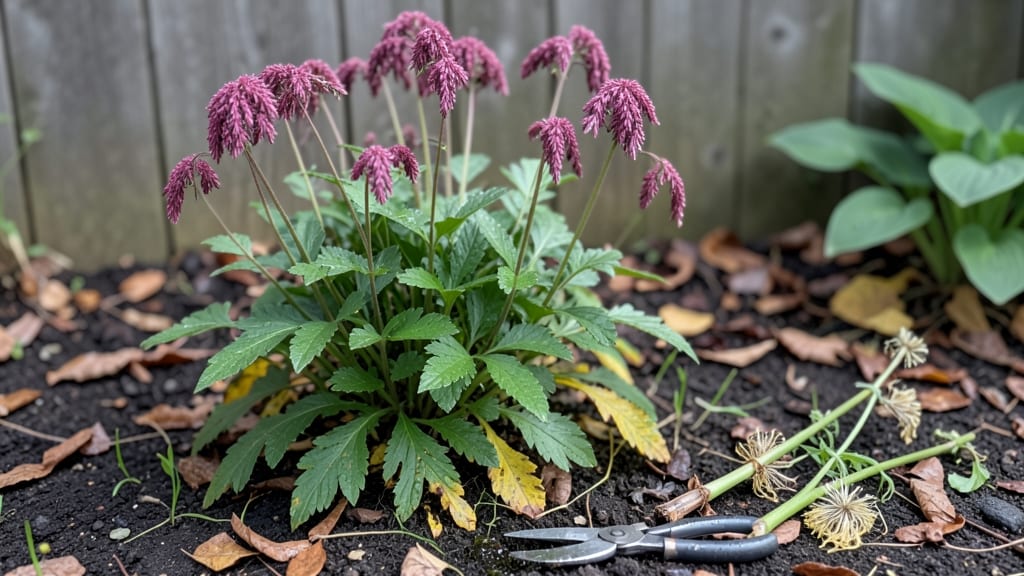
Pruning astilbe plants isn’t just about tidying up—it’s the secret to bold, bushier blooms that last all summer. I’ve watched my astilbes go from straggly to showstopping after mastering just three strategic cuts a year, and the difference is night and day.
The key? Timing it right when the soil warms but before new growth explodes, and cutting back to the right spots so the plant knows exactly where to focus its energy.
You’ll need sharp pruners, a pair of gloves (those thorns don’t play nice), and about 20 minutes on a crisp spring morning.
The process is simpler than it looks: start by snipping off last year’s dead stems at the base, then shape the remaining foliage into a loose cone, leaving the fresh green growth at the center.
Most gardeners overcomplicate this—it’s really about making two clean cuts and letting the plant do the rest.
What you’ll end up with is a thriving astilbe that blooms heavier, stays compact, and resists flopping in summer rains. The feathery plumes will be fuller, the stems stronger, and you’ll avoid that sad, leggy look that ruins the whole display.
By late summer, you’ll be the one neighbors ask for cuttings—because everyone wants plants that look this good with almost no effort.
Works for all astilbe varieties, from dwarf types to towering giants, and adapts to containers or garden beds. The same principles apply whether you’re pruning in early spring or doing a light cleanup after blooms fade. Let’s get those shears out and make your astilbes the star of the season.
📚 In This Guide
- What you need
- Instructions
- Tips and common mistakes
- Wrapping up and next steps
What you need
- ● Pruning shears – Bypass pruners (sharp, 5-7 inch blades) for clean cuts on stems and foliage.
- ● Hand pruners – For smaller stems (4-5 inch blades) if your Astilbe has dense growth.
- ● Garden gloves – Heavy-duty, cut-resistant (e.g., nitrile-coated) to protect hands from thorns or rough stems.
- ○ Disinfectant (optional but recommended) – Rubbing alcohol (70%+) or bleach solution (1 part bleach to 9 parts water) to sterilize tools between cuts and prevent disease.
- ● Garden twine or zip ties – For securing large clumps if you’re dividing the plant.
- ● Garden fork or trowel – For digging if you plan to divide overgrown Astilbe.
- ● Compost or mulch – To amend soil after pruning or dividing.
- ● Watering can or hose – For post-pruning hydration (especially after heavy cuts).
- ● Lopper shears – If your Astilbe has thick, woody stems (uncommon but possible in mature plants).
- ● Plant marker or labels – To track varieties if you’re experimenting with different Astilbe types.
- ● Knee pads or stool – For comfort if your garden bed is large or hard to reach.
- ● Trash bag or bucket – To collect pruned debris for composting or disposal.
- ● Fertilizer (balanced, 10-10-10 or slow-release) – To give your Astilbe a post-pruning boost.
Instructions for pruning astilbe plants to keep them thriving
Here's how to maintain your astilbe's health and beauty with just three key cuts each year.
Cut Back After the First Frost
Once your astilbe has finished blooming in late summer and the first frost arrives, it's time for the first major pruning. Use clean, sharp pruners to cut back the entire plant to about 2-3 inches above the ground. This removes spent foliage and prevents disease from overwintering in dead stems.
I like to do this after the first hard frost when the foliage has turned brown. The reason we cut so low is that astilbe grows from the base, and these short stems protect the crown during winter. Don't worry about missing any stems—new growth will emerge vigorously in spring.
Lightly Trim in Early Spring
As soon as you see new shoots emerging in early spring, do a light cleanup. Remove any dead or damaged stems at the base, cutting them off just above the soil line. This early pruning encourages fresh growth and prevents pests from hiding in old stems.
You'll notice the new shoots are bright green and upright. At this stage, avoid cutting into healthy green stems—just focus on the brown, crispy remains from last season. This is also a good time to check for any signs of disease or pests and address them before the plant puts on new growth.
Deadhead Spent Blooms During the Growing Season
Throughout the growing season, you'll want to remove faded flower clusters as soon as they appear. Simply snip the spent blooms back to the nearest set of healthy leaves or leaf pair. This encourages your astilbe to produce more flowers and prevents the plant from putting energy into seed production.
I do this every 1-2 weeks during the blooming season, which typically runs from mid-summer to early fall. The key is to catch the blooms right after they've finished—don't wait until they've turned completely brown. This keeps your plant looking tidy and promotes continuous flowering.
Thin Overcrowded Foliage in Late Summer
If your astilbe has become too dense, perform a light thinning in late summer after the main bloom period. Look for stems that are growing toward the center of the plant or crossing over others. Cut these back to the base to improve airflow and reduce the risk of fungal diseases.
You'll see this thinning makes a difference immediately—the plant will look fuller and more open. This is particularly important for older astilbe plants that have been established for several years. Just be careful not to remove more than one-third of the plant at a time to avoid stressing it.
Tips & tricks for pruning astilbe plants
These simple tricks will help you keep your astilbe looking its best with minimal effort and maximum impact.
Timing is Everything: The first major pruning after the first frost is crucial for protecting the plant's crown over winter. I've found that waiting until the foliage has fully browned ensures you're cutting back at the perfect time—this prevents accidental damage to any hidden new growth that might be starting beneath the surface. The 2-3 inch cut height might seem drastic, but it's exactly what astilbe needs to thrive through cold months.
Spring Cleanup Strategy: When you see those first bright green shoots in early spring, resist the urge to trim everything back. Focus only on the crispy brown stems from last season—these are dead and ready to be removed. Cutting into healthy green stems can actually set back your plant's growth. I've seen gardeners accidentally prune away new growth by being too aggressive here, so take your time and be selective.
Deadheading Discipline: The 1-2 week deadheading schedule during the blooming season makes all the difference in keeping your astilbe producing flowers continuously. The key is to catch those spent blooms right when they finish—don't wait for them to turn completely brown. I've noticed that plants I deadhead consistently produce flowers for weeks longer than those I neglect. This simple habit prevents the plant from wasting energy on seed production.
Thinning Technique: When thinning overcrowded foliage in late summer, remember the one-third rule. Removing more than one-third of the plant at once can stress it, especially for established plants. I've learned this the hard way after accidentally thinning too aggressively and seeing my plant struggle to bounce back. Focus on stems growing inward or crossing others—these are the ones causing the most congestion and need to go.
Pro Tips for Prune Astilbe Plants
- These simple tricks will help you keep your astilbe looking its best with minimal effort and maximum impact.
- Timing is Everything: The first major pruning after the first frost is crucial for protecting the plant's crown over winter.
- Spring Cleanup Strategy: When you see those first bright green shoots in early spring, resist the urge to trim everything back.
Frequently asked questions
Got questions about pruning your astilbe? You’re not alone!
Here are answers to the most common concerns—so you can keep those feathery plumes thriving year after year.
When is the best time to prune astilbe?
Prune astilbe three times a year for optimal health: early spring (clean up dead foliage), mid-summer (after blooming), and late fall (reduce foliage for winter). Avoid pruning in extreme heat or cold, which stresses the plant.
Should I cut back astilbe in winter?
Yes! In USDA Zones 5-7, cut back foliage to 2-3 inches above the ground in late fall after the first frost. In milder zones (8+), a light trim is enough. Never leave dead stems—they can harbor pests or disease over winter.
What if my astilbe looks dead after pruning?
Don’t panic! Astilbe is perennial and often regrows from the roots. If the center looks hollow or mushy, it may be rotting—remove it and replant. Water lightly after pruning, and new growth should appear in 2-4 weeks. If nothing emerges by spring, it might need division!
Will pruning encourage more blooms next year?
Regular pruning promotes bushier growth and bigger blooms by redirecting energy to new stems. Deadheading spent flowers in summer also signals the plant to focus on next year’s flower buds. Just avoid over-pruning—leave at least half the foliage for photosynthesis.
Can I prune astilbe too much?
Yes—over-pruning (cutting more than ⅓ of the plant) can weaken astilbe, reducing blooms or even killing it. Stick to the 3-cut strategy and avoid trimming green, healthy stems in growing seasons. If you’re unsure, less is more!
What if I missed the pruning window?
No stress! Prune as soon as you notice—even mid-summer or early fall. Just avoid pruning right before winter (Oct-Nov in cold zones). For late bloomers, wait until after the first frost to tidy up. Consistency matters more than perfection!
Wrapping up and next steps
Pruning astilbe plants is your secret weapon for vibrant blooms and a tidy garden all year long! 🌸 By mastering the three strategic cuts—early spring cleanup, post-bloom shaping, and late-season renewal—you’ll encourage healthier growth and showstopping feathery plumes.
Remember, sharp tools and patience are your best friends, and don’t forget to mulch for extra care.
Now that you’re armed with the know-how, grab those shears and get pruning! Your astilbes will thank you with lush, bountiful blooms that’ll steal the show. Ready for more gardening tips? Check out our guide on fertilizing astilbes for even bigger blooms next!