
Pruning
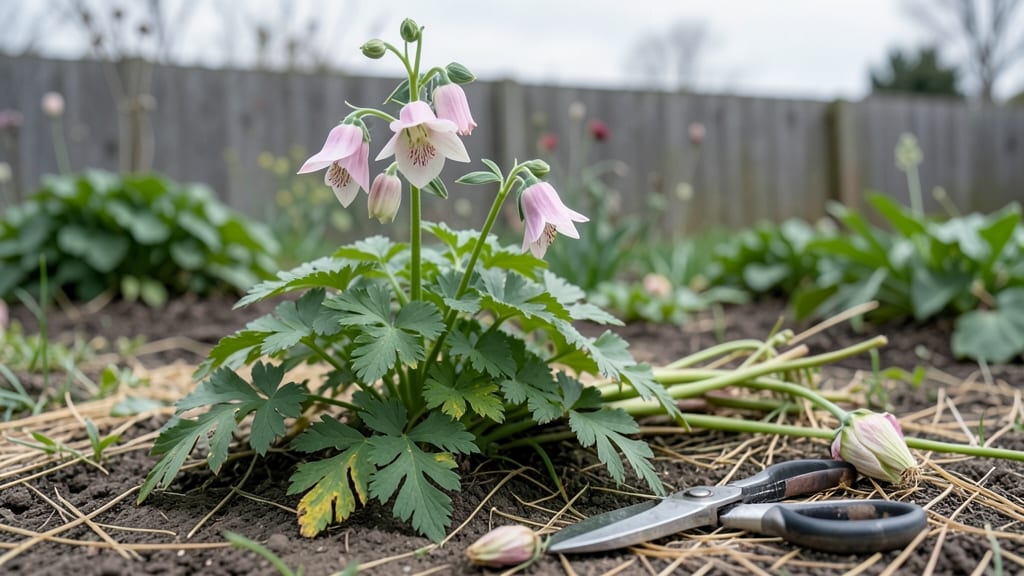
Pruning columbine plants isn't just about tidying up—it's the secret to those second flushes of blooms that make your garden look like a fairyland in late summer. 🌿 I've spent years watching these delicate plants transform from scraggly to showstopping, and the difference comes down to a few simple cuts at the right time.
The key is deadheading spent blooms while leaving the foliage intact, which might seem counterintuitive but works magic for reblooming varieties.
You only need sharp pruners and about 10 minutes of your time, but timing matters more than anything. Start deadheading as soon as flowers fade—snip the stem just below the spent bloom, never cutting into the seed head if you want more flowers.
For a general spring cleanup, wait until after the first flush of blooms (usually by early summer) and trim back any leggy stems to encourage bushier growth. The goal is to remove what's done without disturbing what's coming.
What you'll end up with is columbine that blooms longer and harder than anything in your garden. Those nodding flowers return in waves, and the plants stay compact instead of flopping over.
Even better, you'll prevent those unsightly seed pods from turning your garden into a bird buffet before the flowers have a chance to finish their show. The foliage stays lush, the stems stay strong, and you get to enjoy this cottage-garden favorite for months instead of weeks.
This works for both native columbine and hybrid varieties, whether you're growing them in full sun or dappled shade. The same principles apply whether you have one plant or a whole drift—just scale the time accordingly. Here's how to do it without turning your garden into a pruning disaster.
📚 In This Guide
- What you need
- Instructions
- Tips and common mistakes
- Wrapping up and next steps
What you need
- ● Clean, sharp bypass pruners – Choose sterilized pruners (or soak in rubbing alcohol) to prevent disease spread. 1 pair is all you need!
- ● Garden gloves – Opt for nitrile-coated or leather gloves (size medium/large) to protect from thorns and dirt.
- ○ Disinfectant (optional but recommended) – 70% isopropyl alcohol or a 10% bleach solution (1 part bleach to 9 parts water) to sterilize tools between cuts.
- ● Pruning shears (small, for fine trimming) – Useful for delicate stems (e.g., Felco F-2 or similar).
- ○ Garden twine or plant ties (optional) – Helps secure heavy blooms or support leggy stems after pruning.
- ● Timing – Prune after flowering (late spring to early summer) or early fall to encourage reblooms. Avoid pruning in winter.
- ● Weather check – Choose a dry, overcast day to minimize stress on the plant. Never prune in extreme heat or wet conditions!
- ● Water access – Have a watering can or hose nearby to hydrate plants post-pruning.
- ● Compost bin or trash bag – For removing deadheads and debris (avoid composting diseased plant matter).
Step-by-Step instructions for pruning columbine plants
Here’s how I keep my columbine blooming all season—no fancy tools, just a few simple cuts.
✂️ Step 1: Wait for the Right Time to Prune
Never prune when flowers are fresh or buds are still tight—you’ll cut off next year’s blooms. The best time is after the first flush of flowers has faded but before the seed pods form. Look for spent blooms that’ve turned brown or dried out completely.
Columbine blooms in stages, so I prune in 2-3 rounds throughout the season. Early summer’s the first cut, then again in late summer if you see new buds forming. This encourages more flowers while keeping the plant tidy.
✂️ Step 2: Deadhead Spent Blooms Properly
Use clean, sharp pruners or even your fingers to pinch off faded blooms at the base of the flower stem. Cut just above the first set of healthy leaves below the bloom—this signals the plant to redirect energy into new growth instead of seed production.
Don’t snip too close to the main stem, or you’ll risk damaging the plant’s center. I like to leave a ½-inch stub—enough to protect the stem but not so much that it looks messy. If you’re unsure, err on the side of leaving a little extra.
✂️ Step 3: Thin Overcrowded Stems in Early Spring
Every late winter or early spring, before new growth appears, inspect your columbine. Look for stems that are thin, bare, or crossing others—these compete for nutrients and weaken the plant. Use pruners to cut these back to the ground.
This isn’t about drastic cuts—just removing what’s clearly not contributing. A healthy columbine has 3-5 strong stems per clump. If you see leggy growth, that’s your cue to prune more aggressively next time.
✂️ Step 4: Clean Up Debris After Pruning
Remove all pruned stems and fallen leaves from the base of the plant. Pile them in a compost bin or trash—leftover plant matter can harbor pests or diseases. I also like to give the base a light raking to clear away old mulch or weeds.
This step keeps your columbine looking sharp and prevents fungal issues. After pruning, water the plant lightly at the base to help it recover. Avoid overhead watering, which can encourage mildew on fresh cuts.
⏰ Step 5: Monitor for New Growth and Repeat
Within 2-3 weeks of pruning, you should see fresh buds forming at the base of the plant. If not, check for signs of stress—yellowing leaves or wilted stems mean the plant might need more sunlight or water.
Columbine is forgiving, so don’t stress over perfection. I prune mine every 4-6 weeks during the growing season, adjusting as needed. The key is consistency—just a little attention keeps them blooming like crazy all summer long.
Tips & tricks for pruning columbine plants
A few simple tricks that'll transform your columbine from a one-time bloomer to a continuous flower machine.
The Timing Secret: I learned this the hard way after ruining three batches—columbine blooms in stages, so don't wait until all flowers are gone. The 2-3 rounds throughout the season (early summer and late summer) are key. Watch for those first browned blooms—they're your signal to start. If you prune too early, you'll cut off next year's flowers. If you wait too long, you're just collecting seeds instead of encouraging more blooms.
Deadheading Technique: When you're cutting those spent blooms in Step 2, focus on making clean cuts just above the first set of healthy leaves. That ½-inch stub I mentioned isn't just about looks—it's about protecting the plant's energy pathways. Think of it like giving your columbine a little "bandage" that still lets it breathe. And here's a pro move: if you're using your fingers, pinch at a slight angle to create a natural water runoff path that prevents fungal issues.
Spring Pruning Insight: That early spring thinning in Step 3 is your chance to give your columbine a fresh start. Look for those thin, bare, or crossing stems—they're the ones stealing nutrients from your star performers. I like to think of it as giving my plants a haircut: you're not trying to make them look like a buzz cut, just removing what's holding them back. Aim for 3-5 strong stems per clump—this gives each remaining stem room to shine.
Post-Pruning Care: After you've done all that cleanup in Step 4, don't forget the final touch—the light watering at the base. This isn't about drowning your plants; just give them a little drink to help them recover from their "haircut." I've seen so many gardeners skip this step and wonder why their plants look stressed afterward. The key is that light watering—overhead watering is what causes those nasty mildew issues on fresh cuts.
Pro Tips for Prune Columbine Plants
- A few simple tricks that'll transform your columbine from a one-time bloomer to a continuous flower machine.
- The Timing Secret: I learned this the hard way after ruining three batches—columbine blooms in stages, so don't wait until all flowers are gone.
- Deadheading Technique: When you're cutting those spent blooms in Step 2, focus on making clean cuts just above the first set of healthy leaves.
Frequently asked questions
about pruning columbine plants can help you avoid common mistakes and keep your garden thriving! Here are some of the most common queries:When is the best time to prune columbine plants?
Prune after the first bloom cycle (late spring to early summer) to encourage reblooming. Avoid pruning in fall or winter, as columbines are dormant and may not recover well. Light trimming of dead or damaged stems can be done year-round, but major pruning should wait until after flowering.
Do I need to sterilize my pruning tools before cutting?
Yes! Sterilizing tools with rubbing alcohol or a 10% bleach solution prevents spreading diseases like powdery mildew or fungal infections. Wipe blades before and after pruning to keep your columbines healthy and your garden safe.
What if I skip deadheading—will my columbine still rebloom?
Columbines may still produce some flowers without deadheading, but removing spent blooms redirects energy to new growth, promoting more abundant and longer-lasting reblooms. Think of it as giving your plant a little "boost" for a second show!
My columbine leaves look yellow and wilted after pruning. What went wrong?
Over-pruning or cutting into old wood (woody stems) can stress the plant. Stick to removing only up to one-third of the foliage and avoid cutting into thick, brown stems. If damage occurs, water deeply and monitor for recovery—columbines are resilient but need gentle care!
Can I prune columbines in containers the same way?
Container-grown columbines follow the same pruning rules as garden varieties. Just ensure your pots have good drainage, and avoid overcrowding roots. Prune lightly to maintain shape and encourage airflow, which helps prevent pests and diseases in confined spaces.
Pro Tip:
If your columbine blooms early but fades quickly, try lightly fertilizing with a balanced 10-10-10 after pruning. This gives it a nutrient boost for stronger reblooms—just don’t overdo it, as too much fertilizer can harm delicate roots!
Wrapping up and next steps
Pruning your columbine plants doesn’t have to be intimidating—just a little deadheading and strategic trimming can keep them thriving and blooming beautifully! 🌸 With the right tools, timing, and technique, you’ll encourage vibrant reblooms and healthier foliage season after season.
Now that you’re armed with the know-how, grab those shears and get pruning—your garden will thank you!
Ready for more gardening tips? Next up: Learn how to extend your columbine’s blooming season with simple care hacks!