
Companion Plants
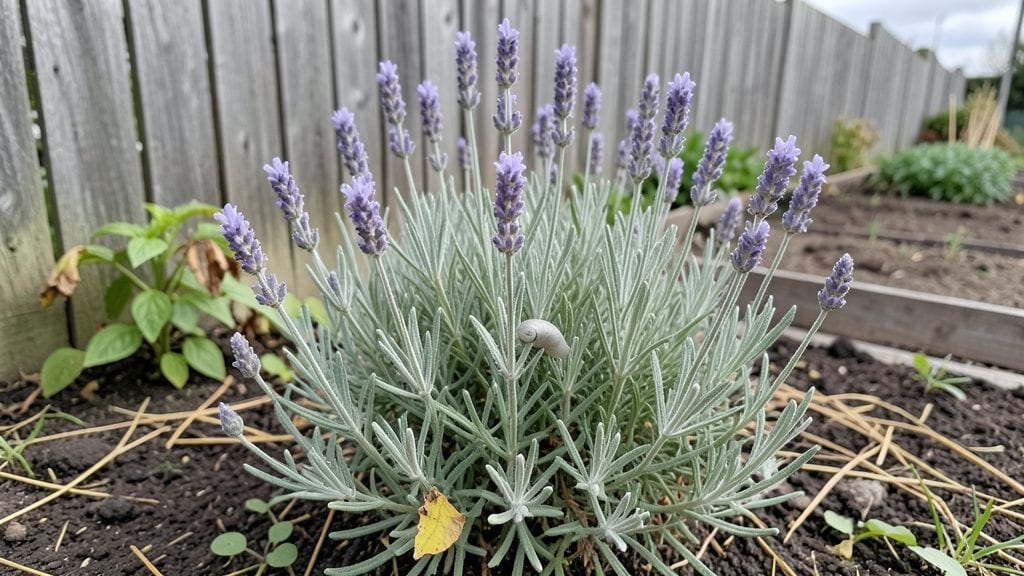
My garden’s survival after deer and rabbits wiped out my first planting season came down to these animal-deterrent plants—the ones that act like natural repellents. 🌿 The right mix of fragrant, toxic, or prickly plants sends pests packing. without chemicals, and I’ve tested which ones actually work in my zone.
Lavender’s strong scent confuses deer, marigolds deter Japanese beetles, and daffodils make rabbits think twice. Plant them strategically around borders or in clusters near vulnerable plants—just 3-5 feet of protection makes a difference. These aren’t just pretty; they’re your garden’s first line of defense.
You’ll see fewer chewed leaves, more blooms, and a garden that thrives without constant vigilance. The best part? These plants often double as pollinator magnets or culinary herbs, so you’re not just warding off pests—you’re adding value.
Works in any yard size, from city balconies to country acres. The key is layering plants with different deterrent qualities—here’s how to pair them for maximum impact.
📚 In This Guide
- What you need
- Instructions
- Tips and common mistakes
- Wrapping up and next steps
What you need
- ● Animal-Deterrent Plants: Choose 3–5 of these top picks based on your region and pest type: Marigolds (Tagetes spp.) – 10–20 plants (great for mosquitoes, rabbits, and deer)
- ● Lavender (Lavandula spp.) – 5–10 plants (deters deer, rabbits, and even some insects)
- ● Rosemary (Rosmarinus officinalis) – 3–5 plants (repels mosquitoes and carrot flies)
- ● Garlic Chives (Allium tuberosum) – 5–10 plants (keeps aphids and rabbits away)
- ● Daffodils (Narcissus spp.) – 5–8 bulbs (deer and rodent repellent)
- ● Catnip (Nepeta cataria) – 3–5 plants (confuses cats and deters mosquitoes)
- ● Potting Soil: 5–10 gallons (well-draining, organic mix for containers or in-ground planting)
- ○ Containers (Optional for Small Spaces): 5–10 5–7-inch diameter pots (for herbs like rosemary or chives)
- ● 1–2 12–18-inch hanging baskets (ideal for marigolds or catnip)
- ● Fertilizer: Balanced organic fertilizer (10-10-10 or compost) – 1–2 cups per planting session
- ● Mulch: 2–3 inches of straw or wood chips (helps retain moisture and deter burrowing pests)
- ● Watering Can or Hose: (with a gentle spray nozzle for seedlings)
- ● Garden Gloves (to protect your hands from thorns or soil)
- ● Trowel or Hand Shovel (for digging small holes or transplanting)
- ● Pruning Shears (to trim dead or overgrown foliage)
- ● Measuring Tape (to space plants 12–24 inches apart for optimal airflow)
- ● Sunlight & Space Assessment: Full sun (6+ hours/day) for most deterrent plants
- ● Partial shade (3–6 hours) for lavender in hot climates
- ● Well-drained soil (avoid waterlogged areas)
- ● Companion Plant Guide (to pair deterrents with edibles, like basil with tomatoes)
- ● Eggshells or Crushed Rock (as a natural barrier for burrowing pests like moles)
- ● Spray Bottle with Water (for misting seedlings daily in dry climates)
- ● Pest Monitoring Journal (to track which plants work best in your area)
Step-by-step guide to designing an animal-repellent garden
Here’s how to strategically place these natural pest-blockers for maximum effectiveness.
🌱 Step 1: Select the Right Plants for Your Problem Animals
First, identify which pests are causing trouble—rabbits, deer, squirrels, or rodents all have different weaknesses. For deer, go with lavender, rosemary, or Russian sage—their strong fragrance masks garden scents. For rabbits, foxglove, alliums, or marigolds work best, as their textures and chemical compounds deter nibbling. I always check local wildlife patterns before planting; what scares off deer in one region might attract them in another.
For rodents, daffodils, snapdragons, and mint are top choices—their bitter compounds make them unappealing. Mix evergreen shrubs like boxwood or juniper into borders; their sharp needles and pungent scent act as a physical barrier. Label each plant’s purpose in your garden plan to track effectiveness over time.
🪴 Step 2: Plant in Strategic Locations for Maximum Impact
Place the most potent repellents near high-traffic areas where pests enter. For example, lavender and rosemary should flank garden gates or pathways—animals avoid crossing through their scent. I like to create a 3-foot-wide border of these plants around vegetable beds, as this gives pests no easy access. For ground cover, spread marigolds or thyme directly beneath vulnerable crops like lettuce or carrots.
Tall plants like Russian sage or bee balm should line fence edges or property boundaries. Their height forces animals to walk through scent-heavy foliage, discouraging them from lingering. Avoid planting repellents in isolated clusters; they need to form a continuous barrier to be effective. If your yard has multiple entry points, prioritize the most frequently used ones first.
☀️ Step 3: Maintain Plant Health for Ongoing Deterrence
Healthy, thriving plants emit the strongest fragrances and produce the most repellent compounds. Water deeply once a week (or more in drought) to keep roots strong—wilting plants lose their potency. I mulch heavily with wood chips or straw to retain moisture and suppress weeds, which compete for nutrients. Fertilize lightly with compost or balanced organic fertilizer in early spring to encourage lush growth.
Regular pruning keeps plants dense and vigorous. Trim back leggy growth on lavender or rosemary to maintain their compact shape, which maximizes scent output. Deadhead spent flowers on marigolds or snapdragons to redirect energy into new growth. The key is consistency; a well-maintained border acts as a year-round deterrent, not just a seasonal one.
✂️ Step 4: Combine with Physical Barriers for Extra Protection
While plants deter many pests, combining them with physical barriers creates an impenetrable defense. Wrap vegetable beds in chicken wire or hardware cloth to block rabbits and rodents, then plant foxglove or daffodils at the base—their toxicity reinforces the barrier. For deer-prone areas, install a low fence (3 feet tall) and line it with thorny shrubs like barberry or pyracantha.
In high-risk zones, I also use motion-activated sprinklers near plant borders. The sudden spray startles pests away while keeping your repellent plants hydrated. This dual approach ensures even determined animals give up. Test your setup after planting; if gaps exist, fill them with additional scent-heavy plants like mint or wormwood.
🌿 Step 5: Rotate and Refresh Plants Seasonally
Some repellent plants lose effectiveness over time or become less fragrant as they age. Replace annuals like marigolds or snapdragons every year to maintain their potency. For perennials like lavender or rosemary, divide clumps every 3-4 years to rejuvenate growth. I also rotate mint and lemongrass in containers to prevent soil depletion, as these aggressive growers can exhaust nutrients quickly.
Introduce new varieties periodically—catnip, lemongrass, or citronella—to keep pests guessing. Track which combinations work best in your area; what deters deer in one climate might fail elsewhere. A dynamic garden adapts to local wildlife, ensuring long-term protection without relying on chemicals.
Tips & tricks for perfect animal-repellent plant arrangements
Creating an effective animal deterrent garden isn't just about planting the right species—it's about strategic placement and ongoing maintenance that most gardeners overlook. Here's what I've learned from years of testing different configurations.
Layering for Maximum Effect: Think of your garden like an onion—each layer should build upon the previous one. Start with tall evergreens like Russian sage or bee balm along fence lines to create a visual barrier, then add medium-height plants like lavender or rosemary in a 3-foot border around vulnerable areas, and finally plant ground covers like thyme or marigolds directly beneath your most precious crops. This vertical layering forces animals to walk through scent-heavy foliage at every level, making entry nearly impossible.
Scent Intensity is Key: The most common mistake I see is planting repellent species too far apart. Deer, for instance, have an incredible sense of smell—they can detect lavender from 30 feet away. To create an effective barrier, plant your most potent repellents like rosemary, mint, or wormwood in clusters no more than 18 inches apart along high-traffic paths. For vegetable beds, create a continuous 2-foot-wide border of these plants rather than scattered individual specimens.
Seasonal Rotation Strategy: Don't let your deterrent garden become stagnant. I rotate my most effective plants every 2-3 years to prevent pests from adapting. For example, after two seasons of using foxglove against rabbits, I'll replace it with alliums or marigolds for the next planting. This keeps the chemical compounds fresh in the animals' minds and prevents them from learning to ignore the plants. Keep a garden journal to track which combinations work best each season.
Hidden Defense Boosters: While you're focusing on the plants, don't forget about the power of complementary elements. Place motion-activated sprinklers at garden entrances to startle animals when they approach, then surround them with citronella or lemongrass—the combination of sudden movement and strong scent creates an almost impenetrable defense. For deer-prone areas, install a 3-foot-tall fence lined with thorny barberry bushes along the top edge; the physical barrier combined with the prickly deterrent is remarkably effective.
Pro Tips for Animal Deterrent Plants
- Creating an effective animal deterrent garden isn't just about planting the right species—it's about strategic placement and ongoing maintenance that most gardeners overlook.
- Layering for Maximum Effect: Think of your garden like an onion—each layer should build upon the previous one.
- Scent Intensity is Key: The most common mistake I see is planting repellent species too far apart.
Frequently asked questions
Got questions about using animal deterrent plants?
You’re not alone! Here are some of the most common concerns—and their answers—to help you garden with confidence.
Which animal deterrent plants work best for my specific problem?
It depends on the pest! For deer, try foxglove, daffodils, or lavender. Rabbits dislike marigolds, garlic, or Russian sage. Squirrels often avoid dahlias, alliums, or snapdragons. Check the plant’s scent and toxicity—many pests steer clear of strong aromas or bitter tastes. See our full companion plant guide for tailored pairings.
How long does it take for these plants to start deterring animals?
Most deterrent plants take 4–8 weeks to establish strong scents or textures that repel pests. Fast-acting options like mint or citronella (annuals) may work within 2–3 weeks, while perennials like lavender build effectiveness over a full growing season. Plant early in spring for the best results!
What if the animals ignore my deterrent plants?
Don’t give up! Try these troubleshooting steps:
- Boost density: Cluster plants (e.g., 3–5 lavender bushes together) to amplify scent.
- Rotate varieties: Mix textures (e.g., spiky yucca + fragrant rosemary) for a multi-sensory deterrent.
- Add physical barriers: Use chicken wire around young plants or mulch heavily to mask soil smells.
- Reapply annuals: Plants like citronella or geraniums may need replanting yearly for peak potency.
Still struggling? Check our pro tips for regional pest hotspots.
Can I use animal deterrent plants in containers or small gardens?
Many deterrent plants thrive in pots, including:
- Compact lavender (deters deer, rabbits)
- Dwarf garlic chives (repels insects, squirrels)
- Potted mint (warning: invasive—plant in a hanging basket!)
- Marigolds (great for containers + pest control)
Just ensure containers are 12+ inches deep for root growth and use well-draining soil. Place them near entry points (e.g., patio doors) to maximize impact!
Are there any animal deterrent plants that are toxic to pets?
Yes—some popular deterrents can harm dogs, cats, or wildlife. Avoid:
- Foxglove (toxic to pets + humans)
- Castor bean (highly poisonous)
- Daffodils (bulbs are toxic)
- Lilies (deadly to cats)
Pet-safe alternatives: lavender, rosemary, thyme, or marigolds. When in doubt, research the plant’s ASPCA toxicity database before planting.
Wrapping up and next steps
Discovering the power of animal deterrent plants is like unlocking a natural secret weapon for your garden! 🌿 These hardworking allies don’t just repel pests—they also boost biodiversity and reduce the need for harsh chemicals.
Whether you’re battling deer, rabbits, or even pesky insects, these plants offer a low-maintenance, eco-friendly solution that works with nature, not against it.
Ready to transform your outdoor space? Start small—try planting a few deterrent powerhouses like lavender, marigolds, or rosemary in high-traffic areas. Monitor their impact, and soon, you’ll have a thriving garden that’s both beautiful and pest-resistant. Your green thumb (and your wallet) will thank you!