
Pests
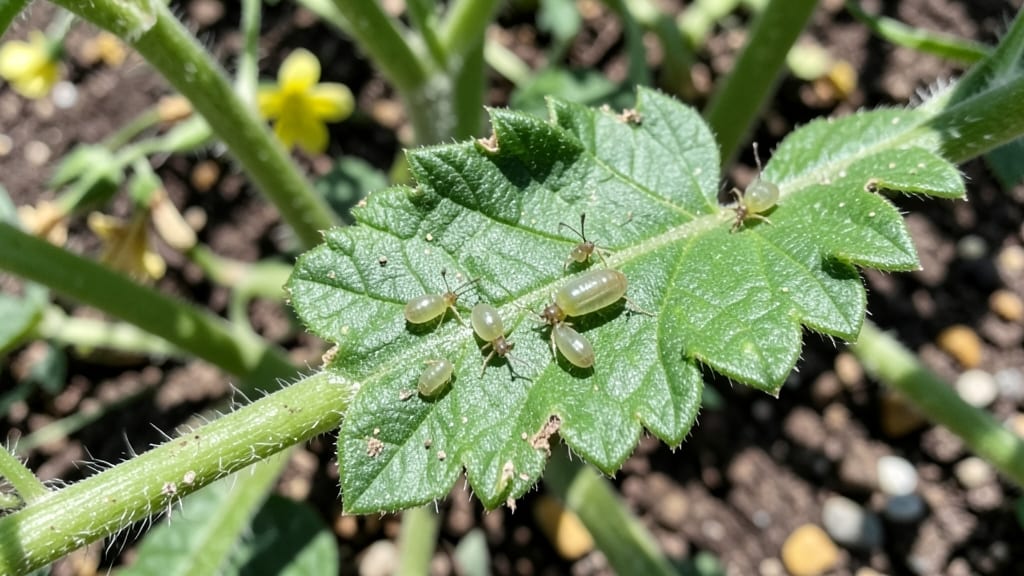
Getting rid of aphids on tomato plants starts with a quick spray that works in 24 hours—no harsh chemicals needed. 🌱 I’ve seen these tiny green pests turn lush tomato vines into sticky, curled messes, but the right approach clears them out fast without harming your plants or pollinators.
The key is acting fast: a strong stream of water knocks off clusters, while homemade soapy water or neem oil suffocates the remaining aphids. I’ve used a mix of 1 tablespoon mild dish soap per gallon of water—spray it directly on the undersides of leaves where they hide.
Repeat every few days until they’re gone.
You’ll notice new growth within 3-5 days as the plant recovers, with fewer sticky residues and stronger stems. The best part? This method keeps your tomatoes safe for eating while preventing future infestations when paired with companion plants like basil or marigolds.
For stubborn cases, neem oil’s natural properties disrupt their life cycle, but avoid overusing it—once or twice a season is enough. If aphids keep coming back, check for underlying stress in your plant, like overwatering or nutrient deficiencies.
Root Causes of Aphid Infestations
Aphids may seem like tiny, harmless pests, but they thrive on tomato plants due to a mix of environmental, biological, and human factors. Understanding why they appear in the first place is the first step toward preventing and eliminating them. Let’s break down the science behind these sticky invaders.
Aphids are drawn to tomato plants that are already stressed or struggling. When your plant’s defenses are down, it becomes an easy target. Here’s what weakens your tomato’s natural resistance:
- Nutrient Deficiencies: A lack of essential nutrients like nitrogen, phosphorus, or potassium weakens plant cell walls, making them easier for aphids to pierce and feed on. Think of it like a human with a vitamin deficiency—your immune system can’t fight off infections as effectively.
- Overcrowding: When tomato plants are too close together, airflow is restricted, leading to high humidity around the leaves. Aphids love this environment because it slows down natural predators (like ladybugs) and allows their populations to explode.
- Poor Watering Practices: Inconsistent watering—whether underwatering or overwatering—stresses plants. Aphids prefer plants that are thirsty but not dehydrated, as the sap becomes sweeter and more nutritious. Drought-stressed plants also produce more honeydew, which attracts ants (aphids’ unwelcome allies).
- Disease or Pest Damage: If your tomato plant has already been attacked by other pests (like spider mites) or suffers from fungal diseases (such as early blight), it releases volatile organic compounds (VOCs) that signal aphids: “Free meal here!”
Pro Tip: 🌡️ Healthy plants are naturally less appealing to aphids. Rotate crops yearly, space plants properly (18–24 inches apart), and use a balanced fertilizer (like 10-10-10) to keep your tomatoes robust.
Aphids don’t just randomly land on plants—they’re drawn by specific chemical and physical cues. Tomato plants, in particular, can become aphid magnets under the right conditions:
- New Growth: Aphids love tender, new shoots because they’re packed with high-sugar sap. This is why you’ll often see them clustered on the topmost leaves or terminal buds of your tomato plant.
- Honeydew & Ants: Aphids excrete honeydew (a sticky, sugary waste), which attracts ants. In return, ants protect aphids from predators. If you spot ants crawling on your plant, it’s a red flag that aphids are nearby—or already there.
- Yellowing or Curling Leaves: Aphids inject saliva into plant tissues, which can cause leaves to curl or yellow. These distorted leaves trap heat and humidity, creating the perfect microclimate for more aphids to reproduce.
- Cross-Pollination from Other Plants: Aphids can hitchhike on wind, water, or even garden tools. If you have other aphid-friendly plants nearby (like basil, peppers, or roses), they’ll spread quickly to your tomatoes.
Pro Tip: ✨ Plant aphid-repelling companions like marigolds, nasturtiums, or garlic near your tomatoes to mask the “aphid dinner bell” signals your plants might be sending out.
Aphids are highly sensitive to their surroundings. Certain weather patterns and garden conditions create the perfect storm for an infestation:
- Warm, Dry Weather: Aphids thrive in warm temperatures (60–80°F) and low humidity. Drought conditions force plants to produce more sugars in their sap, making them a high-calorie snack for aphids.
- Sudden Rain or Dew: While aphids dislike heavy rain (it washes them away), light mist or morning dew can actually help them spread. The moisture helps them move quickly across plants via a process called “blowing”—where they use their legs to propel themselves onto new hosts.
- Poor Air Circulation: Stagnant air in greenhouses, dense foliage, or shaded areas creates high humidity and traps heat, both of which aphids adore. It’s like a sauna for pests!
- Seasonal Peaks: Aphids have generational explosions. In spring and early summer, warm weather triggers rapid reproduction. A single aphid can turn into hundreds in days if left unchecked.
Pro Tip: 💡 Use row covers or shade cloth in early spring to block aphids from landing on your plants. If you’re in a greenhouse, improve ventilation to keep humidity in check.
Sometimes, well-meaning gardeners accidentally create the ideal aphid paradise. Here’s how:
- Over-Fertilizing with Nitrogen: Too much nitrogen produces lush, soft growth that aphids adore. It’s like serving them an all-you-can-eat buffet. Stick to a balanced fertilizer (like 5-5-5) for tomatoes.
- Ignoring Beneficial Insects: Aphids have natural predators like ladybugs, lacewings, and parasitic wasps. If you’re using broad-spectrum pesticides (even “organic” ones), you might be killing these helpers along with the pests.
- Not Cleaning Garden Tools: Aphids can hide in dirt, mulch, or old plant debris on tools. Always sterilize pruners and shovels with rubbing alcohol or hot water between uses.
- Bringing Infested Plants Indoors: If you buy pre-planted tomato starts or swap cuttings with other gardeners, aphids can hitch a ride. Always inspect new plants under leaves and stems before planting.
Pro Tip: 🎯 Encourage natural predators by planting dill, fennel, or yarrow nearby—they attract ladybugs and lacewings, which will devour aphids faster than you can say “organic pesticide.”
Practical Fixes for Aphid-Infested Tomatoes
Aphids might feel like tiny, relentless invaders, but with the right strategies, you can reclaim your tomato plants in 24 hours or less—without harsh chemicals. Below, we’ve mapped out targeted solutions based on the most common causes of aphid outbreaks, along with preventive steps to keep your garden thriving.
Let’s tackle this pest problem head-on!
Aphids love weak, crowded plants because they’re easier to feed on. If your tomatoes are struggling, strengthen their defenses first.
🔥 Step 1: Prune for Better Airflow
- Why? Aphids thrive in dense foliage where they’re hidden and humidity lingers.
- How?
- Remove yellowing or damaged leaves (aphids adore weak spots).
- Trim back overgrown branches to improve sunlight and air circulation.
- Focus on lower leaves—aphids often start there and spread upward.
🍳 Step 2: Fertilize for Stronger Growth
- Why? Healthy plants bounce back faster and repel pests naturally.
- How?
- Use a balanced fertilizer (10-10-10 or organic options like compost tea).
- Avoid nitrogen-heavy fertilizers—they encourage soft, aphid-loving growth.
- Pro tip: 💡 Sprinkle crushed eggshells around the base for a slow-release calcium boost—aphids hate it!
👨🍳 Step 3: Introduce Beneficial Insects
- Why? Nature’s pest control is the most effective (and free!).
- How?
- Ladybugs (release 1,000+ near infested plants).
- Lacewings (their larvae devour aphids).
- Parasitic wasps (like Aphidius colemani—order online if local stores don’t carry them).
- Plant companion crops like marigolds, basil, or dill to attract these allies.
If aphids have taken over, aggressive but gentle methods will save your tomatoes.
🔪 Step 4: Blast Them Off (Literally)
- Why? Physical removal is the fastest way to reduce numbers.
- How?
- Spray with water (a strong stream from a hose dislodges aphids).
- Use a soft brush to knock them off leaves—great for stubborn clusters.
- Pro tip: ✨ Do this early in the morning when aphids are sluggish and less likely to fly away.
🥘 Step 5: Homemade Sprays That Work
Skip the chemicals—these natural sprays smother and repel aphids instantly.
| Spray Recipe | How to Use | Why It Works |
|---|---|---|
| Soapy Water | 1 tbsp mild castile soap + 1 quart water. Spray directly on aphids. | Soap suffocates them; rinse after 1 hour. |
| Neem Oil Mix | 1 tbsp neem oil + 1 tsp soap + 1 quart water. Shake well and spray. | Disrupts aphid feeding and reproduction. |
| Garlic Pepper Spray | Blend 2 garlic cloves + 1 tsp cayenne + 1 quart water. Strain and spray. | Aphids hate the scent; also deters other pests. |
- Pro tip: 🌡️ Apply sprays in the evening to avoid harming beneficial insects active during the day.
⏰ Step 6: Quarantine Infected Plants (Temporarily)
- Why? Preventing spread is key—especially if you have other vulnerable plants nearby.
- How?
- Move heavily infested tomatoes away from healthy plants for 24–48 hours.
- Check soil—aphids often hide in mulch or nearby weeds.
- Remove fallen leaves where aphids may have crawled.
Once your tomatoes are aphid-free, lock in that success with these long-term strategies:
- 💡 Rotate crops yearly to disrupt aphid life cycles.
- 🌿 Mulch with straw or grass clippings—aphids avoid dry, airy mulch.
- 🔥 Inspect new plants before bringing them home (quarantine for a week).
- 🎯 Plant trap crops like nasturtiums—aphids prefer these over tomatoes!
- 🌡️ Monitor regularly—check undersides of leaves and new growth weekly.
Final Thought: Aphids might be tiny, but they’re no match for a well-prepared gardener. Combine physical removal, natural sprays, and preventive care, and your tomato plants will be aphid-free in no time—with zero harm to your garden’s ecosystem. Happy growing! 🍅✨
Frequently asked questions
How do I know if my tomato plant has aphids?
Look for tiny green, black, or white insects clustered on new growth or leaf undersides. You’ll also spot sticky honeydew on leaves or soil below, and leaves may curl or yellow. Check stems and buds first—aphids love tender areas.
Will soapy water harm my tomato plant?
Not if you use mild castile soap (like Dr. Bronner’s) and rinse after 1 hour. Avoid dish soap—it can damage leaves. Test on a small area first. The soap suffocates aphids but won’t kill your plant with proper dilution.
Why do aphids keep coming back after I treat them?
They may be hiding in mulch, soil, or nearby weeds, or new ones could hitchhike from other plants. Check for ants (their protectors) and remove any infested debris. Repeat treatments every 3-5 days until no signs remain.
Can I use neem oil if it's hot outside?
Neem oil works best between 50-90°F, but avoid applying when temps exceed 90°F—it can burn leaves. Use it in the evening or early morning, and always mix with a tiny bit of soap to help it stick.
Are there any plants that repel aphids naturally?
Yes! Plant marigolds, basil, garlic, or nasturtiums near your tomatoes. These act as natural deterrents while attracting beneficial insects like ladybugs that eat aphids. Even a few pots nearby can make a difference!