
Aphids
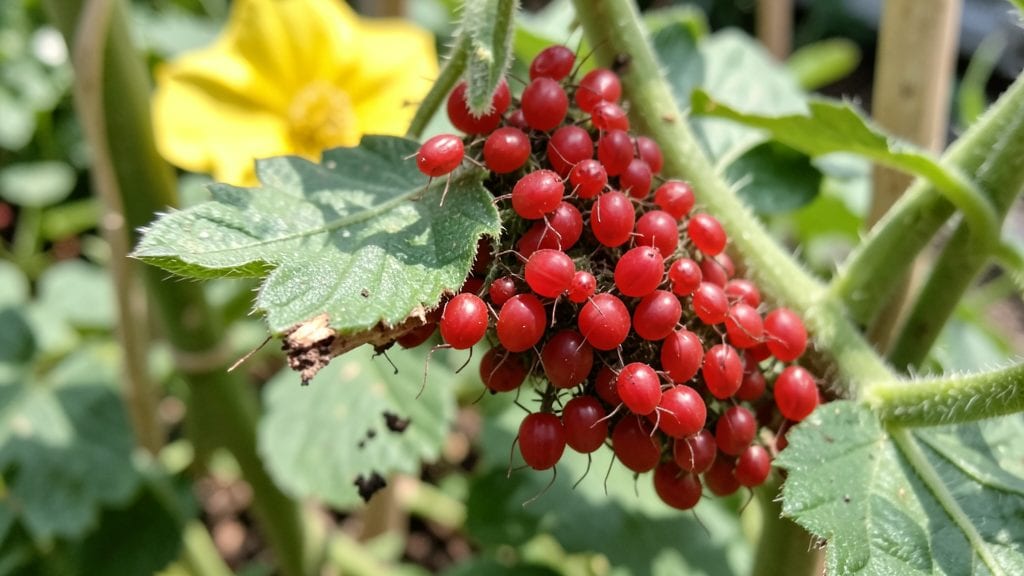
Red aphids on tomato plants aren’t just a nuisance—they’re tiny vampires sucking the life out of your harvest before it even ripens. 🌱 I’ve watched these bright crimson pests turn lush foliage into sticky, curled messes, but there’s a way to evict them without poisoning your garden.
The key is acting fast with targeted, plant-safe solutions that actually work.
These pests thrive in clusters on new growth, stems, and undersides of leaves, leaving behind a telltale honeydew that attracts mold.
Most gardeners reach for harsh chemicals first, but I’ve found the most effective fixes—like soapy water sprays and neem oil—are gentle enough for edible plants yet tough enough to stop an infestation in its tracks. The secret? Consistency and timing.
Within a week of treatment, you’ll see aphids vanish and your tomato plants bounce back with fresh, vibrant leaves. The best part? These methods protect beneficial insects like ladybugs, which actually eat aphids naturally.
No more chemical residue, no more guesswork—just healthier plants and a harvest you can feel good about.
Even if you’ve tried everything before, this approach works for every stage of infestation—from the first red speck to a full-blown colony. Let’s get those tomatoes thriving again without sacrificing your garden’s health.
Root Causes of Red Aphid Infestations
When you spot red aphids clinging to your tomato plants, it’s rarely a random event—these tiny pests thrive due to specific conditions that create the perfect environment for them.
Understanding these triggers is the first step toward prevention and humane control. Below, we break down the science behind why these pests choose your tomatoes as their buffet.
Tomatoes under stress—whether from nutrient deficiencies, overwatering, or root-bound conditions—emit chemical signals that attract aphids. These pests are drawn to plants that are already struggling because their weakened defenses make it easier to feed on sap.
Why it happens:
- Nitrogen deficiency: Aphids prefer plants with high sugar content, which stressed tomatoes produce in excess. Without enough nitrogen, your plants can’t sustain healthy growth, making them more vulnerable.
- Compacted soil or poor drainage: Roots that can’t breathe or absorb water efficiently send distress signals, luring aphids to the party.
- Over-fertilization with phosphorus: Too much phosphorus can disrupt a plant’s natural defenses, making it an easy target for pests.
Actionable fix: Ensure your tomatoes get a balanced 10-10-10 fertilizer (nitrogen-phosphorus-potassium) and improve soil aeration with compost or organic matter.
Aphids, including the red Macrosiphum euphorbiae species, love warm temperatures (60–85°F) and moderate humidity. These conditions speed up their reproduction cycle—females can give birth to 50–100 live nymphs in just a few weeks without mating!
Why it happens:
- Rapid reproduction: Higher temps shorten the time between generations, leading to explosive population growth.
- Moisture on leaves: Aphids prefer surfaces where they can easily access sap, and humidity helps them stay hydrated.
- Slower predator activity: Natural enemies like ladybugs and lacewings become less active in extreme heat, giving aphids free rein.
Actionable fix: Use shade cloth in peak summer or water plants at the base (not overhead) to reduce leaf moisture. Introduce beneficial insects like aphid midge larvae to keep populations in check.
Young tomato plants and new growth are aphid magnets because they’re packed with tender, nutrient-rich tissues that are easy to pierce. Mature plants develop thicker cell walls, making them less appealing.
Why it happens:
- High sugar content: New leaves and stems have more soluble sugars, which aphids crave for energy.
- Lack of protective wax: Younger leaves have thinner cuticles, making them easier for aphids to penetrate with their stylets.
- Attracting other pests: Aphids often arrive first, but their honeydew (sticky waste) attracts ants, which then protect aphids in exchange for food.
Actionable fix: Monitor new transplants closely and apply a neem oil spray as a preventive measure. Prune suckers and lower leaves to reduce hiding spots.
Aphids don’t just appear out of thin air—they hitchhike from infested weeds, neighboring plants, or leftover garden debris. If your tomatoes are near dandelions, clover, or other aphid-friendly plants, they’re at higher risk.
Why it happens:
- Overwintering eggs: Many aphid species lay eggs on weeds or garden structures, which hatch when conditions warm up.
- Wind or insect transport: Aphids can be carried by wind or crawling predators (like ants) to new hosts.
- Lack of biodiversity: Monoculture gardens (planting only tomatoes) provide a buffet with no natural breaks for pests.
Actionable fix: Remove weeds and plant companion crops like basil or marigolds, which repel aphids. Rotate crops yearly to disrupt aphid life cycles.
💡 Pro Tip: If you’ve had aphid issues before, start treatments before planting tomatoes—prevention is always easier than eradication!
How to Treat and Prevent Pests
Red aphids on your tomato plants might feel like a nightmare, but with the right approach, you can restore your garden to health—without harming your plants or the environment. Below, we’ll break down targeted solutions based on the root cause of the infestation, from quick fixes to long-term prevention.
Each method is designed to be effective, humane, and easy to implement, whether you’re dealing with a minor outbreak or a full-blown attack.
If your tomato plants are weak, overcrowded, or nutrient-deficient, they become aphid magnets. Strengthening them is your first line of defense.
🔥 Improve Airflow and Spacing
Aphids thrive in dense, humid conditions where plants can’t dry out quickly. Give your tomatoes room to breathe: - Prune aggressively: Remove yellowing or crowded leaves to improve airflow.
Focus on the lower foliage, where aphids love to hide. - Stake or cage plants: Use tomato cages or stakes to keep plants upright and reduce leaf-to-leaf contact. - Thin seedlings: If you’re growing from seed, space them 12–24 inches apart to prevent overcrowding.
💡 Pro Tip: Mulch Like a Pro
Apply 2–3 inches of organic mulch (straw, grass clippings, or wood chips) around the base of plants. This:
- Keeps soil moist (aphids hate drought-stressed plants).
- Suppresses weeds (which attract aphids).
- Regulates soil temperature for healthier roots.
If aphids are swarming, you’ll need a fast-acting but gentle solution. Avoid harsh chemicals—these methods work in 24–48 hours and won’t harm beneficial insects.
🍳 Homemade Soap Spray (Best for Small to Medium Infestations)
Ingredients:
- 1 tbsp mild liquid soap (like Castile or Dr. Bronner’s)
- 1 quart water
- 1 tsp neem oil (optional, for extra pest repellency)
Steps:
- Mix ingredients in a spray bottle.
- Shake well before each use (soap separates).
- Spray directly on aphids (especially undersides of leaves) until dripping.
- Reapply every 3–5 days until aphids disappear.
⚠️ Warning: Test on a small leaf first—some plants (like basil) are sensitive to soap.
🌡️ Hot Pepper or Garlic Spray (Aphids Hate the Burn!)
Ingredients:
- 1 hot pepper (like jalapeño) or 2 cloves garlic, blended
- 1 quart water
- 1 tsp dish soap (as an emulsifier)
Steps:
- Blend peppers/garlic with water, then strain.
- Add soap and mix.
- Spray evenly on infested areas (aphids will retreat within hours).
- Reapply every 4–5 days.
💡 Pro Tip: Add a few drops of food-grade hydrogen peroxide (3%) to boost efficacy.
Instead of fighting aphids alone, enlist their natural predators for a long-term, chemical-free solution.
👨🍳 Introduce Ladybugs (The Aphid’s Worst Nightmare)
- Buy ladybug larvae (more effective than adults) from garden centers.
- Release them early morning or late evening (they’re sensitive to heat).
- Avoid pesticides—ladybugs will die if you use chemicals afterward.
🔪 Encourage Lacewings and Parasitic Wasps
- Plant companion flowers like dill, fennel, or marigolds to attract these predators.
- Avoid disturbing the soil—parasitic wasps lay eggs in aphids and need undisturbed habitats.
🎯 DIY Ladybug Hotel
- Fill a small jar with rolled-up newspaper strips.
- Add a few drops of water and ladybugs.
- Place the jar near infested plants—ladybugs will emerge when hungry.
An ounce of prevention is worth a pound of cure. Break the aphid cycle with these habits:
✨ Early Season Defense
- Inspect new plants before bringing them home (aphids hide on stems and undersides).
- Quarantine new additions for 1–2 weeks before planting.
- Use reflective mulch (like aluminum foil) around plants—aphids hate shiny surfaces.
🌿 Companion Planting
Aphids avoid strong-smelling herbs and flowers. Plant these near tomatoes:
- Basil (repels aphids and improves tomato flavor)
- Garlic and chives (natural aphid deterrents)
- Nasturtiums (trap aphids away from tomatoes)
📊 Weekly Garden Checks
- Rinse leaves with water once a week to remove eggs and young aphids.
- Remove aphid-infested leaves immediately (don’t compost them—burn or trash).
- Rotate crops if possible—aphids build up in the same soil over time.
If your tomatoes are severely damaged (stunted growth, curled leaves, or sticky residue), it’s time for extra help:
- Neem oil spray (apply in the evening to avoid harming bees).
- Kaolin clay (a natural barrier that aphids dislike).
- Professional pest control (if the infestation is beyond DIY fixes).
Final Thought: Red aphids on tomato plants are manageable with the right mix of prevention, natural sprays, and beneficial insects. Start with one or two methods, monitor progress, and adjust as needed.
Your tomatoes will thank you with juicier, healthier fruit—and you’ll avoid the heartbreak of a ruined harvest! 🍅✨
Frequently asked questions
Why are my tomato plants suddenly covered in red aphids?
Red aphids thrive when tomato plants are stressed—whether from nutrient deficiencies, overwatering, or compacted soil. They also love warm weather (60–85°F) and new growth packed with sugars. Check for yellowing leaves or sticky honeydew residue, which signals an active infestation.
Will red aphids kill my tomato plants?
While they won’t kill mature plants outright, severe infestations can stunt growth, curl leaves, and attract mold from honeydew. Young seedlings are most vulnerable—act fast with soapy water sprays or neem oil to prevent long-term damage. Focus on undersides of leaves where they cluster.
How do I tell if red aphids are harming my tomatoes?
Look for sticky residue (honeydew), curled or yellowing leaves, and black sooty mold on lower foliage. Aphids also leave behind tiny white eggs on stems. If you see ants crawling on plants, they’re protecting aphids—they feed on honeydew!
Can I use store-bought insecticides on tomato plants?
Avoid chemical sprays near harvest time—residue can contaminate fruit. Instead, try organic neem oil or kaolin clay, which are safe for edible plants. For severe cases, use pyrethrin-based sprays (like those for organic gardening) but apply 2 weeks before picking tomatoes.
How long does it take to eliminate red aphids?
With consistent treatment (every 3–5 days), you’ll see noticeable improvement in 5–7 days. For heavy infestations, combine soapy water sprays with introducing ladybugs. Monitor for 2 weeks post-treatment—aphids may return if conditions (like humidity) remain ideal.