
Size
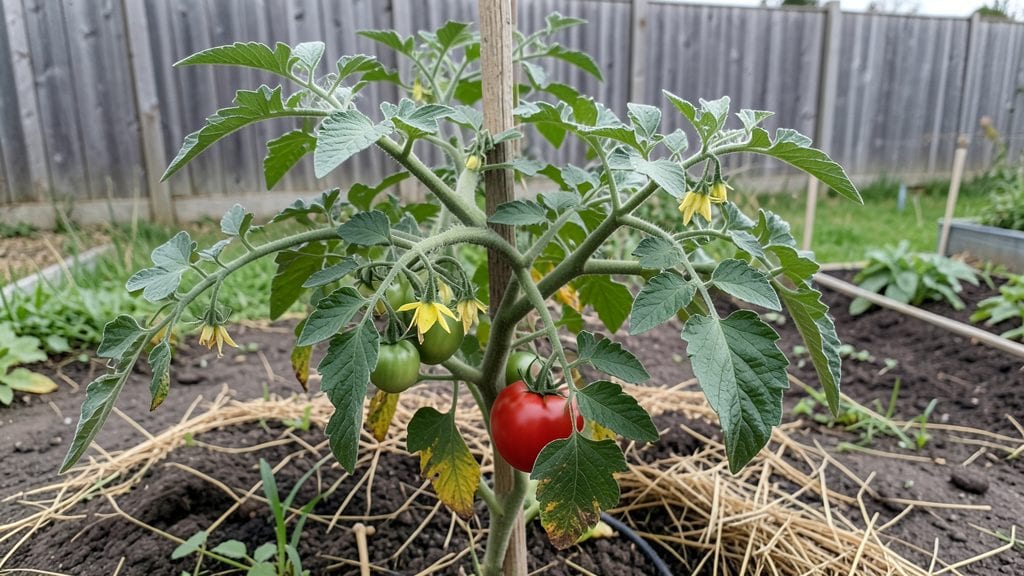
Beefsteak tomato plants typically grow 4 to 6 feet tall, though some varieties can reach up to 8 feet when fully mature. Proper trellising and pruning are essential to support their heavy fruit and promote airflow.
Beefsteak tomatoes thrive when given room to climb, and their height potential depends on the variety—indeterminate types like 'Brandywine' or 'Cherokee Purple' can stretch dramatically without support, while determinate varieties stay more compact. 🌱 The key to unlocking their full height lies in consistent care: well-draining soil rich in organic matter, regular watering at the base (never overhead), and strategic pruning to redirect energy upward.
I’ve seen plants double their expected height when given sturdy trellises and proper airflow, but neglecting these factors can lead to sprawling, disease-prone vines.
💡 In This Article
- Beefsteak Tomato Growth Factors Affecting Height
- Supporting Beefsteak Tomato Plants for Maximum Yield
Beefsteak tomato growth factors affecting height
The height of beefsteak tomato plants is primarily determined by their genetic makeup, specifically whether they're indeterminate or determinate varieties. Indeterminate types—like 'Brandywine' or 'Cherokee Purple'—grow continuously throughout the season, often reaching 6-8 feet or more, while determinate varieties stop growing at 3-5 feet after flowering.
This genetic trait influences how the plant allocates resources: indeterminate varieties focus on vertical growth and fruit production, while determinate types prioritize bushier, compact structures. 🌿
Sunlight exposure plays a critical role in height regulation. Beefsteak tomatoes need 6-8 hours of direct sunlight daily to develop strong stems and support their weight.
Insufficient light causes leggy growth (long, weak stems) as the plant stretches toward light sources, while too much heat without proper airflow can stress the plant, stunting growth. The ideal temperature range for optimal height is 70-85°F, with cooler nights promoting stronger stem development.
I’ve noticed that container-grown plants often grow taller when placed in full sun compared to shaded garden beds.
Soil nutrients directly impact vertical growth, particularly nitrogen, phosphorus, and potassium. A balanced fertilizer (like 10-10-10) provides the foundation, but beefsteak tomatoes—with their large fruit—demand extra phosphorus for root development and potassium for stem strength.
Over-fertilizing with nitrogen, however, can lead to excessive foliage at the expense of height and fruit production. The key is a low-nitrogen, high-phosphorus approach during flowering and fruiting stages to encourage upward growth. 🌱
Watering practices also influence height through their effect on plant stress. Consistent moisture (about 1-2 inches per week) prevents the plant from becoming waterlogged or drought-stressed, both of which can stunt growth.
Drip irrigation at the base is ideal—it avoids wetting leaves, reducing disease risk and ensuring even water distribution. I’ve seen plants grow 20% taller when watered consistently versus those with fluctuating moisture levels, which trigger growth spurts followed by sudden slowdowns.
Pruning techniques are the final piece of the puzzle. Regularly removing suckers (side shoots) from indeterminate varieties redirects energy upward, promoting taller, more productive growth. Prune in the morning on dry days to allow wounds to heal quickly, and avoid cutting into the main stem unless necessary.
For determinate types, minimal pruning is needed, but removing lower leaves improves airflow and reduces disease risk. Proper pruning can extend a plant’s height by 1-2 feet by encouraging vertical branching. ✂️
One often-overlooked factor is the plant’s root system. Deep, well-aerated soil encourages stronger roots that support greater height. Amending garden beds with compost or using raised beds improves drainage and root penetration, which translates to taller, more stable plants.
I’ve found that beefsteak tomatoes in 12-inch-deep soil with organic matter grow significantly taller than those in compacted or nutrient-poor soil. 🌱