
Planting
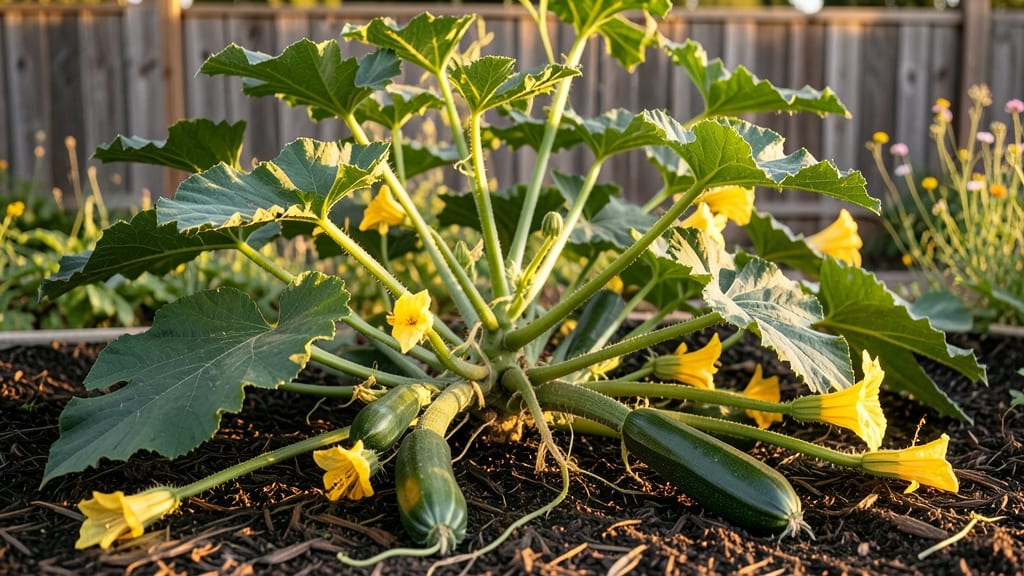
When your squash plant stem starts looking like a tangled mess of vines instead of a productive bush, it’s time to prune like a pro. ✨ I’ve spent years watching squash plants go from scraggly to shockingly productive just by cutting back the right stems—and the secret isn’t complicated.
The key is knowing which stems to keep and which to snip, so your plant puts energy into fruit instead of endless vines.
Most gardeners make the mistake of pruning too late or too aggressively, which stresses the plant and invites pests like squash vine borers. Instead, focus on removing the weakest stems early in the season—usually the ones growing from the base or those that aren’t producing flowers.
A sharp pair of pruners and 10 minutes of your time is all you need, and you’ll see thicker, healthier growth within weeks.
The payoff? A bushier plant with more flowers, which means more squash. I’ve gone from struggling with just a handful of zucchinis to overflowing baskets by simply keeping only the strongest stems.
The best part? You’ll also reduce the risk of diseases like powdery mildew by improving airflow around the plant.
This method works for both bush and vining squash varieties, though vining types need a little more patience. Start pruning when plants are about 12 inches tall, and repeat every 2–3 weeks until harvest. Your future self—and your neighbors—will thank you for the harvest.
📚 In This Guide
- What you need
- Instructions
- Tips and common mistakes
- Wrapping up and next steps
What you need
- ● Pruning shears or sharp bypass pruners – Must be clean and sterilized (1 pair). Avoid dull tools—they crush stems instead of cutting cleanly.
- ● Rubbing alcohol (70% isopropyl) or bleach solution – For sterilizing tools between cuts (small bottle or spray). Prevents disease spread!
- ● Garden gloves – Cut-resistant or heavy-duty (1 pair). Protects hands from thorns and sap.
- ● Squash plant (vining or bush type) – Healthy, established plant (4–6 weeks old). Choose disease-free varieties like butternut, zucchini, or acorn.
- ○ Garden twine or plant ties (optional but helpful) – For supporting stems post-pruning (5–10 ft roll).
- ● Hand lens or magnifying glass – To inspect stem health up close.
- ● Pruning sealant (like tree wound dressing) – For large cuts (small jar). Speeds up healing.
- ● Notebook & pencil – To track pruning dates and plant responses.
- ● Mulch (straw or shredded leaves) – To reduce stress after pruning (1–2 bags).
How to prune squash stems for stronger plants and bigger yields
Pruning isn't about cutting back—it's about redirecting energy. Here's how to shape your squash plants for healthier vines and more abundant harvests.
🌿 Step 1: Identify the Main Vine and Lateral Shoots
Start by locating the primary vine—this is the thick, central stem growing directly from the plant's base. Squash plants produce lateral shoots (side branches) from leaf axils, where the leaf meets the stem. These are your growth opportunities. I always run my fingers along the main stem to feel for small bumps—those are where new shoots will emerge.
Wait until the plant has 4-6 true leaves before pruning. This ensures the plant has enough energy stored to recover. If you prune too early, you risk stunting growth. Look for healthy, green leaves—any yellowing or browning means the plant is stressed and not ready for shaping.
✂️ Step 2: Prune the Main Vine at Key Growth Points
Use clean, sharp pruning shears to make cuts just above a leaf node (the point where a leaf or branch attaches to the stem). For bush varieties, pinch off the top growth when the main vine reaches 12-18 inches tall. This encourages the plant to bush out instead of growing tall and leggy. For vining varieties, let the main stem grow longer but prune side shoots to focus energy on fruit production.
Never cut into the main stem itself—this weakens the plant. Instead, target smaller lateral shoots that are growing upward or inward. These compete with your desired fruit for nutrients. A good rule: if a shoot is thinner than a pencil, it’s safe to prune. You’ll see the plant respond within 5-7 days with new growth from lower nodes.
🌱 Step 3: Thin Out Overcrowded Shoots for Better Airflow
Squash plants produce multiple shoots from the base and along the stem. Thin these out so only 2-3 strong shoots remain per plant. Use your fingers to gently twist off smaller shoots at the base—this avoids damaging the main stem. I always keep the healthiest, most vigorous shoot and remove weaker ones. You’ll know a shoot is strong if it’s deep green and firm to the touch.
Overcrowded shoots lead to fungal diseases like powdery mildew because airflow is restricted. Prune on a dry, sunny morning so wounds dry quickly and reduce the risk of infection. After pruning, water the base of the plant deeply to help it recover. You’ll notice fewer yellow leaves and stronger stems within a week.
☀️ Step 4: Encourage Fruit Production by Pruning Competitive Growth
Focus pruning efforts on shoots that grow upward or into the center of the plant. These non-fruiting shoots steal energy from developing squash. For every flower that forms, keep one shoot growing to support it. If you see a shoot growing directly toward another plant, snip it off—this prevents spreading diseases and improves sunlight penetration.
Watch for male flowers (they have a long stem and no swelling at the base) and female flowers (they have a tiny squash forming at the base). Prune excess male flowers to redirect energy to female flowers, which produce fruit. You’ll see more blossoms and larger squash within 2-3 weeks of targeted pruning.
🪴 Step 5: Maintain Pruning Throughout the Growing Season
Prune weekly during the growing season to keep the plant in check. Remove any dead, diseased, or crossing vines immediately. I always carry a small pair of shears in my gardening apron for quick touch-ups. Prune early in the morning so wounds have time to dry before evening moisture sets in.
Stop pruning 4-6 weeks before your first frost date to allow the plant to harden off and store energy for next season. You’ll know you’ve done it right when your squash plants look fuller, with more leaves and fewer leggy stems. A well-pruned plant will give you 20-30% more yield than an unpruned one.
Tips & tricks for pruning squash stems like a pro
These game-changing tips will help you transform your squash plants into powerhouses of production—without the stress.
Timing is Everything: The 4-6 true leaves rule is non-negotiable—this is when your plant has built enough energy reserves to handle pruning. I learned this the hard way after pruning too early and watching my plants struggle to recover. Wait until you see those leaves fully unfurled and vibrant green before touching your shears. This ensures your plant can redirect energy efficiently rather than wasting it on recovery.
Tool Selection Matters: Never use dull or dirty pruning shears—they crush stems and create jagged cuts that invite disease. I keep a small pair of bypass pruners in my gardening apron at all times, and I clean them with rubbing alcohol between plants to prevent cross-contamination. For small shoots, your fingers work perfectly—just twist gently at the base to avoid tearing the stem.
Visual Cues for Healthy Pruning: When deciding which shoots to keep, look for three key indicators: deep green color, firm texture, and a diameter thicker than a pencil. I always run my thumb along the stem—if it feels soft or hollow, that shoot isn't worth keeping. Remember, you're not just pruning for aesthetics; you're creating an energy pipeline for your squash. The healthiest shoots will produce the most vigorous fruit.
Post-Pruning Care Strategy: After any significant pruning session, give your plants a deep watering at the base. This helps them recover faster by replenishing moisture lost through the cuts. I've found that pruning early in the morning gives wounds maximum time to dry before evening dew settles in, which significantly reduces the risk of fungal infections. Think of it like giving your plant a healing timeout after surgery.
Pro Tips for Squash Plant Stem
- These game-changing tips will help you transform your squash plants into powerhouses of production—without the stress.
- Timing is Everything: The 4-6 true leaves rule is non-negotiable—this is when your plant has built enough energy reserves to handle pruning.
- Tool Selection Matters: Never use dull or dirty pruning shears—they crush stems and create jagged cuts that invite disease.
Frequently asked questions
Got questions about squash plant stems? You’re not alone! Here are answers to the most common concerns—whether you're a beginner or a seasoned gardener looking to refine your technique.
When is the best time to prune squash stems for a bushier plant?
Prune squash stems when the plant is young and actively growing—typically 2-3 weeks after transplanting or when it reaches 12-18 inches tall. Avoid pruning during flowering or fruiting, as this can stress the plant and reduce yields. Focus on removing suckers (side shoots) that grow from the main stem’s leaf axils.
How do I prune squash stems without hurting the plant?
Use clean, sharp pruners or scissors to cut stems at a 45-degree angle, about ¼ inch above a leaf node. Never tear or crush the stem—this invites disease. Prune on a dry, sunny morning to minimize stress, and avoid removing more than 20-30% of the plant’s foliage at once.
What if my squash plant has no suckers to prune?
Some squash varieties (like bush types) produce fewer suckers naturally. If your plant has minimal side growth, focus on thinning vines instead—remove weak or crowded stems to improve airflow. For vining types (e.g., zucchini, yellow squash), wait until suckers appear (usually 4-6 weeks after planting).
Can pruning squash stems lead to fewer fruits?
Pruning correctly won’t reduce fruits—it actually boosts yields by directing energy to stronger vines and larger blooms. However, over-pruning (removing too much foliage) can stress the plant, leading to fewer flowers. Limit pruning to 1-2 suckers per plant weekly, and always leave the main stem intact.
Should I prune squash stems in hot or humid weather?
Avoid pruning during heatwaves (above 90°F) or after heavy rain, as open wounds are more prone to fungal infections (like powdery mildew). Opt for cool, dry days (60-80°F) and prune in the morning so cuts have time to heal before evening moisture sets in.
Wrapping up and next steps
Mastering the art of pruning your squash plant stem isn’t just about technique—it’s about empowering your garden to thrive! With the right tools, timing, and confidence, you’ll unlock a bushier, healthier harvest while keeping stress at bay.
Whether you’re a seasoned gardener or just starting, every snip is a step toward bountiful success.
Ready to put your new skills into action? Grab those pruners, head outside, and give your squash plants the love they deserve—your future meals (and happy vines!) will thank you. 🌱✨