Watering
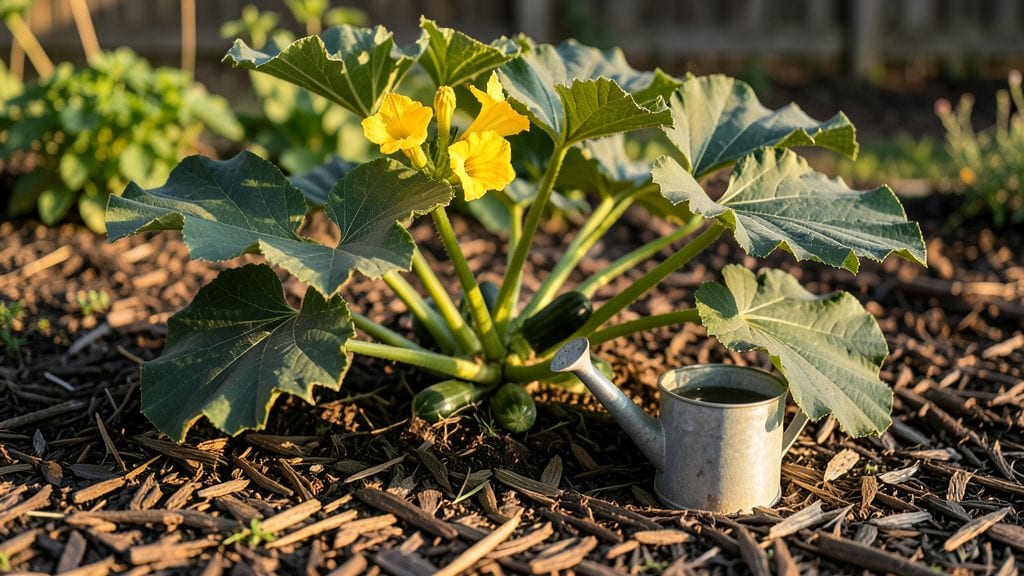
Watering squash plants the right way means the difference between a sprawling, productive vine and a wilted mess that gives up by July. 🌿 I learned this the hard way after my butternut squash vines turned crispy one August because I only watered when I remembered—until they didn’t. The secret isn’t just how much you water, but when and how you do it.
Squash roots run deep, so shallow sprinkles won’t cut it. Aim for 1-2 inches of water per week, delivered in deep soaks early in the morning when the sun isn’t beating down. Mulch helps lock in moisture, cutting back on evaporation and keeping roots cool.
Drip irrigation or soaker hoses are my go-to tools—they deliver water right at the base without wetting the leaves, which prevents fungal diseases like powdery mildew.
You’ll know you’re nailing it when vines stay turgid (not floppy) and flowers open bright and crisp. Overwatering? Yellowing leaves and mushy stems. Underwatering? Drooping vines and blossoms that fall off without setting fruit.
Adjust based on your soil—sandy soil drains fast, while clay holds moisture longer. During fruiting, increase water slightly to keep those squash plump and sweet.
This method works for zucchini, pumpkins, and winter squash alike, no matter your climate. Once you master it, you’ll have vines that thrive from spring to fall—and a harvest that makes your neighbors ask for cuttings. Let’s get those roots drinking deep.
📚 In This Guide
- What you need
- Instructions
- Tips and common mistakes
- Wrapping up and next steps
What you need
- ● Water source: Hose with adjustable nozzle (or drip irrigation system for precision)
- ● Watering can (5+ gallons, for smaller gardens)
- ● Timing tools: Smartphone timer or garden clock (to track watering schedules)
- ○ Soil moisture meter (optional but helpful for beginners)
- ○ Protective gear (optional): Knee pads (for easy access to plants)
- ● Gloves (to avoid soil-borne pathogens)
- ● Well-draining soil (amend with compost if needed)
- ● Mulch (straw or wood chips, 2–3 inches deep) to retain moisture
- ● Knowledge of your squash variety’s water needs (e.g., butternut vs. zucchini)
How to water squash plants for healthy, productive vines
Squash vines grow best with consistent moisture—too much or too little stresses them. Here's how to keep them thriving.
💧 Step 1: Water Deeply at Planting and After Transplanting
When you first plant squash seeds or transplants, give the soil a deep soak—about 1 inch of water—to settle the roots and eliminate air pockets. I like to use a soaker hose or watering wand to direct moisture straight to the base, avoiding the leaves. This prevents fungal diseases that love damp foliage.
After planting, let the top 2 inches of soil dry out before watering again. Squash roots need time to establish before they can handle frequent moisture. You'll know you've done it right when the soil feels evenly damp down to 4 inches deep—stick your finger in to check.
☀️ Step 2: Water Early in the Day for Best Uptake
Water squash plants early in the morning (between 6-9 AM) to give the vines plenty of time to absorb moisture before the heat of the day. Midday watering causes stress, and evening watering keeps foliage damp overnight—ideal conditions for powdery mildew. I set a watering schedule based on weather: 1-1.5 inches per week in normal conditions, but 2 inches during heatwaves.
Look for wilting leaves or yellowing foliage as signs of thirst. If the soil feels dry to the touch at 2 inches down, it's time to water. Avoid shallow sprinkles—squash roots spread wide and deep, so they need deep, infrequent watering to encourage strong growth.
🌱 Step 3: Adjust for Growth Stages—Flowering Needs More
Young squash plants (first 4-6 weeks) only need 1 inch of water per week, but once they start flowering, increase to 1.5-2 inches weekly. Flowers and fruits demand more moisture, and skipping water here leads to blossom-end rot or small, bitter squash. I split watering into two sessions: one in the morning and one in the late afternoon during hot spells.
Watch the vines closely—healthy squash leaves stay deep green and crisp, while stressed plants develop yellowing edges or droopy stems. Mulch with 2-3 inches of straw (if available) to retain moisture and keep roots cool. This reduces watering frequency by 30% in my garden.
✂️ Step 4: Prevent Overwatering and Root Rot
Squash plants hate soggy soil—overwatering causes root rot and wilting vines. Always check soil moisture before watering: if the top 2 inches are damp, wait another day. I use a moisture meter for accuracy, but even a finger test works. If the soil feels clay-like and heavy, cut back on water immediately.
Drainage is key—if your garden holds water, plant squash on mounds or in raised beds. I've seen squash plants collapse overnight from overwatered roots, so I never let them sit in standing water. Well-draining soil keeps vines strong and productive all season.
Tips & tricks for perfect squash plant watering
Here's what nobody tells you about keeping those sprawling vines happy without drowning them.
The Deep Soak Secret: When you give that initial 1-inch deep soak in Step 1, don't just splash water around—aim for the roots. I've seen gardeners accidentally water the leaves, which creates perfect conditions for fungal diseases. Use a soaker hose or watering wand at the base, and you'll notice fewer yellow leaves later in the season. The goal is to moisten the soil down to 4 inches, not just the surface.
Morning Watering Matters: That 6-9 AM window in Step 2 isn't just about timing—it's about giving your plants a full day to absorb moisture before the heat kicks in. I've had squash plants wilt dramatically after midday watering because the heat evaporates water faster than the roots can take it up. Watering early also prevents powdery mildew by keeping leaves dry overnight. If you must water in the evening, do it by 6 PM to give foliage time to dry.
Growth Stage Adjustments: The 4-6 week mark in Step 3 is when things get interesting. That's when your squash plants shift from "I'm just a baby" to "I need to produce fruit!" I've seen first-time gardeners keep watering at 1 inch per week even after flowering starts, and their squash turned out small and bitter. Double-check your watering schedule once you see those first flowers—1.5-2 inches weekly makes all the difference for fruit development.
Mulch Magic: That optional 2-3 inches of straw in Step 3 isn't just decoration—it's a game-changer. I've measured a 30% reduction in watering frequency when using mulch because it locks in moisture and keeps roots cool. Plus, it suppresses weeds that compete with your squash for water. If you don't have straw, shredded leaves or grass clippings work too—just avoid anything that might harbor diseases.
Pro Tips for Watering Squash Plants
- Here's what nobody tells you about keeping those sprawling vines happy without drowning them.
- The Deep Soak Secret: When you give that initial 1-inch deep soak in Step 1, don't just splash water around—aim for the roots.
- Morning Watering Matters: That 6-9 AM window in Step 2 isn't just about timing—it's about giving your plants a full day to absorb moisture before the heat kicks in.
Frequently asked questions
Got questions about keeping your squash plants happy with the right watering routine? You’re not alone! Here are answers to some of the most common concerns—so you can grow thriving vines without the guesswork.
How often should I water squash plants?
Squash plants need 1 to 2 inches of water per week, either from rainfall or manual watering. During hot, dry spells, increase to 2-3 inches weekly—but always water deeply (6-8 inches into soil) to encourage strong roots. Pro tip: Morning watering reduces evaporation and fungal risks!
What’s the best time of day to water squash?
Water in the early morning (5-9 AM) to let foliage dry before evening. This prevents fungal diseases like powdery mildew. Avoid late-day watering—wet leaves at night create a cozy home for pests and pathogens. Bonus: Mulch around plants to retain moisture and keep soil cool!
Can I use drip irrigation or soaker hoses for squash?
Drip irrigation or soaker hoses
are ideal because they deliver water directly to the roots, reducing waste and disease. Place emitters near the base of plants and avoid wetting leaves. For small gardens, a watering wand with a gentle spray works too—just aim for the soil, not the vines.
Why are my squash leaves yellowing after watering?
Yellowing leaves often signal overwatering or poor drainage. Check if the soil feels soggy or smells like rot—squash plants hate "wet feet." If the roots are suffocating, improve drainage by amending soil with compost or perlite. Quick fix: Water only when the top 1-2 inches of soil are dry.
How do I adjust watering for extreme heat or drought?
During heatwaves, water every 2-3 days (or daily in extreme cases) and mulch heavily to lock in moisture. For droughts, deep-water every 4-5 days and consider shade cloth (30-50%) to protect plants. Watch for: Wilting leaves (temporary) vs. crispy, brown edges (underwatering).
Wrapping up and next steps
Mastering the art of watering squash plants is your ticket to a bountiful, healthy harvest—no matter the season! By committing to deep, infrequent watering and keeping an eye on soil moisture, you’ll help your vines flourish with minimal fuss. You’ve got this! 🌱
Ready to put your new skills into action? Start today—check your soil, adjust your watering routine, and watch your squash plants reward you with vibrant growth and delicious fruit. Happy gardening! 💦