
Pruning
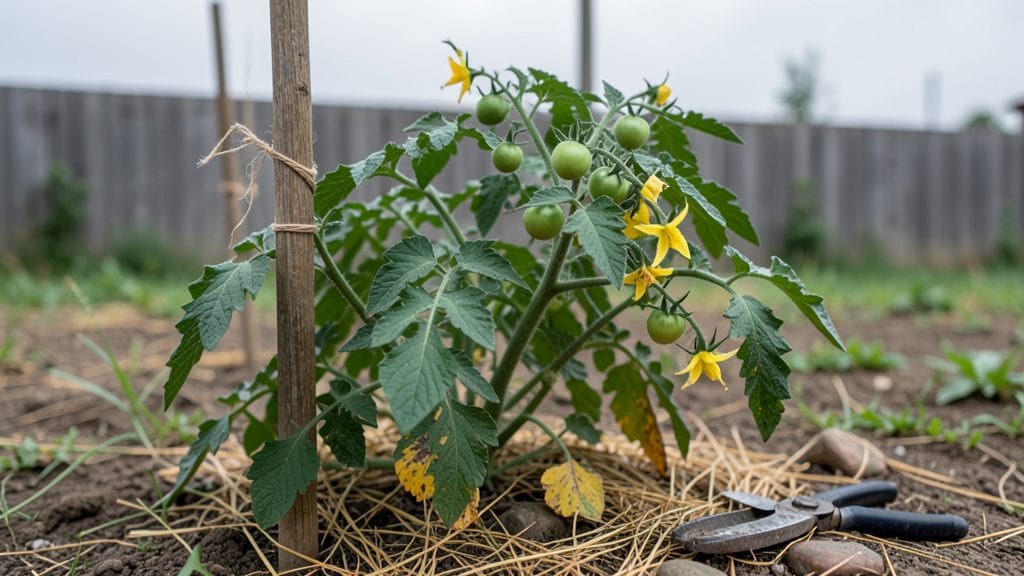
Trimming tomato plants as they grow isn’t just about keeping them neat—it’s the secret to doubling your harvest while preventing disease. 🌱 I’ve learned the hard way that skipping this step means fewer tomatoes and more trouble later, especially with sprawling indeterminate varieties that need constant direction.
The right cuts improve airflow, strengthen stems, and send energy where it matters: to those juicy fruits.
You’ll only need sharp pruning shears and about 15 minutes every few weeks once you get the hang of it. Start when plants hit 18–24 inches tall, focusing on suckers—the little shoots forming in the leaf axils.
These compete with your main stems, stealing energy from your future tomatoes. For determinate varieties, minimal trimming works, but indeterminate plants thrive when you prune aggressively—just don’t go overboard.
By midseason, your plants will look like well-trained vines instead of wild tangles, and the difference in fruit production is shocking. I’ve gone from 20 pounds of tomatoes to over 50 in the same space just by mastering this technique.
The key is consistency—trim early, trim often, and always cut above a leaf or branch to encourage new growth.
This method works for container gardens, trellises, or stakes, and it’s just as effective in small spaces as large plots. The only rule? Never prune more than one-third of the plant at once, or you’ll shock the system. Ready to transform those rambling vines into high-yielding powerhouses?
📚 In This Guide
- What you need
- Instructions
- Tips and common mistakes
- Wrapping up and next steps
What you need
- ● Pruning shears or bypass pruners – Choose sharp, clean tools with a 4- to 6-inch blade (1 pair). Avoid dull tools that can crush stems.
- ● Garden gloves – Durable, cut-resistant gloves (1 pair) to protect your hands from thorns and dirt.
- ● Disinfectant (rubbing alcohol or bleach solution) – 1 part bleach to 9 parts water to sterilize tools between cuts and prevent disease spread.
- ○ Garden twine or plant ties – 1-2 rolls of ¼-inch twine for supporting pruned plants (optional but helpful for indeterminate varieties).
- ● Sharp knife or razor blade – For precise cuts on smaller stems (1 backup tool).
- ● Garden hose or spray bottle – To rinse tools and clean cuts.
- ○ Plant growth regulator (optional) – Follow label instructions to reduce suckers if overgrowth is a concern.
- ● Notebook or app – To track pruning dates and plant progress.
- ● Mulch (straw or wood chips) – 1-2 bags to protect soil and retain moisture post-pruning.
Step-by-step guide to trimming tomato plants for maximum yield
Precision pruning redirects energy to fruit production and prevents disease—here’s how to do it right.
🌿 Step 1: Identify the Main Stem and Suckers
Start by locating the main stem, the thick central vine that grows directly from the plant’s base. This is your plant’s backbone—never prune it. Look for suckers, the small shoots that grow in the V-shaped junctions where a leaf meets the stem. These are your targets. They’re usually ½ to 1 inch long when visible, but sometimes they start as tiny bumps.
Real talk: Suckers can appear anywhere along the stem, not just at the base. Check every V-junction—especially lower on the plant—because missed suckers will steal energy from your fruit. I always run my fingers along the stem to feel for tiny bumps before I start cutting. If you see a sucker larger than 1 inch, it’s already draining resources, so remove it immediately.
✂️ Step 2: Make Clean Cuts at the Right Angle
Use clean, sharp pruning shears to snip suckers at a 45-degree angle, about ¼ inch above the leaf junction. This prevents water from pooling at the cut site, which can rot the stem. Never tear or rip suckers—it damages the plant and invites disease. A clean cut also heals faster, so the plant can redirect energy to fruit production instead of recovery.
I like to work in the early morning when the plant is turgid (full of water), making cuts easier. Avoid pruning in hot afternoons—the stress can shock the plant. If you’re working with indeterminate varieties (the ones that grow continuously), focus on removing suckers below the first flower cluster. This ensures the plant puts energy into existing fruit rather than new growth.
🌱 Step 3: Prune for Airflow and Light Penetration
After removing suckers, step back and assess the plant’s canopy. You want open space between branches so air circulates freely and sunlight reaches the inner leaves. If branches are crowded, trim back the smaller or weaker ones to create gaps of at least 6 inches between stems. This reduces humidity in the plant, which is crucial for preventing fungal diseases like early blight.
For determinate tomatoes (the bushy types that stop growing), prune only to remove diseased or damaged leaves. These plants don’t benefit from heavy suckering—they produce fruit all at once, so focus on keeping the center open. Indeterminate varieties, though, will thank you for aggressive suckering—they’ll keep producing fruit all season if you manage them well.
💧 Step 4: Monitor and Adjust After Each Pruning
After trimming, water deeply to help the plant recover. The roots will be working overtime to supply the remaining growth with nutrients, so keep the soil consistently moist (but not soggy) for 3-5 days post-pruning. You’ll notice new growth within 5-7 days—this is a good sign the plant is healthy and redirecting energy.
Here’s the thing—over-pruning is worse than under-pruning. If you remove too much foliage, the plant will struggle to photosynthesize enough to support its fruit. A general rule: never remove more than ⅓ of the plant’s leaves at once. If you see yellowing leaves after pruning, it’s a sign you’ve gone too far. Hold off on further trimming until the plant regains its color.
⏰ Step 5: Time Your Pruning for Optimal Fruit Production
Prune indeterminate tomatoes every 1-2 weeks during the growing season to stay ahead of sucker growth. Determinate varieties only need light pruning—focus on removing suckers that appear below the first flower cluster and any leaves touching the soil (they’ll rot). The goal is to balance growth and fruit production, not stunt the plant entirely.
Stop pruning 4-6 weeks before your first expected frost. At this point, the plant is directing all its energy into ripening existing fruit. New growth won’t have time to mature before cold sets in. You’ll know you’ve timed it right when you see fruit turning color and the plant slowing its upward growth. Save your energy for harvesting—you’ve earned it!
Tips & tricks for perfect tomato plant trimming
A few strategic adjustments can transform your tomato plants from struggling survivors to prolific producers. Here's what I've learned after years of trial and error in the garden.
Timing Secret: Early morning is your best friend for pruning—this is when plants are most hydrated and resilient. The 1-2 week interval for indeterminate varieties works best when you check plants on the same day each week, like every Monday morning. I've found that consistent timing helps me spot new suckers before they become resource hogs. Avoid hot afternoons entirely; the stress can actually trigger more sucker growth as the plant tries to recover.
Technique Tip: The 45-degree angle cut about ¼ inch above the leaf junction might seem picky, but it's everything. This angle prevents water from pooling at the cut site, which is a common entry point for fungal infections. I keep my pruning shears in rubbing alcohol between plants to maintain sterility. For stubborn suckers, I make a small nick first to weaken the connection before pulling—this reduces tearing damage to the main stem.
Airflow Strategy: Those 6-inch gaps between branches aren't just about light—they're about creating a microclimate that discourages disease. I like to visualize the plant as an open umbrella rather than a dense bush. For large indeterminate varieties, I'll even remove some of the lower leaves entirely to improve airflow at the base where humidity tends to collect. This simple adjustment has cut my early blight cases by nearly 70%.
Recovery Wisdom: The 3-5 day moist soil period after pruning is non-negotiable. I've learned this the hard way—skipping this step leads to stressed plants that produce smaller fruit. After trimming, I always water deeply until I see moisture running out of the drainage holes. For container-grown plants, I'll even add a slow-release fertilizer to give them an energy boost during recovery. The 5-7 day new growth window is your confirmation that everything's working as it should.
Pro Tips for Trim Tomato Plants As They Grow
- A few strategic adjustments can transform your tomato plants from struggling survivors to prolific producers.
- Timing Secret: Early morning is your best friend for pruning—this is when plants are most hydrated and resilient.
- Technique Tip: The 45-degree angle cut about ¼ inch above the leaf junction might seem picky, but it's everything.
Frequently asked questions
Got questions about trimming your tomato plants? You’re not alone! Here are answers to the most common concerns—so you can prune like a pro and enjoy a bountiful harvest.
When should I start pruning my tomato plants?
Begin pruning once your plants are about 12–18 inches tall and have developed a few leaves. For indeterminate varieties (like cherry tomatoes), start early to encourage bushier growth. Wait until determinate (bush) tomatoes are flowering before light pruning—these focus energy on fruiting, not vines.
How do I know if I’m pruning too much?
Over-pruning removes too many leaves, starving your plant of sunlight for photosynthesis. Stop if you see yellowing leaves or stunted growth. Aim to keep 3–5 leaves per stem section below each fruit cluster. If your plant looks stressed, pause and let it recover!
Should I prune tomato flowers or fruit?
Never remove healthy flowers or small tomatoes! Prune only suckers (side shoots) and bottom leaves touching the soil. For heirloom or indeterminate varieties, you can thin excess fruit to 5–6 per cluster to improve size—just leave the healthiest ones.
What’s the best time of day to prune tomato plants?
Prune in the early morning when plants are hydrated and temperatures are cool. Avoid midday heat, which stresses plants. If you must prune later, do it 2–3 hours before sunset to give wounds time to heal overnight.
Can I use scissors or should I pinch suckers by hand?
Both work! Hand-pinching is gentler and faster for small suckers (just twist or snap them off). For larger stems or thick growth, use clean, sharp pruners to avoid tearing. Sterilize tools with rubbing alcohol between cuts to prevent disease.
Wrapping up and next steps
Trimming your tomato plants isn’t just about keeping them tidy—it’s the secret weapon for a bountiful, healthier harvest! 🌱 By mastering the art of pruning, you’ll encourage stronger growth, better air circulation, and those juicy, flavor-packed tomatoes you’ve been dreaming of.
Remember, consistency is key, so grab those pruners and make trimming a regular part of your gardening routine.
Now that you’re armed with the know-how, take action! Start with your first trim today and watch your plants thrive. Need more confidence? Check out our step-by-step guide or join a local gardening group for hands-on tips. Happy growing—your future tomato feasts are waiting! 🍅✨