
Plants
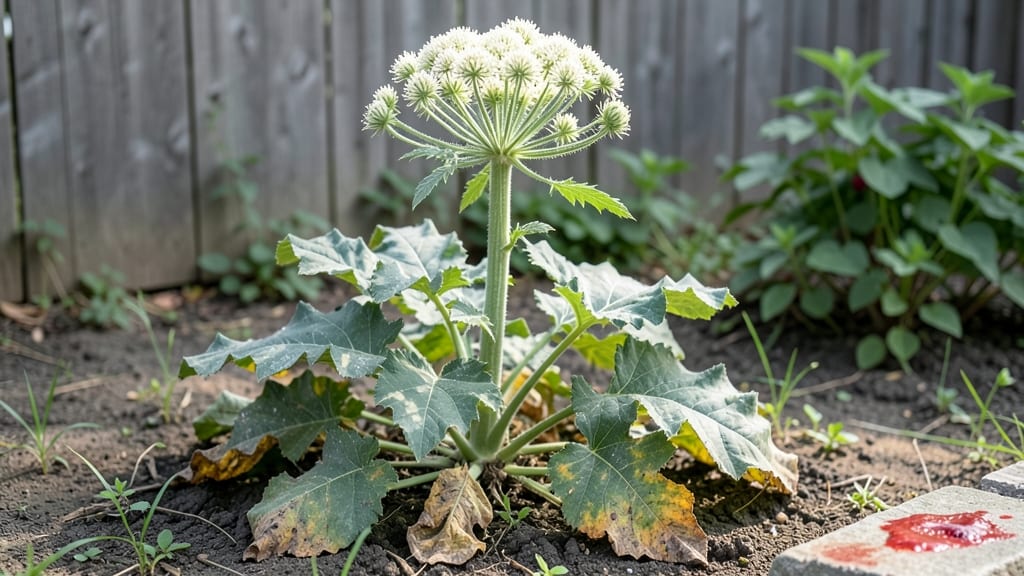
Hogweed plant burns happen when sap touches skin and triggers severe reactions—blisters, redness, and even long-term scarring. I’ve dealt with these burns firsthand after brushing against a patch while clearing overgrown land, and the pain was worse than I expected.
The sap contains phototoxic compounds that react with sunlight, so even a light touch can lead to problems within hours.
Most people confuse hogweed with harmless wild carrots or Queen Anne’s lace, but the difference is critical. Giant hogweed, its aggressive cousin, can cause burns that resemble third-degree burns.
The key is recognizing the thick stems, massive leaves, and white flower clusters—never assume it’s safe. If you suspect contact, act fast to minimize damage and protect your skin.
Once exposed, the first step is rinsing the area with cold water and covering it to prevent sunlight exposure. Avoid scratching, as that worsens irritation. I’ve found that applying aloe vera or a hydrocortisone cream reduces swelling, but severe cases may need medical attention.
The good news? Most reactions fade within a week if treated properly.
Prevention is easier than treatment—wear long sleeves, gloves, and closed-toe shoes when working near suspected hogweed. If you’re in an area with invasive species, report sightings to local authorities.
Hogweed spreads quickly, and controlling it protects both your skin and the ecosystem. Stay vigilant, and you’ll avoid these painful encounters entirely.
The Hidden Dangers Beneath
Hogweed’s infamous skin-burning effects don’t happen by accident—they’re the result of a potent chemical reaction triggered by sunlight. Understanding the why behind these burns is critical for staying safe around this invasive plant. Here’s a breakdown of the science and mechanics at play.
Hogweed (Heracleum mantegazzianum) contains furanocoumarins, a class of compounds that become dangerous when exposed to ultraviolet (UV) light. These chemicals are naturally produced by the plant as a defense mechanism, but they’re also what make contact with hogweed so risky.
- How it works: When furanocoumarins in hogweed sap touch your skin, they absorb UV rays (even on cloudy days). This triggers a photochemical reaction that damages skin cells, leading to severe burns, blisters, and long-term scarring.
- Why it’s sneaky: The burns don’t appear immediately—instead, they develop hours later, often after you’ve left the area. This delayed reaction can make it easy to underestimate the threat.
- Key culprit: The most potent furanocoumarin in hogweed is bergapten, which is up to 50 times more phototoxic than psoralens (compounds found in some other plants like celery).
💡 Pro Tip: Even broken stems or crushed leaves release sap, so never assume hogweed is safe if it’s wilted or damaged.
Not all plants cause phototoxic reactions, but hogweed’s biochemistry is uniquely aggressive. Here’s what sets it apart:
| Compound | Role in Burns | Concentration in Hogweed |
|---|---|---|
| Furanocoumarins (e.g., bergapten, xanthotoxin) | Absorb UV light → skin cell damage → inflammation | Highest in stems and leaves (up to 0.15% dry weight) |
| Polyacetylenes (e.g., falcarinol) | Irritant; causes immediate itching/swelling before phototoxicity kicks in | Moderate (varies by plant part) |
| Essential oils | Enhances sap’s stickiness, increasing skin contact time | Present in all parts |
Why it matters: The combination of these compounds makes hogweed’s sap sticky, persistent, and photochemically active. Unlike a simple allergic reaction, the damage is light-dependent, meaning UV exposure is non-negotiable for the burn to occur.
Hogweed didn’t develop phototoxic sap to harm humans—it’s a natural deterrent against herbivores. Here’s how evolution shaped its danger:
- Herbivore defense: Deer, rabbits, and insects avoid hogweed because its sap causes painful reactions when combined with sunlight. This gives the plant a survival advantage in its native habitats (Eurasia).
- Invasive advantage: Without natural predators in North America, hogweed spreads unchecked. Its phototoxicity makes it harder for ecosystems to control, as few animals will eat it.
- Human unintended consequence: While hogweed’s chemicals are effective against wildlife, they’re equally harmful to humans—often with worse outcomes due to our larger skin surface area.
🔥 Key Takeaway: Hogweed’s burns are a side effect of its survival strategy, not a targeted attack. But for humans, the results can be painful, disfiguring, and long-lasting.
Understanding these mechanisms is the first step in protecting your skin when working with or near hogweed. The next section will cover how to safely extract its beneficial compounds without triggering a reaction.
Quick fixes for skin after exposure
If you’ve come into contact with giant hogweed—or even its sap—and now have a painful, blistering reaction, act fast to minimize damage and discomfort. Hogweed burns can cause severe skin sensitivity, blisters, and long-term scarring, so knowing how to respond is critical.
Below are targeted solutions based on the cause of your reaction, along with prevention tips to avoid future incidents.
If exposure just happened, your first steps should focus on removing the sap and calming inflammation before it worsens.
- 🔥 Rinse with cold water – Use lukewarm or cold water (not hot) to wash the affected area for at least 15–20 minutes. This helps dilute the sap and reduce burning.
- 🧴 Apply a gentle cleanser – Use mild soap (like Dove Sensitive Skin or Cetaphil) to remove residual sap without irritating further.
- 🧊 Cool compress – Soak a clean cloth in cold water (or wrap ice in a towel) and press it against the burn for 5–10 minutes to ease pain and swelling.
- 💊 Over-the-counter pain relief – Take ibuprofen (Advil) or acetaminophen (Tylenol) if the burn is painful.
⚠️ Avoid:
- Rubbing the skin (spreads sap).
- Using alcohol, hydrogen peroxide, or harsh scrubs (can worsen irritation).
- Popping blisters (increases infection risk).
Once the initial reaction is under control, these natural treatments can help soothe and heal hogweed-induced skin damage.
| Remedy | How to Use | Why It Works |
|---|---|---|
| 🌿 Aloe vera gel | Apply a thin layer to clean, dry skin 2–3 times daily. | Reduces inflammation, cools skin, and promotes healing. |
| 🍯 Honey (raw, medical-grade) | Dab a small amount on blisters, cover with a bandage, and leave overnight. | Antibacterial and hydrating; speeds up wound closure. |
| 🍵 Chamomile tea compress | Steep 1 chamomile tea bag in cool water, let it cool, then apply to skin for 10 mins. | Anti-inflammatory and calming for irritated skin. |
| 🥑 Coconut oil (after blisters pop) | Apply a small amount to dry, healed skin to prevent scarring. | Moisturizes and reduces scar tissue formation. |
💡 Pro Tip: If blisters form, keep them covered with a non-stick bandage (like Tegaderm) to prevent infection. Change daily or if wet.
Some hogweed reactions require medical attention. Seek help if you experience:
- 🔴 Severe swelling or redness spreading quickly.
- 🩹 Large blisters or oozing wounds.
- 😵 Dizziness, nausea, or signs of an allergic reaction (hives, difficulty breathing).
- 🌙 Skin darkening or scarring after healing.
Doctors may prescribe steroid creams (like hydrocortisone) or oral antihistamines for extreme cases. In rare instances, photodermatitis (light sensitivity) from hogweed can last months—so follow up if symptoms persist.
The best way to "treat" hogweed burns? Never get them in the first place. Here’s how to stay safe:
- 👀 Learn to identify it – Hogweed has purple-spotted stems, large umbrella-shaped flowers, and jagged leaves. Download a guide or use an app like iNaturalist.
- 🧤 Wear protective gear – When hiking or gardening, use long sleeves, gloves, and pants. Avoid touching plants in wild areas or near water (hogweed thrives there).
- 🌞 Stay out of sunlight after exposure – Hogweed sap makes skin extremely sensitive to UV rays for up to 48 hours. Wear sunscreen (even indoors!) if you’ve been near it.
- 🚫 Don’t mow or burn it yourself – Hogweed sap can spread through airborne particles. Call local authorities or use professional removal services.
- 🐕 Keep pets away – Hogweed affects animals too! Keep dogs from sniffing or rubbing against it.
💡 Pro Tip: If you suspect hogweed on your property, spray it with vinegar (5% acetic acid) or a commercial herbicide labeled for invasive species. Reapply as needed—it’s persistent!
Hogweed burns may sound scary, but with the right actions, you can minimize damage and recover safely. Stay vigilant, act fast, and prioritize prevention to keep your skin hogweed-free!
Frequently asked questions
What should I do immediately after touching hogweed?
Rinse the affected area with cold water for at least 15 minutes to dilute the sap. Avoid hot water, which can worsen irritation. Then, gently cleanse with mild soap and apply a cool compress to reduce swelling. Stay out of sunlight for 48 hours to prevent phototoxic reactions.
How long does it take for hogweed burns to appear?
Symptoms typically develop within 24-48 hours after exposure, especially when combined with UV light. Initial signs include redness, itching, and swelling, followed by blisters that resemble severe sunburns. The delayed reaction makes hogweed particularly dangerous because people often don’t connect it to recent plant contact.
Can hogweed burns leave permanent scars?
Yes, severe hogweed burns can cause long-term scarring, especially if blisters rupture or infections occur. To minimize scarring, keep wounds clean, apply coconut oil after healing begins, and avoid picking at scabs. For deep burns, consult a dermatologist for steroid treatments or silicone gel sheets.
How can I tell if a plant is hogweed?
Look for purple-spotted stems, jagged leaves (3-5 feet tall), and large umbrella-shaped flower clusters. Unlike Queen Anne’s lace (wild carrot), hogweed has no red centers in its flowers. When in doubt, avoid touching it—hogweed’s sap is dangerous even when the plant appears wilted.
Is there a difference between regular hogweed and giant hogweed?
Giant hogweed (Heracleum mantegazzianum) is the most dangerous variety, with stems up to 14 feet tall and sap containing 50x more phototoxic compounds than regular hogweed. While both cause burns, giant hogweed’s reactions are far more severe and can mimic third-degree burns. Always treat unknown plants as potentially hazardous.