
Diseases
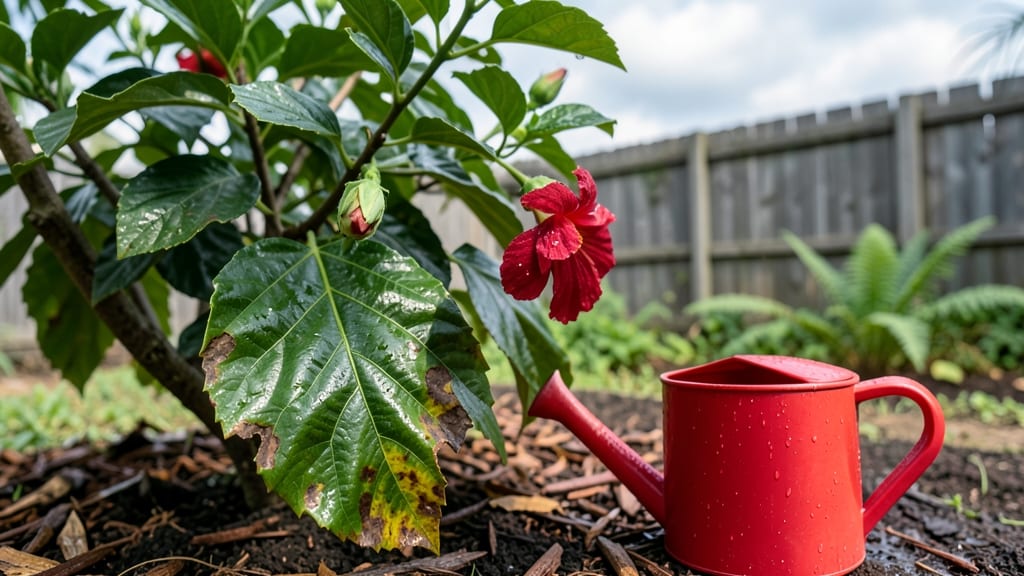
Hibiscus plant diseases can turn vibrant blooms into sad, spotted leaves overnight—if you don’t catch them early. 🌿 I’ve battled fungal infections on my hardy hibiscus bushes, and the key is spotting the warning signs before they spread.
Yellowing leaves, black spots, or powdery white coatings? Those are your plant’s SOS signals.
Most fungal threats—like anthracnose or powdery mildew—love warm, humid conditions, which is why hibiscus (especially tropical varieties) are prime targets. The good news? Organic sprays with neem oil or copper fungicide can stop the spread, and proper spacing improves airflow to prevent future outbreaks. I’ve saved multiple plants this way.
You’ll learn to recognize the most common fungal diseases by their symptoms and how to treat them without harsh chemicals. Once you spot the early signs, pruning infected leaves and adjusting watering habits can restore your hibiscus to full, healthy bloom in weeks.
Let’s get your plants back to their showstopping best.
This works for both hardy and tropical hibiscus, whether you’re dealing with a single bush or a full garden bed. The right approach depends on your climate and plant type—but the principles stay the same. Ready to diagnose and cure?
Root Causes Behind Hibiscus Struggles
Hibiscus plants, with their vibrant blooms and lush foliage, can quickly become a gardener’s pride—or a frustrating mystery when diseases strike. Understanding why these issues arise is the first step to prevention and treatment.
Below, we break down the science behind the most common culprits, from environmental factors to biological invaders.
🌡️ Overwatering and Poor Drainage
Hibiscus plants thrive in well-draining soil, but when they’re drowned in excess moisture, their roots suffocate. This creates the perfect breeding ground for fungal diseases like root rot (often caused by Phytophthora or Pythium) and stem rot. Here’s how it happens:
- Waterlogged roots: Hibiscus roots need oxygen to respire. When soil stays soggy for days, roots asphyxiate, weakening the plant’s defenses. Phytophthora fungi, which thrive in wet conditions, then invade through root wounds or natural openings.
- Fungal spores: Water droplets on leaves or stems can splash spores from contaminated soil onto healthy tissue. Once established, these fungi block nutrient uptake, causing yellowing leaves, wilting, and eventual collapse.
- pH imbalance: Overwatering leaches nutrients and raises soil acidity, further stressing the plant. Hibiscus prefers a slightly acidic to neutral pH (6.1–6.5)—any lower, and fungal growth accelerates.
💡 Pro Tip: Test your soil’s drainage by digging a hole, filling it with water, and timing how long it takes to drain. If it takes more than 30 minutes, amend with perlite or sand. Never let hibiscus sit in saucers of standing water!
🍄 Fungal Spores in the Air or Soil
Fungal diseases like anthracnose (Colletotrichum) and rust (Puccinia) spread via airborne spores or contaminated tools/soil. These pathogens don’t just appear—they hitchhike on wind, water, or even your pruners. Here’s the science:
- Spores love humidity: Fungal spores germinate when relative humidity exceeds 75–90% for prolonged periods. Hibiscus leaves act like sponges, trapping moisture and creating ideal conditions for infection. Anthracnose, for example, thrives in tropical, rainy climates and enters through stomata (leaf pores) or wounds.
- Overcrowding spreads spores: Poor air circulation in dense plantings allows spores to linger near leaves. Rust fungi, which produce orange pustules, often spread when infected leaves brush against healthy ones.
- Old or damaged leaves: Senescent (aging) leaves have weakened cell walls, making them prime targets. Prune regularly to remove yellow or spotted foliage—don’t compost it!—and sterilize tools with 70% isopropyl alcohol between cuts.
✨ Prevention Hack: Space hibiscus plants 3–4 feet apart to improve airflow. In humid climates, water early in the day so foliage dries quickly, reducing spore germination.
🌡️ Temperature and Stress Factors
Hibiscus are tropical plants, but extreme heat or cold shocks their immune system, making them vulnerable to disease. Here’s how temperature swings play a role:
- Heat stress: Temperatures above 90°F (32°C) for weeks can scorch leaves, creating entry points for fungi. Heat also increases transpiration (water loss), dehydrating the plant and reducing its ability to fight off pathogens.
- Cold damage: Hibiscus cannot tolerate frost. Even chilly nights below 50°F (10°C) slow down metabolic processes, weakening the plant. Cold-stressed hibiscus are more susceptible to bacterial leaf spot (Xanthomonas) and fungal infections.
- Sudden changes: Rapid temperature fluctuations (e.g., daytime heat followed by nighttime chill) cause physiological stress, mimicking symptoms of disease. For example, edema (water-soaked spots on leaves) occurs when roots absorb water faster than leaves can transpire—often due to cool nights and warm days.
🌡️ Climate Control Tip: In hot climates, provide afternoon shade (use shade cloth, not solid barriers). In cooler areas, mulch with straw or wood chips to insulate roots and maintain even soil temps.
🐛 Pests Weakening the Plant
Pests like aphids, whiteflies, and scale insects don’t just sap sap—they damage plant tissue and excrete honeydew, a sticky residue that fosters sooty mold (Capnodium). Here’s the connection:
- Physical damage: Insects pierce leaves and stems, creating wounds where fungi or bacteria can enter. For instance, aphids transmit viral diseases while feeding, further compromising the plant.
- Honeydew and sooty mold: The sugary honeydew excreted by pests feeds sooty mold fungi, which coats leaves in black, velvety growth. This blocks sunlight, reducing photosynthesis and stressing the hibiscus.
- Nutrient depletion: Heavy infestations starve the plant of nutrients, leaving it malnourished and defenseless. Weak hibiscus are 3x more likely to succumb to fungal infections.
🔥 Pest Prevention: Introduce beneficial insects like ladybugs or lacewings. For severe infestations, use neem oil (mix 1 tbsp per quart of water) or insecticidal soap—apply in the evening to avoid harming pollinators.
🌱 Nutrient Deficiencies or Excesses
Hibiscus are heavy feeders, but imbalances in nutrients can trigger disease-like symptoms or weaken their resistance. Here’s the breakdown:
- Nitrogen deficiency: Leads to yellowing leaves (chlorosis), mimicking fungal infections. The plant diverts energy to new growth, leaving it vulnerable to pathogens.
- Magnesium or iron deficiency: Causes interveinal chlorosis (yellowing between veins), weakening cell walls and making leaves susceptible to anthracnose.
- Over-fertilization: Excess salts from synthetic fertilizers burn roots, reducing water uptake. This stress makes hibiscus more prone to root rot and bacterial wilts.
📊 Soil Test Tip: Use a home soil test kit to check pH and nutrient levels. Hibiscus prefer balanced fertilizer (10-10-10 or 20-20-20) applied every 4–6 weeks during growing season. Never fertilize in winter—it encourages tender new growth that’s prone to frost damage.
Quick Fixes For Common Hibiscus Ailments
Now that you’ve identified the trouble, let’s roll up our sleeves and get your hibiscus back to its vibrant best! Below are practical, step-by-step solutions tailored to each disease, plus prevention tips to keep future problems at bay.
Think of this as your hibiscus’s emergency first aid kit—no fancy tools required, just elbow grease and a little know-how.
Fungal foes thrive in damp, shady conditions, but they’re no match for a few targeted moves.
🔥 Remove Infected Foliage Immediately
- Snip and toss: Use sterilized pruners (wipe with rubbing alcohol) to cut off yellowing, spotted, or crusty leaves—don’t compost them! Fungi spread like gossip, and you don’t want them partying in your yard waste.
- Disinfect tools: After each cut, clean your pruners with a 1:10 bleach-water mix (or 70% isopropyl alcohol) to prevent cross-contamination.
🌡️ Boost Airflow & Light
Fungi love humidity and darkness. Break their party by:
- Thinning out branches to improve airflow (aim for 30–50% more space between leaves).
- Relocating your hibiscus to a spot with at least 6 hours of sunlight daily (morning sun is ideal—it dries dew faster).
- Avoid overhead watering: Water at the base (not the leaves) in the early morning so foliage dries by nightfall.
💡 Fungicide Rescue (If Needed)
For stubborn cases (like anthracnose), grab a copper-based fungicide (e.g., Bonide Copper Fungicide) or a neem oil spray (1 tsp neem oil + 1 quart water + a drop of dish soap as an emulsifier). Spray every 7–10 days until new growth appears.
✨ Prevention Pro Tips
- Space plants 3–4 feet apart to reduce humidity pockets.
- Mulch lightly (1–2 inches) with pine bark or gravel (not organic mulch, which holds moisture).
- Water deeply but infrequently—drought-stressed plants are less fungal magnets.
Tiny invaders suck the life out of your hibiscus, but they’re easy to evict with the right tactics.
👨🍳 Blast Them Off (Manual Removal)
- Hose ‘em down: Spray leaves with a strong stream of water (aphids and whiteflies hate this). Do this every 2–3 days until they’re gone.
- Sticky traps: Hang yellow sticky traps near the plant to catch flying pests like whiteflies.
🔪 Soap & Oil Spray (Natural Pesticide)
Mix 1 tbsp mild liquid soap (like Castile) + 1 tbsp vegetable oil + 1 quart water. Spray directly on pests (avoid flowers) every 5–7 days until they’re defeated. Test on a small leaf first—some hibiscus varieties are sensitive.
🌿 Introduce Beneficial Bugs
Ladybugs, lacewings, and parasitic wasps love munching on aphids and mites. Buy them online or attract them by planting marigolds, dill, or fennel nearby.
🎯 Prevention Checklist
- Inspect new plants before bringing them home (quarantine for a week if possible).
- Avoid over-fertilizing—soft, tender growth attracts pests.
- Prune regularly to remove hiding spots for bugs.
These are the worst-case scenarios—once they strike, prevention is your best defense. If you spot them, act fast.
🚨 Quarantine & Destroy Infected Plants
- Remove and bag the entire plant (or severely infected parts) immediately.
Do not compost—burn or trash it to stop spread. - Disinfect everything: Pots, tools, and soil should be sterilized with bleach (1 part bleach to 9 parts water) or baked at 200°F for 30 minutes.
🌱 Prevent Future Outbreaks
- Buy disease-resistant varieties (e.g., ‘Dwarf Green’ or ‘Lady Baltimore’ hibiscus).
- Rotate crops if growing hibiscus in containers—don’t replant in the same soil for at least 2 years.
- Sterilize tools between uses (even when pruning healthy plants).
No matter the issue, these universal care tweaks will strengthen your plant’s defenses:
| Problem | Solution |
|---|---|
| Weak growth | Feed with balanced fertilizer (10-10-10) every 4–6 weeks in growing season. |
| Yellow leaves | Check for overwatering—let soil dry 1–2 inches deep between waterings. |
| Dropping buds | Too much nitrogen—switch to a low-nitrogen, high-phosphorus fertilizer. |
| Stunted growth | Ensure full sun (6+ hours/day) and well-draining soil. |
Final Pep Talk: 🌟 Hibiscus plants are tough survivors—with the right care, they’ll bounce back faster than you think. Act fast at the first sign of trouble, and soon you’ll be back to admiring those showstopping blooms like nothing ever happened.
Now grab those shears and let’s save your green diva!
Frequently asked questions
What are the most common signs of fungal infections on hibiscus leaves?
Look for dark brown or black spots with yellow halos (anthracnose), powdery white coatings (mildew), or orange pustules (rust). Wilting, leaf drop, and stunted growth often follow. These symptoms appear most on older leaves first, especially in humid conditions.
Can I save my hibiscus if it already has severe fungal spots?
Yes, but act fast! Prune all infected leaves with sterilized tools, then apply a copper fungicide or neem oil spray every 7-10 days. Improve airflow by spacing plants 3-4 feet apart and watering at the base in the morning. Severe cases may need multiple treatments.
Why does my hibiscus get diseases even with proper care?
Fungal spores are always present in soil and air—stress triggers outbreaks. Check for hidden issues like overwatering (root rot), poor drainage, or nutrient deficiencies. Even hardy varieties need 6+ hours of sunlight daily and well-draining soil to resist infections.
Is there a difference in disease resistance between tropical and hardy hibiscus?
Tropical hibiscus are more susceptible to fungal diseases due to their love of warmth and humidity, while hardy varieties (like 'Dwarf Green') have better natural resistance. However, both need proper airflow and sunlight. Choose disease-resistant varieties if your climate is particularly damp.
How often should I inspect my hibiscus for early disease signs?
Check leaves weekly during growing season, focusing on undersides where spores hide. After rain or high humidity, inspect every 3-4 days. Early detection lets you treat small spots before they spread—preventing full-blown infections that can kill your plant.