Diseases
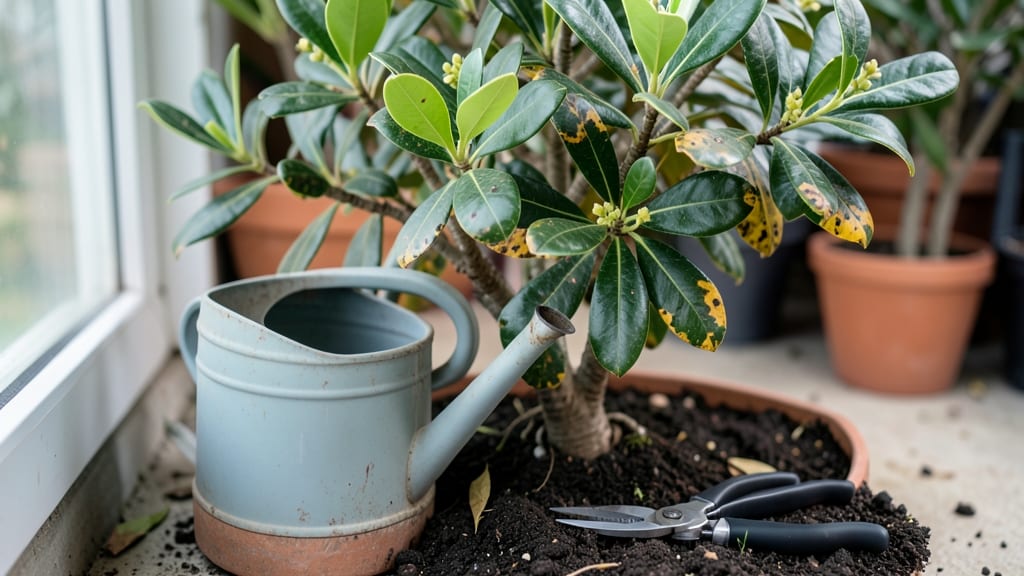
Laurel plant diseases strike fast when you least expect them—yellowing leaves, black spots, or sudden wilting can turn your glossy evergreen into a sad shadow in just weeks. 🌿 I’ve seen healthy laurel bushes go from vibrant to struggling overnight, and the key to saving them is catching problems early before they spread.
The worst offenders? Fungal infections like powdery mildew, bacterial blights, and pests that chew through leaves like they’re all-you-can-eat buffets.
Most issues start with poor airflow, overwatering, or ignoring those first weird brown spots. I learned the hard way when my bay laurel’s leaves turned crispy—turns out, it was a combination of root rot from soggy soil and spider mites hitching a ride from nearby plants.
The good news? Once you know what to look for, fixing these problems is faster than you’d think—often just a matter of pruning, adjusting water, or a quick spray.
You’ll spot the difference in just days after treatment: leaves stop yellowing, new growth stays firm, and those pesky pests vanish. For example, a simple neem oil spray can clear up fungal spots in under a week, while proper pruning opens up the plant so air circulates better.
The goal isn’t just to fix the problem—it’s to make your laurel so healthy it fights off future attacks on its own.
Whether you’re dealing with ornamental laurels in your yard or culinary bay leaves in your kitchen garden, the same rules apply.
Early action is your best tool—so grab your pruners, check the undersides of those leaves, and let’s get your laurel back to its glossy, thriving self before summer heat makes things worse.
Root Causes of Laurel Health Woes
Understanding why your laurel plant succumbs to diseases is the first step toward prevention and treatment. These issues rarely arise in isolation—they’re usually a chain reaction triggered by environmental stress, poor care habits, or hidden invaders.
Let’s break down the key culprits behind laurel plant diseases, so you can address them before they spiral out of control.
Laurel plants thrive in specific conditions, and when these are disrupted, their defenses weaken, making them vulnerable to pathogens.
- Excess Moisture & Stagnant Soil Laurel roots need well-draining soil—when water pools around the roots, it creates the perfect breeding ground for fungal infections like root rot (Phytophthora spp.) and powdery mildew. Overhead watering (especially in humid climates) can also splash fungal spores onto leaves, accelerating spread.
- Why it happens: Fungal spores thrive in wet, oxygen-deprived soil.
If your laurel sits in soggy ground for more than 24 hours, roots suffocate, and pathogens move in. - Actionable fix: Ensure pots have drainage holes, and avoid watering until the top 1–2 inches of soil are dry.
Mulch (but keep it 2–3 inches away from the stem) to regulate moisture.
- Extreme Temperature Fluctuations Laurels prefer moderate climates (USDA Zones 7–10). Sudden cold snaps or heatwaves stress the plant, weakening its cuticle barrier—the plant’s first line of defense against bacteria and fungi.
- Why it happens: Cold stress can cause cellular damage, making leaves prone to bacterial leaf spot (Xanthomonas spp.), while heat stress reduces photosynthesis, starving the plant of energy to fight infections. - Actionable fix: Acclimate laurels gradually to temperature changes.
In winter, use burlap wraps to protect young plants from frost. In summer, provide afternoon shade in hot zones.
- Low Light & Crowded Growth Laurels need bright, indirect light to stay healthy. When deprived, they grow weak stems and thin leaves, making them easy targets for pests (like spider mites) and secondary infections.
- Why it happens: Shade-loving competitors (e.g., ivy or overgrown shrubs) steal nutrients, while poor light reduces chlorophyll production, weakening the plant’s immune response.
- Actionable fix: Prune nearby plants to allow 6+ hours of sunlight daily. If indoors, place laurels near south-facing windows or use grow lights.
Diseases don’t just appear—they hitch a ride on tools, wind, or even your hands. Laurels are especially susceptible when their natural defenses are compromised.
- Contaminated Pruning Tools Fungal spores like Botrytis (gray mold) and bacterial cells can linger on dull or dirty pruners, infecting fresh cuts. Even a small wound becomes an open door for pathogens.
- Why it happens: Pruning creates open wounds, and if tools aren’t sterilized, bacteria/fungi enter the plant’s vascular system, causing cankers or dieback. - Actionable fix: Always sterilize tools with 70% isopropyl alcohol or a 10% bleach solution between cuts.
Make cuts at a 45-degree angle (above a bud or branch collar) to promote faster healing.
- Pest-Damaged Leaves Insects like scale, aphids, or spider mites don’t just sap nutrients—they also excrete honeydew, a sticky residue that attracts sooty mold (Capnodium spp.), a fungal disease that coats leaves in black grime.
- Why it happens: Honeydew provides a food source for mold spores, while pest saliva introduces bacteria (e.g., Pseudomonas) that cause leaf spots. - Actionable fix: Treat infestations early with neem oil or insecticidal soap.
Wipe honeydew off leaves with a damp cloth to prevent mold growth.
- Wound Infections from Physical Damage Hail, strong winds, or even animal scratches can tear laurel leaves and bark, exposing the plant to opportunistic pathogens.
- Why it happens: Damaged tissue lacks the protective cuticle, allowing water and spores to seep in, leading to bacterial blight or anthracnose.
- Actionable fix: Apply pruning sealant (like Tanglefoot Tree Wound Pruning Sealer) to large wounds. For minor damage, trim affected areas with sterilized tools.
Laurels need balanced nutrition, but too much (or too little) of certain elements can leave them defenseless.
- Nitrogen Overload While nitrogen promotes leafy growth, excessive amounts (from over-fertilizing) make laurels soft and susceptible to fungal infections like rust (Puccinia spp.).
- Why it happens: High nitrogen weakens cell wall integrity, making leaves more prone to physical damage and pathogen entry.
- Actionable fix: Use a balanced fertilizer (e.g., 10-10-10) in spring and early summer. Avoid slow-release nitrogen spikes in fall/winter.
- Potassium & Calcium Deficits Potassium strengthens cell membranes, while calcium helps form pectin (a structural component of plant tissues). Without enough of these, laurels develop weak spots where diseases take hold.
- Why it happens: Poor soil drainage or acidic pH (below 6.0) locks out calcium, leading to blossom end rot (in some species) or leaf curl from fungal invasion. - Actionable fix: Test soil pH and amend with lime (to raise pH) or wood ash if needed.
Use a potassium-rich fertilizer (like greensand) in late summer.
- Iron Chlorosis Yellowing between leaf veins (a sign of iron deficiency) often occurs in alkaline soils (pH > 7.0), where iron becomes unavailable. This stress makes laurels more vulnerable to fungal leaf spots.
- Why it happens: Iron is essential for chlorophyll production; without it, leaves can’t photosynthesize efficiently, reducing the plant’s ability to fight infections.
- Actionable fix: Apply chelated iron (e.g., Iron Chelate 6%) in early spring. For container plants, use acidic potting mix (pH 5.5–6.5).
Sometimes, the simplest mistakes turn into full-blown disease outbreaks. Laurels are low-maintenance, but neglect in these areas invites trouble.
- Ignoring Leaf Debris Fallen leaves, especially those with spots or lesions, harbor fungal spores that reinfect the plant. Wet debris also traps moisture, creating a disease hotspot.
- Why it happens: Pathogens like Alternaria (a common leaf spot cause) overwinter in dead leaves, ready to infect new growth in spring.
- Actionable fix: Rake and remove fallen leaves weekly during wet seasons. Compost only disease-free debris.
- Overhead Watering Watering from above splashes spores from soil or mulch onto leaves, spreading diseases like powdery mildew (Erysiphe spp.).
- Why it happens: Fungal spores are lightweight and airborne; a single overhead spray can distribute them across the entire plant. - Actionable fix: Use drip irrigation or soaker hoses to water at the base.
If overhead watering is unavoidable, do it early in the day so leaves dry quickly.
- Delayed Pruning of Infected Branches Leaving diseased branches on the plant allows pathogens to spread via sap flow or windborne spores. Some infections (like laurel wilt, caused by the Raffaelea lauricola fungus) are fatal if not caught early.
- Why it happens: Fungi like Raffaelea spread through sap-feeding beetles; pruning infected wood removes the food source for both the beetles and the fungus. - Actionable fix: Prune infected branches immediately (sterilize tools between cuts!).
Dispose of infected wood in the trash (not compost)—do not burn, as spores can survive smoke.
Pro Tip: 💡 **Keep a plant journal!
Quick Fixes for Laurel Plant Troubles
Reviving a struggling laurel plant starts with identifying the root cause—but once you’ve pinpointed the issue, action is key! Below are practical, step-by-step solutions for common laurel plant diseases, pests, and environmental stressors, along with prevention tips to keep your plant thriving long-term.
Fungal infections like powdery mildew, leaf spot, or root rot thrive in damp, poorly ventilated conditions. Act fast to prevent permanent damage.
🔥 Treat Powdery Mildew Symptoms: White, powdery patches on leaves (especially undersides). Fix: 1. Prune infected leaves 🔪—remove and dispose of them in a sealed trash bag (don’t compost!).
- Apply a fungicide 💊—use a neem oil solution (1 tsp neem oil + 1 quart water + a drop of dish soap) or a store-bought fungicide (like copper-based sprays).
- Improve airflow 🌬️—space plants 3–4 feet apart and trim dense foliage.
- Water at the base 💧—avoid overhead watering to keep leaves dry.
💡 Prevention Tip: Spray leaves with baking soda solution (1 tsp baking soda + 1 quart water) every 2 weeks during humid months.
🍳 Fix Leaf Spot (Brown/Black Spots) Symptoms: Dark, greasy spots with yellow halos; leaves may drop. Fix: 1. Remove infected leaves 🧹—sterilize pruners with rubbing alcohol between cuts. 2. Clean the plant 🚿—wipe leaves with a 1:10 bleach-water solution (rinse thoroughly).
- Apply fungicide 🛡️—rotate between copper fungicide and organic options like potassium bicarbonate.
- Adjust watering 💧—water early in the day so foliage dries quickly.
🌡️ Prevention Tip: Space plants properly and avoid overhead irrigation—drip systems work best.
👨🍳 Save Root Rot Victims Symptoms: Yellowing leaves, mushy stems, foul-smelling soil. Fix: 1. Stop watering immediately ⏰—let soil dry out completely. 2. Repot the plant 🌱—remove it from the pot, trim blackened roots (use sterilized shears), and repot in fresh, well-draining soil (add perlite or sand).
- Adjust care 🌧️—water only when the top 2 inches of soil are dry, and ensure pots have drainage holes.
- Boost drainage 🏗️—raise pots off the ground or use saucers with gravel.
✨ Prevention Tip: Use terracotta pots (they wick away moisture) and mulch lightly to retain soil moisture without suffocating roots.
Laurels attract aphids, spider mites, scale, and mealybugs—here’s how to evict them.
🔪 Eliminate Aphids & Mealybugs Symptoms: Sticky residue (honeydew), white cottony clusters, curled leaves. Fix: 1. Blast them off 💦—spray with strong water jet (aphids hate this!). 2. Soap spray 🧼—mix 1 tbsp insecticidal soap + 1 quart water, spray undersides of leaves.
- Introduce predators 🐞—ladybugs and lacewings eat aphids naturally.
- Repeat every 3–5 days ⏳—pests multiply fast!
🎯 Prevention Tip: Neem oil spray (monthly) deters pests before they settle in.
🕷️ Stop Spider Mites Symptoms: Tiny webs, yellow stippling on leaves, dry/brittle foliage. Fix: 1. Wipe leaves 🧻—dampen a cloth with rubbing alcohol (50% water) and gently clean infested areas. 2. Spray miticide 🛡️—use neem oil or horticultural oil (follow label instructions).
- Increase humidity 🌧️—mites thrive in dry air; use a pebble tray under the pot.
- Isolate the plant 🏝️—prevent mites from spreading to other plants.
💡 Prevention Tip: Mist leaves regularly—mites despise moisture!
Sometimes, the issue isn’t a disease but poor growing conditions.
🍂 Fix Yellowing Leaves (Nutrient Deficiency) Causes: Over/under-watering, poor soil, or lack of nutrients. Fix: 1. Test soil pH 📊—laurels prefer slightly acidic soil (pH 6.0–7.0). Adjust with lime (to raise pH) or sulfur (to lower pH).
- Fertilize properly 🌱—use a balanced fertilizer (10-10-10) in spring/summer; avoid over-fertilizing.
- Check watering 💧—yellowing from overwatering = mushy roots; from underwatering = crispy edges.
- Prune dead leaves ✂️—focus on new growth for recovery.
🌿 Prevention Tip: Mulch with compost (2–3 inches) to retain moisture and nutrients.
🍂 Revive Drooping Laurels (Underwatering or Shock) Symptoms: Wilting, dry soil, leaf drop. Fix: 1. Water deeply 💦—soak the soil until water drains from the bottom. 2. Check roots 🌱—if roots are dry and brittle, soak the pot in water for 10–15 minutes.
- Trim damaged leaves ✂️—focus on new growth to redirect energy.
- Move to indirect light 🌞—if burned, shift to bright, filtered light.
⏰ Prevention Tip: Water when the top inch of soil is dry—stick your finger in to test!
Keep your laurel healthy with these proactive steps:
- ✅ Prune regularly—remove dead/diseased branches to improve airflow.
- ✅ Sterilize tools—clean pruners with rubbing alcohol between cuts.
- ✅ Rotate plants—expose all sides to sunlight for even growth.
- ✅ Monitor pests weekly—catch infestations early!
- ✅ Test soil annually—adjust pH and nutrients as needed.
Remember: The key to treating laurel plant diseases is speed and consistency. Act at the first sign of trouble, and your plant will bounce back stronger! 🌿💪
Frequently asked questions
What are the most common signs my laurel plant has a disease?
Watch for yellowing leaves, black/brown spots, or powdery white residue on foliage—these signal fungal/bacterial infections. Wilting, leaf drop, or sticky honeydew (from pests) are red flags too. Check undersides of leaves first, as many issues start there.
Can I save my laurel if it's already showing severe disease symptoms?
It depends! For fungal infections, prune affected areas immediately and apply fungicide (neem oil works well). If roots are rotting, repot in fresh soil and reduce watering. However, laurel wilt (from beetle-spread fungus) is often fatal—remove infected plants to prevent spread.
How often should I inspect my laurel for early disease signs?
Check your laurel weekly during growing seasons (spring-fall), focusing on new growth and leaf undersides. In humid climates, increase inspections to every 3-4 days. Early detection lets you treat problems before they spread.
Are there organic treatments for laurel plant diseases?
Yes! For fungal issues, try neem oil spray (1 tsp per quart of water) or baking soda solution (1 tsp baking soda + quart of water). For pests, insecticidal soap or horticultural oil work well. Always test sprays on a small leaf area first.
Why do some laurel leaves turn brown at the edges?
This usually indicates underwatering or high salt buildup from tap water. Check soil moisture—laurels prefer slightly dry conditions between waterings. If using tap water, let it sit out 24 hours first to reduce chlorine/salt content.