
Pests
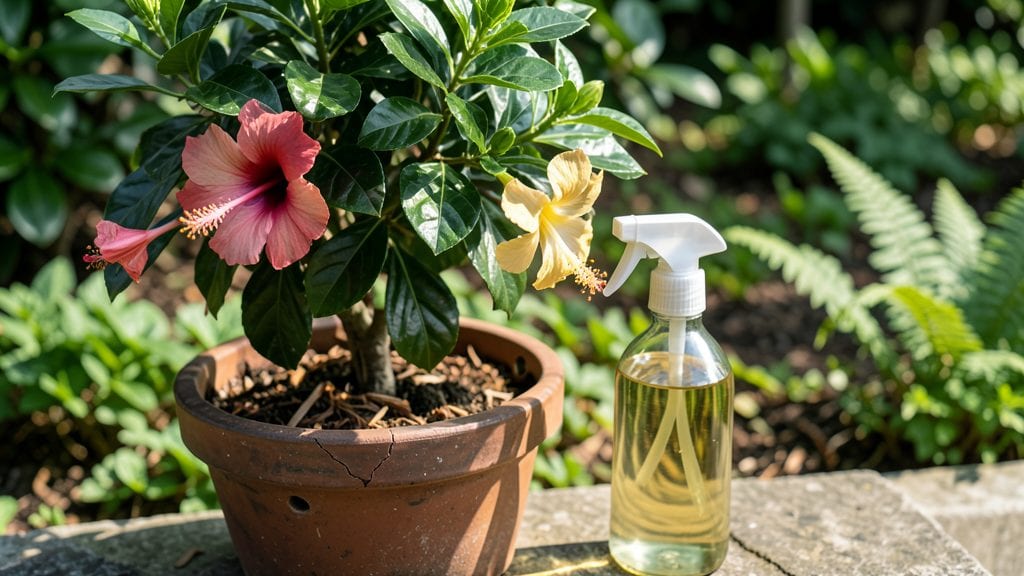
The hibiscus plant pest control you need begins with spotting the enemy—those tiny invaders that turn vibrant blooms into skeleton leaves overnight. 🌿 I’ve battled aphids, spider mites, and scale insects on my own hibiscus, and the key is acting fast with the right spray for each pest.
The damage isn’t just cosmetic; it weakens the plant, so ignoring those sticky leaves or webbing means fewer flowers next season.
Most problems begin with weak plants—overcrowded branches, poor drainage, or nutrient deficiencies make hibiscus easy targets. I learned the hard way when my prized red hibiscus lost half its blooms to whiteflies because I’d skipped pruning.
The fix? A targeted spray (neem oil for soft-bodied pests, insecticidal soap for mites) applied when you first spot the damage—before it spreads to the rest of the plant.
Within 3-5 days, you’ll see the pests retreat if you hit them at the right stage. The leaves go from speckled to glossy, and new buds form faster than before.
The secret isn’t just the spray—it’s the follow-up: pruning damaged growth, watering at the base (not the leaves), and adding mulch to deter future infestations.
This works for both tropical and hardy hibiscus, whether you’re growing them in pots or in-ground. The same principles apply whether you’re dealing with a single plant or a full border—just scale up the spray. Let’s get those pests off your hibiscus for good.
Root Causes Of Hibiscus Pests
Understanding why pests target your hibiscus starts with recognizing the plant’s natural appeal—and the factors that make it a prime buffet for unwanted visitors. Hibiscus thrives in warm, humid climates, which also happens to be ideal for many pests.
Below, we break down the key triggers that turn your lush hibiscus into a pest magnet, along with the science behind why they strike.
Pests love weak plants—like vultures circling a wounded animal. When hibiscus grows in crowded spaces or faces environmental stress, its defenses weaken, making it an easy target.
- Root competition 🌱: Overcrowded roots (from nearby plants or dense mulch) starve your hibiscus of nutrients, weakening its stems and leaves.
Weak foliage attracts aphids, spider mites, and whiteflies, which feast on sap-rich, stressed tissue. - Water stress 💧: Both overwatering (leading to root rot) and underwatering (causing drought stress) create ideal conditions for pests.
Fungal issues from soggy soil attract mealybugs, while dry, crispy leaves invite scale insects. - Nutrient deficiencies 🌿: A lack of nitrogen, phosphorus, or potassium stunts growth, making hibiscus more vulnerable. Thrips and leaf miners exploit tender, undernourished leaves as their personal salad bar.
Pro Tip: 💡 Space hibiscus 3–4 feet apart and use well-draining soil to reduce stress. A balanced 10-10-10 fertilizer (applied every 6–8 weeks) keeps pests at bay by maintaining robust health.
Pests thrive in clutter—think of it as their version of a five-star hotel. Hibiscus plants left with fallen leaves, spent blooms, or mulch piles create hiding spots and breeding grounds for pests.
- Organic debris 🍂: Decaying leaves and flower debris trap fungus gnats and slugs, while thick mulch layers attract earwigs and snails. These pests then migrate to your hibiscus, weakening it further. - Stagnant water 💦: Pests like whiteflies and aphids love humidity.
If your hibiscus pot sits in a saucer with standing water or if the soil stays perpetually damp, you’re basically inviting them to move in. - Weeds and grass 🌱: Overgrown weeds near hibiscus provide shelter for caterpillars and beetles, which may later munch on your plant’s leaves or flowers.
Pro Tip: ✨ Clean up regularly—remove fallen leaves, trim dead blooms, and avoid thick mulch piles. Elevate pots to prevent waterlogging, and prune hibiscus to improve airflow.
Hibiscus pests often strike when the soil chemistry or water quality is off. Even subtle imbalances can signal distress to pests, who are quick to exploit the situation.
- High salinity 🧂: Over-fertilization or hard water (high in minerals) increases soil salinity, burning roots and stressing the plant. Scale insects and mealybugs are drawn to this weakened state. - pH imbalances 📉: Hibiscus prefers slightly acidic soil (6.1–6.5 pH).
If the pH drifts too high (alkaline) or too low (acidic), nutrient uptake suffers, making the plant susceptible to root-knot nematodes and spider mites. - Chlorine or fluoride in water 💧: Tap water with high chlorine or fluoride can damage foliage, creating entry points for pests like thrips and leafhoppers.
Pro Tip: 🌡️ Test your soil’s pH and amend it with sulfur (to lower pH) or lime (to raise it). Use rainwater or filtered water for potted hibiscus to avoid chemical buildup.
Pests don’t attack randomly—they follow seasonal patterns and weather shifts that create perfect conditions for infestations.
- Warm, humid summers ☀️: Heat and high humidity accelerate aphid, whitefly, and spider mite reproduction. These pests thrive in temperatures above 80°F (27°C), making summer the peak risk period. - Dry, windy conditions 🌬️: Drought-stressed hibiscus becomes brittle, attracting leaf miners and beetles.
Wind can also spread pest eggs from infected plants to yours. - Sudden temperature drops ❄️: Cold snaps weaken hibiscus, making it vulnerable to fungal pests like mites and insects seeking shelter in its branches.
Pro Tip: 🎯 Monitor weather forecasts and adjust care—mulch in summer to retain moisture and cover plants before cold snaps to prevent shock.
Hibiscus isn’t just a pretty face—it’s a nutrient powerhouse that pests can’t resist. Certain traits make it a magnet for specific pests:
- Sap-rich leaves 🍃: Aphids and whiteflies love the sweet sap of hibiscus, which they suck dry, leaving behind sticky honeydew (a secondary issue that attracts ants and mold).
- Soft, fuzzy new growth 🧶: Spider mites adore tender, hairy leaves—ideal for laying eggs and spinning webs.
- Bright, fragrant flowers 🌸: Beetles and caterpillars are drawn to hibiscus blooms, often chewing petals or boring into buds to lay eggs.
Pro Tip: 🔥 Prune regularly to remove sap-rich growth and handpick pests (like beetles) before they multiply. Neem oil sprays can deter pests by masking the plant’s attractants.
Sometimes, we’re the reason pests show up. Poor gardening practices or accidental introductions can turn your hibiscus into a pest hotspot.
- Contaminated tools 🔪: Pruners, shears, or even hands can transfer pests from infected plants to your hibiscus. Mealybugs and scale hitchhike easily this way.
- New plants without quarantine 🌱: Buying hibiscus (or nearby plants) from nurseries without inspecting them first can introduce hidden pests like thrips or nematodes.
- Compost or manure use 💩: While organic, fresh manure or unsterilized compost can introduce pest eggs or larvae into the soil.
Pro Tip: ✨ Disinfect tools with rubbing alcohol before and after use. Quarantine new plants for 2–4 weeks before introducing them to your garden.
Quick Fixes for Common Hibiscus Pests
Pests can turn your vibrant hibiscus into a sad, struggling plant—but don’t worry! With the right approach, you can revive your hibiscus in days and keep it thriving. Below, we’ve mapped out targeted solutions for the most common hibiscus pests, from quick fixes to long-term prevention.
Follow these steps to stop the damage fast and protect your plant’s health.
Signs: Sticky residue (honeydew), curled leaves, wilting buds, or ants trailing nearby (they love aphids’ sweet secretions).
🔥 How to Zap Them Fast
- Blast Them Off 💦
- Spray aphids directly with a strong stream of water from your hose. Do this early in the morning so the plant can dry quickly (prevents fungal issues).
- Repeat every 2–3 days until they’re gone.
- Soapy Suds Attack 🧼
- Mix 1 tsp mild dish soap (like Dawn) with 1 quart of water.
- Dab or spray only the infested areas (avoid over-saturating leaves).
- Reapply every 5–7 days for stubborn clusters.
- Neem Oil Knockout 🌿
- Combine 1 tbsp neem oil + 1 tsp mild soap + 1 quart water.
- Spray evenly on leaves (focus on undersides where aphids hide).
- Use every 7–10 days until aphids disappear.
🛡️ Prevention Tips
- Encourage natural predators: Ladybugs and lacewings devour aphids. Plant marigolds or dill nearby to attract them.
- Inspect new plants: Quarantine newly purchased hibiscus for 2 weeks to catch hitchhiking pests.
- Prune regularly: Remove yellowing or damaged leaves to reduce hiding spots.
Signs: Fine webbing on leaves, speckled yellow/brown leaves, or a dusty appearance (like mites are everywhere).
🍳 How to Wipe Them Out
- Rinse Them Away 🚿
- Use a gentle hose spray to dislodge mites (they’re tiny but hate water).
- Focus on leaf undersides—their favorite hiding spot.
- Oil Spray Trap 🛢️
- Mix 1 tbsp horticultural oil + 1 tsp soap + 1 quart water.
- Spray thoroughly, covering all leaf surfaces.
- Reapply every 5–7 days for 2–3 weeks.
- Predatory Mites to the Rescue 🕸️
- Release predatory mites (Phytoseiulus persimilis)—they’ll eat spider mites within days.
- Best for greenhouses or severe infestations.
🌡️ Prevention Tips
- Keep humidity up: Spider mites thrive in dry conditions. Mist leaves daily in hot weather.
- Avoid over-fertilizing: Too much nitrogen = softer leaves = mites’ favorite snack.
- Yellow sticky traps: Place near plants to monitor and catch early signs.
Signs: Tiny white moth-like flies swarming when you disturb the plant, sticky honeydew, or yellowing leaves.
👨🍳 How to Smother Them
- Yellow Sticky Traps 🎯
- Hang yellow sticky cards near hibiscus to trap adults.
- Replace every 2 weeks for max effectiveness.
- Insecticidal Soap Strike 🧴
- Use 1.5 tbsp insecticidal soap + 1 quart water.
- Spray directly on leaves (especially undersides) every 3–5 days until flies stop appearing.
- Neem Oil Barrier 🌿
- Apply neem oil spray (as above) weekly to disrupt their life cycle.
✨ Prevention Tips
- Reflective mulch: Cover soil with silver or aluminum mulch—whiteflies hate shiny surfaces.
- Prune heavily: Remove all infested leaves and sterilize pruners with rubbing alcohol.
- Encourage wasps: Parasitic wasps (like Encarsia formosa) lay eggs inside whitefly larvae.
Buy them online if infestations are bad!
Signs: White, fluffy cotton-like clusters in leaf axils or stems, sticky residue, or black sooty mold (a fungal side effect).
🔪 How to Eliminate Them
- Scrape Them Off 🧹
- Use a soft toothbrush dipped in rubbing alcohol to scrub off mealybugs.
- Focus on cracks, crevices, and leaf undersides.
- Alcohol Drench 🧴
- Dip a cotton swab in 70% isopropyl alcohol and dab each mealybug directly.
- Fastest method for small infestations.
- Systemic Granules (For Severe Cases) 🌱
- Apply imidacloprid granules (like Bayer Advanced) to soil—roots absorb it, killing pests that feed on the plant.
- Follow label instructions carefully (use sparingly).
💡 Prevention Tips
- Isolate infected plants immediately to stop spread.
- Wipe down pots with soapy water before repotting.
- Use beneficial nematodes (Heterorhabditis bacteriophora)—they seek out and kill mealybugs in the soil.
To keep pests away long-term, follow this 3-step routine:
- Inspect weekly 👀 (check leaf undersides, stems, and soil).
- Clean up debris 🧹 (fallen leaves/petals = pest hotels).
- Rotate treatments 🔄 (pests build resistance—switch between soapy water, neem, and oil sprays every few weeks).
Pro Tip: 🌿 Healthy hibiscus = pest-resistant hibiscus!
- Water deeply but infrequently (overwatering = weak plants).
- Fertilize with balanced NPK (too much nitrogen = soft, tasty leaves).
- Rotate plant placement (some pests target sun-exposed or shady spots).
With these targeted fixes, your hibiscus will bounce back in days—and stay pest-free for seasons to come! 🌸
Frequently asked questions
What are the first signs my hibiscus has pests?
Look for sticky residue (honeydew) on leaves, tiny webs between branches, or speckled/discolored foliage. Aphids leave curled leaves, while spider mites create fine webbing. Whiteflies swarm when you disturb the plant, and mealybugs appear as cottony clusters in leaf axils.
Can I use household items for hibiscus pest control?
Yes! Mix 1 tsp dish soap with 1 quart water for a gentle insecticidal spray, or use rubbing alcohol on a cotton swab to dab off mealybugs. Neem oil (1 tbsp + 1 tsp soap + 1 quart water) works well too—just avoid over-saturating leaves to prevent fungal issues.
How often should I treat hibiscus for pests?
For mild infestations, treat every 5–7 days until pests disappear. For prevention, apply neem oil or insecticidal soap every 2 weeks during peak pest seasons (spring/summer). Rotate treatments to avoid pest resistance—combine soapy water, neem oil, and horticultural oil.
Will chemical pesticides harm my hibiscus?
Most synthetic pesticides are safe if used correctly and sparingly. However, they can kill beneficial insects like ladybugs and lacewings. For hibiscus, organic options (neem, insecticidal soap, or horticultural oil) are safer and equally effective. Always follow label instructions for chemical products.