
Companion Plants
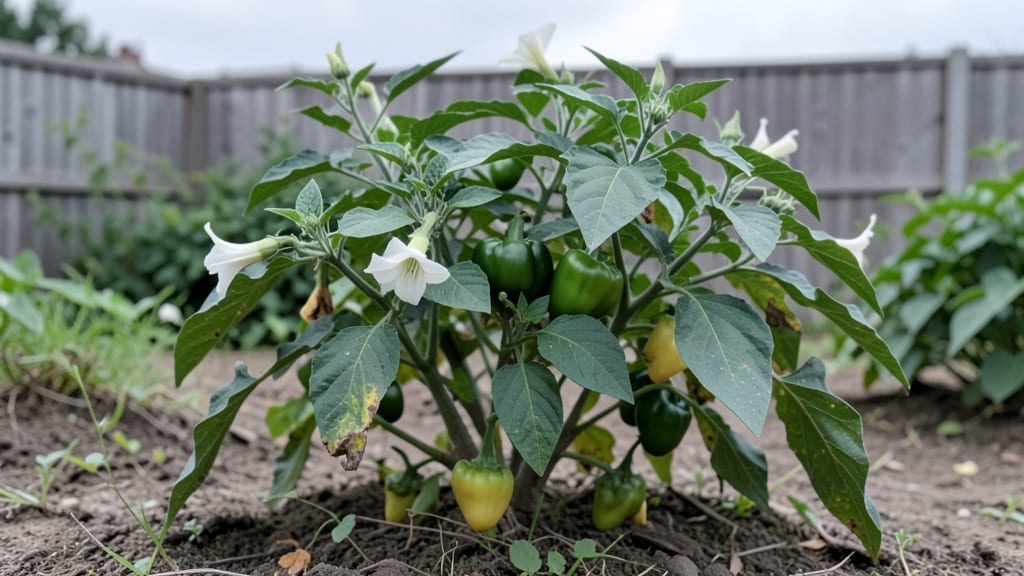
Growing healthy pepper plants starts with the right neighbors in your garden. 🌱 I learned the hard way that peppers thrive when paired with basil and marigolds—those combos boost flavor and keep pests away.
The secret isn’t just planting them together; it’s about timing, spacing, and knowing which plants actually help (or hurt) your peppers.
Most gardeners overlook how companion plants work. Basil, for example, repels whiteflies and improves pepper flavor, while marigolds deter nematodes with their strong scent. You’ll need well-draining soil, 6-8 hours of sun daily, and consistent moisture—but the right plant neighbors make all the difference in disease resistance and yield.
By mid-summer, your peppers will be producing plump, vibrant fruits with fewer pests and more flavor than store-bought. The key is balancing companions that protect, feed, and support your plants without competing for resources. This method works for both outdoor beds and container gardens.
Whether you’re dealing with aphids or just want sweeter peppers, these pairings cut down on sprays and boost harvests naturally. Let’s get your garden working smarter, not harder.
📚 In This Guide
- What you need
- Instructions
- Tips and common mistakes
- Wrapping up and next steps
What you need
- ● Pepper plants: 3–6 plants (depending on space; opt for disease-resistant varieties like Jalapeño, Bell, or Cayenne). Companion plants: Basil (1–2 plants per pepper plant)
- ● Marigolds (3–5 plants, spaced 12–18" apart)
- ● Onions or garlic (1–2 cloves/bulbs per pepper plant)
- ● Spinach or lettuce (as living mulch)
- ○ Well-draining soil: Mix of 60% potting soil, 30% compost, and 10% perlite/sand (for containers/raised beds). For in-ground, amend with compost (2–3 inches). Containers (optional but helpful): 5–7 gallon pots with drainage holes (1 pot per pepper plant if space is limited). Organic fertilizer: Balanced 10-10-10 or fish emulsion (follow label for dilution). Mulch: Straw or wood chips (2–3 inches thick) to retain moisture and deter weeds. Watering can or hose with gentle nozzle: Peppers hate soggy roots—aim for 1–1.5 inches of water per week. Garden stakes or cages: 3–4 ft tall to support taller varieties (e.g., Bell peppers). 🛠️ Tools & Prerequisites Garden trowel or hand shovel (for transplanting seedlings).
- ● Pruning shears (to snip dead leaves or encourage bushier growth).
- ● pH test kit (ideal soil pH: 6.0–6.8; adjust with lime or sulfur if needed).
- ● Gloves and knee pads (because gardening is hard work!).
- ● Sunlight access: 6–8 hours of full sun daily (peppers are sun-worshippers!).
- ● Pest control: Neem oil (for aphids/spider mites)
- ● Row covers (to deter flying pests like hornworms)
- ● Drip irrigation system (for consistent moisture without overwatering).
- ● Slow-release fertilizer tablets (plant near roots for easy nutrition).
- ● Compost tea (brew at home for a nutrient boost!).
- ● Reflective mulch (e.g., aluminum foil) to deter pests like flea beetles.
- ● Journal or app (to track planting dates, watering, and companion pairings).
Step-by-Step instructions for planting pepper companions
Here’s how to strategically pair peppers with companions for stronger plants and fewer pests.
🌱 Step 1: Choose the Right Companion Plants
Select plants that deter pests, improve soil, or attract pollinators. For peppers, I always include basil (repels thrips and mosquitoes), marigolds (deter nematodes), and onions (confuse aphids). Avoid planting peppers near fennel or beans—they stunt growth or attract pests.
Space companions 12-18 inches from peppers to avoid competition. Basil thrives near peppers but needs 6+ hours of sun, so place it on the north side to prevent shading. Marigolds, with their bright blooms, can go in borders or interspersed every 2 feet for consistent pest control.
💧 Step 2: Prepare the Soil for Planting
Peppers and their companions need well-draining, fertile soil with a pH of 6.0-6.8. Mix 3 gallons of compost into the top 6 inches of soil before planting. I also add 1 cup of bone meal per plant for phosphorus—this boosts root development and fruit production.
Work the soil until it’s loose but not powdery. A quick check: squeeze a handful—it should hold shape but crumble easily. Avoid tilling when wet; compacted soil slows root growth and invites fungal diseases. If your soil is heavy clay, amend with 1 gallon of perlite per 4 square feet to improve aeration.
☀️ Step 3: Plant Peppers and Companions Together
Set pepper plants 18-24 inches apart in rows spaced 2-3 feet apart. Nestle companion plants around them: basil 6 inches from pepper stems, marigolds 12 inches away, and onions 10 inches out. This spacing prevents overcrowding while maximizing companion benefits.
Plant peppers at the same depth they grew in pots to avoid stress. Water deeply immediately after planting—1 gallon per plant—to settle roots. Mulch with 2 inches of straw to retain moisture and suppress weeds. The mulch also keeps soil temperatures stable, which peppers love.
✂️ Step 4: Monitor and Maintain the Pairings
Check for pests weekly, especially aphids or spider mites. Basil’s scent deters many insects, but if you spot trouble, spray neem oil on affected leaves at dusk. Marigolds release a natural fungicide when crushed—crush a few stems near pepper bases if you notice early signs of powdery mildew.
Harvest basil regularly to encourage bushier growth, and deadhead marigolds to prolong their blooming season. Peppers need 1 inch of water per week, but companions like basil may need more. Use drip irrigation to target watering zones precisely—this prevents overwatering while keeping roots hydrated.
🌿 Step 5: Adjust as the Season Progresses
If peppers show signs of stress—yellowing leaves or stunted growth—check companion spacing. Overcrowding can block sunlight or spread disease. Thin out any competing plants, like extra marigolds, to maintain airflow. I also rotate crops yearly to prevent soil-borne diseases from building up.
By late summer, add 1 tablespoon of fish emulsion around pepper plants for a nitrogen boost. This supports both peppers and their companions, ensuring a healthy finish to the growing season. Watch for companion plants that outgrow their space—like tall basil—and prune them back to keep the balance right.
Tips & tricks for thriving pepper plants with companion pairings
These strategic tips will help you maximize your pepper plants' health and productivity using companion planting techniques.
Sunlight Strategy: In Step 1, when positioning basil near peppers, place it on the north side to prevent shading while still benefiting from its pest-repelling properties. Basil needs 6+ hours of direct sunlight to thrive, so avoid placing it in areas where it would cast excessive shade on your pepper plants during peak sun hours. This careful placement ensures both plants receive optimal sunlight without competing for resources.
Soil Preparation Insight: When preparing your soil in Step 2, focus on creating the perfect texture by mixing in 3 gallons of compost and 1 cup of bone meal per plant. The ideal soil should hold its shape when squeezed but still crumble easily—this indicates good moisture retention without becoming compacted. For heavy clay soils, adding 1 gallon of perlite per 4 square feet creates the perfect balance of aeration and moisture retention that peppers crave.
Pest Prevention Technique: In Step 4, when monitoring for pests, make neem oil your first line of defense against aphids and spider mites. Apply it at dusk when beneficial insects are less active, and always follow up with a thorough water spray to rinse off any residue. For fungal prevention, crush marigold stems near pepper bases—this releases their natural fungicidal properties while also deterring nematodes that can harm pepper roots.
Seasonal Adjustment: By late summer in Step 5, don't forget the nitrogen boost from 1 tablespoon of fish emulsion around each pepper plant. This late-season feeding supports both peppers and their companions, ensuring a healthy finish to the growing season. Watch for companion plants outgrowing their space—like basil—and prune them back regularly to maintain proper airflow and prevent disease spread.
Pro Tips for Healthy Pepper Plants
- These strategic tips will help you maximize your pepper plants' health and productivity using companion planting techniques.
- Sunlight Strategy: In Step 1, when positioning basil near peppers, place it on the north side to prevent shading while still benefiting from its pest-repelling properties.
- Soil Preparation Insight: When preparing your soil in Step 2, focus on creating the perfect texture by mixing in 3 gallons of compost and 1 cup of bone meal per plant.
Frequently asked questions
Got questions about keeping your pepper plants thriving? You’re not alone! Here are answers to the most common concerns—from pest prevention to companion plant timing.
What are the best companion plants for pepper plants?
Pepper plants love teamwork! Pair them with basil, marigolds, or onions to repel pests like aphids and spider mites. Avoid planting them near fennel or beans, as these can stunt growth or attract harmful insects.
When is the best time to plant pepper companions?
Plant companions 2–4 weeks after transplanting peppers (when soil is warm, ~60°F+). Fast growers like basil or marigolds can go in first, while slower ones (e.g., tomatoes) should follow. Pro tip: Use mulch to retain moisture while companions establish.
How do companion plants help with pepper plant pests?
Companions like marigolds release pest-repelling chemicals, while basil deters flies. Onions and garlic confuse aphids with their strong scent. Rotate crops yearly to break pest cycles and keep plants healthy!
Can I grow peppers and tomatoes together?
Yes, but with caution! They share similar needs (sun, water), but tomatoes can attract early blight, which may spread. Space them 3+ feet apart and prune tomato leaves to improve airflow. Alternative: Try bush beans instead—they fix nitrogen without competing.
What should I do if my pepper plants still get pests despite companions?
First, inspect leaves for eggs or chewed spots. Try a neem oil spray (1 tsp/quart water) or introduce ladybugs. If pests persist, isolate affected plants and remove heavily damaged foliage. Prevention tip: Rotate companion plants yearly to avoid pest buildup!
Wrapping up and next steps
Growing healthy pepper plants is all about working with nature—not against it! By strategically pairing your peppers with the right companions, you’ll enjoy bigger harvests, natural pest control, and thriving gardens with minimal effort.
Whether you’re a seasoned gardener or just starting, these pairings make caring for your plants feel like a breeze. 🌱
Now that you’re armed with the best companion plants, roll up your sleeves and get planting! Start small with a single pepper plant and a few trusted buddies, then expand as you see what thrives.
Before you know it, you’ll be harvesting plump, flavorful peppers and basking in the joy of a garden that practically takes care of itself. Happy growing! 🌿