
Companion Plants
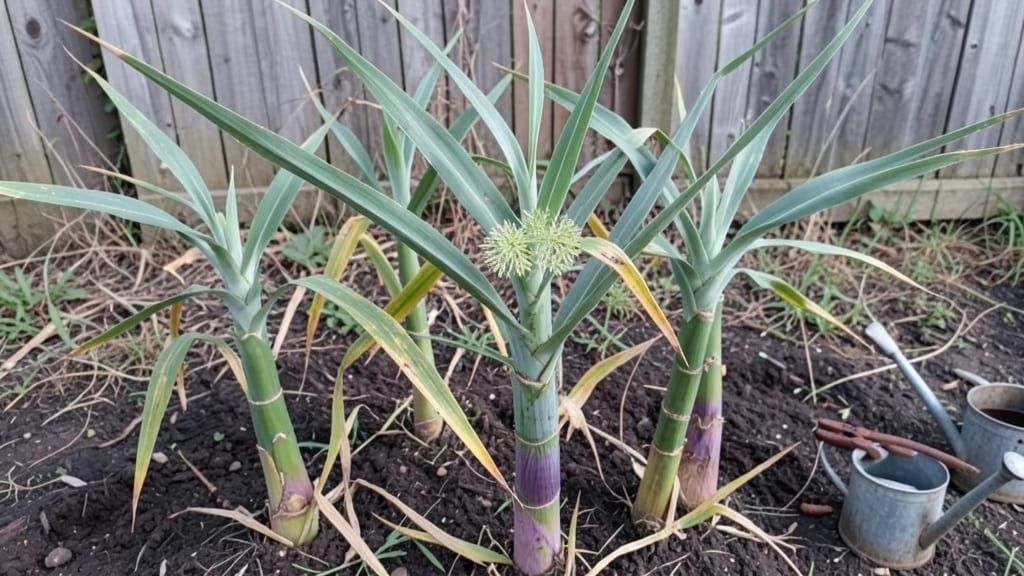
Glucose and plants are inseparable—plants produce glucose through photosynthesis, converting sunlight into chemical energy that powers growth, storage, and metabolic functions while fueling pathways like cellulose synthesis and sucrose formation for nutrient transport.
This process is the foundation of plant life, turning sunlight into usable energy that builds everything from sturdy stems to sweet fruits. 🌱 The glucose created isn't just fuel—it's the building block for complex carbohydrates that plants store for later use, like starch in potatoes or sugars in apples.
What's fascinating is how plants balance immediate energy needs with long-term storage, especially when faced with fluctuating sunlight or seasonal changes.
For gardeners, understanding this connection means recognizing how light exposure and nutrient availability directly impact plant health. For instance, leafy greens thrive in bright conditions because they're constantly producing glucose, while root crops like carrots rely on storing excess glucose underground.
The more you know about this energy cycle, the better you can support your plants' growth strategies.
💡 In This Article
- Photosynthesis and Glucose Synthesis in Plants
- Glucose Storage and Transport Mechanisms in Plants
Photosynthesis and glucose synthesis in plants
Here's what actually happens inside a plant leaf during photosynthesis: sunlight hits chlorophyll molecules, which absorb photons and transfer their energy to electrons in a process called photoexcitation.
This energy splits water molecules (H₂O) into oxygen (O₂), protons, and electrons, releasing oxygen as a byproduct while generating a proton gradient that powers ATP synthesis—the plant's energy currency.
The light-dependent reactions occur in the thylakoid membranes, where 90% of the energy from sunlight gets converted into chemical energy stored in ATP and NADPH.
The real magic happens in the Calvin cycle, where CO₂ molecules enter the leaf through stomata and combine with a five-carbon sugar called RuBP. An enzyme called RuBisCO (the most abundant protein on Earth) catalyzes this reaction, forming an unstable six-carbon compound that immediately splits into two three-carbon molecules.
These molecules get converted into G3P (glyceraldehyde-3-phosphate), a precursor that can either form glucose or be recycled back into RuBP. For every 6 CO₂ molecules fixed, one glucose molecule is produced—this is why photosynthesis is often represented as a 6:1 ratio.
Temperature plays a critical role here: optimal photosynthesis occurs between 15-35°C (59-95°F), but at 40°C (104°F), RuBisCO starts breaking down, and the Calvin cycle slows dramatically.
Light intensity matters too—below 100 µmol/m²/s of photosynthetically active radiation (PAR), plants struggle to produce enough energy, while above 2,000 µmol/m²/s, chlorophyll gets damaged from excess energy. That's why shade plants like ferns thrive in low light, while sun-lovers like sunflowers need full exposure to maximize glucose production.
What most people don't realize is how plants regulate this process. When glucose levels get too high, plants convert excess into starch for storage (like in potato tubers) or transport it as sucrose through phloem vessels.
This transport system uses pressure flow theory—sugars are actively loaded into phloem at source leaves (where photosynthesis occurs), creating osmotic pressure that pushes the solution through the plant to sink tissues (like roots or fruits) where energy is needed.
This system operates at speeds of 100 cm/hour, faster than sap flowing in xylem!
Consider how limiting factors interact: a tomato plant in a greenhouse might get plenty of light but suffer from CO₂ starvation if ventilation is poor.
Opening vents to increase CO₂ levels from 400 ppm (ambient air) to 1,000 ppm can boost photosynthesis by 30-50%, leading to sweeter fruits and thicker leaves.
This is why commercial growers use CO₂ enrichment—it's not just about light, but the perfect balance of all inputs that determines how efficiently plants can synthesize glucose.
The science behind this involves a delicate balance of physics and chemistry. Chlorophyll's pigment structure absorbs blue and red light wavelengths most efficiently (that's why plants look green—they reflect green light).
When you see a plant's leaves turning yellow in fall, it's because chlorophyll breaks down, revealing other pigments like carotenoids. This isn't just a color change—it's the plant's way of conserving energy when glucose production becomes less efficient in shorter daylight hours.
Here's a practical takeaway: if you're growing plants in containers, choose pots with good drainage but keep them consistently moist—water stress causes stomata to close, limiting CO₂ uptake. And remember, photosynthesis isn't just about leaves: stems and even some roots can photosynthesize if they're green and exposed to light.
That's why some gardeners use white or reflective mulch—it increases light penetration to lower leaves, boosting overall glucose production in the plant.