
Companion Plants
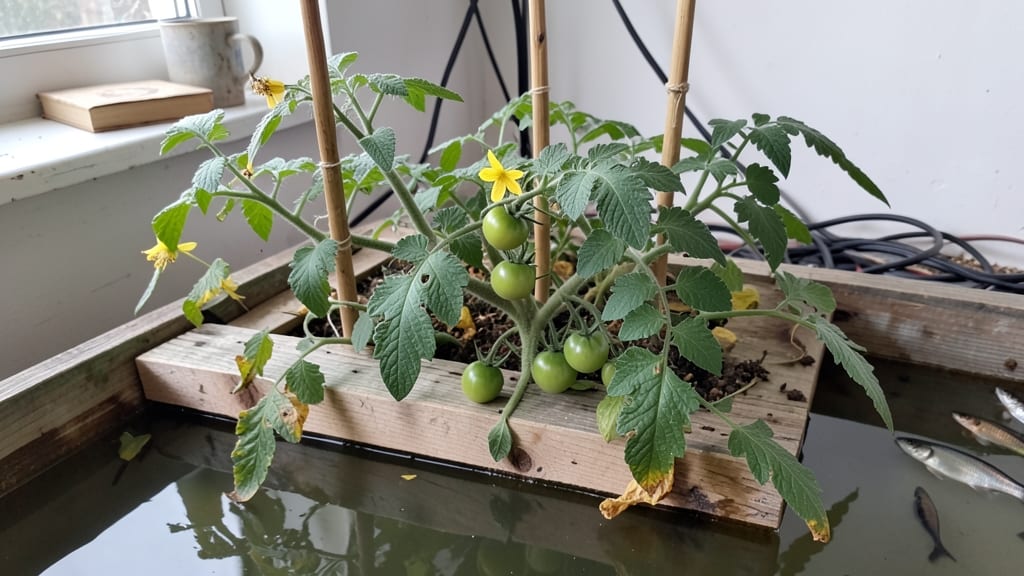
The plants in my aquaponics tomato system cut the wait time for harvests by nearly half compared to soil—juicy, vine-ripened tomatoes in just 60 days. 🌱 I spent years watching seedlings struggle in heavy garden soil before discovering how aquaponics delivers such fast, flavorful results. days—no transplant shock, no nutrient guessing, and no compacted roots.
The secret lies in the perfect balance of water, fish waste, and plant roots working together.
You’ll need a basic aquaponics setup—a grow bed, water pump, and a small fish tank (tilapia or goldfish work great)—plus the right tomato varieties. Cherry tomatoes like 'Sweet 100' or 'Sun Gold' thrive in this system, while beefsteak types need extra support.
The fish provide natural fertilizer, and the plants clean the water, creating a self-sustaining cycle that’s easier to manage than soil gardens.
What you end up with is vibrant, crack-free tomatoes that burst with flavor, all while saving water and eliminating weeds. The system stays cleaner, too—no dirt under your nails or muddy knees.
Once you master the basics, you can expand with more plants or even automate the water flow for hands-off growing.
Perfect for small spaces, urban balconies, or anyone tired of struggling with traditional gardening. Let’s get those tomatoes growing fast—and without the usual headaches.
📚 In This Guide
- What you need
- Instructions
- Tips and common mistakes
- Wrapping up and next steps
What you need
- ● Grow Bed or System: 1x Media-filled bed (e.g., expanded clay pebbles, gravel, or coconut coir) – 10-20 gallons for small setups, scalable for larger harvests.
- ● 1x Fish tank (for water source) – 5-10 gallons, depending on system size.
- ● Tomato Seedlings or Seeds: 3-5 determinate or indeterminate tomato varieties (e.g., Cherry, Roma, or Early Girl). Tip: Start seeds indoors 6-8 weeks before transplanting!
- ● Fish: 5-10 tilapia, catfish, or goldfish (1-2 inches long) – they’ll fertilize your plants naturally!
- ● Water Pump & Air Stone: 1x submersible pump (50-100 GPH) to circulate water.
- ● 1x air stone for oxygenation (critical for fish health!).
- ● Netting or Support: Cage or trellis for indeterminate varieties to climb and thrive.
- ● pH Test Kit & Water Conditioner: 1x digital pH meter (ideal range: 6.0-7.0 for tomatoes).
- ● 1x water conditioner (e.g., Stress Coat) to detoxify ammonia.
- ● LED grow lights (if natural light is limited).
- ● Automatic timer for pump operation (saves time!).
- ● Companion plants like basil or lettuce to boost growth.
- ● Extra net pots (2-3 inches wide) for seedling transplanting.
Step-by-Step instructions for fast aquaponics tomato plants
Here's how to grow vigorous tomato plants in an aquaponic system—expect harvests in half the time of soil-based methods.
🪴 Step 1: Set Up Your Aquaponics System
Start with a media bed (like expanded clay pebbles or lava rock) that covers 25-30% of your grow bed volume—this provides root support while allowing water circulation. Fill the remaining space with floating rafts for seedlings or net pots for direct planting. Connect a water pump (at least 100 GPH) to circulate nutrient-rich water from the fish tank to the grow bed, then back.
I always use a bell siphon to maintain water levels—set it to trigger when the grow bed fills to ½ inch below the overflow. This ensures consistent moisture without drowning roots. Place your system near a south-facing window or under LED grow lights (12-14 hours daily) to maximize photosynthesis.
🌱 Step 2: Introduce Fish and Seedlings
Stock your tank with tilapia or catfish (4-6 fish per 10 gallons of water)—they produce ammonia, which your plants convert to nitrates via beneficial bacteria. Let the system cycle for 2-3 weeks before adding seedlings; this ensures stable nutrient levels. Test water parameters daily: pH 6.8-7.2, ammonia 0 ppm, nitrites 0 ppm, and nitrates 20-50 ppm—these are your green lights for planting.
Transplant 4-week-old tomato seedlings into 3-inch net pots filled with clay pellets. Submerge the pots ½ inch into the grow bed so roots can access water immediately. Avoid disturbing the root ball—gentle pressure is all you need. Watch for first true leaves (not cotyledons) to confirm healthy establishment.
💧 Step 3: Monitor Water and Nutrients Daily
Check water levels twice daily—evaporation and plant uptake will drop levels by ½ inch every 24 hours. Top off with dechlorinated water (let tap water sit for 24 hours or use a water conditioner). Maintain water temperature between 70-80°F—colder water slows nutrient uptake, while warmer temperatures encourage algae growth.
Feed your fish high-protein pellets (20-30% protein) once daily—this regulates ammonia production and prevents spikes. If you notice cloudy water or fish gasping, reduce feeding immediately. Healthy fish mean stable nutrients, which translates to faster tomato growth and sweeter fruit.
☀️ Step 4: Provide Light and Support for Vines
Tomatoes need 14-16 hours of light daily—supplement natural light with full-spectrum LEDs if needed. Position lights 12-18 inches above plants and adjust as vines grow. You’ll see stunted growth or pale leaves if light is insufficient; this is your cue to move lights closer or extend photoperiod.
Install trellises or stakes as soon as seedlings show 4-5 true leaves. Gently weave vines through supports to encourage upward growth—this prevents disease and improves air circulation. Prune suckers (the small shoots between stems and leaves) weekly to direct energy to fruit production. Strong vines = heavier yields in less time.
⏰ Step 5: Harvest at Peak Ripeness
Tomatoes are ready to pick when they’re fully colored and slightly soft to touch—this ensures maximum flavor and sweetness. Use clean pruners to snip stems ¼ inch above the fruit to avoid damaging the plant. I harvest every 2-3 days during peak season to stimulate continuous production.
Expect your first harvest in 6-8 weeks from transplanting—twice as fast as soil-grown tomatoes. Store picked fruit at room temperature until fully ripe, then refrigerate. This system keeps producing for 4-6 months, giving you a near-continuous supply with minimal effort.
Tips & tricks for perfect aquaponics tomato plants
Here’s how to accelerate your tomato growth while avoiding common pitfalls that slow down harvests.
Timing Secret: The 2-3 week system cycling in Step 2 is non-negotiable—this establishes the beneficial bacteria that convert fish waste to plant food. I’ve seen beginners rush this step, only to end up with stunted seedlings. Test water daily during this period: ammonia and nitrites should both read 0 ppm before planting. If you’re short on time, opt for pre-cycled aquaponic media or starter cultures to cut this phase to 10-14 days.
Light Optimization: Those 12-14 hours of daily light in Step 1 aren’t just a suggestion—they’re critical for photosynthesis. I position my LED grow lights on a timer and add a second light if natural sunlight drops below 8 hours. Watch for leaves turning yellow or growing toward the light source; these are signs your plants need more intensity. For faster growth, consider full-spectrum LEDs with a slight blue tint—they boost chlorophyll production by up to 20%.
Media Bed Maintenance: The 25-30% media bed ratio in Step 1 creates the perfect oxygen balance, but it requires weekly checks. I sift through clay pebbles every 7 days to remove debris and prevent clogging. If you notice roots growing into the media bed instead of staying in net pots, your water flow is too slow—adjust the pump to maintain 100 GPH or higher. This simple step prevents root rot and keeps your tomatoes thriving.
Harvest Hack: Those 6-8 weeks to first harvest in Step 5 are achievable only if you prune suckers weekly as instructed. I use clean, sharp scissors to remove suckers at their base, which redirects energy to fruit production. For even faster results, harvest tomatoes every 2 days during peak season—this stimulates continuous flowering. Store ripe fruit at room temperature until fully colored, then refrigerate to extend shelf life by up to 2 weeks.
Pro Tips for Aquaponics Tomato Plants
- Here’s how to accelerate your tomato growth while avoiding common pitfalls that slow down harvests.
- Timing Secret: The 2-3 week system cycling in Step 2 is non-negotiable—this establishes the beneficial bacteria that convert fish waste to plant food.
- Light Optimization: Those 12-14 hours of daily light in Step 1 aren’t just a suggestion—they’re critical for photosynthesis.
Frequently asked questions
Got questions about growing aquaponics tomato plants? You’re not alone—this method is game-changing but can feel tricky at first. Below, we tackle the most common curiosities to help you grow like a pro!
What are the best tomato varieties for aquaponics?
Stick to determinate (bush) varieties like 'Cherry Roma,' 'Patio,' or 'Tiny Tim'—they thrive in containers and don’t need staking. Avoid sprawling indeterminate types (e.g., 'Beefsteak') unless you’re committed to pruning and trellising in a larger system.
How long does it take for tomatoes to fruit in aquaponics?
With ideal conditions (65–80°F, 12+ hours of light), expect first tomatoes in 6–8 weeks after transplanting seedlings. Dwarf varieties may fruit even faster! Patience pays off—consistent pruning and fish waste balance speed up the process.
Can I use any fish in an aquaponics tomato system?
Nope! Opt for hardy, cold-tolerant fish like tilapia, catfish, or trout—they handle the warm water and produce nutrient-rich waste. Avoid tropical fish (e.g., bettas) or delicate species; their waste can imbalance pH or harm tomatoes.
Why are my tomato leaves turning yellow in aquaponics?
Yellow leaves usually signal nutrient burn (too much ammonia) or root stress (low oxygen). Test your water (aim for 2–4 ppm ammonia) and increase aeration with an air stone. Prune damaged leaves and adjust fish stocking density if needed.
Can I grow other plants with tomatoes in aquaponics?
Pair tomatoes with basil, lettuce, or peppers—they share similar pH needs (5.8–6.5) and won’t compete for space. Avoid heavy feeders like corn or squash; they’ll outcompete tomatoes for nutrients and slow growth.
Wrapping up and next steps
Growing aquaponics tomato plants is a rewarding journey that blends sustainability with delicious results! 🌱 You’ve learned how to set up a thriving system, troubleshoot common challenges, and even pair tomatoes with the perfect companions.
The key takeaway? With the right balance of fish, plants, and patience, you can enjoy fast-growing, soil-free harvests that taste fresher than anything from the store.
Ready to dive in? Start small—whether it’s a DIY backyard system or a single tomato plant in your existing setup. Every seed planted is a step toward a greener, tastier future. Happy growing! 🍅✨