
Planting
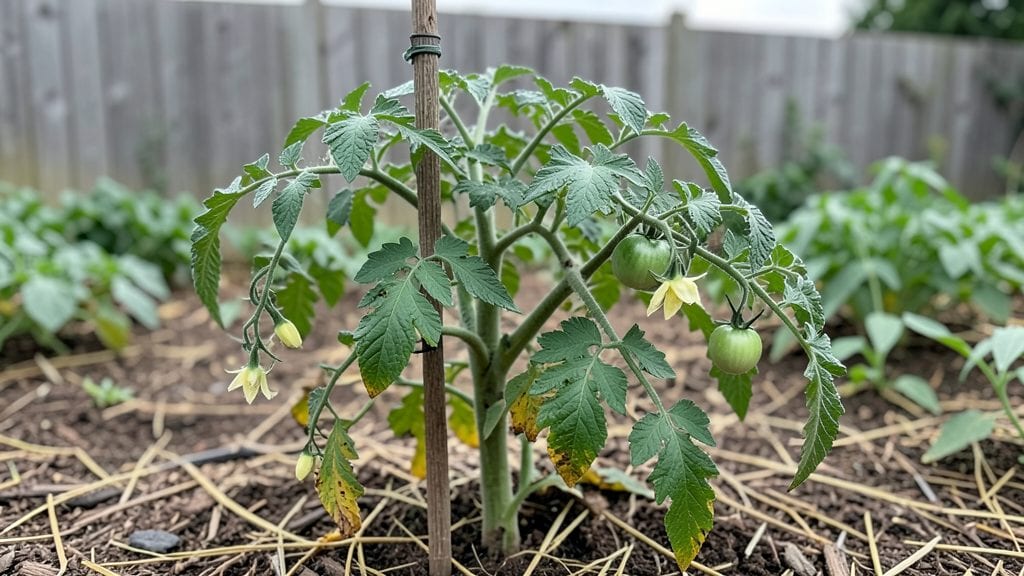
My tomato plants used to look like sad sticks instead of sturdy producers—until I learned these pruning secrets that turn leggy stems into bushy, fruit-loaded powerhouses. 🌱 The fix isn’t complicated: it’s about cutting back in the right way at the right time, and I’ll show you exactly how to do it without sacrificing next year’s harvest.
Most gardeners over-prune or under-prune, both of which lead to weak growth. The key is removing suckers (those little shoots between the main stem and branches) when they’re about 2 inches long, leaving two leaves above the cut.
This encourages the plant to put energy into existing branches instead of growing more stems. I’ve seen plants that were barely standing go from scraggly to bushy and productive in just a few weeks.
What you’ll end up with is a tomato plant that looks like a miniature tree—thick stems, plenty of leaf cover for shade, and more fruit than you know what to do with.
The pruned plants also ripen earlier because they’re not wasting energy on extra growth. Plus, the airflow keeps diseases like blight at bay, so your tomatoes stay healthier longer.
This works for indeterminate varieties like ‘Sungold’ or ‘Cherry Roma’—the ones that grow 6-10 feet tall if left unchecked. For determinate types (like ‘Celebrity’), you’ll prune differently, but the same principles apply. Let’s get those plants growing the way they’re supposed to!
📚 In This Guide
- What you need
- Instructions
- Tips and common mistakes
- Wrapping up and next steps
What you need
- ● Pruning shears: Bypass pruners (sharp, clean blades) – 1 pair. Look for ergonomic handles and stainless steel for durability.
- ○ Gloves: Garden gloves (nitrile-coated for grip and protection) – 1 pair. Optional: gardening apron to keep clothes clean.
- ● Disinfectant: Rubbing alcohol (70%+) or hydrogen peroxide (3%) – small bottle. Sanitize tools before and after use!
- ● Sharpie or marker: Permanent marker – 1. For labeling cuttings or marking pruning spots.
- ● Trash bag or bucket: Small waste bin – 1. For disposing of pruned debris.
- ● Rooting hormone: Powder or gel – small container. Boosts success if propagating cuttings.
- ● Plant ties or twine: Soft garden twine – 1 roll. Supports stems if your plant gets top-heavy.
- ● Hand lens or magnifying glass: 10x magnification – 1. Helps spot pests or disease early.
- ● Spray bottle: Empty spray bottle – 1. For misting cuttings or rinsing tools.
- ● Identify your tomato variety: Indeterminate (vining, needs pruning) vs. determinate (bushy, minimal pruning).
- ● Check for disease or pests before pruning. Wait until your plant is healthy!
- ● Pick a sunny, dry day for pruning. Avoid wet conditions to prevent fungal issues.
Step-by-Step pruning guide for a stick tomato plant
Here's how to transform a leggy tomato plant into a sturdy, productive bush with just a few cuts.
✂️ Step 1: Assess the Plant and Gather Tools
Start by examining your tomato plant for the main stem and side shoots. The goal is to remove suckers—those small shoots growing in the leaf axils (where leaves meet the stem). Grab your clean, sharp pruning shears and a pair of gardening gloves to protect your hands from thorns.
I always work in the early morning when the plant is well-hydrated and the air is cool. This reduces stress on the plant and gives it time to recover before the heat of the day. Look for suckers that are about 2-3 inches long—these are the best candidates for removal.
✂️ Step 2: Remove Suckers for Bushier Growth
Pinch off or cut suckers that grow between the main stem and a branch. These shoots compete with the main plant for nutrients, which can reduce fruit production. Use your fingers to pinch off smaller suckers or your pruning shears for larger ones. Make your cuts just above the leaf axil to avoid leaving stubs that can rot.
Don't remove all the suckers at once—space it out over a few days or weeks. This gradual approach helps the plant adjust and reduces shock. You'll know you're doing it right when you see the plant start to fill out with more branches and leaves.
✂️ Step 3: Prune Lower Leaves for Airflow and Sunlight
Next, focus on the lower leaves of your tomato plant. Remove any leaves that are touching the soil or growing below the first flower cluster. This prevents soil-borne diseases and allows sunlight and air to reach the lower part of the plant, improving fruit quality.
Use your pruning shears to make clean cuts just above the leaf stem. Avoid tearing the leaves, as this can damage the plant and invite pests. Aim to leave about 18 inches of stem between the soil and the first leaf you keep—this helps keep the fruit off the ground and reduces rot.
✂️ Step 4: Thin Fruit Clusters for Bigger Tomatoes
Once your tomato plant starts flowering, you'll see clusters of blossoms forming. To encourage larger fruit, thin these clusters so that only 2-3 tomatoes per cluster remain. This gives the plant more energy to focus on producing fewer, but larger and healthier, tomatoes.
Gently twist off the smaller or weaker tomatoes by hand, leaving the largest and healthiest ones. You'll notice the remaining tomatoes grow faster and ripen more evenly. This step is especially important for indeterminate tomato varieties, which can produce an overwhelming number of fruits if left unchecked.
⏰ Step 5: Monitor and Repeat Pruning Weekly
Pruning isn't a one-time task—it's an ongoing process. Check your tomato plant weekly for new suckers and repeat the pruning steps as needed. As the plant grows taller, you may need to use a small stool or ladder to reach the higher branches safely.
Watch for signs of stress, like yellowing leaves or wilting, which can indicate over-pruning. If you see these signs, hold off on further pruning and focus on watering and fertilizing to help the plant recover. With consistent care, your stick tomato plant will transform into a bushy, productive powerhouse.
Tips & tricks for perfectly pruned tomato plants
A few simple tricks will help you transform that leggy stick tomato into a productive, bushy plant with fewer but bigger fruits.
Timing is Everything: Early morning is the best time to prune—your plant will be well-hydrated and less stressed from the day's heat. I've found that working when temperatures are cooler helps the plant recover faster, especially after removing multiple suckers. This timing also gives you better visibility to spot those 2-3 inch suckers that are perfect candidates for removal.
The Technique That Changed Everything: When removing suckers in Step 2, make your cuts just above the leaf axil rather than leaving stubs. I learned this the hard way after seeing stubs rot and attract pests. Clean cuts heal faster and keep your plant healthier. For larger suckers, your pruning shears will make quick work, but for smaller ones, your fingers work perfectly—just be gentle to avoid damaging the main stem.
Visual Cues for Pruning: In Step 3, when pruning lower leaves, look for leaves touching the soil or growing below the first flower cluster. These are the ones to remove. I use my hand as a guide—if I can't fit my palm between the soil and the lowest leaf, it's time to prune. This 18-inch clearance from soil to first leaf is crucial for preventing rot and improving airflow to the fruit.
Ongoing Care Strategy: Don't forget that pruning is an ongoing process! I check my plants weekly for new suckers and repeat the process as needed. This might seem like a lot, but it's what transforms that skinny stick into a productive bush. Keep an eye out for yellowing leaves or wilting—these are signs you might be over-pruning. If you see these, take a break and focus on watering and fertilizing instead.
Pro Tips for Stick Tomato Plant
- A few simple tricks will help you transform that leggy stick tomato into a productive, bushy plant with fewer but bigger fruits.
- Timing is Everything: Early morning is the best time to prune—your plant will be well-hydrated and less stressed from the day's heat.
- The Technique That Changed Everything: When removing suckers in Step 2, make your cuts just above the leaf axil rather than leaving stubs.
Frequently asked questions
Got questions about pruning your tomato plant to get that stick tomato plant look? You’re in the right place! Here are some of the most common questions—and answers—to help you grow like a pro.
When is the best time to prune a tomato plant for bushier growth?
Prune your tomato plant when it’s young (around 12–18 inches tall) to encourage branching. For indeterminate varieties (like stick tomato plants), continue pruning throughout the growing season, removing suckers (side shoots) regularly. Avoid heavy pruning late in the season—focus on shaping early!
How do I know if I’m pruning correctly?
You’re on the right track if your plant has a strong central stem with 3–4 main branches (for bushier types) or a single main stem with lateral branches (for indeterminate stick tomato plants). Never remove more than ⅓ of the plant’s foliage at once, and always prune above a leaf or growth node to avoid stunting growth.
Will pruning my tomato plant reduce my harvest?
Not if done right! Pruning actually boosts fruit size and quality by redirecting energy to fewer, larger tomatoes. Stick tomato plants (indeterminate types) benefit most from pruning, as they grow continuously. Just avoid over-pruning—balance airflow and sunlight with foliage retention for the best results.
Can I prune tomato plants in hot or humid weather?
Pruning in extreme heat or humidity can stress your plant, making it vulnerable to disease. Wait for cooler mornings (60–75°F) or overcast days. If you must prune in heat, do it in the early morning and ensure good airflow afterward to prevent fungal issues like blight.
What if my tomato plant stops growing after pruning?
Don’t panic! A brief slowdown is normal as the plant adjusts. If growth halts for over a week, check for underwatering, nutrient deficiencies (like nitrogen), or pest damage. Give it time, keep soil moist, and fertilize lightly with a balanced 10-10-10 mix if needed. Patience pays off!
Wrapping up and next steps
Growing a stick tomato plant into a lush, productive vine is totally within your reach—just follow the right pruning tricks!
By mastering suckering, topping, and staking, you’ll encourage bushier growth and juicier, larger fruits. 🌱 With patience and a little elbow grease, your garden will soon be bursting with homegrown tomatoes!
Ready to take the next step? Grab your pruners and start shaping your plant today! Keep an eye on your progress, adjust as needed, and enjoy the rewarding harvest that’s just around the corner. Happy gardening! 🌞