Companion Plants
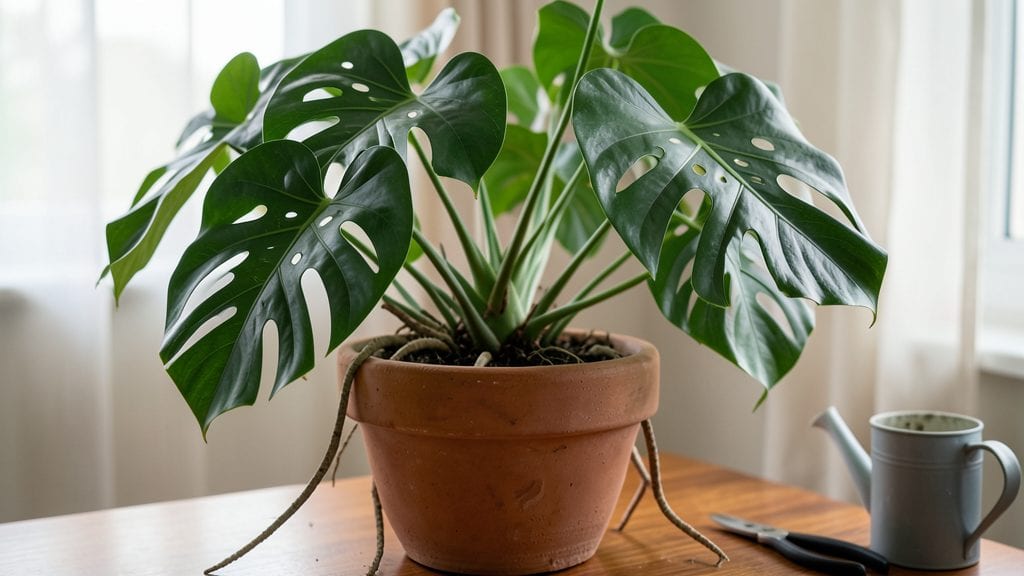
When it comes to questions about plants, the most common focus on light exposure, irrigation consistency, soil composition, and pest management—all of which directly impact plant vitality. New gardeners consistently seek guidance on multiplying plants, selecting the right fertilizers, and adjusting seasonal routines to optimize growth and visual appeal.
Understanding these fundamentals transforms gardening from guesswork to science.
For instance, knowing whether your plants thrive in bright indirect light (like ferns) or full sun (like succulents) prevents common mistakes that lead to wilting or leggy growth. 🌱 I’ve seen beginners make the same errors repeatedly—like overwatering moisture-loving plants or neglecting to adjust care as seasons shift—which is why I always recommend starting with a simple soil test kit.
This small step reveals hidden problems like compacted soil or pH imbalances that stifle root development.
💡 In This Article
- Plant Light Requirements and Growth Factors
- Essential Plant Care Checklist for New Gardeners
Plant light requirements and growth factors
Sunlight is the primary energy source for photosynthesis, where plants convert light into chemical energy to fuel growth. Chlorophyll, the green pigment in leaves, absorbs light most efficiently in the blue (400-500 nm) and red (600-700 nm) wavelengths while reflecting green light, which is why we see plants as green.
When light is insufficient, chlorophyll production slows, leading to pale or yellowing leaves—a clear sign the plant is struggling to sustain its energy needs. 🌿
Plants have adapted to different light environments, creating distinct growth patterns. Low-light species like ferns and snake plants thrive with 100-200 foot-candles of light (about the level of a dimly lit room) and develop broad, flat leaves to maximize light absorption.
In contrast, high-light plants such as succulents and cacti need 1,000-2,000 foot-candles (similar to direct sunlight) and grow thick, waxy leaves to retain moisture and reflect excess light. The difference in leaf structure isn't just aesthetic—it's a survival strategy shaped by evolution.
Artificial grow lights can bridge the gap when natural light is lacking, especially in indoor settings. LED grow lights, for example, are energy-efficient and can be tuned to emit specific wavelengths.
A full-spectrum LED bulb with blue and red light diodes mimics natural sunlight, promoting healthy growth even in windowless rooms.
For instance, a 12-hour light cycle with a grow light can keep houseplants thriving year-round, while too much light (especially UV exposure) can scorch leaves, causing brown patches or crispy edges.
Seasonal changes also impact light exposure. During winter, shorter daylight hours force plants into dormancy unless supplemented with artificial light. I’ve noticed that indoor plants like pothos or spider plants often stretch toward light sources—a phenomenon called etiolation—because they’re starved for photons.
This elongation weakens the stem and reduces leaf size, making the plant look leggy and unbalanced. 💡 The solution? Rotate plants weekly to ensure even light exposure and use a timer for grow lights to maintain a consistent 14-16 hour photoperiod during winter months.
Understanding these light dynamics helps you troubleshoot common issues. Overwatered plants in low light, for example, are prone to root rot because the excess moisture isn’t offset by photosynthesis.
Conversely, high-light plants like tomatoes need 6-8 hours of direct sun daily to produce fruit—any less, and you’ll end up with bitter, undersized tomatoes. By matching your plants’ light needs to their natural habitats, you’re essentially giving them the right "diet" to grow strong and healthy.
Pro tip: Use a light meter or observe your plants’ behavior to gauge their needs. If leaves are dark green and compact, they’re likely getting enough light. If they’re light green and sparse, it’s time to move them closer to a brighter spot—or invest in a grow light.
The key is consistency: plants thrive on predictable light patterns, whether from the sun or a well-timed artificial source. 🌱