Container Gardens
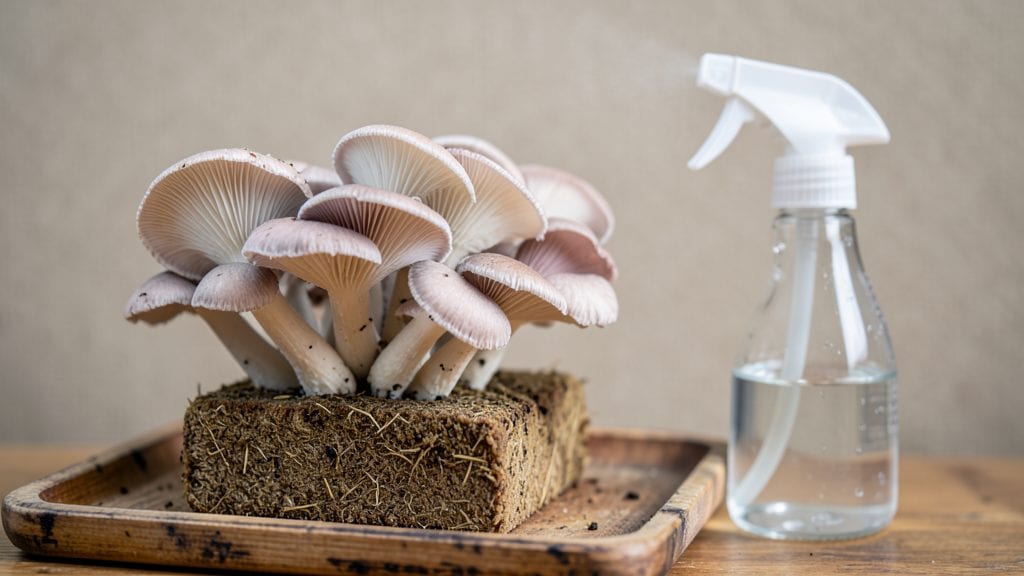
Growing mushroom indoor plants lets you cultivate edible or decorative fungi without sunlight, soil, or even a garden. 🌿 I started with oyster mushrooms after seeing them pop up in grocery stores—and realized how easy they could be to grow at home with the right setup.
The key is matching each species to its ideal conditions: oyster mushrooms thrive in humid basements or closets, while shiitake prefer cooler temperatures. You’ll need simple supplies like sterilized straw, a spray bottle, and a plastic bin, but no fancy equipment.
Most beginners see their first flush of mushrooms within 2-4 weeks of setup.
Imagine harvesting fresh, velvety oyster caps for stir-fries or adding delicate shiitake to soups—all from your kitchen counter. Even if you’ve never grown anything beyond herbs, this method is surprisingly forgiving. The biggest challenge? Keeping humidity steady and avoiding mold.
Works for both culinary and ornamental mushrooms, and adapts to small spaces. Let’s get your first batch growing—no greenhouse required.
Why Your Indoor Mushroom Plant Struggles
Growing a lush, thriving mushroom indoor plant—like oyster, shiitake, or lion’s mane—can feel like magic when it works, but frustration sets in when it doesn’t. Whether your fungi are wilting, turning yellow, or refusing to fruit, the root causes often boil down to a few key factors.
Let’s break down the science behind why your indoor mushroom garden might be underperforming and what’s really going wrong.
Mushrooms are sensitive to temperature—too hot or too cold, and their delicate mycelium (the root-like network) shuts down or dies. Most edible and ornamental mushroom species thrive in a cozy, stable range:
- Oyster mushrooms: 55–75°F (13–24°C) for mycelium growth; cooler (45–60°F / 7–16°C) to trigger fruiting.
- Lion’s mane: 65–75°F (18–24°C) for active growth; drops below 60°F (16°C) to initiate fruiting.
- Shiitake: Needs a cold shock (35–45°F / 2–7°C) to fruit after growing at 60–75°F (16–24°C).
Why it happens: Mushrooms metabolize slowly outside their ideal range. If your home stays above 80°F (27°C) or dips below 50°F (10°C), the mycelium stops expanding, and spores may never develop. Even drafts from AC vents or heaters can create microclimates that stress your fungi.
Actionable fix:
- Use a thermometer/hygrometer near your grow setup to monitor temps 24/7.
- Avoid placing mushrooms near windows, doors, or vents—they create unstable conditions.
- For cold-loving species (like shiitake), simulate seasonal changes with a refrigerator or cool room for 2–4 weeks before fruiting.
Mushrooms breathe through their gills, and if the air around them is too dry, they’ll dry out like a raisin. Too much humidity? You’ll get mold, bacterial rot, or stunted growth.
Why it happens: Most mushrooms need 80–95% humidity during growth, but indoor air is typically 30–50%. Without intervention, their delicate fruiting bodies desiccate within hours—even if the mycelium looks healthy.
Actionable fix:
- Mist lightly 2–3x daily with room-temperature water (avoid soaking the substrate).
- Use a humidifier or place a shallow tray of water near the mushrooms (but not touching them).
- For high-humidity species (like oyster mushrooms), try a plastic tent with small ventilation holes.
- Never let water pool—stagnant moisture breeds competitive mold, which outcompetes your mushrooms.
Unlike soil-based plants, mushrooms grow on decaying organic matter—sawdust, straw, coffee grounds, or hardwood chips. If the substrate is wrong, your fungi won’t have the nutrients to thrive.
Why it happens:
- Too sterile: Pasteurized or boiled substrates lack beneficial microbes that help break down food for the mycelium.
- Wrong pH: Most mushrooms prefer pH 5.5–7.5. Alkaline substrates (like fresh hardwood ash) can lock out nutrients.
- Improper moisture: Substrate that’s too dry halts growth; too wet causes anaerobic zones (no oxygen = bad bacteria).
- Contaminants: Mold, bacteria, or pests (like mites) outcompete your mushrooms for resources.
Actionable fix:
- Use pre-mixed mushroom substrate or DIY blends (e.g., 50% hardwood sawdust + 50% straw for oyster mushrooms).
- Test pH with a digital meter—adjust with lime (to raise pH) or vinegar (to lower) if needed.
- Keep substrate moist but not soggy (like a wrung-out sponge).
- If contamination occurs, sterilize tools with 70% alcohol and avoid overhandling.
Contrary to popular belief, most mushrooms don’t need sunlight—but they do need light to trigger fruiting. Too much or too little throws off their growth cycle.
Why it happens:
- No light at all: Mycelium grows in the dark, but without indirect light (12 hours/day), mushrooms won’t fruit.
- Direct sunlight: UV rays bleach and dry out delicate fruiting bodies.
- Blue light deficiency: Mushrooms respond to blue spectrum light (400–500nm), which helps regulate growth. White LEDs lack this.
Actionable fix:
- Use a grow light with blue spectrum LEDs (12 hours on/12 off) for fruiting.
- Place mushrooms 3–4 feet from a north-facing window (indirect light only).
- Avoid fluorescent bulbs—they emit too little blue light.
Most mushroom-growing problems stem from one (or more) of these four factors. Once you dial in temperature, humidity, substrate, and light, your indoor fungi should take off like a jungle—no sunlight or soil required! 🍄✨
Quick fixes for common growing issues
Reviving your mushroom indoor plant (or oyster, shiitake, or lion’s mane) doesn’t have to feel like a mystery—most problems have simple, actionable solutions. Below, we’ve mapped the most common issues to step-by-step fixes, plus prevention tips to keep your fungal friends thriving long-term.
Think of this as your troubleshooting cheat sheet!
Signs: Yellowing caps, slimy stems, slow growth, or a foul smell (like rot). Why it happens: Too much moisture suffocates roots (or mycelium) and invites mold or bacteria.
How to Fix It: 🔥 Drain & Refresh
- Remove the plant from its container and gently shake off excess water.
- Pat dry the base of the cluster with a clean paper towel or cloth.
- Repot in fresh substrate—use sterilized coconut coir, hardwood sawdust, or a mushroom-specific mix. Avoid garden soil (it’s too dense and can harbor pathogens).
- Adjust watering: Only water when the top 1–2 inches of substrate feel dry. Use a spray bottle for misting or a watering can with a fine rose to avoid oversaturating.
🍳 Improve Drainage
- Add perlite or vermiculite (10–20%) to the mix for better airflow.
- Drill small drainage holes in the container if none exist (use a nail or drill bit).
- Elevate the pot on a tray with pebbles to prevent water pooling.
💡 Prevention Tips: ✔ Weigh your container—if it feels heavy, it’s overwatered. ✔ Use a moisture meter ($10 on Amazon) to track substrate dampness. ✔ Mist instead of soak for humidity-loving varieties like oyster mushrooms.
Signs: Wrinkled or dried-out mushroom caps, slow growth, or mycelium retreating into the substrate.
How to Fix It: 👨🍳 Boost Humidity Fast
- Mist 2–3 times daily with room-temperature water (avoid cold water—it shocks the mycelium).
- Cover with a humidity dome (a clear plastic bag with holes or a DIY tent from a plastic container).
- Place a tray of water nearby or use a small humidifier (even a bowl of pebbles + water works).
🥘 Long-Term Humidity Hacks
- Group plants together—they create a microclimate.
- Use a spray bottle with a fine mist setting to avoid disturbing the substrate.
- Avoid AC or fans—direct airflow dries them out.
🌡️ Prevention Tips: ✔ Keep humidity above 70% (use a hygrometer to monitor). ✔ Mist in the morning so excess water evaporates by night. ✔ Avoid overcrowding—too many plants = more competition for humidity.
Signs: No new mushrooms sprouting for weeks, substrate looks "used up," or caps are tiny and sparse.
How to Fix It: 🔪 Refresh the Substrate
- Check for exhaustion: If the substrate is fully colonized (no white threads left), it’s time to spawn a new block.
- Add fresh substrate on top (1–2 inches) and gently press in a new spawn (sterilized sawdust + mushroom culture).
- Increase light exposure (indirect, bright light encourages fruiting).
⏰ Adjust Environmental Triggers
- Drop temperatures slightly (most mushrooms fruit between 60–75°F).
- Shock with cold (for shiitake): Move to a cool, dark place (50–60°F) for 12–24 hours, then return to warmth.
- Increase humidity (see above) and mist daily.
🎯 Prevention Tips: ✔ Harvest promptly—don’t let mushrooms overgrow or they’ll steal energy from new growth. ✔ Rotate containers to ensure even light exposure. ✔ Feed occasionally—sprinkle a thin layer of sterilized coffee grounds or oatmeal for nutrients.
Signs: White, green, black, or pink fuzzy growth on substrate or mushrooms. Smells musty or sour.
How to Fix It: 🚨 Act Fast—This Spreads!
- Remove contaminated mushrooms and discard them (do not compost—it spreads spores).
- Sprinkle cinnamon or hydrogen peroxide (3%) on the substrate to inhibit mold (let dry completely).
- Repot healthy mycelium into a sterilized new container with fresh substrate.
🔥 Prevent Future Outbreaks
- Sterilize everything: Wash hands, tools, and containers with rubbing alcohol (70%+).
- Use a fan on low setting (24/7) to improve airflow and dry surfaces.
- Avoid touching substrate with dirty fingers or unsterilized tools.
✨ Pro Tip:
- Preventative spray: Mix 1 tsp hydrogen peroxide + 1 cup water, spray lightly on substrate once a week.
Final Reminder: Most issues stem from water, humidity, or airflow—master these, and your indoor mushroom garden will thrive like a pro! 🍄✨ For stubborn problems, start fresh with a new spawn block—sometimes a clean slate is the best fix.
Frequently asked questions
What’s the easiest mushroom species to grow indoors for beginners?
Oyster mushrooms are the best choice for beginners—they grow fast (2-4 weeks from spawn) and tolerate a wide range of conditions. They thrive in 55–75°F temps and 80–95% humidity, making them perfect for basements or closets. Start with a pre-made kit to avoid substrate mistakes.
Can I grow edible mushrooms indoors without sunlight?
Yes! Most mushrooms don’t need sunlight—they grow in darkness during mycelium development. For fruiting, provide 12 hours of indirect light daily (a north-facing window or LED grow light works). Avoid direct sun, which can dry out delicate caps.
How do I know if my mushroom substrate is contaminated?
Watch for fuzzy mold (white, green, or black), foul smells, or slow mycelium growth. Healthy mycelium looks white and fluffy. If you see discoloration or slimy spots, remove contaminated parts immediately and repot the healthy portion in sterilized substrate.
What’s the best way to increase humidity for indoor mushrooms?
Use a humidifier near your grow setup or create a DIY humidity tent with a plastic bag and small ventilation holes. Mist mushrooms 2–3 times daily with room-temperature water, and place a tray of water nearby (but keep it elevated to avoid pooling).
Can I reuse the substrate after harvesting mushrooms?
No—once the substrate is fully colonized, it’s exhausted. However, you can spawn a new batch on top of the old substrate (if still clean) by adding fresh spawn and covering it. For best results, compost the old substrate or use it as fertilizer for plants.