Container Gardens
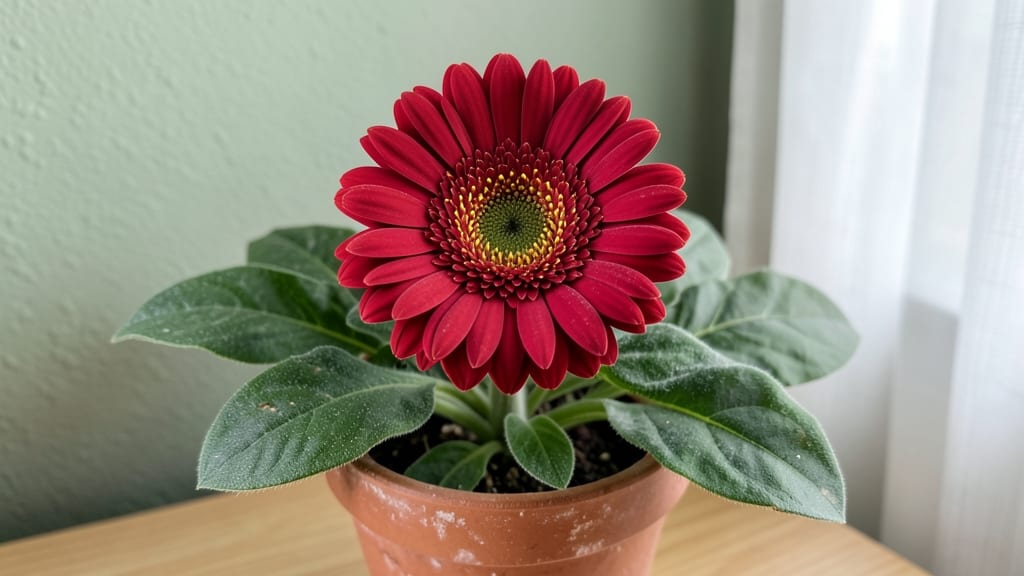
Transform your home with a gerbera indoor plant, and those sunlit garden vibes will spill into your living space—just picture those cheerful blooms lighting up your home for months. 🌸 I’ve kept mine thriving for years by mimicking their natural habitat: plenty of light, just the right amount of moisture, and a soil mix that drains like a dream.
The key isn’t complicated, but it’s easy to mess up if you don’t know what gerberas really need.
You’ll need a 6-inch pot with drainage holes, a well-draining potting mix (think cactus or African violet blend), and a spot where they get 4-6 hours of bright indirect light daily.
Water only when the top inch of soil feels dry—overwatering is their #1 enemy—and keep the air around them slightly humid with a pebble tray or occasional misting. Temperature? They love 65-75°F, so a cozy kitchen or sunny windowsill works perfectly.
With the right care, you’ll see those iconic daisy blooms opening up within 8-12 weeks, and they’ll keep producing flowers if you deadhead spent blooms and fertilize lightly every few weeks. The secret to long-term success?
Avoid drafts, watch for spider mites (their favorite snack), and repot every 2 years to refresh the soil. Trust me, once you nail this, your indoor garden will be the talk of the neighborhood.
Gerberas are finicky but worth it—just don’t expect them to tolerate low light or soggy roots. Start small, adjust as you go, and soon you’ll have a year-round splash of color that’s impossible to resist. Let’s get those blooms popping!
📚 In This Guide
- What you need
- Instructions
- Tips and common mistakes
- Wrapping up and next steps
What you need
- ● Gerbera daisy plant: 1 healthy, blooming indoor variety (check for firm stems and bright petals).
- ● Pot: 1 container with drainage holes (6–8 inches in diameter for mature plants; smaller for seedlings).
- ● Potting mix: 1 bag of well-draining, peat-based or cactus/succulent mix (avoid heavy garden soil).
- ● Drainage material: Small pebbles, perlite, or broken pottery (½ inch layer for the pot’s bottom).
- ● Watering can or spray bottle: 1 with a gentle spray nozzle (for hydration without overwatering).
- ● Fertilizer: 1 balanced liquid fertilizer (10-10-10 or 20-20-20, diluted to half-strength).
- ● Humidity tray: 1 shallow tray with pebbles and water (to boost moisture in dry air).
- ● Grow lights: 1 LED full-spectrum bulb (if natural light is limited; 12–14 hours/day).
- ● Plant food: Slow-release granules (for steady nutrients over 3–6 months).
- ● Pruning shears: 1 small pair (for deadheading or trimming leggy stems).
- ● Decorative pot: 1 outer cache pot (if you prefer a stylish look; ensure it’s slightly larger than the planting pot).
Step-by-step instructions for growing a thriving gerbera daisy indoors
Here's how to bring that vibrant garden cheer inside—without the fuss.
🪴 Step 1: Choose the Right Pot and Soil Mix
Gerberas need room to spread, so pick a 10-12 inch diameter pot with drainage holes. I use terracotta because it breathes and helps prevent root rot—critical for these moisture-sensitive plants. Fill the bottom third with orchid bark or perlite for drainage, then add a high-quality potting mix designed for flowering plants.
Don't skimp on soil quality. Gerberas hate soggy roots, so mix in 20% coarse sand or pumice to improve aeration. Tap the pot gently after filling to settle the soil without compacting it too tightly. The ideal mix should crumble easily when squeezed—like damp cookie dough.
🌱 Step 2: Plant Your Gerbera with Care
Remove the plant from its nursery pot and gently loosen the roots if they're circling. Place it in the center of your new pot so the top of the root ball sits ½ inch below the rim. This gives you room to water without spilling, and prevents the plant from toppling over later.
Fill the gaps around the roots with your prepared soil mix, pressing lightly to eliminate air pockets. Water immediately after planting until water runs freely from the drainage holes. Gerberas wilt dramatically when thirsty, so this first deep watering helps them recover from transplant shock.
☀️ Step 3: Position for Maximum Light
Gerberas crave 6-8 hours of direct sunlight daily. A south-facing window is ideal, but east or west works too—just avoid deep shade. You'll know your plant is happy when the foliage stays vibrant green and the buds form consistently.
If your space lacks natural light, supplement with a grow light positioned 12-18 inches above the plant for 12-14 hours daily. Rotate the pot weekly so the plant grows evenly. Leggy growth or stretching toward one side means your light source isn't sufficient—move closer or add a stronger bulb.
💧 Step 4: Master the Watering Routine
Water when the top 1-2 inches of soil feel dry to the touch. Stick your finger in—the soil should feel slightly damp but not wet. Gerberas are drought-tolerant once established, but they hate soggy roots. I water at the base rather than overhead to prevent fungal issues on the leaves.
In winter, reduce watering to every 7-10 days since indoor heating dries the air. Yellowing leaves often signal overwatering, while crispy edges mean underwatering. Both problems are easily fixed by adjusting your schedule—just watch for these visual cues.
✂️ Step 5: Prune and Encourage More Blooms
Deadhead spent blooms by snipping the stem ¼ inch above the next set of leaves. This redirects the plant's energy into new flower production instead of seed development. I prune in the morning when stems are stiff—it's easier to see where to cut.
Trim leggy stems back to ½ their length in early spring to encourage bushier growth. Avoid cutting into old wood (woody stems)—gerberas won't regrow from those. With proper pruning, you'll get continuous blooms from spring through fall, with occasional winter flowers if given bright light.
Tips & tricks for perfect indoor gerbera daisy care
These simple secrets will help your gerbera daisy thrive indoors—without the guesswork.
Pot and Drainage: I can't stress this enough—gerberas despise soggy roots. After planting, place your 10-12 inch pot in a saucer filled with pebbles and water. This creates a self-watering system where the pot draws up moisture as needed, but excess water drains away. The terracotta material also helps regulate moisture levels better than plastic. Just remember to empty the saucer after 30 minutes to prevent standing water.
Light Source Strategy: Those 6-8 hours of direct sunlight are non-negotiable for vibrant blooms. If your space only gets morning sun, rotate the pot 90 degrees every few days so all sides get equal exposure. For grow lights, I've found LED bulbs with a color temperature of 6500K work best—they mimic natural sunlight without overheating the plant. Position the light so it just grazes the top leaves, not directly above.
Watering Wisdom: The finger test for the top 1-2 inches of soil is foolproof, but here's the trick: press your finger in gently—if it comes out clean, water. If it comes out with soil clinging, wait another day. In winter, I set a reminder on my phone for every 7-10 days since indoor heating dries the air. Pro tip: Use room-temperature water to avoid shocking the roots, especially in cooler months.
Pruning Pro Tips: When deadheading those spent blooms, use clean, sharp scissors to make your cuts. I always sterilize my tools with rubbing alcohol between plants to prevent disease spread. For leggy stems, cut back to a leaf node where you see buds forming—this encourages bushier growth. And here's what nobody tells you: If your gerbera starts producing seed heads, snip those off immediately—they drain energy from potential new blooms.
Pro Tips for Gerbera Indoor Plant
- These simple secrets will help your gerbera daisy thrive indoors—without the guesswork.
- Pot and Drainage: I can't stress this enough—gerberas despise soggy roots.
- Light Source Strategy: Those 6-8 hours of direct sunlight are non-negotiable for vibrant blooms.
Frequently asked questions
Got questions about keeping your gerbera indoor plant thriving? You’re not alone! Here are answers to the most common concerns—from care tips to troubleshooting—so you can enjoy vibrant blooms all year.
How often should I water my gerbera daisy indoors?
Water your gerbera when the top 1–2 inches of soil feel dry. Aim for once a week (adjust based on humidity and light). Overwatering is the #1 killer—ensure pots have drainage holes to prevent soggy roots. A spray bottle for foliage keeps petals fresh but avoid soaking them.
Why are my gerbera leaves turning yellow?
Yellowing leaves usually signal overwatering or nutrient deficiency. Check soil moisture first—let it dry slightly between waterings. If roots smell rotten, repot in fresh, well-draining soil. For yellowing edges, your plant may need more iron or less fluoride (use filtered water).
Can gerbera daisies grow indoors without direct sunlight?
Gerberas love bright, indirect light (6+ hours/day). Without it, they’ll stretch (leggy growth) and bloom less. A south- or west-facing window is ideal. Supplement with a grow light 12–14 hours/day if natural light is dim. Avoid harsh afternoon sun to prevent leaf scorch.
How do I encourage more blooms on my indoor gerbera?
Blooms thrive with bright light and balanced fertilizer (use a 10-10-10 formula every 4–6 weeks in spring/summer). Deadhead spent blooms to redirect energy. Keep temps between 60–75°F—cold drafts or heat stress can halt flowering. Rotate the pot weekly for even light exposure.
What’s the best alternative if gerberas are too high-maintenance?
Try these low-maintenance, cheerful indoor bloomers:
- African Violet – Thrives in indirect light, blooms year-round.
- Peperomia – Drought-tolerant with vibrant foliage.
- Kalanchoe – Loves sun, blooms for months, and stores water.
- Bromeliad – Unique colors, needs minimal watering.
Wrapping up and next steps
Bringing a gerbera daisy into your indoor space isn’t just about adding color—it’s about cultivating joy, one vibrant bloom at a time. 🌸 Whether you’re a seasoned plant parent or a curious beginner, these cheerful flowers thrive with just a little care and the right conditions.
Now that you’re armed with the essentials, it’s time to roll up your sleeves and get growing!
Your next step? Pick your pot, prep your soil, and watch your gerbera transform your space into a sunlit sanctuary. Ready to turn your home into a blooming paradise? Start planting today! 🌱