
Companion Plants
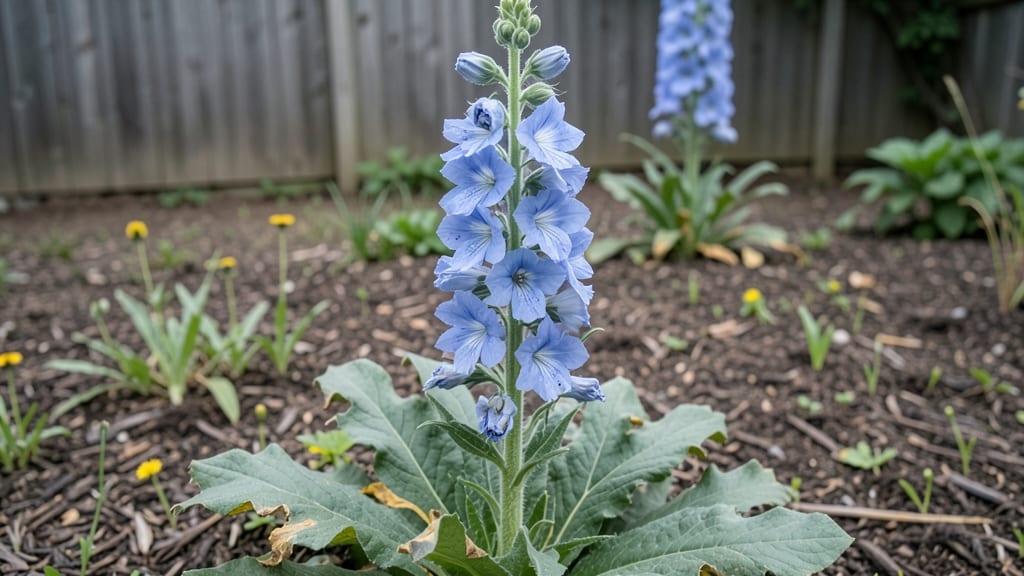
Growing giant delphiniums means welcoming six-foot-tall spires of blue, purple, and white into your garden—each one a magnet for bees and butterflies from early summer through fall. 🌿 I planted my first batch three years ago after seeing them in a neighbor’s yard, and now they’re the star of my perennial border.
The key isn’t just sticking a plant in the ground; it’s giving them the right conditions to reach their full, dramatic potential.
These plants thrive in full sun and well-draining soil—think of them as divas who won’t tolerate soggy feet or shade. Most gardeners overlook their deep root systems, which need room to spread, so amending the soil with compost before planting makes all the difference.
Once established, they’re surprisingly low-maintenance, but they’ll reward you with bold, velvety blooms that last for weeks if you deadhead spent flowers regularly.
By midsummer, you’ll have towering stems loaded with blossoms that sway in the breeze, drawing hummingbirds and bees to your garden. The foliage stays lush and green all season, and the plants self-seed reliably, so you’ll get free new plants year after year.
Just be ready for their impressive height—they need sturdy support or a windy spot to prevent flopping.
Perfect for cottage gardens, pollinator-friendly borders, or even as dramatic cut flowers. Here’s how to give them the care they deserve without the fuss—so you can enjoy their show-stopping presence for years to come.
📚 In This Guide
- What you need
- Instructions
- Tips and common mistakes
- Wrapping up and next steps
What you need
- ● Giant delphinium seeds or plants: Choose Delphinium elatum or hybrid varieties (e.g., 'Blue Bird,' 'Black Night'). Start with 3–5 plants for a small garden or 10+ for a bold statement.
- ● Well-draining soil: Mix 1 part garden soil with 1 part compost and 1 part perlite/sand to prevent root rot. Aim for a pH of 6.0–7.5.
- ● Sunlight: A full-sun location (6+ hours/day) is critical for tall, sturdy stems and vibrant blooms.
- ● Support stakes: 6–8 ft bamboo stakes or metal cages (1 per plant) to prevent flopping in wind or rain.
- ● Balanced fertilizer: Use a 10-10-10 or 20-20-20 formula at planting and again in early summer. Follow label instructions for 1–2 applications.
- ● Garden trowel (for planting seeds/transplants)
- ● Pruners or shears (for deadheading and cutting back)
- ● Watering can or hose with a gentle spray nozzle (delphiniums hate soggy roots!)
- ● Gloves (to protect hands from thorns and soil)
- ○ Mulch (optional but recommended): 2–3 inches of straw or shredded bark to retain moisture and suppress weeds.
- ● 🌡️ Start seeds indoors (4–6 weeks before last frost) if growing from seed for a head start.
- ● ✨ Deadhead spent blooms to encourage more flowers and extend the season.
- ● 🔥 Avoid overwatering—delphiniums prefer consistent moisture but hate waterlogged soil.
- ● 🎯 Rotate stakes every few weeks to prevent stems from leaning against them.
Step-by-Step guide to cultivating giant delphiniums
Here’s how to grow these striking pollinator magnets from seed to towering summer spectacle.
🌱 Step 1: Start Seeds Indoors for Early Strength
Delphiniums thrive when started indoors 8-10 weeks before last frost—their deep taproots need time to establish. Fill a seed tray with the sterile seed-starting mix (never garden soil) and press it down lightly. Scatter seeds ¼ inch deep—they’re tiny, so I use a toothpick to place them precisely. Cover with a thin layer of vermiculite to retain moisture while allowing light penetration.
Keep the tray in a warm spot (65-75°F) under a grow light 12 hours daily. Mist the surface daily until germination, which takes 14-21 days. Resist the urge to water heavily—delphinium seedlings hate soggy soil. Once first true leaves appear, remove the vermiculite and thin to 1 plant per cell.
🪴 Step 2: Harden Off and Transplant Outdoors
Two weeks before transplanting, move seedlings outside for 1-2 hours daily, gradually increasing exposure. Delphiniums are frost-tolerant but need acclimation—sudden cold snaps shock their delicate stems. Choose a sunny, sheltered spot with well-draining soil (they despise waterlogged roots).
Dig holes twice as wide as the root ball but no deeper—delphiniums resent buried crowns. Space plants 2-3 feet apart (they’ll reach 4-6 feet tall). Mix compost into the planting hole to enrich soil, then water deeply. Mulch with 2 inches of straw to retain moisture and suppress weeds—critical in their first growing season.
☀️ Step 3: Provide Support and Season-Long Care
Delphiniums need sturdy support—install 6-foot cages or stakes at planting to prevent wind damage. Their spiky blooms are heavy, and leggy stems snap easily. Fertilize monthly with balanced 10-10-10 (follow label rates) starting in early spring. Avoid high-nitrogen feeds—this encourages leafy growth over flowers.
Water deeply once a week, ensuring soil dries between waterings. Yellowing leaves signal overwatering, while drooping blooms mean thirst. Deadhead spent flowers weekly to encourage continuous blooming. In fall, cut back stems to 6 inches tall and add compost around the base for winter nourishment.
✂️ Step 4: Divide and Propagate for Longevity
Every 3-4 years, delphiniums benefit from division in early spring. Dig up clumps and separate healthy crowns with 3-4 stems each. Replant divisions immediately, as their roots dry quickly. This rejuvenates plants and prevents flopping stems from overcrowding.
Save seeds from your best blooms for next year—delphiniums self-seed readily but may not retain parent traits. Store seeds in a cool, dry place until spring planting. With proper care, your delphiniums will return year after year, their towering spikes drawing bees, butterflies, and hummingbirds all season long.
Tips & tricks for cultivating giant delphiniums
Growing delphiniums to their towering potential requires attention to detail—these tips will help you avoid common pitfalls and maximize your pollinator-friendly garden.
Seed Starting Precision: The 8-10 week indoor starting window is non-negotiable for giant varieties. Use a seed tray with individual cells to prevent overcrowding during germination. I've found that pre-moistening the sterile seed-starting mix before planting helps maintain consistent moisture without oversaturating—delphinium seeds need just enough dampness to germinate, not a swamp. The ¼-inch depth is crucial; planting too deep delays emergence, while too shallow exposes seeds to drying.
Harden Off Gradually: The 1-2 hour daily increments during hardening off are essential, but timing matters more than the clock. Watch for subtle signs of stress—wilting leaves or purple-tinged stems mean you're pushing too fast. I always harden off in the morning when temperatures are cooler, then bring seedlings back indoors before afternoon heat spikes. This mimics natural conditions and prevents shock.
Support System Strategy: Those 6-foot cages or stakes you'll install in Step 3 aren't just decorative—they're critical for preventing stem breakage. I recommend installing supports at planting time rather than retrofitting later. The key is to position them slightly off-center to prevent wind from pushing stems against the support, which can cause abrasions. For extra insurance, tie stems to supports with soft plant ties every 12 inches up the stem.
Fertilization Balance: The monthly 10-10-10 application is perfect, but timing matters more than frequency. I've learned the hard way that applying fertilizer right after watering leads to nutrient burn. Instead, wait until the soil is slightly dry between waterings before fertilizing. This ensures nutrients are absorbed properly rather than sitting on the surface. Also, reduce fertilizer applications by half once blooming begins—too much nitrogen at this stage encourages leafy growth at the expense of those stunning flower spikes.
Pro Tips for Giant Delphinium Plants
- Growing delphiniums to their towering potential requires attention to detail—these tips will help you avoid common pitfalls and maximize your pollinator-friendly garden.
- Seed Starting Precision: The 8-10 week indoor starting window is non-negotiable for giant varieties.
- Harden Off Gradually: The 1-2 hour daily increments during hardening off are essential, but timing matters more than the clock.
Frequently asked questions
Got questions about growing these stunning giant delphinium plants? You’re not alone! Here are some of the most common queries—plus expert-friendly answers to help you cultivate show-stopping blooms with confidence.
How tall do giant delphiniums really grow?
Giant delphiniums (Delphinium elatum) typically reach 4 to 6 feet tall, though some varieties can stretch up to 7 feet with ideal care. Their towering spikes make them perfect for back-of-border drama or cut-flower arrangements. Stake or cage them early to prevent flopping in wind or rain!
When is the best time to plant giant delphiniums?
Plant them in early spring or fall for the best results. Avoid hot summers—delphiniums hate soggy roots and struggle in intense heat. If transplanting, water deeply 1–2 weeks before moving to reduce shock. Pro tip: Hardening off seedlings (acclimating them to outdoor conditions) for 7–10 days boosts survival rates!
Are giant delphiniums deer- or rabbit-resistant?
While they’re not deer-proof, giant delphiniums are less appealing than many other perennials due to their mild toxicity (thanks to alkaloids). To deter nibbling, try:
Here are the top culprits:
Bonus tip: Deadhead spent blooms to redirect energy into more flowers! Pair them with companion plants that thrive in similar conditions:
Avoid heavy feeders like sunflowers—they’ll compete for nutrients. For a low-maintenance combo, try delphiniums with Allium (ornamental onions) and Lupinus (lupines).
Why aren’t my giant delphiniums blooming?
Issue
Fix
Too much nitrogen
Switch to a low-N, high-phosphorus fertilizer (like 5-10-10).
Overcrowding
Thin plants to 12–18 inches apart for better airflow and sunlight.
Leggy stems
Pinch back first-year growth to encourage bushiness.
Poor drainage
Amend soil with compost or sand to prevent root rot.
What can I plant near giant delphiniums for a pollinator-friendly garden?
Wrapping up and next steps
Growing giant delphinium plants is a rewarding way to add height, color, and pollinator-friendly blooms to your garden! 🌸 With the right soil, sunlight, and care, these towering beauties will thrive and become a stunning focal point.
Whether you’re a seasoned gardener or just starting out, their striking presence and low-maintenance nature make them a must-have for any landscape.
Ready to transform your garden? Start by choosing the perfect spot—then grab your seeds or seedlings and get planting! Your future pollinator paradise awaits.