
Companion Plants
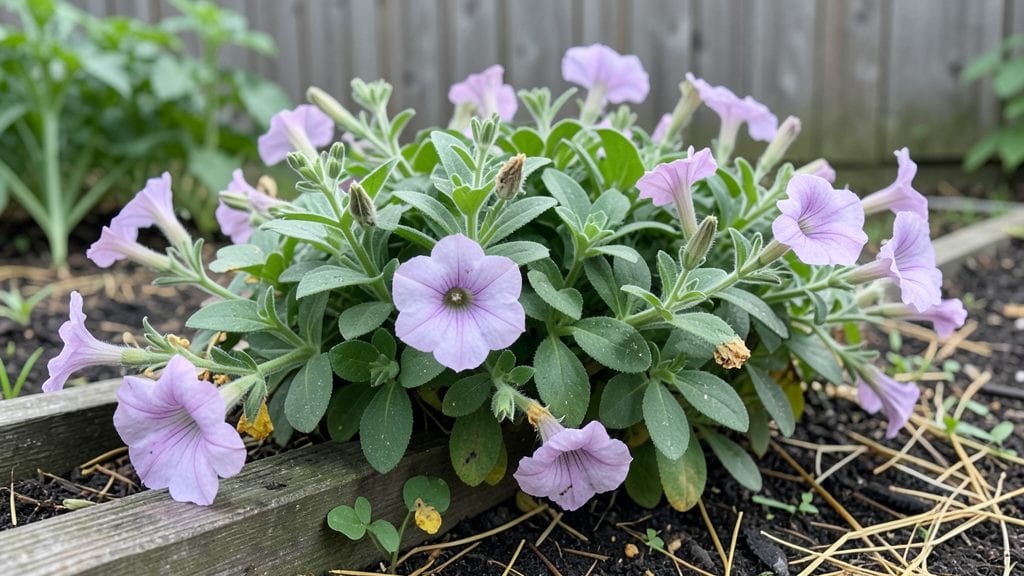
Scented petunia plants transform your garden into a living perfume garden 🌿—their velvety blooms release intoxicating fragrances that linger from morning until sunset.
I’ve grown them for years, and the secret to their fullest scent isn’t just sunlight or water—it’s matching their care to their natural love of warmth and humidity.
These aren’t your average petunias; they’re the kind that make you pause mid-step just to breathe them in, and they’ll keep your pollinators buzzing all season long.
Their needs are simple but specific: 6-8 hours of direct sun, well-draining soil mixed with compost, and consistent moisture without soggy roots. Plant them after your last frost when soil temperatures hit 60°F, and space them 12-18 inches apart for maximum airflow and fragrance.
Container gardeners can use 5-gallon pots—just ensure drainage holes are present. The key to long-lasting blooms is deadheading spent flowers weekly, which encourages nonstop new growth and scent production.
By midsummer, your garden will hum with bees, butterflies, and the sweetest evening air—vanilla, coconut, or even chocolate scents, depending on the variety. The plants stay compact, so they’re perfect for borders, window boxes, or even hanging baskets.
With the right care, you’ll enjoy their fragrance from June through frost, making them the ultimate low-maintenance showstopper. Here’s how to keep them thriving all season.
Fair warning: once you plant these, you’ll never want to go back to unscented varieties. The trade-off? A little extra attention to pests like spider mites (they love dry conditions) and occasional fungal issues in humid climates.
But the payoff—a garden that smells like a tropical vacation—makes it worth every minute. Let’s get those fragrant blooms growing!
📚 In This Guide
- What you need
- Instructions
- Tips and common mistakes
- Wrapping up and next steps
What you need
- ● Scented petunia seeds or seedlings: Choose fragrant varieties like 'Mitchell Diploid' or 'Sweet Fragrance' (3–6 plants for a small garden, 10+ for larger spaces).
- ● Well-draining potting mix: 1–2 bags (10–20 lbs each) of high-quality seed-starting mix or garden soil amended with compost (50% soil, 50% compost).
- ● Containers or garden beds: For seedlings: 4–6" deep pots with drainage holes (1–2 plants per pot).
- ● For mature plants: Garden beds with full sun (6+ hours/day) or large containers (12"+ diameter).
- ● Slow-release fertilizer: 1 lb of 10-10-10 or 20-20-20 NPK blend (follow package rates).
- ● Watering can or hose with gentle spray nozzle.
- ● Hand trowel or small shovel for transplanting.
- ● Pruning shears (for deadheading and shaping).
- ● Mulch (straw or shredded bark) to retain moisture (1–2 inches).
- ○ Epsom salt (optional) for magnesium boost (1 tbsp per gallon of water, monthly).
- ● Pollinator-friendly companions: Marigolds, lavender, or basil to enhance scent and attract bees! 🐝
How to plant and care for scented petunias for long-lasting fragrance
These fragrant beauties thrive with the right approach—here’s how to coax their signature scent and vibrant blooms all season.
🌱 Step 1: Choose the Right Location and Soil
Scented petunias crave full sun—at least 6-8 hours daily—and well-draining soil to prevent root rot. I always test soil moisture before planting: press your finger 1 inch deep—if it feels damp, wait a day. Amend heavy clay with 2-3 inches of compost (from your materials) to improve aeration and nutrient retention.
Here’s the thing—these plants wilt dramatically in afternoon heat, so I plant mine in morning sun with afternoon shade if temperatures exceed 85°F. The fragrance intensifies in cooler evenings, so position them near seating areas or walkways where you’ll enjoy the scent.
🪴 Step 2: Plant Transplants at the Correct Depth and Spacing
Dig holes twice as wide as the root ball but only as deep—the top of the root ball should sit level with the soil surface. Pressing soil firmly around the roots eliminates air pockets that cause wilting. Space plants 12-18 inches apart (closer for trailing varieties) to allow airflow and prevent fungal diseases.
I always remove the bottom leaves before planting—submerged foliage rots before it dries. Water deeply right after transplanting to settle the soil and encourage root contact. Mulch with 1-2 inches of organic mulch (from your materials) to retain moisture and suppress weeds, but keep it 2 inches away from stems to prevent rot.
☀️ Step 3: Water Deeply and Consistently
Scented petunias despise soggy roots but need 1 inch of water weekly—more in extreme heat. I check moisture by lifting a pot (if container-grown) or pressing 1 inch deep with my finger. Water in the early morning to reduce evaporation and fungal risks. Avoid overhead watering after dark—wet foliage invites powdery mildew.
Here’s what I do: I water at the base until soil feels uniformly moist to 6 inches deep. You’ll know you’ve nailed it when leaves stay crisp and upright instead of wilting by midday. If you see yellowing lower leaves, it’s often overwatering—let the top 2 inches dry out before watering again.
✂️ Step 4: Prune and Deadhead Regularly
Pinch back leggy stems by one-third when plants are 6 inches tall to encourage bushier growth. Use clean, sharp pruners (from your materials) and cut just above a leaf node at a 45-degree angle to prevent water pooling. Deadhead spent blooms weekly—this isn’t just about looks; it redirects energy to new flowers and extends the fragrance season.
I always prune on a dry, sunny morning when plants are fully hydrated. If you see blackened stems, it’s likely botrytis blight—remove affected stems immediately and improve airflow by spacing plants farther apart. The scent weakens when plants are stressed, so consistent pruning keeps them vigorous.
🌿 Step 5: Fertilize for Scent and Bloom Intensity
Feed every 2-3 weeks with a balanced, water-soluble fertilizer (from your materials) diluted to half-strength. I mix it into water and apply in the early morning to avoid leaf burn. The key is consistency—skip fertilizing if soil is waterlogged or plants show signs of stress (like yellowing leaves). You’ll notice brighter blooms and stronger scent within 2 weeks of regular feeding.
Real talk: Over-fertilizing causes leafy growth at the expense of flowers. I always check the fertilizer label for phosphorus content (the middle number)—aim for at least 10% to boost blooming. If your petunias produce fewer flowers, it’s time to adjust your feeding schedule or switch to a bloom-specific formula.
Tips & tricks for perfect scented petunia care
Mastering these fragrant beauties takes attention to detail—here’s how to maximize their scent and longevity without the guesswork.
Sunlight Strategy: The 6-8 hours of daily sun in Step 1 is non-negotiable, but here’s the secret: I always position my petunias to catch the morning sun and afternoon shade when temperatures hit 85°F. This prevents the dramatic wilting I used to see in my first garden. Place them near seating areas where the evening breeze carries their fragrance directly to you—this is when the scent peaks naturally.
Soil Science: That 2-3 inches of compost in Step 1 isn’t just about nutrients—it’s about creating the perfect air-soil balance. I test soil moisture by pressing my finger 1 inch deep before watering, but here’s what I’ve learned: clay soil? Add an extra inch of compost. Sandy soil? Mix in 1 inch of peat moss. The goal is that 6-inch deep moisture we want without waterlogging.
Pruning Precision: When pinching back those leggy stems in Step 4, cut just above a leaf node at a 45-degree angle—this isn’t just about aesthetics. The angled cut prevents water from pooling on the stem, which drastically reduces botrytis blight risk. I’ve found that pruning on dry mornings when plants are fully hydrated means cleaner cuts and less stress on the plant. And that weekly deadheading? It’s not just about looks—it extends the fragrance season by redirecting energy to new blooms.
Fertilizer Fine-Tuning: That 2-3 week feeding schedule in Step 5 works, but here’s the pro move: I always check for at least 10% phosphorus (the middle number) on the fertilizer label. This is what actually boosts those fragrant blooms. And when I see fewer flowers than expected, I switch to a bloom-specific formula—it’s made all the difference in scent intensity. The key is consistency, but never fertilize when soil is waterlogged or plants show stress signs.
Pro Tips for Scented Petunia Plants
- Mastering these fragrant beauties takes attention to detail—here’s how to maximize their scent and longevity without the guesswork.
- Sunlight Strategy: The 6-8 hours of daily sun in Step 1 is non-negotiable, but here’s the secret: I always position my petunias to catch the morning sun and afternoon shade when temperatures hit 85°F.
- Soil Science: That 2-3 inches of compost in Step 1 isn’t just about nutrients—it’s about creating the perfect air-soil balance.
Frequently asked questions
Got questions about growing scented petunia plants? You’re not alone—these fragrant beauties are full of surprises! Here are answers to the most common queries to help you cultivate success.
When is the best time to plant scented petunias?
Plant them after the last frost when soil temperatures reach at least 55°F (13°C). For most U.S. zones, this means late spring (May–June). If you’re in a warm climate, you can start as early as March. Pro tip: Use black plastic mulch to warm the soil faster and extend your growing season!
How often should I water scented petunias?
Water them deeply 2–3 times per week (more in extreme heat). Aim for 1–1.5 inches of water per week, ensuring the soil stays consistently moist but not soggy. Morning watering is best—it reduces fungal risks and lets foliage dry quickly. Drip irrigation or soaker hoses work wonders to keep roots happy!
Why aren’t my scented petunias attracting pollinators?
Pollinators love them—but if bees or butterflies are scarce, check these fixes:
- Plant companions: Add bee balm, lavender, or marigolds nearby to create a "pollinator buffet."
- Timing: Scented petunias bloom best in full sun (6+ hours/day). If they’re shaded, they may produce fewer flowers.
- Pesticides: Skip chemical sprays—opt for neem oil or soapy water sprays instead.
Can I grow scented petunias in containers?
They thrive in 5–7 gallon pots with well-draining soil and a slow-release fertilizer. Just ensure containers have drainage holes and place them where they get bright, indirect light (like a patio or balcony). Bonus: Mix them with trailing nasturtiums for a fragrant, cascading display!
What should I do if my scented petunias develop brown edges?
Brown edges usually mean underwatering, overwatering, or salt buildup from tap water. Try this:
- Check soil moisture—if it’s dry 1 inch down, water deeply.
- Flush the soil with rainwater or distilled water to reduce salt.
- Move pots to shadier spots if temps exceed 90°F (32°C).
If the issue persists, your petunias might need a balanced fertilizer (like 10-10-10) to boost health.
Wrapping up and next steps
Scented petunia plants are a game-changer for gardeners who crave beauty, fragrance, and pollinator-friendly blooms! 🌸 Their low-maintenance nature and ability to thrive in containers or garden beds make them a versatile choice for any outdoor space.
Whether you're a seasoned gardener or just starting out, these fragrant flowers bring joy and life to your landscape.
Ready to transform your garden? Start by picking your favorite varieties and following the simple care tips outlined above. Before you know it, your space will be filled with sweet, intoxicating scents and buzzing with happy pollinators! 🐝