Pruning
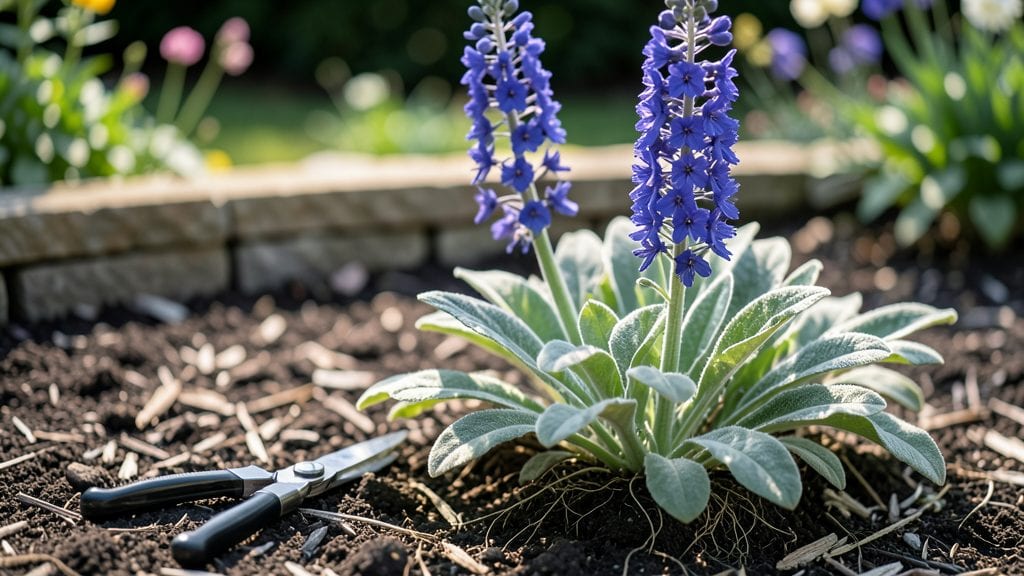
Pruning delphinium plants isn't just about cutting back—it's the secret to getting those towering stems packed with blooms all season long. ✨ I've learned that skipping this step means fewer flowers and weaker stems, but doing it right turns your delphiniums into the star of the garden.
The timing and technique matter more than you'd think, and I'll show you exactly how to do it without harming your plants.
You only need a few simple tools: sharp bypass pruners, garden gloves, and a bucket for clippings. The key is to prune after each flush of blooms fades—what gardeners call "deadheading"—and again in late fall to prep for next year.
Most people over-cut or prune at the wrong time, which stresses the plant. I've made that mistake, and trust me, you don't want leggy stems with sparse blooms.
After pruning, your delphiniums will reward you with stronger stems, more buds, and blooms that last weeks longer. The plants stay compact, resist flopping in wind, and produce flowers from early summer straight through to frost.
It's like giving them a fresh start every time the old blooms fade—just like nature intended.
This method works for all delphinium varieties, from dwarf types to the classic 6-foot giants. Whether you're a first-time gardener or a seasoned pro, these steps will help you get the most dramatic display possible. Let's make those stems reach for the sky!
📚 In This Guide
- What you need
- Instructions
- Tips and common mistakes
- Wrapping up and next steps
What you need
- ● Pruning shears or bypass pruners – Choose sharp, sterilized tools with 4- to 6-inch blades for precision cuts.
- ● Garden gloves – Opt for cut-resistant, breathable gloves (e.g., nitrile-coated) to protect your hands from thorns.
- ● Disinfectant (70% isopropyl alcohol or bleach solution) – Clean tools before and after pruning to prevent disease spread.
- ● Garden twine or plant ties – A 1/8-inch-wide, 3-foot length helps secure tall stems if needed.
- ● Compost bin or mulch – Collect pruned stems for nutrient recycling.
- ● Hand pruners (for smaller stems) – Great for delicate trimming.
- ● Knee pad or stool – For comfort when working with tall delphiniums.
- ● Plant marker or labels – If you’re pruning multiple varieties, keep track!
- ● Rubbing alcohol wipes – Quick tool sterilization between cuts.
Step-by-Step instructions for pruning delphinium plants
Here's how to keep your delphiniums thriving with bold, repeat blooms all season.
✂️ Step 1: Remove Spent Blooms Immediately
As soon as a flower cluster fades and its petals start falling, snip the entire spent bloom stem back to the first set of healthy leaves below it. I use sharp bypass pruners to make clean cuts—this prevents disease from entering through jagged edges. Delphiniums respond best when you remove blooms before they form seed heads, which saps energy from new growth.
Focus on the main stems first, working your way outward. You'll see fresh side shoots emerging within 2-3 weeks—this is your plant's way of telling you it's ready for more blooms. The key is consistency: check your delphiniums every 3-5 days during peak bloom time to stay on top of deadheading.
✂️ Step 2: Prune Leggy Stems for Compact Growth
After the initial flush of blooms, you may notice some stems growing tall and spindly with few leaves. These "leggy" stems won't produce strong new blooms. Cut them back by one-third at the base, just above a leaf node where new growth can emerge. I always make my cuts at a slight angle to prevent water from pooling.
This pruning encourages the plant to put energy into developing more lateral branches instead of just one tall stem. You'll see bushier growth within 3-4 weeks, and these new stems will produce secondary blooms. Avoid cutting into the woody base—delphiniums are tender perennials and won't regrow from old wood.
✂️ Step 3: Thin Overcrowded Stems in Spring
In early spring, before new growth appears, examine your delphinium clump. If you have more than 5-7 strong stems growing from the base, some will be weak and won't bloom well. Select the 3-5 healthiest stems and cut the rest back to the ground. This might seem drastic, but it prevents competition for nutrients and ensures stronger blooms.
I like to do this when the soil is still cool (50-55°F) but new shoots are just starting to emerge. You'll notice the remaining stems grow thicker and produce more abundant blooms later in the season. This is especially important for older plants that naturally produce more stems each year.
✂️ Step 4: Clean Up After Final Blooms
Once your delphiniums finish their last flush of flowers in late summer, cut all remaining stems back to 4-6 inches above the ground. This prevents the plant from putting energy into seed production and prepares it for winter. I always sterilize my pruners with rubbing alcohol between cuts to prevent spreading any fungal spores.
Leave the foliage on the ground—it provides some winter protection and breaks down to return nutrients to the soil. You'll see fresh green growth emerge in early spring from the base. This final pruning is crucial for maintaining plant health and ensuring strong blooms next season.
⏰ Step 5: Time Your Pruning for Best Results
Prune in the morning on a cool, cloudy day to reduce stress on the plant. Avoid pruning in extreme heat or after rain, as this can invite disease. I've found that delphiniums respond best to pruning right after a bloom cycle, rather than waiting until flowers are completely dead.
The goal is to keep your delphiniums blooming continuously from early summer until frost. With regular deadheading, you'll enjoy 8-10 weeks of continuous color from each plant. This is especially rewarding for the tall delphinium varieties that make such striking garden focal points.
Tips & tricks for pruning delphinium plants
These simple tricks will help you maximize your delphiniums' blooming potential without stressing the plants.
Timing is Everything: In Step 1, when you're removing spent blooms every 3-5 days, focus on the main stems first. This ensures the plant directs energy to the strongest growth. I've found that delphiniums respond best when you prune right after a bloom cycle, rather than waiting for flowers to completely die back. The 2-3 week window for new side shoots to emerge is your plant's way of signaling it's ready for more blooms.
Pruning Technique Matters: When you're cutting back those leggy stems in Step 2, make your cuts at a slight angle just above a leaf node. This simple technique prevents water from pooling and reduces the risk of disease. I always use sharp bypass pruners to make clean cuts—dull blades can crush stems and invite infections. Remember, you're not just trimming, you're encouraging the plant to grow bushier and stronger.
Spring Pruning Wisdom: For Step 3, when thinning overcrowded stems in early spring, aim to keep only 3-5 of the healthiest stems. This might feel drastic, but it prevents competition for nutrients. I like to do this when soil temperatures are around 50-55°F—cool enough to reduce stress but warm enough to see new shoots emerging. This is especially important for older plants that naturally produce more stems each year.
Clean Up Strategy: In Step 4, when you're doing your final cleanup after the last blooms, cut stems back to about 4-6 inches above the ground. This prevents seed production and prepares the plant for winter. I always sterilize my pruners with rubbing alcohol between cuts to prevent spreading any fungal spores. Leave the foliage on the ground—it provides winter protection and returns nutrients to the soil as it breaks down.
Pro Tips for Pruning Delphinium Plants
- These simple tricks will help you maximize your delphiniums' blooming potential without stressing the plants.
- Timing is Everything: In Step 1, when you're removing spent blooms every 3-5 days, focus on the main stems first. Thi...
- Pruning Technique Matters: When you're cutting back those leggy stems in Step 2, make your cuts at a slight angle jus...
Frequently asked questions
Got questions about keeping your delphiniums thriving after pruning? Here’s what you need to know—from timing to troubleshooting!
When is the best time to prune delphiniums for repeat blooms?
Prune delphiniums after the first flush of blooms fades (late spring to early summer). Cut back stems to 6–12 inches above the ground, but avoid pruning too late in the season—this can stunt fall growth. For perennials, a light trim in early spring also encourages fresh shoots.
Do I need to sterilize my pruners before and after trimming?
Yes! Sterilizing your pruners with rubbing alcohol or a 10% bleach solution prevents spreading diseases like powdery mildew or bacterial wilt. Wipe blades before and after each plant to keep your garden healthy.
What if my delphiniums don’t rebloom after pruning?
Check these fixes:
- Light—delphiniums need 6+ hours of sun daily.
- Soil—amend with compost for better drainage.
- Water—keep soil moist but not soggy. If blooms still refuse, your plant may be annual (not perennial) or overcrowded—thin stems for airflow.
Can I prune delphiniums too hard? What are the signs?
Over-pruning (cutting below 6 inches) can weaken perennials, leading to stunted growth or no reblooms. Signs include yellowing leaves, leggy stems, or no new buds. If this happens, reduce future cuts and fertilize lightly with low-nitrogen food.
Should I prune delphiniums in fall or winter?
Avoid heavy pruning in fall/winter—it removes energy reserves stored in stems. Instead, cut back dead or damaged foliage in late winter (just before new growth starts). Mulch lightly to protect roots in cold climates.
Wrapping up and next steps
Pruning your delphinium plants doesn’t have to be intimidating—it’s all about timing, technique, and a little patience! By mastering deadheading and strategic cutting, you’ll unlock a second wave of those stunning, towering blooms that make these plants so special. 🌸
Ready to see your garden thrive? Grab your shears and give it a try—your delphiniums will thank you with show-stopping repeat blooms all season long! For extra tips, check out our FAQ section or explore other pruning guides to keep your garden flourishing.