
Companion Plants
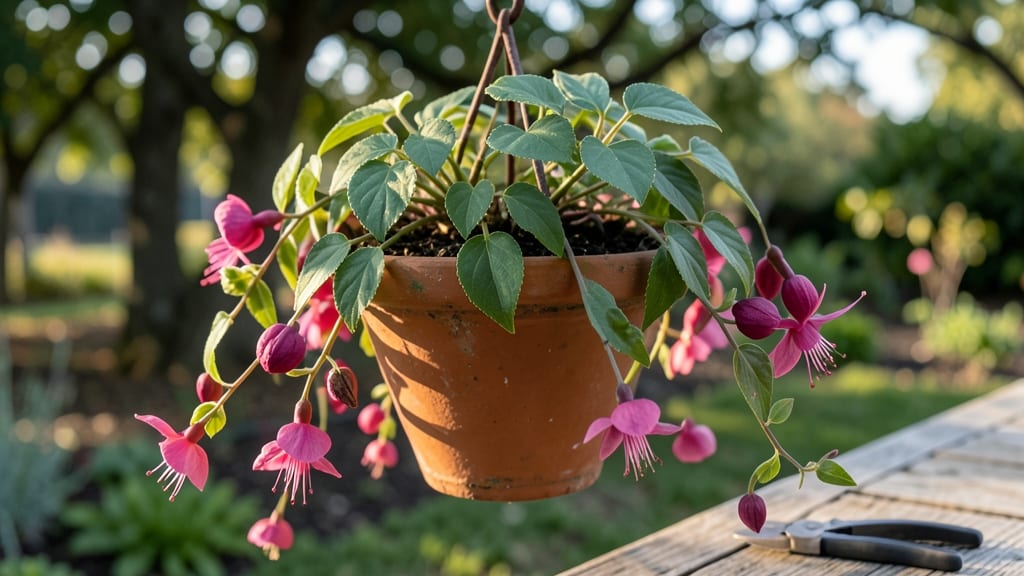
The fuchsia trailing plants I fell for are the secret to vibrant patios that hummingbirds can’t resist—after my regular fuchsias wilted in the heat, these cascading stars took over every basket.
The secret lies in their love of partial shade, consistent moisture, and the right pruning rhythm to keep those stems flowing.
You'll need well-draining potting mix, a container with drainage holes, and a spot that gets morning sun but afternoon shade—think dappled light under trees. Most trailing varieties like 'Grafton Beauty' or 'Lady Boothby' grow 3-5 feet long, so plan your space accordingly.
The key is keeping soil moist but not soggy; let the top inch dry between waterings, and you'll avoid the most common killer—root rot.
By midsummer, you'll have a lush curtain of blooms that lasts from spring through fall, with proper care. The flowers attract pollinators like crazy, and the foliage stays vibrant when you deadhead spent blooms regularly.
Prune back by a third in early spring to encourage bushier growth, and watch those trails thicken up beautifully.
Works equally well in hanging baskets, window boxes, or tucked into garden beds where they can spill over edges. Even in winter, with a little protection, these plants keep surprising you with color when most gardeners are dreaming of spring. Let's get those trailing fuchsias growing!
📚 In This Guide
- What you need
- Instructions
- Tips and common mistakes
- Wrapping up and next steps
What you need
- ● Fuchsia trailing plants: Choose disease-resistant varieties like Fuchsia ‘Graceland’ or Fuchsia ‘Midnight Mystique’ (2–4 plants per container or 6–8 plants per square foot in garden beds).
- ● Well-draining potting mix: 1–2 bags (look for a blend labeled for acid-loving plants, like azaleas or rhododendrons).
- ● Containers or hanging baskets: 12–18" diameter containers (for 1–2 plants each).
- ● Hanging baskets (12–16" diameter, with drainage holes).
- ○ Optional: Self-watering planters for low-maintenance care.
- ● Slow-release fertilizer: 1–2 cups of balanced 10-10-10 or acid-loving plant fertilizer (follow package instructions).
- ● Mulch: 1–2 inches of pine bark fines or coco coir (to retain moisture and acidity).
- ● Gloves: 1 pair (gardening gloves to protect hands from thorns).
- ● Trowel or small shovel: 1 (for transplanting or amending soil).
- ● Watering can or hose with gentle spray: 1 (fuchsias hate soggy roots!).
- ● Pruning shears: 1 pair (for shaping and deadheading).
- ○ Support stakes or trellis: Optional (if training vines vertically).
- ○ pH testing kit: Optional but helpful (ensure soil pH is 5.5–6.5 for optimal growth).
- ● Companion plants: Pair with salvias, lobelias, or calibrachoas for a pollinator paradise.
- ● Pollinator-friendly mulch: Clover or straw (encourages beneficial insects).
- ● Decorative elements: Moss, pebbles, or solar-powered lights (for a whimsical touch!).
How to grow and maintain fuchsia trailing plants
Here’s the straightforward approach to keeping your fuchsia plants lush, blooming, and buzzing with pollinators all year.
Choose the Right Location for Maximum Blooms
Fuchsias thrive in bright, indirect light—think east or north-facing windows or a shaded patio. Direct afternoon sun scorches their delicate leaves, while too little light weakens stems and reduces flowers. I place mine near a sheer curtain in a west-facing window, where they get dappled light all day.
If growing outdoors, position them under a 50% shade cloth or beneath taller plants that filter harsh afternoon rays. You’ll notice the difference immediately: plants in ideal light produce longer, bushier vines and more vibrant blooms. Watch for leaves turning yellow or crispy edges—those are your cues to adjust the light.
Plant in Well-Draining Soil with Proper Support
Use a light, airy potting mix (like a blend of peat moss, perlite, and compost) to prevent root rot, which fuchsias are prone to. Fill your 6-inch hanging basket or container with the mix, leaving 1 inch of space at the top for watering. Fuchsias have shallow roots, so a wide, shallow pot encourages spreading growth.
Insert a small trellis or wire frame into the soil as you plant. The vines will naturally cling to it as they trail, but the support prevents them from breaking under the weight of flowers. Gently tease the roots apart if they’re crowded, and bury the plant just deep enough so the soil line matches its previous level. Water thoroughly after planting to settle the soil and remove air pockets.
Water Consistently and Fertilize for Continuous Blooms
Keep the soil evenly moist but never soggy—fuchsias wilt quickly when thirsty but also struggle in waterlogged conditions. Water when the top inch of soil feels dry to the touch, usually every 2-3 days in summer and every 5-7 days in winter. I use room-temperature water to avoid shocking the roots, and I water at the base to keep leaves dry, which prevents fungal issues.
Feed your plants every 2 weeks in spring and summer with a balanced, water-soluble fertilizer (like 10-10-10) diluted to half strength. This encourages lush foliage and abundant blooms. In fall and winter, reduce feeding to once a month—less growth means fewer flowers, but it also helps the plant rest. You’ll see a noticeable difference in bloom quantity after just a few feedings.
Prune and Train for Bushier Growth
Pinch back the tips of new growth when stems reach 4-6 inches long to encourage branching. This simple step transforms leggy, sparse vines into full, bushy plants. Use clean, sharp scissors to make cuts just above a leaf node—never tear the stems, as this damages the plant. I prune mine in early spring and again after the first flush of blooms to shape them and remove any dead or weak growth.
In late summer, cut back any overly long or bare stems by one-third to promote fresh growth before fall. Fuchsias bloom on new wood, so regular pruning keeps them compact and flowering heavily. If a vine gets too top-heavy, gently tie it to the support with soft twine to prevent breakage. Deadhead spent blooms by snipping the stem just above the next set of leaves—this redirects the plant’s energy into producing more flowers.
Overwinter for Next Year’s Blooms
When temperatures drop below 50°F, move your fuchsias indoors to a cool, bright spot (like a garage with a window or a sunroom). Reduce watering to once every 10-14 days, just enough to keep the soil lightly moist. Stop fertilizing entirely during this dormant period—it helps the plant conserve energy for spring growth.
Check for pests like spider mites or aphids, which love the dry indoor air. If you spot any, wipe the leaves with a damp cloth or treat with insecticidal soap. In late winter (around February), resume regular watering and fertilizing to wake the plant up. You’ll see new growth within 3-4 weeks, signaling it’s ready to bloom again.
Tips & tricks for perfect fuchsia trailing plants
A few simple tricks will help you keep your fuchsia trailing plants thriving and blooming all year round.
Lighting Insight: In Step 1, when positioning your fuchsias, remember that bright indirect light is key. If you notice leaves turning yellow or developing crispy edges, it’s a clear sign you need to adjust their location. I’ve found that rotating the plants every few weeks helps ensure even growth, especially if you’re using a single window as your light source. This prevents one side from becoming leggy while the other stays weak.
Soil and Support Strategy: For Step 2, the well-draining potting mix is crucial, but don’t overlook the importance of the container size. A 6-inch hanging basket works well, but if you’re using a wider container, make sure it’s no deeper than 6 inches—fuchsias have shallow roots and can rot if planted too deeply. When inserting your trellis or wire frame, push it in gently but firmly to provide stable support without damaging the roots.
Watering Wisdom: In Step 3, the rule of thumb for watering—when the top inch of soil feels dry—is perfect, but there’s more to it. I’ve learned that the best time to water is in the morning, which gives the plant plenty of time to absorb moisture before the evening. Also, always water at the base of the plant to keep those delicate leaves dry, which helps prevent fungal diseases that can plague fuchsias.
Pruning Precision: When it comes to Step 4, pinching back tips at 4-6 inches is a game-changer, but timing matters. Early spring is ideal for the first pinch, but don’t wait too long—if you let the stems grow too long before pinching, you’ll end up with fewer branches. For deadheading, always snip just above a leaf node; this encourages new blooms to form right where the old flower was, creating a bushier plant over time.
Pro Tips for Fuchsia Trailing Plants
- A few simple tricks will help you keep your fuchsia trailing plants thriving and blooming all year round.
- Lighting Insight: In Step 1, when positioning your fuchsias, remember that bright indirect light is key.
- Soil and Support Strategy: For Step 2, the well-draining potting mix is crucial, but don’t overlook the importance of the container size.
Frequently asked questions
Got questions about fuchsia trailing plants? You’re not alone!
Here are answers to the most common queries to help you grow these pollinator magnets with confidence.
How do I keep my fuchsia trailing plants blooming all year?
Fuchsias thrive with consistent care. Prune leggy stems in early spring to encourage bushiness, and fertilize lightly every 4–6 weeks with a balanced, water-soluble formula (like 10-10-10). In cooler climates, bring potted fuchsias indoors before frost and place them near a bright window. Pro tip: Deadhead spent blooms to redirect energy to new flowers!
Can fuchsia trailing plants survive winter outdoors?
Most fuchsias are tender perennials, meaning they’ll die back in freezing temps. In USDA Zones 9–11, they may overwinter outdoors with mulch. For colder zones, dig up potted plants or mound soil around the base of in-ground fuchsias for insulation. Bonus: Some varieties, like Fuchsia magellanica, are hardier and can tolerate light frosts.
Why aren’t bees or hummingbirds visiting my fuchsia flowers?
Fuchsias are hummingbird and bee magnets—but only if they’re healthy! Ensure your plants are in full sun to partial shade (6+ hours of light) and blooming actively. Avoid pesticides, as they can repel pollinators. Fun fact: Hummingbirds love the red or pink tubular blooms, so choose those colors to attract them faster!
What’s the best companion plant for trailing fuchsias?
Pair fuchsias with complementary textures and colors for a stunning display. Try:
- Sweet Alyssum (white/purple blooms) – attracts bees and cascades nicely.
- Coleus – adds foliage contrast with vibrant leaves.
- Lantana – drought-tolerant and blooms in cheerful yellow/orange.
- Ferns – softens the look with lush greenery.
My fuchsia leaves are yellowing—what’s wrong?
Yellowing leaves usually signal overwatering or nutrient deficiency. Check the soil: it should stay evenly moist but not soggy. If roots are mushy, repot in well-draining mix. For yellowing between veins, it’s often iron deficiency—try a chelated iron supplement. Pro tip: Ensure pots have drainage holes to prevent root rot!
Wrapping up and next steps
Fuchsia trailing plants bring vibrant color, pollinator magic, and effortless beauty to any garden—whether you’re a seasoned gardener or just starting out. 🌸 Their low-maintenance charm and ability to thrive in containers or hanging baskets make them a must-have for year-round interest.
Ready to transform your space? Start small: pick a sunny spot, grab a few trailing varieties, and watch your garden buzz with life!
🚀 Next Steps:
- Pick your favorite fuchsia—try ‘Giant Marble’ or ‘Apple Blossom’ for a showstopper!
- Check local nurseries or online plant shops for healthy starts.
- Share your progress—tag us in your garden pics! 📸