
Companion Plants
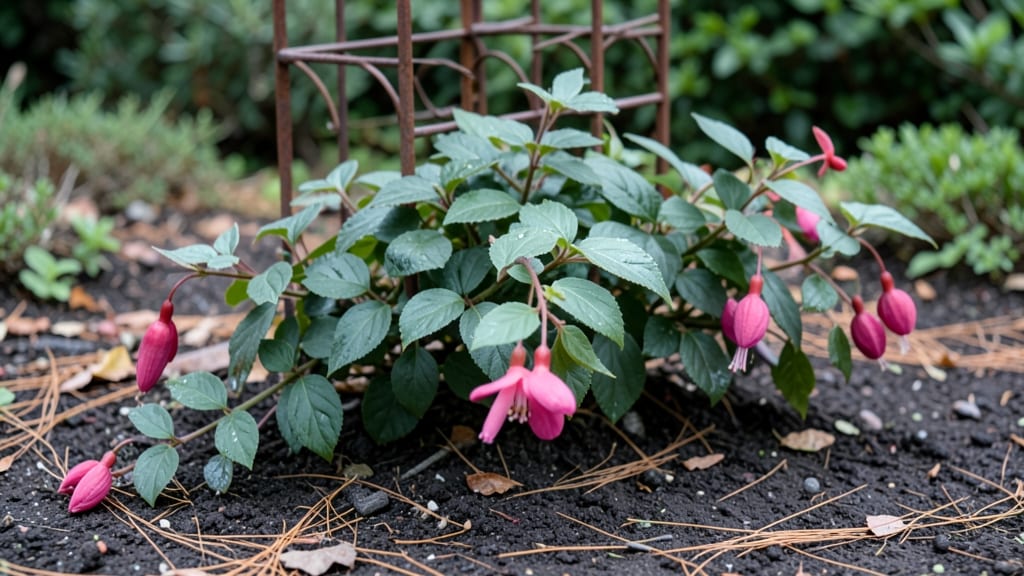
Bush fuchsia plants turn my summer garden into a hummingbird buffet—those velvety, tubular blooms are impossible to resist. 🌿 I planted mine last spring, and within weeks, they became the star of the patio, attracting more hummingbirds than I’d ever seen before.
The best part? They handle dry spells like champs, which is a game-changer for my forgetful watering schedule.
These plants thrive in full sun to partial shade, so they adapt to almost any spot in your yard. The soil doesn’t need to be fancy—just well-draining and slightly acidic—though I’ve had great luck with regular garden soil mixed with a little compost.
Watering is easy too: let the top inch dry out between drinks, and you’ll avoid the root rot that plagues so many other flowers.
By midsummer, you’ll have a cascade of blooms in shades of pink, purple, and white, all while keeping your hummingbird friends buzzing happily. The trailing habit makes them perfect for hanging baskets or spilling over container edges, adding a touch of whimsy to any space.
Pruning spent flowers encourages even more blooms, so deadheading becomes a rewarding chore instead of a chore.
Now, here’s the kicker—these plants aren’t just drought-tolerant, they’re tough enough to survive light frosts if you mulch them well. That means you can enjoy their beauty well into fall, and with a little winter protection, they’ll bounce back stronger than ever. Ready to grow your own hummingbird haven?
📚 In This Guide
- What you need
- Instructions
- Tips and common mistakes
- Wrapping up and next steps
What you need
- ● Bush fuchsia plants: 3–5 mature plants (choose disease-resistant varieties like Fuchsia magellanica or Fuchsia ‘Giantess’ for optimal blooms).
- ● Well-draining potting mix: 10–15 gallons (blend 60% peat moss or coco coir, 30% perlite, and 10% compost for aeration).
- ● Containers or garden beds: Containers: 12–18" pots with drainage holes (3–5 plants per container).
- ● Garden beds: Full sun to partial shade (4–6 hours of light daily).
- ● Slow-release fertilizer: 1 lb (5–10–5 NPK ratio) mixed into soil at planting.
- ● Mulch: 2–3 inches of organic mulch (e.g., shredded bark or pine needles) to retain moisture.
- ● Watering can or hose with a gentle spray nozzle: For deep but infrequent watering.
- ● Pruning shears: Sharp, sterilized shears (for trimming leggy stems in early spring).
- ● Epsom salt: 1 tbsp per gallon of water (monthly foliar spray for magnesium boost).
- ● Hummingbird feeders: Place 3–4 feet away from plants to attract pollinators.
- ● Trellis or stakes: For climbing varieties (e.g., Fuchsia ‘Lady Boothby’).
- ● Drought-resistant companion plants: Pair with lavender, salvia, or succulents for a low-maintenance garden.
- ● Garden gloves: To protect hands while handling thorny stems (some varieties have mild prickles!).
Step-by-Step guide to planting and caring for bush Fuchsia plants
Here's how to grow these stunning, drought-tolerant bloomers that hummingbirds adore—simple steps for vibrant results.
🌱 Step 1: Choose the Right Location and Prepare the Soil
Bush fuchsias thrive in partial shade to dappled sunlight, making them perfect for under trees or near east-facing windows. I always pick a spot with morning sun and afternoon shade—this prevents the delicate blooms from scorching in intense afternoon heat. Test your site by observing how much light it gets throughout the day.
Amend the soil with 2-3 inches of compost to improve drainage, since fuchsias hate soggy roots. Mix it into the top 6 inches of soil using a garden fork. The goal is loose, well-draining soil that mimics their natural woodland habitat. If your soil is heavy clay, add a handful of perlite to each planting hole to prevent compaction.
🪴 Step 2: Plant Your Fuchsia Starts at the Right Depth
Dig a hole twice as wide as the root ball but only as deep as the container it came in. Gently remove the plant, loosen any circling roots with your fingers, and place it in the hole so the top of the root ball sits level with the surrounding soil. Press the soil lightly around the roots to eliminate air pockets.
Water deeply right after planting to help the soil settle. You'll know it's right when moisture reaches 2-3 inches down—stick your finger in to check. Mulch with 2 inches of shredded bark around the base (but not touching the stem) to retain moisture and keep roots cool. This step is crucial for drought-tolerant plants like fuchsias.
☀️ Step 3: Water Deeply and Establish a Consistent Routine
Water once a week during the first month, letting the soil dry out completely between waterings. Fuchsias are drought-tolerant once established, but young plants need consistent moisture to root deeply. After the initial month, reduce to every 10-14 days unless your area experiences extreme heat or drought.
Water at the base of the plant in the morning to allow foliage to dry before evening. Wet leaves attract fungal diseases, and fuchsias are particularly susceptible. You'll see healthy growth when new leaves emerge bright green and slightly waxy—this means the plant is thriving.
✂️ Step 4: Prune for Bushier Growth and More Blooms
Pinch back the tips of new growth when stems reach 4-6 inches tall to encourage branching. This simple step creates a fuller, more compact plant with more flowers. Use clean, sharp pruners to make cuts just above a leaf node. I always prune in early spring before new growth begins.
Deadhead spent blooms regularly to redirect the plant's energy into producing more flowers. Cut back to the first set of healthy leaves below the bloom. In late fall, prune back one-third of the plant to prepare for winter dormancy. This keeps the plant manageable and promotes vigorous new growth in spring.
🌿 Step 5: Feed and Protect for Long-Term Success
Apply a balanced, slow-release fertilizer (10-10-10) in early spring when new growth appears. Follow the package instructions for application rates. Fuchsias are light feeders, so too much fertilizer leads to lush foliage but fewer blooms. I always fertilize again in mid-summer to support the plant through its flowering season.
Watch for signs of stress like yellowing leaves or wilting blooms. These often indicate either overwatering or underwatering. Adjust your care routine accordingly. With proper placement, watering, and pruning, your bush fuchsias will reward you with vibrant blooms from early summer through fall—a hummingbird magnet in your garden.
Tips & tricks for perfect bush Fuchsia plants
These simple tricks will help your bush fuchsias thrive and become a hummingbird magnet in your garden.
Location Matters: In Step 1, when choosing your spot, observe the light patterns throughout the day. East-facing windows or areas under deciduous trees provide ideal morning sun and afternoon shade. If you're unsure, test your site for a week first—fuchsias can't handle hot afternoon sun, which scorches their delicate blooms.
Soil Prep Secret: The 2-3 inches of compost and perlite in Step 1 aren't just about drainage—they create the perfect airy environment fuchsias love. Mix in a handful of coarse sand if your soil is particularly dense. You'll notice healthier roots and better bloom production when the soil mimics their natural woodland habitat.
Planting Depth Tip: When planting in Step 2, make sure the root ball sits level with the surrounding soil—burying it too deep can cause rot while planting too shallow exposes roots. Press the soil gently around the roots to eliminate air pockets, then water until moisture reaches 2-3 inches down. This ensures proper root establishment from day one.
Watering Wisdom: The once-weekly watering in Step 3 might seem infrequent, but fuchsias are drought-tolerant once established. Water deeply at the base in the morning to prevent fungal diseases from wet leaves. If your area experiences extreme heat, you can water every 5-7 days instead of the standard 10-14 days—just check soil moisture with your finger before watering.
Pro Tips for Bush Fuchsia Plants
- These simple tricks will help your bush fuchsias thrive and become a hummingbird magnet in your garden.
- Location Matters: In Step 1, when choosing your spot, observe the light patterns throughout the day.
- Soil Prep Secret: The 2-3 inches of compost and perlite in Step 1 aren't just about drainage—they create the perfect airy environment fuchsias love.
Frequently asked questions
Got questions about growing bush fuchsias?
You’re not alone! Here are answers to the most common queries—from care tips to troubleshooting—so you can keep your hummingbird-friendly blooms thriving.
How do I keep bush fuchsias blooming all season?
Prune lightly after each flush of blooms (spring, summer, and fall) to encourage new growth. Deadhead spent flowers regularly, and fertilize lightly with a balanced, water-soluble formula every 4-6 weeks. Pro tip: They love morning sun but appreciate afternoon shade in hot climates—this balance keeps them blooming longer!
When is the best time to plant bush fuchsias?
Plant them in early spring after the last frost or in late summer (August-September) for a fall-winter display. They’re tender perennials in cold climates, so wait until soil temps are above 60°F (15°C) to avoid transplant shock. If planting in containers, use well-draining soil and move pots indoors before frost.
How often should I water bush fuchsias?
Water deeply 1-2 times per week, depending on your climate. They’re drought-tolerant once established, but consistent moisture (especially in containers) prevents bud drop. Let the top inch of soil dry out between waterings, and avoid soggy roots—these plants hate "wet feet." Mulch around the base to retain moisture and suppress weeds.
Why aren’t hummingbirds visiting my bush fuchsias?
Check for bright, tubular flowers (their favorite shape!) and ensure they’re fully open. If blooms are sparse, boost phosphorus-rich fertilizer (like 5-10-5) to encourage flowering. Also, plant near other nectar sources (like salvias or bee balm) to create a "hummingbird highway." Patience helps—it can take a few weeks for them to discover your garden!
What pests or diseases should I watch for?
Keep an eye out for aphids (use a strong spray of water or insecticidal soap) and whiteflies (yellow sticky traps help). Fungal issues like powdery mildew can occur in humid conditions—improve airflow and avoid overhead watering. If leaves yellow, check for overwatering or nutrient deficiencies (like iron chlorosis in alkaline soil).
Can bush fuchsias grow in containers?
Use a 5-7 gallon pot with drainage holes and a mix of potting soil and perlite. Choose compact varieties like ‘Little Violet’ or ‘Giant Candy Stripe’ for smaller spaces. Move containers to a shaded spot during peak afternoon sun, and fertilize monthly. Bonus: They’re perfect for balconies or patios—hummingbirds will love the easy access!
Wrapping up and next steps
Bush fuchsias are a fantastic addition to any garden—whether you’re drawn to their stunning, hummingbird-friendly blooms or their low-maintenance, drought-resistant nature. With the right care, these vibrant plants will thrive, adding color and life to your outdoor space while supporting local pollinators. 🌸
Ready to transform your garden? Start by selecting the perfect variety, prepping your soil, and giving these beauties the love they deserve. Watch your yard come alive with movement, color, and life!