
Companion Plants
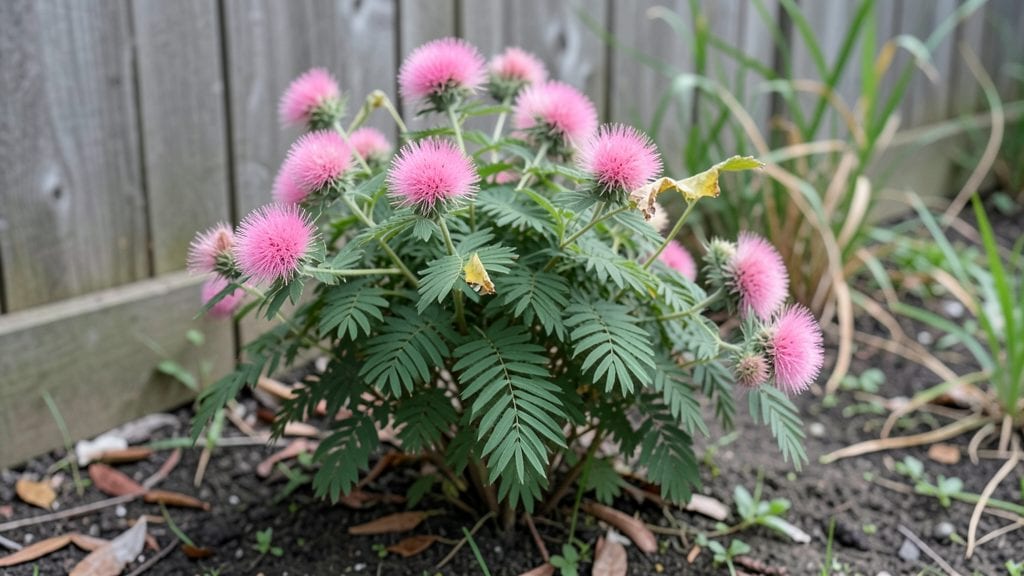
My powder puff plants—those fluffy, pink cloud blooms—turned my backyard into a hummingbird highway with almost no effort from me. 🌿 These drought-tolerant shrubs thrive in heat and poor soil, making them the ultimate low-maintenance pollinator magnet for zones 9-11.
The secret lies in their resilience: plant them in full sun, give them a well-draining mix, and watch them reward you with year-round blooms that bees and butterflies can't resist.
You’ll need just three things to get started: a sunny spot (at least 6 hours of direct light daily), fast-draining soil (they hate soggy roots), and occasional water—about once a week once established. Pruning is optional but keeps them tidy; simply trim back leggy growth in late winter.
The best part? These plants handle neglect like a champ, so even if you forget them for a week, they’ll bounce back.
By summer, your garden will buzz with activity as hummingbirds and bees flock to their nectar-rich flowers. The foliage stays lush and green, and the blooms keep coming in waves—no deadheading required.
Plus, they stay compact (usually 3-5 feet tall), making them perfect for borders, containers, or even as a standalone statement plant.
For cooler climates, grow them in containers and bring them indoors during winter. If pests like aphids show up, a simple spray of water usually does the trick.
With minimal care, you’ll have a pollinator haven that works harder than you do—honestly, these plants are the ultimate "plant and forget" solution.
📚 In This Guide
- What you need
- Instructions
- Tips and common mistakes
- Wrapping up and next steps
What you need
- ● Powder puff plant seeds or nursery-grown seedlings: 1–3 plants (for small containers or garden beds)
- ● 5–10 plants (for larger pollinator gardens)
- ● Well-draining potting mix: 1 bag (5–10 gallons) for containers
- ● Enrich with perlite or sand (1 part perlite/sand per 3 parts soil) for better drainage
- ● Container or garden bed: Containers: 5–10-inch pots (1–2 plants per pot) with drainage holes
- ● Garden beds: Full sun (6+ hours/day) and loose, sandy soil
- ○ Slow-release fertilizer (optional but recommended): 1–2 tbsp per plant (mix into soil at planting)
- ● Garden trowel or small shovel (for transplanting)
- ● Watering can or hose with gentle spray nozzle (avoid overwatering!)
- ● Pruning shears (for shaping or deadheading)
- ○ Mulch (optional):
- ● 1–2 inches of organic mulch (e.g., pine bark or straw) to retain moisture
- ○ Pollinator-friendly companions (optional): Marigolds, lavender, or milkweed to attract bees and butterflies
Step-by-step instructions for planting powder puff plants
These fluffy, fragrant beauties thrive with almost no effort—here’s how to get them growing strong.
🌱 Step 1: Choose the Perfect Spot for Your Powder Puff Plants
Powder puff plants (Calliandra spp.) adore full sun—at least 6-8 hours daily. I always pick the sunniest corner of my garden because they simply won’t tolerate shade. These plants love warmth too, so if you live in a cooler zone, plant them near a south-facing wall where they’ll soak up reflected heat.
Check your soil first—these plants hate soggy roots. If your garden soil drains poorly, mix in 1 part perlite or coarse sand to 3 parts native soil to improve drainage. The fluffier the blooms, the happier your plants will be!
🪴 Step 2: Plant Your Powder Puff Plants at the Right Depth
Dig a hole twice as wide as the root ball but no deeper—these plants dislike having their crown buried. Gently remove the plant from its container and loosen any circling roots with your fingers. Place it in the hole so the top of the root ball sits just below soil level.
Backfill with native soil, pressing lightly around the edges to remove air pockets. Water deeply right after planting to settle the soil and encourage root contact. You’ll see new growth within 2-3 weeks if everything’s just right!
☀️ Step 3: Water Consistently Without Overdoing It
Powder puff plants are drought-tolerant once established, but young plants need 1 inch of water per week. Water at the base rather than overhead to keep those delicate blooms dry—wet flowers attract pests and diseases. I like to water in the morning so any excess moisture evaporates by evening.
Check soil moisture by sticking your finger 1 inch down—if it feels dry, it’s time to water. Overwatering is the #1 killer of these plants, so when in doubt, wait a day or two. You’ll know you’re doing it right when you see fresh, vibrant green leaves.
✂️ Step 4: Prune to Encourage Bushier Growth
After the first flush of blooms fades, trim back leggy stems by one-third their length to encourage fuller growth. Use clean, sharp pruners and make cuts just above a leaf node. This isn’t just about looks—pruning improves airflow, which keeps diseases at bay.
Deadhead spent blooms regularly to redirect the plant’s energy into new growth. I do this every 2 weeks during peak bloom season. Your powder puff plants will reward you with continuous blooms from spring through fall if you keep up with this simple task!
🌿 Step 5: Protect and Maintain Through Seasons
In colder climates, mulch around the base with 2-3 inches of organic mulch to protect roots in winter. These plants are tender perennials in zones 9-11, so I always dig up mine and pot them before frost hits. Overwinter them indoors near a sunny window.
Fertilize lightly once a month during growing season with a balanced 10-10-10 fertilizer—too much nitrogen makes them grow leaves instead of those fabulous fluffy blooms. Watch for aphids on new growth and blast them off with water if you spot them early.
Tips & tricks for perfect powder puff plant care
These easygoing beauties practically care for themselves—but here’s how to unlock their full potential and keep them thriving year after year!
The Sunlight Secret: Those magical 6-8 hours of full sun are non-negotiable! If your garden has partial shade, place them in the sunniest spot possible—even an hour less can mean fewer blooms. I’ve seen powder puffs in containers on patios thrive when moved to sunny spots midday. For cooler climates, a south-facing wall reflects extra heat, giving them that tropical boost they love.
Root Ball Rescue: When planting, don’t bury the crown—it should sit just below soil level. If you accidentally bury it too deep, the plant can suffocate. I’ve fixed this before by gently lifting the plant and adding more soil around the sides rather than heaping it higher. This keeps those roots happy and growing!
Watering Wisdom: The 1 inch per week rule is perfect for established plants, but young powder puffs need consistent moisture. I like to use a rain gauge or tuna can to measure—fill it with water and place it near your plants as a visual reminder. Morning watering prevents fungal issues from evening dampness, and those fluffy blooms stay dry and pest-free.
Pruning Payoff: That one-third trim after the first flush isn’t just about looks—it’s about redirecting energy. I prune right after blooms fade to encourage bushier growth. For continuous blooms, deadhead every 2 weeks during peak season. The more you remove spent blooms, the more your plants will reward you with fresh, vibrant flowers!
Pro Tips for Powder Puff Plants
- These easygoing beauties practically care for themselves—but here’s how to unlock their full potential and keep them thriving year after year!
- The Sunlight Secret: Those magical 6-8 hours of full sun are non-negotiable!
- Root Ball Rescue: When planting, don’t bury the crown—it should sit just below soil level.
Frequently asked questions
How fast do powder puff plants grow?
These fast growers can reach mature heights of 3–6 feet in just one growing season! With consistent moisture and sunlight, you’ll see noticeable growth within 6–8 weeks. Prune occasionally to encourage bushier, fuller plants and prevent legginess.
When is the best time to plant powder puff plants?
For hardiness zones 7–11, plant seeds after the last frost in spring (April–May) or directly sow in fall (September–October) for winter blooms. In cooler zones, start indoors 8–10 weeks before the last frost and transplant after temperatures stay above 50°F (10°C).
Do powder puff plants attract pests or diseases?
While generally low-maintenance, powder puffs can attract aphids, spider mites, or whiteflies if stressed. Prevent issues by ensuring good airflow and avoiding overwatering. If pests appear, spray with neem oil or introduce ladybugs. Fungal issues (like powdery mildew) are rare but can occur in humid climates—prune for airflow and water at the base.
Can I grow powder puff plants in containers?
These plants thrive in 5-gallon containers or larger with well-draining soil. Use a balanced fertilizer every 4–6 weeks and place pots in full sun. Just ensure containers have drainage holes to prevent root rot. Pro tip: Mix in compost for extra nutrients!
How do I overwinter powder puff plants in cold climates?
In zones below 7, powder puffs are tender perennials—they won’t survive frost. Dig up tubers in fall, trim foliage, and store in a cool, dry place (50–60°F / 10–15°C) until spring. Replant after the last frost. For a year-round display, grow them as annuals or opt for calla lilies (a hardier alternative).
Wrapping up and next steps
Powder puff plants are a game-changer for gardeners who want beauty, ease, and a buzzing pollinator party—all year long! 🌸 With their nearly effortless care and stunning blooms, they’re perfect for beginners and pros alike.
Whether you’re sprucing up borders, containers, or even tricky spots, these plants deliver maximum impact with minimal fuss.
Ready to transform your space? Start small—plant a few in a sunny corner, then expand as you fall in love with their charm. Your garden (and the bees!) will thank you. 🐝✨