Pruning
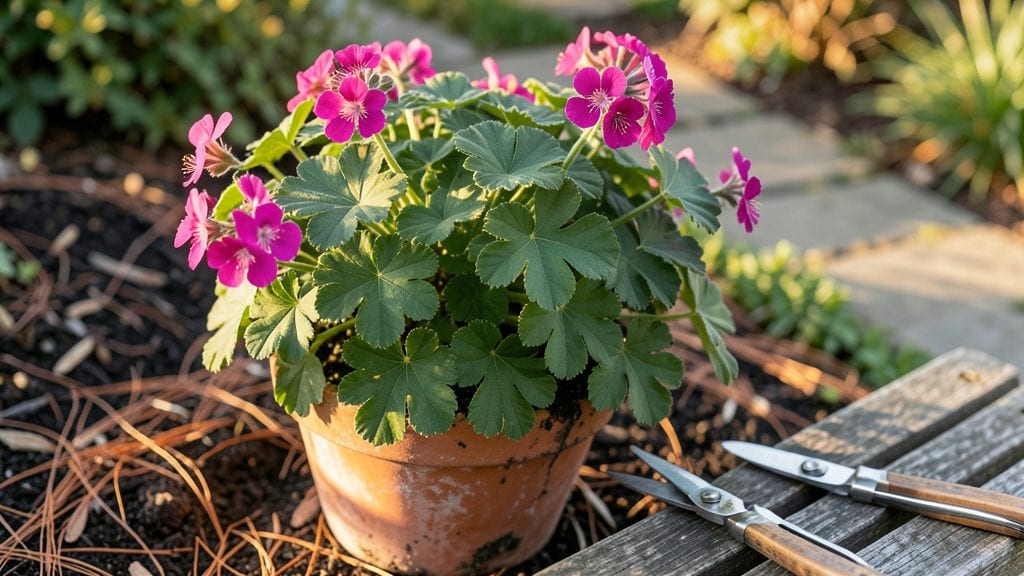
Trimming geranium plants keeps them blooming like clockwork all season—just two simple cuts make the difference. 🌿 I used to let mine grow wild until they turned into leggy monsters with half the flowers, but this method transformed them into bushy, vibrant powerhouses that never quit.
The secret is timing and precision: trim right after the first flush of blooms fades, then again in early summer to encourage a second wave. You only need clean pruners and about 15 minutes per plant—no fancy tools or complicated steps.
The key is cutting back to just above a leaf node, which tells the plant to branch out instead of stretching upward.
After trimming, your geraniums will burst with fresh growth and double the blooms by midsummer. The foliage stays dense, the stems stay strong, and you avoid that sad, overgrown look that kills the curb appeal.
Just avoid cutting too much at once—stick to a third of the plant per trim to keep it happy.
This works for both zone-hardy and tender geraniums, whether you're growing them in pots or garden beds. Once you master the two-cut system, your plants will thank you with flowers from spring straight through fall—no deadheading required.
📚 In This Guide
- What you need
- Instructions
- Tips and common mistakes
- Wrapping up and next steps
What you need
- ● Sharp pruning shears or bypass pruners – Choose 4-6 inch blades for precision (sterilize with rubbing alcohol before use!).
- ● Clean, sharp scissors or garden snips – For smaller stems (avoid dull tools—they crush plant tissue!).
- ○ Disposable gloves (optional but recommended) – Protects hands from thorns and sap.
- ● Rubbing alcohol (70% or higher) or bleach solution – 1 part bleach to 9 parts water for sterilizing tools.
- ● Compost bin or paper bag – For clippings (geranium trimmings decompose quickly!).
- ● Plant food or balanced fertilizer (5-5-5 or 10-10-10) – Apply after trimming to boost regrowth.
- ● Plant markers or labels – If propagating cuttings, label varieties to track growth.
- ● Rooting hormone gel (for propagation) – Speeds up root development in cuttings.
- ● Spray bottle with water – Keeps cuttings hydrated if propagating.
Step-by-Step guide to trimming geranium plants for nonstop blooms
Here’s how to keep your geraniums flowering like clockwork—just two easy cuts will make all the difference.
✂️ Step 1: Deadhead Spent Blooms Regularly
Start by snipping off faded flowers as soon as they wilt. Use clean, sharp pruners or even your fingers to pinch off the entire spent bloom cluster down to the first set of healthy leaves. This prevents the plant from wasting energy on seed production and redirects it to new buds.
I do this every 2-3 days during peak bloom season. You’ll know you’re doing it right when you see fresh buds forming within 5-7 days. If you skip this, geraniums will focus on making seeds instead of flowers, and your plant will look tired by mid-summer.
✂️ Step 2: Cut Back Leggy Stems Mid-Season
Around mid-July, check your geraniums for stems that have stretched tall and woody with few leaves. These leggy stems won’t produce many flowers and make the plant look sparse. Use your pruners to cut these stems back by about one-third their length, just above a leaf node where new growth can sprout.
This might seem drastic, but geraniums bounce back fast. Within 2-3 weeks, you’ll see fresh, bushy growth with new blooms. I always prune on a cloudy day or late afternoon to reduce stress on the plant. Avoid cutting into old, bare wood—focus only on stems with some green growth left.
🌿 Step 3: Light Trim for Shape and Airflow
After the main pruning, give your geraniums a final light trim to shape them and improve airflow. Snip any stems that are crossing or rubbing against each other, and trim back any overly long leaves that block sunlight from reaching the center. This keeps the plant compact and reduces the risk of fungal issues.
Work your way around the plant, stepping back occasionally to check the overall shape. You’re aiming for a full, rounded bush with no bare spots. A little shaping now means your geraniums will stay lush and bloom-heavy through fall. I like to do this in early September to prep for cooler weather.
⏰ Step 4: Prepare for Winter Dormancy
As temperatures drop below 50°F at night, geraniums start slowing down. Give them one last light trim to remove any dead or yellowing leaves, then reduce watering. This helps the plant focus on storing energy for next season rather than maintaining unnecessary growth.
Bring potted geraniums indoors before the first frost, or mulch heavily if they’re in the ground. I always move mine to a bright, cool spot indoors where they’ll stay dormant until spring. With this simple care, your geraniums will come back stronger and bloom even more abundantly next year.
Tips & tricks for perfect geranium trimming
Keeping your geraniums blooming nonstop actually comes down to just a few simple tricks that most gardeners miss.
Timing Secret: The 2-3 day deadheading schedule in Step 1 might seem frequent, but it's the key to continuous blooms. I've noticed that skipping even one day can slow down new bud formation—geraniums respond best when you stay consistent. If you're away for a few days, do a quick trim before you leave to keep the plant focused on flowers rather than seeds.
Equipment Matters: Don't underestimate the importance of clean, sharp pruners. Dull blades crush stems instead of making clean cuts, which can invite disease. I keep a small pair of pruners just for my geraniums and sterilize them with rubbing alcohol between uses. For small plants, your fingers work perfectly—just make sure your nails are clean and trimmed.
Seasonal Adjustments: The mid-July pruning in Step 2 is crucial for summer growth, but the timing can vary slightly depending on your climate. In warmer zones, you might need to prune as early as late June, while cooler areas can wait until early August. Always look for those leggy stems with few leaves—they're your signal to prune. The goal is to encourage bushier growth before fall.
Winter Prep Tip: When preparing for winter dormancy in Step 4, don't forget to check the soil temperature too. While nighttime temps below 50°F signal dormancy, daytime warmth can keep roots active. If your area has warm days but cold nights, consider bringing potted geraniums indoors during the day and back out at night to simulate natural conditions.
Pro Tips for Trimming Geranium Plants
- Keeping your geraniums blooming nonstop actually comes down to just a few simple tricks that most gardeners miss.
- Timing Secret: The 2-3 day deadheading schedule in Step 1 might seem frequent, but it's the key to continuous blooms.
- Equipment Matters: Don't underestimate the importance of clean, sharp pruners.
Frequently asked questions
Got questions about keeping your geraniums lush and blooming? Here are some of the most common queries—plus quick, practical answers to keep your plants thriving!
When is the best time to trim geraniums for maximum blooms?
Trim geraniums in early spring (just as new growth starts) and again after the first flush of blooms in late spring/early summer. Avoid heavy pruning in fall—lightly tidy up dead foliage instead. Pro tip: Pinch back leggy stems by ⅓ to encourage bushier growth!
How often should I trim my geraniums?
For container or patio geraniums, trim every 4–6 weeks during the growing season (spring to fall). If grown as perennials in mild climates, a single spring cut may suffice. Watch for: Over-trimming can stress plants—never remove more than ⅓ of the foliage at once.
Can I propagate geraniums from cuttings after trimming?
Use healthy, 4–6 inch cuttings from trimming with 2–3 leaf sets. Strip lower leaves, dip in rooting hormone (optional), and plant in moist potting mix. Keep in bright, indirect light and mist lightly until roots form (3–6 weeks). Bonus: This multiplies your plants for free!
Why do my geraniums look leggy or sparse after trimming?
Leggy growth often means too little light or over-trimming. Move plants to 6+ hours of sun daily and avoid cutting back more than ⅓ of the plant at once. If stems are woody, a harder prune in spring can revive them. Fix: Fertilize lightly after trimming to boost regrowth.
Do I need special tools to trim geraniums?
Nope! Clean, sharp bypass pruners or even scissors work great. Avoid dull tools—they crush stems and invite disease. Sanitize: Wipe blades with rubbing alcohol between cuts to prevent spreading pests. For large patches, hedge shears can speed up the process!
Wrapping up and next steps
Trimming your geraniums doesn’t have to be intimidating—just a little love and two simple cuts can keep them thriving all year! 🌸 With the right tools, timing, and technique, you’ll enjoy lush foliage and nonstop blooms that brighten up any space.
Now that you’re armed with the know-how, grab those shears and give your plants the fresh start they deserve.
Ready to take it further? Try propagating those trimmings—you’ll have even more geraniums to share or enjoy! 🌱